South Korean President Lee Jae Myung Reinforces Commitment to Stabilize Real Estate Market and Eradicate Speculative Bubbles

South Korean President Lee Jae Myung has reiterated his administration’s unwavering resolve to overhaul and stabilize the nation’s volatile property market, signaling a definitive end to decades-old real estate speculation and the entrenched cultural perception that housing prices in affluent areas are impervious to downturns. Speaking via social media platform X during an official diplomatic trip to New York and Mexico to attend the United Nations General Assembly, President Lee underscored that the "Housing Stabilization Plan"—unveiled just a day prior—marks a historic turning point. He boldly declared that the long-held socio-economic mentality encapsulated by the phrases "Gangnam is invincible" and "real estate speculation is a foolproof method for wealth accumulation" will soon be relegated to the past.
The President’s recent remarks follow a flurry of high-level government announcements aimed at dismantling systemic speculative behaviors that have plagued South Korea’s economy for generations. By directly targeting the psychological cornerstone of Korean property investment, the administration hopes to redirect capital away from non-productive real estate assets and back into the broader, more innovative sectors of the national economy.
Decoding the "Gangnam Invariance" Myth
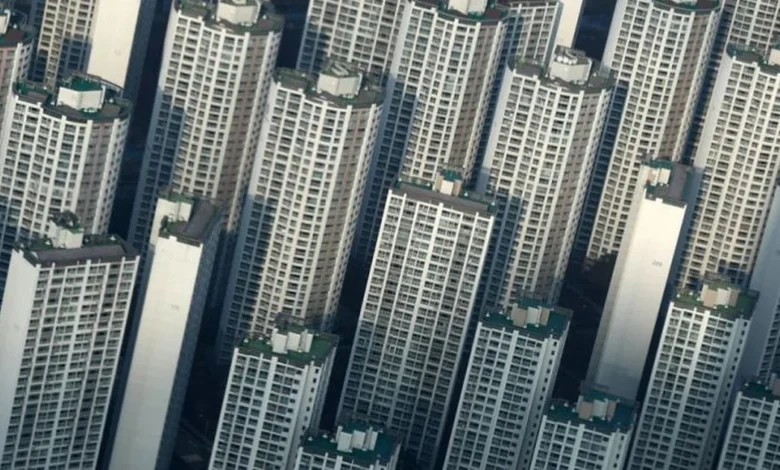
For decades, the Gangnam district in Seoul has served as the ultimate barometer of South Korea’s real estate market. The phrase "Gangnam is invincible" (Gangnam bulbai) reflects a deeply rooted public belief that property values in this specific southern district of the capital will invariably rise, regardless of broader macroeconomic conditions, government regulations, or demographic shifts. This phenomenon turned Gangnam real estate into a virtually risk-free financial instrument, attracting massive inflows of capital from the country’s wealthiest individuals and corporate entities.
However, this relentless upward trajectory of property values created profound socio-economic challenges. It severely widened the wealth gap between property owners and non-homeowners, placed homeownership out of reach for millions of younger South Koreans, and contributed to a declining birth rate as housing costs soared. Successive administrations have attempted to cool the market through various tax hikes, lending restrictions, and regulatory tightening, but none have successfully dismantled the core assumption that Seoul real estate is a bulletproof investment. President Lee’s administration is now attempting a more fundamental shift by radically transforming supply-side dynamics alongside strict demand-side controls.
An Ambitious Supply-Side Strategy Through 2030
At the heart of the government’s newly minted stabilization blueprint is a massive expansion of public housing supply. Under the comprehensive plan, the South Korean government aims to supply a total of 1.19 million public housing units nationwide by the year 2030. This translates to an average delivery of approximately 240,000 homes per year, encompassing both publicly owned housing intended for sale and long-term rental options.
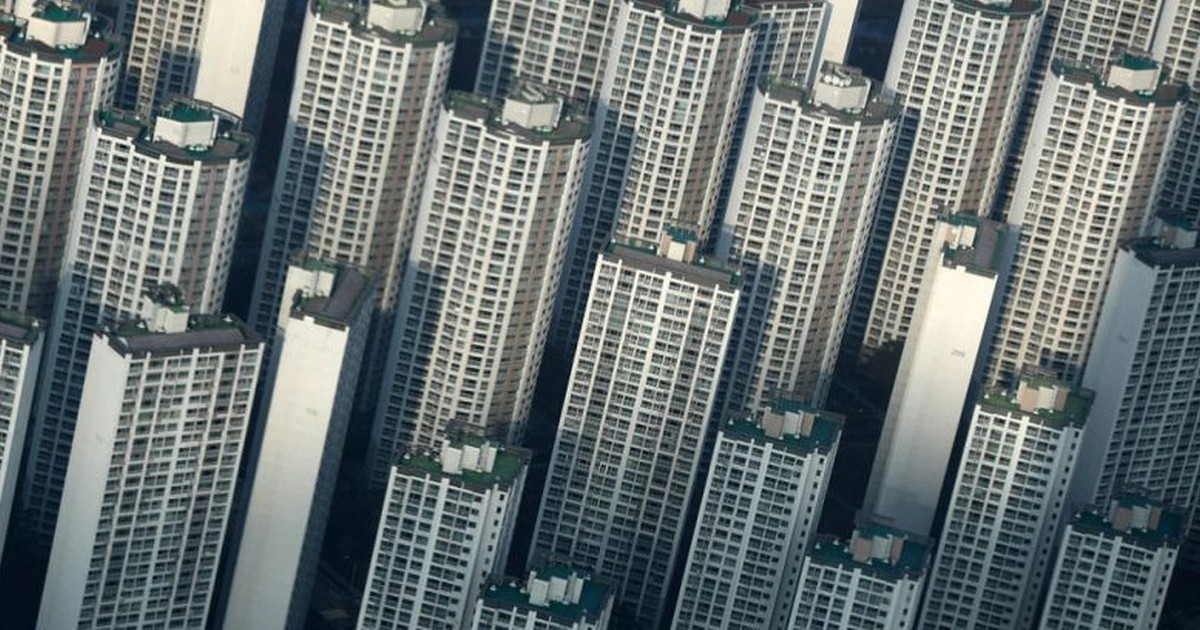
Urban centers, particularly the Seoul metropolitan area, will bear the brunt of this construction push. Out of the 1.19 million total units, approximately 920,000 homes are slated for development within the Seoul capital area to directly alleviate acute supply shortages where demand is highest.
Furthermore, the government is diversifying its housing models to cater to evolving demographic needs. A cornerstone of this strategy is the introduction of diversified public rental housing models, with approximately 190,000 units scheduled for completion by 2030. These units are designed to accommodate a diverse range of urban dwellers, including single-person households, young professionals, and newlyweds, ensuring that public housing options meet modern standards of size, quality, and location.
Chronology of Recent Government Actions
The rollout of the Housing Stabilization Plan is the culmination of an accelerated policymaking phase by the Lee Jae Myung administration. The timeline of these critical announcements underscores the administration’s sense of urgency:
- September 12, 2026: The government officially releases preliminary data outlining the sweeping targets for public housing construction through 2030, emphasizing regional distribution in high-cost areas like Seoul.
- September 18, 2026: President Lee holds a high-profile press conference, explicitly framing the eradication of real estate speculation as a paramount national task and officially declaring an end to the myth that housing prices never decline.
- September 21, 2026: Ministries of land, infrastructure, and transport begin expediting administrative procedures, streamlining land acquisition processes, and fast-tracking building permits to meet the ambitious annual supply targets.
- September 22, 2026: While abroad for UN engagements, President Lee reinforces the domestic agenda via social media, directly addressing public skepticism and reaffirming the administration’s dedication to long-term market stability.
Shifting National Wealth Accumulation
The implications of President Lee’s policy extend far beyond urban planning and housing economics; they strike at the very heart of South Korea’s financial culture. For generations, real estate has functioned as the primary vehicle for household savings and generational wealth transfer in South Korea. According to various economic studies, a disproportionate percentage of household net worth is tied up in bricks and mortar, leaving the domestic stock market and other productive investment vehicles starved of retail capital.
By systematically dampening speculative fervor and increasing the availability of affordable, high-quality public housing, the government aims to eliminate the FOMO (fear of missing out) driving ordinary citizens into high-leverage property purchases. Financial regulators have also maintained strict debt-service ratio (DSR) caps and mortgage controls to prevent household debt from spiraling further out of control.
Expert Analysis: Challenges and Global Comparisons
While the administration’s goals are ambitious, economic analysts and real estate experts point out significant hurdles that lie ahead. Boosting supply in hyper-dense urban environments like Seoul involves complex land acquisition challenges, lengthy bureaucratic approval processes, and potential resistance from local communities concerned about gentrification or overdevelopment.
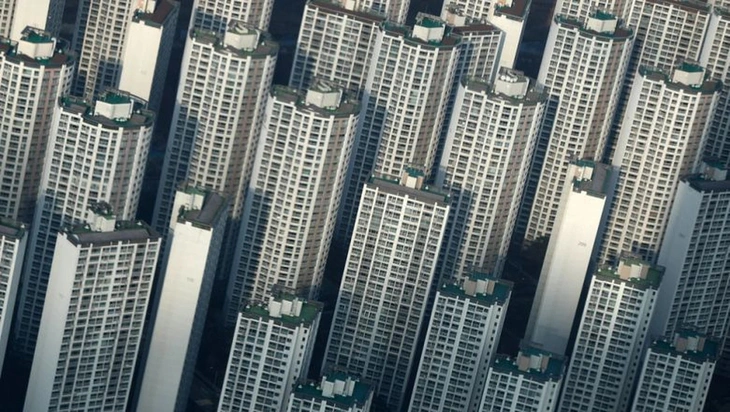
Moreover, construction cost inflation and labor shortages in the domestic construction sector could pressure public sector budgets and delay project timelines. To mitigate these risks, the government is reportedly exploring innovative construction technologies, modular building techniques, and public-private partnerships to streamline delivery.
Comparatively, South Korea’s aggressive pivot toward state-backed public housing mirrors strategies adopted by other global megacities facing severe affordability crises, such as Singapore’s Housing & Development Board (HDB) model or Vienna’s social housing framework. However, transforming a deeply entrenched market culture heavily reliant on private property appreciation will require sustained political will and consistent macroeconomic management over several years.
Conclusion and Outlook
President Lee Jae Myung’s ongoing campaign to stabilize the real estate market demonstrates a calculated, multi-pronged approach that combines massive supply expansion with strong anti-speculation rhetoric. By explicitly challenging cultural mainstays like the "Gangnam invincibility" narrative, the administration is signaling that the rules of the economic game in South Korea are changing.
As the government presses forward with its 2030 targets—backed by expedited permits, diversified public rental models, and strict regulatory oversight—the ultimate success of these policies will be measured by whether ordinary South Koreans can secure stable housing without being priced out by speculative bubbles. For an administration staking its political legacy on economic fairness and housing stability, the coming months will be critical in proving that the myth of infallible real estate speculation has finally been broken.
Related posts: