After its General Director’s Arrest, Hai Phong Thermal Power Reports Robust Half-Year Profit Exceeding 508 Billion VND

Hai Phong Thermal Power Joint Stock Company (HND) has demonstrated remarkable financial resilience, reporting an after-tax profit exceeding 508 billion VND for the first six months of 2026. This significant achievement, representing a nearly 25% increase compared to the same period in 2025, comes despite a period of intense scrutiny and a high-profile leadership transition following the prosecution and temporary detention of its former General Director in late May 2026. The positive financial results, disclosed in the company’s Q2 2026 financial report, paint a picture of operational stability and prudent financial management amidst a challenging external environment.
Strong Financial Performance in Q2 2026
The second quarter of 2026 proved to be particularly strong for HND, laying the foundation for its impressive half-year performance. The company recorded net revenue of over 3,535 billion VND during the quarter, marking a substantial increase of nearly 19% year-on-year. This revenue growth was accompanied by an even more robust expansion in profitability, with gross profit reaching over 387 billion VND, an increase of more than 30% compared to Q2 2025.
A notable factor contributing to the enhanced profitability was the significant surge in financial revenue. HND’s financial revenue soared to nearly 4 billion VND in Q2 2026, a staggering 46-fold increase from the corresponding period last year. Crucially, the company reported no financial expenses, particularly interest costs, in Q2 2026. This stands in stark contrast to Q2 2025, when HND incurred nearly 979 million VND in interest payments. The elimination of these costs significantly boosted the company’s bottom line. After accounting for all expenses and corporate income tax, HND’s after-tax profit for Q2 2026 stood at 292 billion VND, an increase of nearly 21% year-on-year. This strong quarterly showing underscores the company’s ability to generate substantial earnings, potentially driven by efficient operations, favorable market conditions for electricity, and effective financial management.
Half-Year Overview: Growth Across Key Metrics
Cumulatively, for the first six months of 2026, Hai Phong Thermal Power maintained its positive trajectory. The company’s net revenue reached nearly 6,081 billion VND, reflecting an 8% increase compared to the first half of 2025. Gross profit for the period grew even faster, climbing by over 28% to approximately 646 billion VND. This indicates an improvement in the company’s core operational efficiency and possibly better pricing power or cost control in its primary business of electricity generation.
The culmination of these strong performances led to the aforementioned after-tax profit of over 508 billion VND for the first half of 2026, marking a substantial 25% growth. This growth rate, achieved during a period of significant internal upheaval, suggests that the company’s fundamental business operations remained robust and were largely insulated from the external crisis surrounding its former top executive. Market analysts might interpret these figures as a testament to HND’s strong operational foundations and the effectiveness of its management teams in ensuring business continuity. The consistent growth across revenue and profit margins could also be indicative of sustained demand for electricity in Northern Vietnam, a key industrial hub, allowing HND to leverage its generation capacity effectively.
Robust Balance Sheet and Debt-Free Status
Beyond its income statement, HND’s balance sheet at the end of June 2026 also presents a picture of financial health and prudence. Total assets for the company were approximately 7,582 billion VND, a modest increase of 3% from the beginning of the year. The asset structure reveals a diversified portfolio, with significant allocations to short-term receivables (2,829 billion VND), fixed assets (2,510 billion VND), inventory (926 billion VND), and cash equivalents (700 billion VND).
Perhaps the most striking feature of HND’s financial position is its debt-free status. The company explicitly reported having no short-term or long-term financial debt. This is a rare and highly advantageous position for a large-scale industrial enterprise, particularly in the capital-intensive power generation sector. The absence of debt not only reduces financial risk but also liberates cash flow that would otherwise be allocated to interest payments, as evidenced by the improved financial revenue in Q2. This strong financial position, coupled with an owner’s equity that increased to over 6,409 billion VND (driven by accumulated retained earnings and a dedicated development investment fund), provides HND with significant financial flexibility and a strong buffer against unforeseen economic shifts or operational challenges. Such a conservative financial strategy could be a deliberate choice to enhance stability, especially given the current legal landscape.
Timeline of Leadership Crisis and Environmental Scandal
The positive financial disclosures arrive in the wake of a significant legal challenge for Hai Phong Thermal Power, directly impacting its top leadership.
- May 21, 2026: Mr. Duong Son Ba, who served as both the General Director and the legal representative of Nhiet Dien Hai Phong, was officially prosecuted and placed under temporary detention. The charges against him relate to "falsifying documents of agencies and organizations." This development sent ripples through the company and the broader Vietnamese business community, particularly given the importance of HND to the national energy infrastructure.
- June 2, 2026: In a swift move to ensure leadership continuity, HND announced the appointment of Mr. Tran Xuan Truong, previously a Deputy General Director, as the Acting General Director. This rapid transition likely played a crucial role in minimizing operational disruptions and maintaining investor confidence during a critical period.
The arrest of Mr. Duong Son Ba is not an isolated incident but is part of a much larger, nationwide investigation into environmental monitoring irregularities. According to information released by the Ministry of Public Security, the Investigative Police Agency has initiated legal proceedings against 74 defendants across 10 different charges. These individuals are associated with 59 companies involved in waste treatment and the installation of environmental monitoring equipment. The scope of the investigation is extensive, reportedly encompassing both corporate officials and state management personnel responsible for environmental oversight across various provinces and cities nationwide.
Hai Phong Thermal Power was explicitly named in connection with this broader scandal. While the specific details of Mr. Ba’s alleged involvement and the exact nature of the "falsifying documents" charge in relation to HND’s operations have not been fully disclosed, the implication is that the company, or its former leadership, may have been involved in practices that misrepresent environmental compliance data. This national crackdown underscores a growing commitment from Vietnamese authorities to enforce environmental regulations more stringently and combat corporate malfeasance.
Operational Context and Strategic Importance
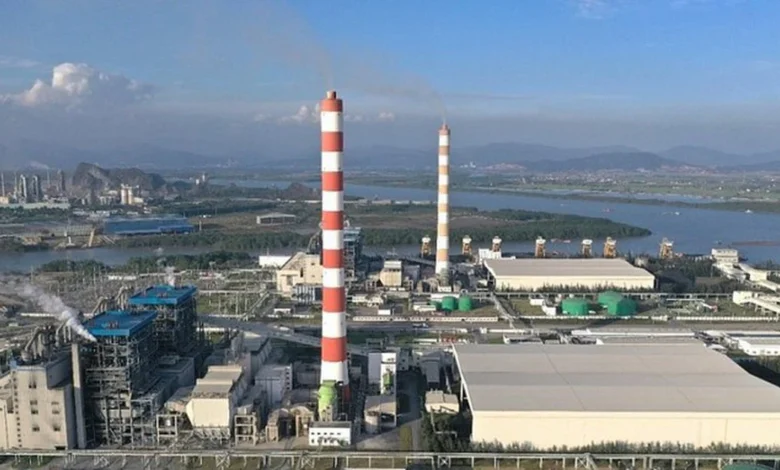
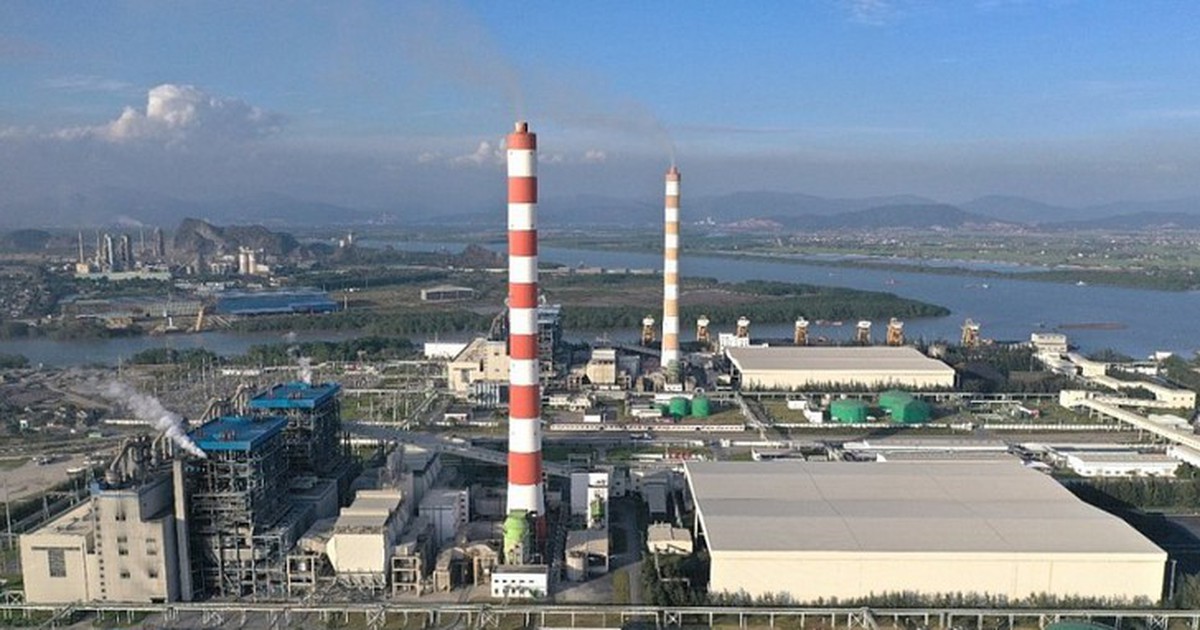
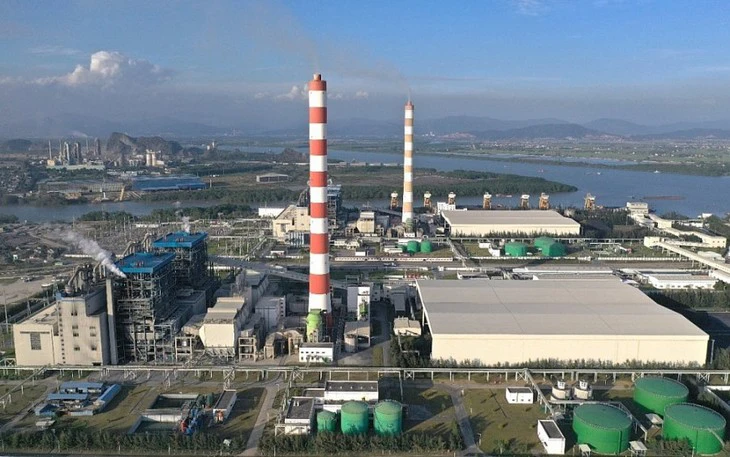
Hai Phong Thermal Power operates two major thermal power plants, boasting a combined installed capacity of 1,200 MW. As one of the largest coal-fired power generators in Northern Vietnam, HND plays a critical role in ensuring the energy security of a region characterized by rapid industrialization and urbanization. The sustained demand for electricity from manufacturing, industrial zones, and growing urban centers in the North places HND at the heart of Vietnam’s economic engine.
The company’s continued robust financial performance, despite the leadership crisis and its association with a significant environmental scandal, implicitly signals that its core operational activities—electricity generation and distribution—have remained strong. This suggests that the company’s infrastructure, technical staff, and operational protocols are resilient enough to absorb shocks at the executive level. The seamless transition to an Acting General Director likely helped maintain strategic direction and operational efficiency. However, the legal and reputational challenges stemming from the scandal will undoubtedly require HND to enhance its environmental governance and transparency.
Broader Implications and Future Outlook
The situation at Hai Phong Thermal Power carries broader implications for corporate governance, environmental compliance, and investor confidence in Vietnam’s industrial sector.
-
For HND: The immediate challenge for the new leadership will be to maintain this financial momentum while actively cooperating with ongoing investigations and working to restore public trust. This will likely involve a renewed focus on strengthening internal controls, particularly in areas related to regulatory compliance and data reporting. Rebuilding the company’s reputation and demonstrating a commitment to ethical practices will be crucial for long-term sustainability. The strong financial position provides a solid base from which to navigate these challenges, potentially funding any necessary environmental remediation or compliance upgrades.
-
For the Vietnamese Power Sector: HND’s case highlights the imperative for all players in the energy sector, particularly those involved in resource-intensive industries like coal-fired power, to adhere to stringent environmental standards. The nationwide crackdown suggests that regulatory oversight will only intensify, pushing companies to invest more in genuine environmental protection and transparent reporting. This could accelerate the sector’s shift towards more sustainable practices and cleaner energy sources in line with Vietnam’s broader climate commitments.
-
Investor Confidence: While the strong financial results are a positive signal, investors will likely remain vigilant regarding the outcome of the legal proceedings. The interplay between strong financial performance and governance concerns, especially regarding environmental issues, will be a key factor influencing investor decisions. Companies demonstrating robust Environmental, Social, and Governance (ESG) frameworks will likely gain a competitive advantage, as institutional investors increasingly prioritize these factors. HND’s journey through this crisis could serve as a case study for how Vietnamese enterprises manage and recover from significant governance challenges.
The financial strength exhibited by Hai Phong Thermal Power in the first half of 2026 is a testament to its operational fortitude. However, the shadow of the ongoing environmental scandal and leadership changes serves as a stark reminder that sustained success in modern business requires not only financial acumen but also an unwavering commitment to ethical governance and environmental responsibility. The coming months will reveal how HND balances its economic imperatives with its broader social and regulatory obligations.
Related posts: