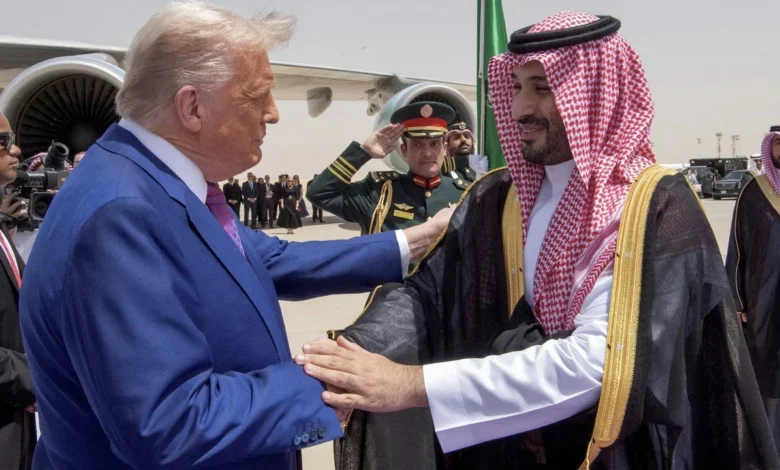
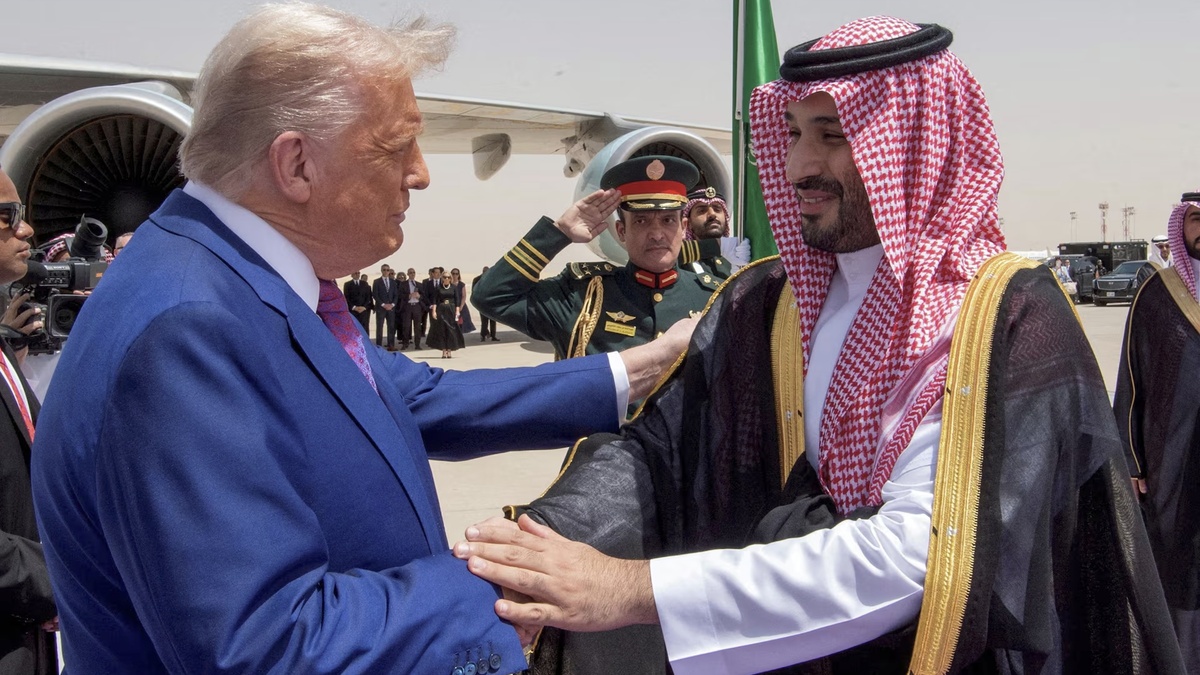
A groundbreaking agreement allowing Saudi Arabia to enrich uranium has been finalized with the United States, igniting significant apprehension in Washington over the potential for nuclear proliferation and fueling concerns about a renewed arms race in the Middle East. The Department of Energy announced the unprecedented accord on July 22nd, hailing it as a landmark development that could pave the way for the Kingdom’s first civilian nuclear program.
The Trump administration championed the deal, valued at tens of billions of dollars, asserting it would advance both economic and strategic objectives, including preventing the proliferation of nuclear weapons. However, a chorus of experts from both sides of the political aisle has voiced alarm, warning that the agreement could inadvertently trigger a dangerous nuclear competition in the strategically volatile region, particularly amidst escalating tensions with Iran.
"The potential for a nuclear arms race in Riyadh could lead to a Tehran-driven response," cautioned Senator Chris Murphy, a key member of the Senate Foreign Relations Committee. He elaborated that while the agreement was in the works prior to the recent surge in hostilities with Iran, its public announcement at this juncture could significantly accelerate the regional dynamic towards nuclear escalation. Murphy underscored the inherent risk, stating, "The specter of nuclear weapons in the Middle East, particularly in Iran, is already a major concern. This agreement could inadvertently push Iran closer to developing nuclear weapons."
Background and Context of the Agreement
The agreement between the U.S. and Saudi Arabia marks a significant pivot in American foreign policy and a substantial advancement for Saudi Arabia’s long-held ambitions in the nuclear energy sector. For years, the Kingdom has expressed a desire to diversify its energy sources and leverage nuclear technology for peaceful purposes, aiming to reduce its reliance on oil exports and position itself as a leader in the region. This pursuit has been met with both cautious optimism and profound skepticism from international observers and policymakers.
The discussions for such a pact have been ongoing for nearly two decades, with Washington seeking assurances that any civilian nuclear program in the Kingdom would adhere to the highest international standards of safety and non-proliferation. The ultimate goal for the U.S. has been to foster a cooperative relationship with Saudi Arabia in the nuclear domain, thereby discouraging the Kingdom from pursuing indigenous enrichment capabilities independently, which could be perceived as a direct challenge to existing non-proliferation regimes and potentially spur a regional arms race.
Strategic Implications and Regional Dynamics
The U.S.-Saudi nuclear deal comes at a particularly sensitive time in the Middle East. The region is already grappling with heightened tensions, particularly between Iran and its adversaries, including the United States and its allies. Iran’s nuclear program has been a persistent source of international concern, with ongoing debates about its true intentions and adherence to international treaties. The potential for Saudi Arabia to develop its own uranium enrichment capabilities, even for ostensibly civilian purposes, raises the specter of a regional nuclear domino effect.
Several nations in the Middle East have previously expressed ambitions to acquire nuclear technology, often citing Iran’s advancements as a primary motivation. For instance, Crown Prince Mohammed bin Salman himself stated in 2018 that Saudi Arabia would pursue nuclear weapons if Iran did. Similarly, countries like Turkey and Egypt have also signaled interest in developing nuclear energy programs. The U.S.-Saudi agreement could, therefore, embolden these nations to accelerate their own nuclear ambitions, potentially leading to a more unstable and dangerous regional landscape.
Concerns Over Proliferation and Oversight
A central point of contention among critics of the deal is the inherent risk of proliferation. While the agreement stipulates that Saudi Arabia will adhere to the "gold standard" of nuclear cooperation, which includes stringent oversight and limitations on enrichment activities, many experts remain unconvinced. The concern is that even with these safeguards, the knowledge and infrastructure gained from such a partnership could eventually be diverted for military purposes.
The "123 Agreement," as it is formally known, allows U.S. companies to export nuclear materials to Saudi Arabia and create a framework for future cooperation. However, the agreement does not explicitly prohibit Saudi Arabia from eventually pursuing enrichment or reprocessing activities. This ambiguity has led to fears that the deal could set a dangerous precedent, opening the door for other nations to seek similar arrangements, thereby weakening the global non-proliferation regime.
Senator John Kennedy voiced these concerns, stating, "I worry about the proliferation of nuclear weapons in the Middle East, and also in North Korea." He emphasized that the agreement could create a "domino effect" in the region, potentially pushing Iran further along its path toward nuclear weapons development.
The "Atomically Peaceful" Standard and Oversight Mechanisms
The U.S. administration has underscored that the agreement is designed to ensure that Saudi Arabia’s nuclear program remains exclusively for peaceful purposes. The framework of the deal reportedly includes provisions for enhanced U.S. oversight and the establishment of a "peaceful atom" framework. This means that any nuclear materials exported from the U.S. to Saudi Arabia will be subject to strict controls and monitoring by the International Atomic Energy Agency (IAEA).
The agreement aims to prevent the diversion of nuclear materials for military applications by requiring Saudi Arabia to commit to a stringent set of non-proliferation commitments. These commitments are intended to ensure that the Kingdom’s nuclear activities are transparent and that all nuclear materials are accounted for. Furthermore, the deal includes provisions for the U.S. to have the right to repossess nuclear materials if Saudi Arabia violates the terms of the agreement.
However, critics argue that these oversight mechanisms may not be sufficient to prevent a determined state from pursuing a clandestine nuclear weapons program. The history of nuclear proliferation has shown that even with international oversight, states can find ways to circumvent safeguards. The concern is that the knowledge and technology transferred to Saudi Arabia could be used to develop a nuclear weapons capability, even if indirectly or at a later stage.
Congressional Scrutiny and Potential Obstacles
The agreement faces a significant hurdle in the U.S. Congress, where lawmakers have 30 days to review and potentially block it. Both Democratic and Republican lawmakers have expressed reservations, highlighting the potential risks associated with the deal. The Trump administration’s decision to proceed with the agreement has been met with a mixture of support and strong opposition from members of Congress who are concerned about the implications for regional stability and global non-proliferation efforts.
The deal is seen by some as a significant departure from previous U.S. policy, which has generally sought to limit the spread of uranium enrichment technology. The rationale behind this previous policy was to prevent the development of a nuclear arms race in the Middle East. However, proponents of the current agreement argue that engaging with Saudi Arabia on nuclear technology is a more effective way to ensure transparency and prevent the Kingdom from pursuing such capabilities independently, potentially with assistance from other nuclear powers like Russia or China.
Broader Geopolitical Context and Future Outlook
The U.S.-Saudi nuclear deal is also intertwined with broader geopolitical considerations. The Trump administration has viewed such agreements as a way to strengthen alliances and counter the influence of adversaries like Iran. The hope is that by providing Saudi Arabia with access to peaceful nuclear technology, the U.S. can bolster its strategic partnership with the Kingdom and enhance its leverage in regional security matters.
However, the deal also raises questions about the future of nuclear diplomacy and the effectiveness of existing non-proliferation regimes. The agreement could indeed trigger a ripple effect, prompting other nations in the region to seek similar arrangements. This could lead to a more complex and challenging environment for nuclear arms control and disarmament efforts.
The implications of this agreement are far-reaching and will likely be debated for years to come. While the U.S. administration maintains that the deal is a necessary step to promote nuclear safety and prevent proliferation, critics argue that it carries significant risks that could destabilize an already volatile region. The coming months will be crucial in determining how Congress responds to the agreement and whether it will ultimately be implemented, setting a new course for nuclear energy and non-proliferation in the Middle East.
The "Golden Standard" and its Limitations
Saudi Arabia has committed to adhering to what is often referred to as the "gold standard" in nuclear cooperation. This standard, exemplified by the 2009 agreement with the United Arab Emirates (UAE), typically involves stringent commitments from the recipient nation. These commitments usually include a pledge not to pursue uranium enrichment or plutonium reprocessing capabilities within its borders, thereby relying on the U.S. or other trusted international partners for these sensitive stages of the nuclear fuel cycle.
The UAE’s agreement, for instance, explicitly prohibits Abu Dhabi from enriching uranium or reprocessing spent fuel domestically. This allows for robust international oversight and prevents the potential diversion of materials for weapons purposes. The U.S. hopes to replicate this model with Saudi Arabia, ensuring that any nuclear activities are transparent and exclusively for peaceful energy generation.
However, critics point out that even the "gold standard" has its limitations. The potential for clandestine activities or the eventual development of indigenous capabilities remains a concern. Furthermore, the "123 Agreement" itself does not contain an explicit prohibition on Saudi enrichment. Instead, it relies on a framework that would govern any future Saudi enrichment activities, subject to U.S. approval and adherence to strict protocols. This has led to a debate about whether the current safeguards are sufficiently robust to prevent the risks of proliferation.
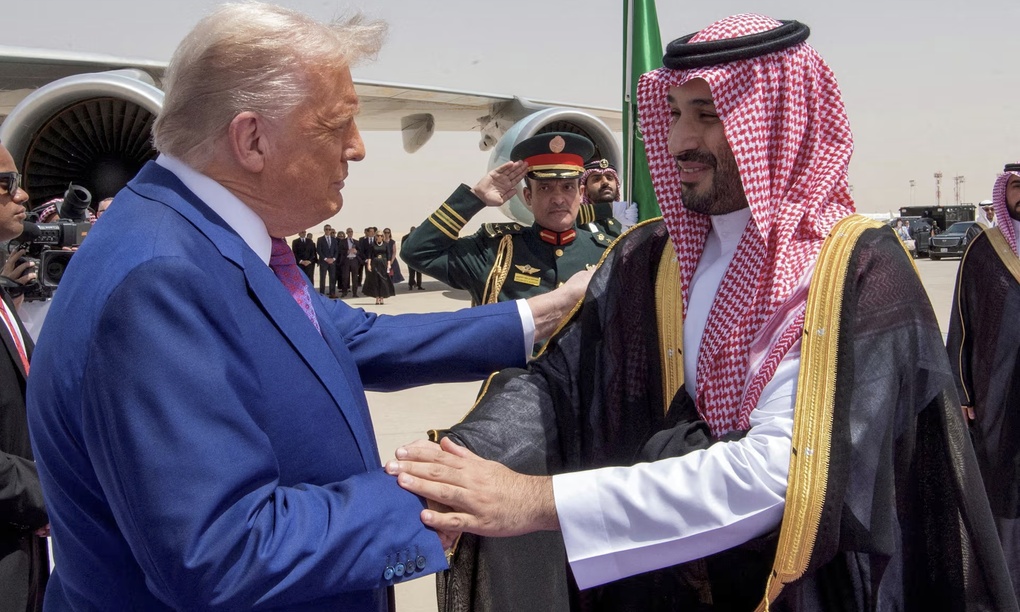
A Precedent for Proliferation?
The decision to grant Saudi Arabia the ability to enrich uranium has ignited fears of a cascading effect across the Middle East. Historically, the U.S. has been reluctant to permit such sensitive technologies to be transferred to nations in the region, primarily due to concerns about the potential for weapons development. The U.S. has consistently advocated for a policy of enrichment-free zones in the Middle East, urging nations to rely on the international market for enriched uranium.
However, the current administration’s stance appears to shift this long-standing policy. The rationale is that by engaging with Saudi Arabia constructively, the U.S. can ensure that any domestic enrichment activities are conducted under the strictest international oversight and adhere to the highest safety and security standards. The alternative, proponents argue, is that Saudi Arabia might pursue these capabilities independently, potentially with assistance from countries less committed to non-proliferation, such as Russia or China.
This "prevention through engagement" strategy is not without its detractors. Many experts believe that by transferring such sensitive technology, the U.S. is inadvertently lowering the barrier for other nations to pursue similar ambitions. This could lead to a scenario where multiple countries in the region develop enrichment capabilities, increasing the overall risk of nuclear proliferation.
The "Black Box" Approach and Transparency Concerns
A critical aspect of the U.S.-Saudi nuclear deal involves the concept of a "black box" approach to enrichment facilities. According to reports, this entails U.S. companies building and operating these facilities within Saudi Arabia, with the entire process being completely shielded from Saudi personnel. This level of security is intended to prevent any unauthorized access or interference, ensuring that the technology and materials remain under U.S. control.
Under this framework, the U.S. would retain exclusive operational authority over the enrichment facilities, and Saudi Arabia would not have the right to access, observe, or interfere with the enrichment process. This is designed to provide a high degree of assurance against diversion. However, critics argue that such a "black box" approach, while offering enhanced security, might also limit transparency and independent verification, which are crucial for building trust and confidence in the non-proliferation regime.
The effectiveness of this "black box" approach will ultimately depend on the robust implementation of oversight mechanisms and the willingness of both parties to uphold the terms of the agreement. The U.S. will need to ensure continuous monitoring and verification, while Saudi Arabia will need to demonstrate its commitment to peaceful nuclear energy development.
Saudi Arabia’s Ambitions and Regional Rivalries
Saudi Arabia’s pursuit of civilian nuclear technology is driven by a complex set of factors. Foremost among these is the Kingdom’s ambition to diversify its economy and reduce its dependence on oil revenues. Nuclear energy is seen as a clean and sustainable source of power that can complement its existing energy infrastructure. Furthermore, the development of a domestic nuclear program could enhance Saudi Arabia’s technological capabilities and its standing as a regional power.
The Kingdom’s nuclear aspirations are also deeply intertwined with the ongoing regional rivalry with Iran. Both countries have been engaged in a protracted struggle for influence in the Middle East, and Iran’s nuclear program has been a significant point of contention. Saudi Arabia, like many of its neighbors, views Iran’s nuclear advancements with deep concern and has sought to counter this perceived threat through various diplomatic and strategic means.
The U.S.-Saudi nuclear deal can be seen, in part, as a response to these regional dynamics. By providing Saudi Arabia with access to peaceful nuclear technology, the U.S. aims to bolster its ally’s strategic position and deter any potential aggressive actions by Iran. However, this approach also carries the risk of escalating the regional arms race, as other countries in the region may feel compelled to pursue similar nuclear capabilities to maintain a balance of power.
A Contentious Path Ahead
The U.S.-Saudi nuclear agreement represents a significant and potentially controversial development in global nuclear policy. While the Trump administration hails it as a triumph of diplomacy and a crucial step towards preventing nuclear proliferation, critics warn of the profound risks associated with empowering a regional power with such sensitive technology. The coming months will be a critical period for congressional review and public debate, as the world watches to see how this unprecedented agreement will shape the future of nuclear energy and non-proliferation in the Middle East and beyond. The delicate balance of power in the region, already precarious, could be further destabilized by this move, potentially ushering in a new era of nuclear competition.
Jonathan Panikoff, a former senior intelligence officer now at the Atlantic Council, highlighted the geopolitical calculus: "If not striking a deal with the U.S., Saudi Arabia would almost certainly turn to China or Russia, nations far less likely to impose the same stringent conditions." He acknowledged that "this does not mean the U.S.-Saudi deal is entirely risk-free." The ultimate success of this initiative will hinge on meticulous oversight, unwavering commitment to non-proliferation principles, and a careful calibration of regional security dynamics.