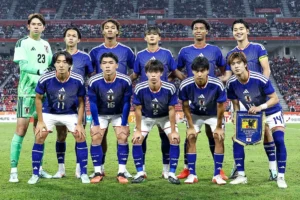
Coach Kim Sang Sik Navigates Dual Objectives for Vietnam Ahead of ASEAN Cup 2026: Crafting the Optimal Attack While Battling an Injury Crisis

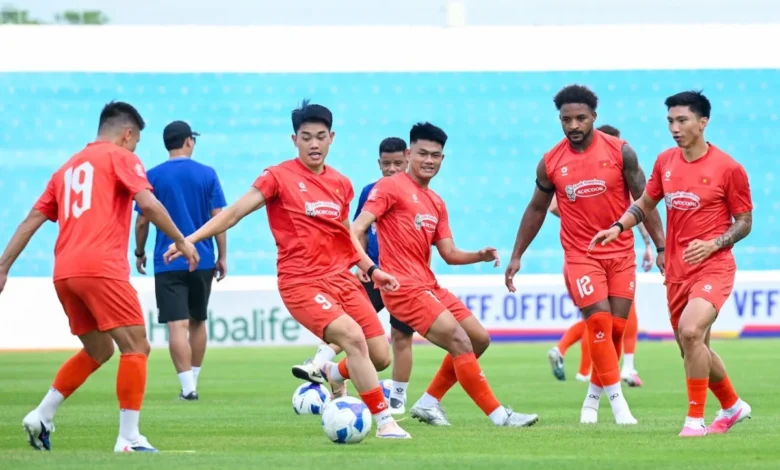
As the ASEAN Cup 2026 looms, the Vietnam national football team, under the guidance of South Korean head coach Kim Sang Sik, finds itself at a critical juncture, balancing the urgent need to finalize its attacking strategies with the imperative to safeguard its remaining squad from further injuries. What initially appeared to be a straightforward preparation phase, marked by four weeks of intensive training and three victories against Korean opponents, has evolved into a complex challenge, underscored by Coach Kim’s recent remarks indicating an ongoing search for the optimal attacking combination and a deep concern over player fitness.
The Quest for Attacking Synergy: A Coach’s Persistent Search
Superficially, the Vietnamese squad’s pre-tournament preparations might suggest that Coach Kim Sang Sik had already laid down the fundamental groundwork. The team has engaged in a rigorous four-week training regimen, including a successful stint in South Korea where they secured three wins against local clubs, seemingly cementing a core framework before the official tournament kick-off. However, a closer look at Coach Kim’s statements, particularly prior to the friendly match against Myanmar, reveals a more nuanced reality. When questioned about the team’s tactical setup, specifically the 3-4-3 formation and its offensive lineup, Coach Kim refrained from confirming a settled front three. Instead, he emphasized, "We are finding the best combination in each match." This detail is profoundly significant, signaling that despite extensive preparation, the crucial attacking blueprint remains a work in progress.
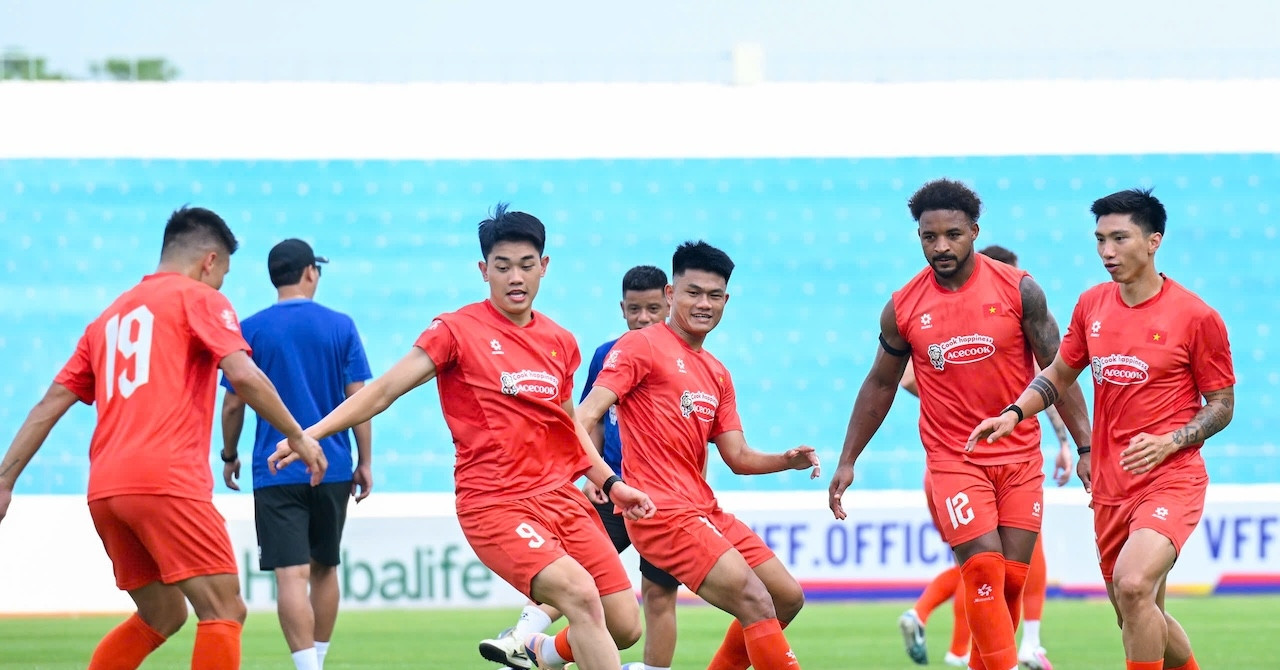
This ongoing experimentation is not without reason. The current Vietnamese attacking roster boasts an embarrassment of riches, presenting both an opportunity and a challenge for the coaching staff. Players like Xuân Son, reportedly in peak form, and Tài Lộc, a recent addition to the national setup, offer fresh impetus. Meanwhile, established stars such as Quang Hải and Hoàng Đức, alongside promising talents like Hai Long, Hoàng Hiến, and Đình Bắc, each bring distinct strengths to the table. For Coach Kim Sang Sik, the primary question is no longer merely who deserves a starting spot, but rather which combination of these diverse talents will yield the most effective and cohesive attacking unit against specific opponents. This strategic depth is a testament to the growth of Vietnamese football, providing Kim with multiple avenues to explore.
The rationale behind this continuous assessment explains why, throughout the training camp in South Korea, Coach Kim consistently rotated his personnel, testing various combinations and avoiding the premature solidification of a single attacking trio. The upcoming friendly against Myanmar is therefore far more than just a final tune-up; it represents a pivotal opportunity for Kim Sang Sik to fine-tune the "solution for the attack" before the high-stakes environment of the ASEAN Cup. It is a chance to observe how different partnerships gel under match conditions, how players react to varying tactical instructions, and ultimately, to gather the crucial data needed to make informed decisions about the starting XI for the tournament proper.
Navigating the Injury Minefield: A Looming Threat to Preparedness
Beyond the tactical intricacies of offensive play, Coach Kim Sang Sik has articulated another, equally pressing objective: preserving the physical integrity of his squad. In a recent press conference, the Korean tactician’s most frequently reiterated desire was a simple yet profound one: no more player injuries. This sentiment is far from an overly cautious stance; it reflects the stark reality currently confronting the Vietnamese national team.
The squad has already suffered significant blows, with key players like Duy Mạnh and Văn Khang, preceded by Lê Ngọc Bảo, forced to withdraw due to injuries. Duy Mạnh, a stalwart defender, brings experience and leadership to the backline, while Văn Khang, often a dynamic presence in midfield or on the wing, offers crucial versatility. Lê Ngọc Bảo’s absence further depletes defensive options. Each new casualty disrupts the intricate tactical plans and squad rotations that Coach Kim has painstakingly developed over weeks of training. The loss of these players not only reduces the depth of the squad but also forces the coaching staff to re-evaluate combinations and strategies, potentially undermining months of preparation. The psychological impact on the team, seeing teammates sidelined, can also be considerable, adding an extra layer of pressure.
The fragility of player fitness is a persistent challenge in modern football, especially in tournaments with demanding schedules like the ASEAN Cup. Players often arrive from club seasons with varying levels of fatigue and pre-existing niggles. The intensity of national team training, coupled with the pressure to perform, can exacerbate these issues. For a coach, managing player load, implementing effective recovery protocols, and making astute substitution decisions are as vital as tactical acumen. Kim’s concern is therefore not just about individual players, but about the systemic risk of further injuries derailing the entire campaign.
The Myanmar Friendly: A Crucial Balancing Act
The friendly encounter against Myanmar thus presents a complex strategic puzzle for Coach Kim Sang Sik. It is a match of dual imperatives, demanding a delicate balance between tactical experimentation and player protection. If Kim opts to deploy his strongest possible lineup in a final bid to solidify his preferred formations and attacking dynamics, he runs the inherent risk of collisions and potential injuries to key players, an outcome he explicitly wishes to avoid. Football is a contact sport, and even in a friendly, the intensity can lead to unforeseen incidents. Given the recent injury setbacks, this risk is amplified.
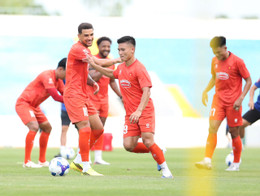
Conversely, should Coach Kim choose to field a more experimental or conservative lineup to minimize injury risk, he would sacrifice a valuable opportunity to rigorously assess the tactical options he is still contemplating. This could mean entering the ASEAN Cup with less clarity on optimal player combinations, particularly in the critical attacking third. Such a cautious approach, while safeguarding player health, might leave critical strategic questions unanswered, potentially undermining the team’s cohesion and effectiveness in competitive matches.
Therefore, this match transcends a mere win or loss. After four weeks dedicated to enhancing physical fitness, refining tactical schemes, and bolstering team psychology, the Vietnamese national team’s most critical need now is not necessarily another confidence-boosting victory. Instead, it is the imperative to conclude the preparatory phase with an intact squad, as close to full strength as possible. The match against Myanmar represents the final opportunity to bridge the gap between extensive preparation and the competitive reality of the ASEAN Cup, ensuring that the team’s meticulously built plans can be executed by the intended personnel.
Broader Context: Vietnam’s ASEAN Cup Ambitions
The ASEAN Cup, formerly known as the AFF Cup, holds immense significance for Vietnamese football. It is the premier regional tournament, a battleground where national pride and footballing supremacy in Southeast Asia are fiercely contested. Vietnam has a proud history in the competition, having lifted the trophy twice, in 2008 and 2018, and consistently reaching the latter stages. These triumphs have not only brought silverware but also ignited national fervor and showcased the rising talent within the country’s footballing ecosystem.
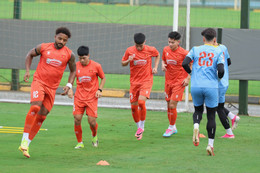
Under previous coaches, particularly Park Hang-seo, Vietnam experienced a golden era, marked by a disciplined defensive structure, rapid counter-attacks, and a strong collective spirit. Kim Sang Sik, stepping into these significant shoes, carries the weight of high expectations. His appointment signaled a desire to build upon past successes while potentially injecting new tactical philosophies and a fresh approach. The ASEAN Cup 2026 will be his first major test, a barometer of his ability to adapt his South Korean coaching pedigree to the unique characteristics of Vietnamese players and Southeast Asian football.
The V.League, Vietnam’s top professional league, plays a crucial role in developing the talent that feeds the national team. The presence of players like Xuân Son, Tài Lộc, Quang Hải, and Hoàng Đức, who have honed their skills in the domestic league, underscores the growing quality of local football. However, the domestic season’s demands also contribute to the fatigue and injury risks that Coach Kim is currently managing. The support of the Vietnamese football federation (VFF) and the fervent passion of the fans, as evidenced by sold-out tickets for the Myanmar friendly in Thái Nguyên, create an atmosphere of intense scrutiny and expectation around the national team. The schedule for Vietnam’s ASEAN Cup 2026 matches is already a focal point for fans, highlighting the anticipation surrounding the tournament.
Conclusion: The Path to Confidence
In essence, the friendly match against Myanmar will be 90 minutes of particular significance for Coach Kim Sang Sik. He must simultaneously strive to unearth the remaining answers regarding his attacking combinations while meticulously preserving the squad he has diligently assembled. Only by successfully navigating these twin objectives – achieving a final tactical clarity without incurring further personnel losses – can the Vietnam national team approach the ASEAN Cup 2026 with the highest degree of confidence, ready to compete for regional glory. The stakes are high, and Kim’s ability to balance these critical priorities will largely determine Vietnam’s fortunes in the upcoming tournament.