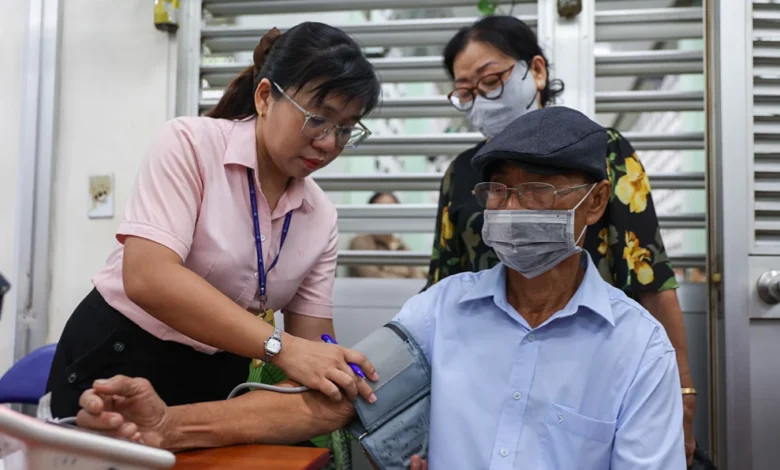
The global demographic shift toward an aging population has precipitated a silent but formidable crisis in cardiovascular healthcare: the rising prevalence of structural heart disease. As the proportion of elderly individuals increases, healthcare systems worldwide are grappling with the complex medical needs of patients suffering from age-related valve degeneration, structural abnormalities, and multifaceted comorbidities. This burgeoning challenge was the focal point of the 12th National Conference on Interventional Cardiology, held on November 7-8, which convened nearly 1,500 domestic and international medical experts to deliberate on the future of minimally invasive cardiac interventions.
The Anatomy of the Crisis
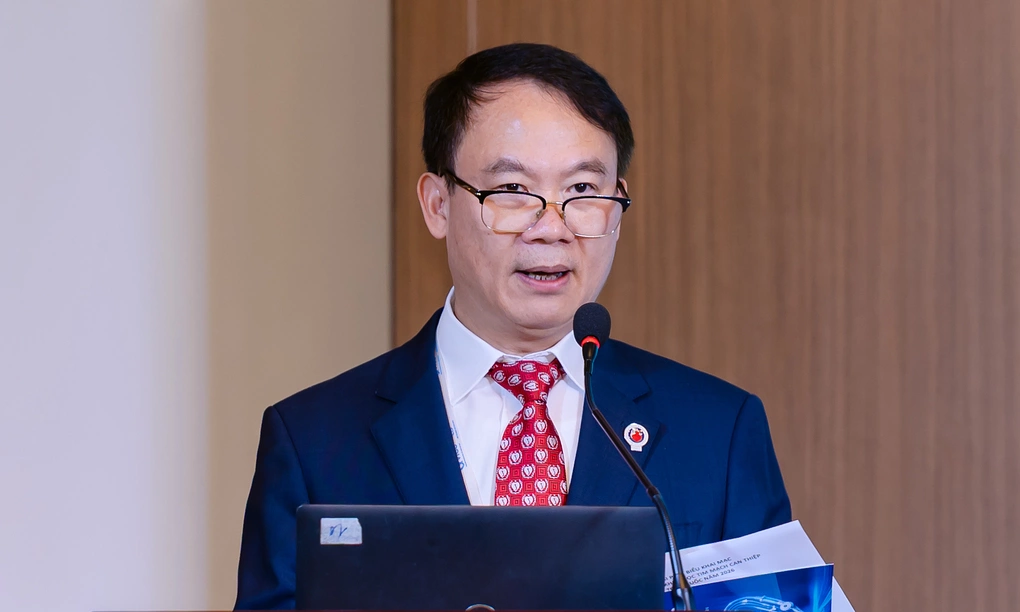
Structural heart disease encompasses a spectrum of conditions where the heart’s physical architecture—its valves, walls, and internal chambers—undergoes degenerative changes. Professor Pham Manh Hung, President of the Vietnam Interventional Cardiology Association, characterizes the heart as a sophisticated, high-pressure pump. In a healthy state, the valves act as precise mechanical gates, ensuring unidirectional blood flow. When these valves suffer from stenosis (narrowing) or regurgitation (leaking), the heart’s workload increases exponentially. Over time, this mechanical inefficiency leads to chamber dilation, heart failure, and severe secondary cardiovascular complications.
The urgency of this issue is underscored by national health projections. According to data from the Ministry of Health, Vietnam’s population aged 60 and older is expected to reach 18 million by 2030, a significant jump from 2024 levels. This demographic is not only the most susceptible to structural heart diseases but also typically presents with complex "background" illnesses—such as diabetes, chronic kidney disease, or hypertension—that complicate traditional surgical interventions.
A Chronology of Innovation: From Open-Heart to Minimally Invasive
For decades, open-heart surgery was the gold standard for treating severe valvular disease. However, for many elderly patients, the physical trauma of a sternotomy—opening the chest cavity—posed risks that outweighed the potential benefits. The paradigm shift began in 2002, when Dr. Alain Cribier and his colleagues performed the first successful Transcatheter Aortic Valve Implantation (TAVI/TAVR).
This breakthrough allowed cardiologists to replace or repair damaged valves through a catheter inserted into a blood vessel, bypassing the need for invasive chest surgery. Since that landmark procedure, TAVI has evolved from a "last resort" for inoperable patients into a widely accepted, standard-of-care procedure. By 2025, global data indicated that nearly three million patients across more than 80 countries have undergone TAVI, with approximately 300,000 new procedures performed annually. This transition marks a critical turning point in geriatric cardiology, significantly reducing recovery times and post-operative complications for vulnerable patients.
Current Landscape in Vietnam
Vietnam’s journey in structural heart intervention began with foundational techniques, such as balloon mitral valvuloplasty and the correction of congenital heart defects via catheterization. Over the past three decades, the country has made remarkable strides, now boasting over 140 cardiovascular intervention centers. While these centers collectively handle roughly 70,000 coronary artery interventions annually, the specific sub-field of structural heart disease is experiencing a more targeted expansion.
Currently, approximately 30 specialized centers across the country have integrated structural heart techniques into their clinical practice. Of these, 20 centers are equipped to perform TAVI, with a collective output of approximately 250 cases per year. Furthermore, leading institutions have mastered complex procedures such as transcatheter mitral valve repair, pulmonary valve replacement, and left atrial appendage closure—the latter being a vital step in stroke prevention for patients with atrial fibrillation.
Data-Driven Insights and Clinical Reality
While comprehensive national epidemiological data remains under development, expert estimates provide a sobering picture of the domestic disease burden. Professor Hung indicates that approximately 500,000 individuals over the age of 60 in Vietnam suffer from varying degrees of aortic valve disease. Of this population, it is estimated that between 100,000 and 200,000 individuals are currently living with moderate-to-severe aortic stenosis.
These figures represent a significant public health burden. Left untreated, severe aortic stenosis can lead to a rapid decline in quality of life and premature mortality. The challenge, therefore, lies not only in the technical proficiency of the physicians but in the systemic ability to identify and treat these patients before they reach the terminal stages of heart failure.
Implications and Future Directions
The rise of structural heart disease presents a multi-dimensional challenge that extends beyond the operating theater. The experts at the 12th National Conference identified four primary pillars that must be addressed to effectively manage this growing crisis:
1. Early Detection and Screening:
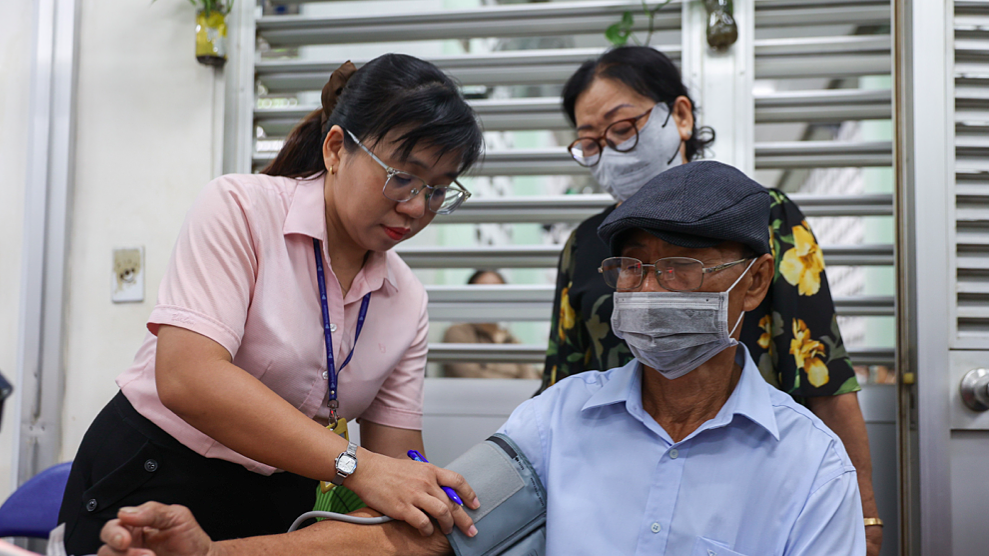
Many structural heart conditions develop insidiously. By the time symptoms such as shortness of breath or fainting occur, the damage to the heart muscle may be irreversible. Implementing robust screening protocols for the elderly population is essential for early diagnosis and timely intervention.
2. Economic and Technological Accessibility:
Advanced devices used in TAVI and other structural interventions are often prohibitively expensive. Ensuring equitable access to these technologies requires innovative financial models, including the expansion of health insurance coverage and the localized manufacturing or sourcing of medical components.
3. Workforce Specialization:
There is a distinct disparity in the availability of highly skilled interventional cardiologists between major urban hubs and provincial hospitals. Building a cohesive network of centers of excellence, supported by rigorous, standardized training programs, is critical to ensuring that the quality of care remains consistent across the country.
4. Longitudinal Patient Management:
Structural heart intervention is not merely a "one-off" event. It requires a lifetime of follow-up care to monitor device performance and manage the patient’s overall cardiovascular health. Establishing a standardized registry and long-term surveillance system will be vital for tracking treatment outcomes and refining procedural techniques.
A Collaborative Future
The consensus among the participants at the conference was clear: the future of cardiovascular medicine in a rapidly aging society lies in the integration of specialized disciplines. The era of the "siloed" approach is coming to an end. Modern heart care requires a "Heart Team" model, where interventional cardiologists, cardiac surgeons, imaging specialists, and geriatricians collaborate to create personalized treatment pathways.
As Vietnam continues to modernize its healthcare infrastructure, the focus must shift from reactive, emergency-based care to proactive, long-term management of chronic cardiovascular conditions. The success of structural heart programs will ultimately be measured by the ability of the healthcare system to provide sustainable, high-quality, and minimally invasive options to an aging population, ensuring that the extra years of life gained through medical advancement are also years of health and vitality.
In conclusion, while the burden of structural heart disease is significant, the rapid adoption of minimally invasive techniques offers a beacon of hope. By aligning medical training, technological resources, and public health policy, the cardiovascular community in Vietnam is positioning itself to address one of the most pressing health challenges of the 21st century. The path forward is complex, requiring both scientific rigor and administrative foresight, but the potential to save and improve the lives of hundreds of thousands of elderly patients makes this mission an absolute national priority.
Related posts: