On November 4, 2026, a high-profile incident involving a Jaecoo J5 electric SUV has once again cast a shadow over the reputation of Chery Group’s export models. The vehicle, a black unit of the popular Jaecoo J5 EV, suffered a catastrophic failure of its front-right suspension assembly while in motion, leading to the wheel detaching from the vehicle chassis. This event, which occurred in the heart of the Indonesian capital, Jakarta, has reignited intense public debate and scrutiny regarding the structural integrity and quality control standards of Chinese automotive manufacturers expanding into Southeast Asian markets.
Chronology of the Incident
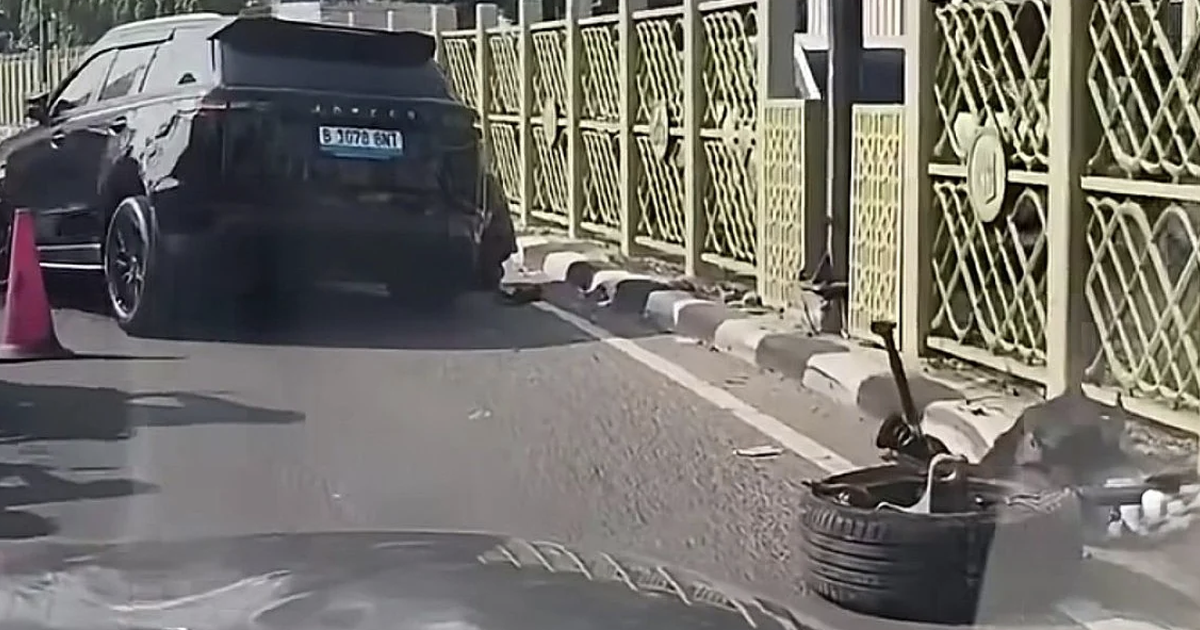
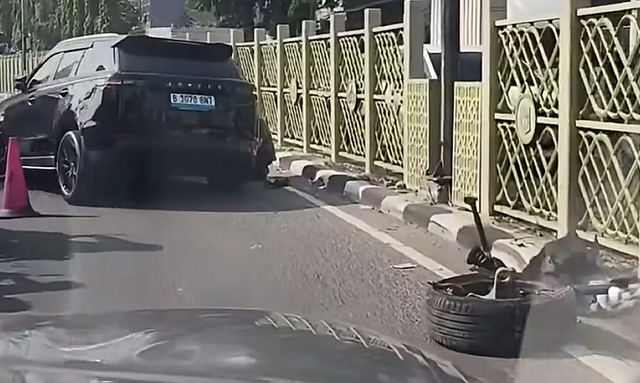
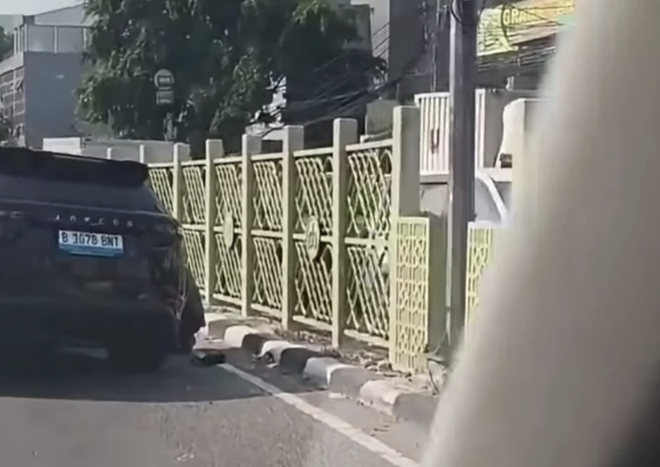
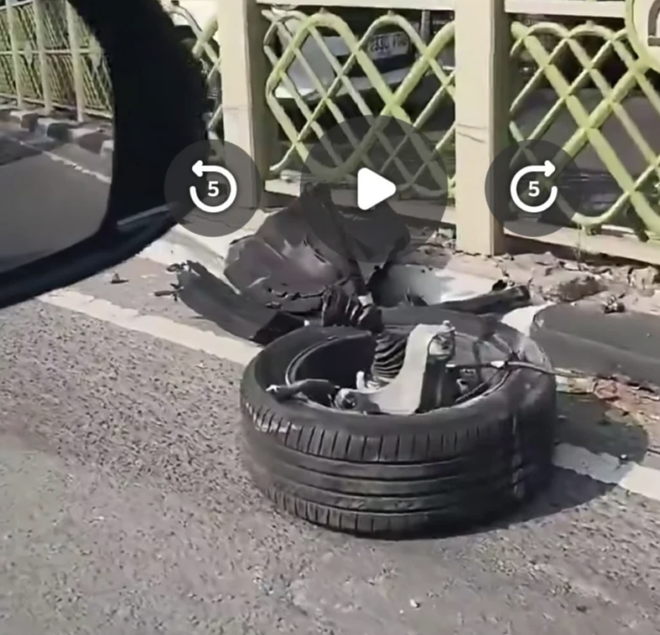
The incident took place at approximately 8:20 AM on November 4, 2026, on Jalan Mas Mansyur in the Karet Tengsin area of Tanah Abang, Central Jakarta. Eyewitness accounts and viral social media footage depict the Jaecoo J5 stranded on the roadside, with the front-right wheel and surrounding suspension components completely severed from the vehicle’s axle. The vehicle was reportedly in motion when the failure occurred, causing it to strike the curb and sustain further damage to its undercarriage and body panels.
Initial reports from the scene were ambiguous, with some early social media commentary suggesting that the rear wheel had detached. However, after an inspection of the wreckage and subsequent clarification from the manufacturer, it was confirmed that the failure originated at the front-right corner of the vehicle. The debris left on the road included critical suspension linkages and portions of the wheel assembly, illustrating the severity of the mechanical failure.
Official Response from Jaecoo Indonesia
In the immediate aftermath of the event, Jaecoo Indonesia’s technical team initiated a site visit and contacted the owner to retrieve the vehicle for a comprehensive forensic investigation. The company issued a formal statement shortly thereafter, asserting that the detachment was not an isolated mechanical defect but rather the result of a prior collision.
According to the official investigation report provided by Jaecoo Indonesia, the vehicle struck the road curb and a concrete barrier prior to the wheel assembly failure. The company emphasized that the damage to the vehicle’s exterior—including the front bumper, mudguards, and the front passenger-side door—was consistent with a high-impact collision. Consequently, the manufacturer has declined to classify this incident as a manufacturing defect or a structural design flaw, instead attributing the failure to the physical trauma caused by the impact.
Despite this official stance, the company has pledged to assist the owner with repairs and provide the necessary replacement parts, maintaining a commitment to customer support even while distancing the brand from allegations of systemic engineering failures.
The Context of Scrutiny: The Omoda 5 Precedent
This incident is particularly sensitive for the Chery Group, as it arrives at a time when the parent company is already under intense regulatory oversight following a series of similar mechanical failures involving the Omoda 5 model.
In October 2026, the Omoda 5 became the center of a major controversy in Malaysia when reports of rear axle failure surfaced. The Malaysian Road Transport Department (JPJ) took the unprecedented step of temporarily suspending the Vehicle Type Approval (VTA) for the Omoda 5 on October 11, 2026. This administrative move effectively halted the registration of new vehicles, allowing regulators to conduct a deeper investigation into the safety of the platform.
The fallout was significant. Chery Malaysia was forced to announce a massive recall affecting 8,878 units of the Omoda 5 (specifically the C and H variants). The company confirmed that affected vehicles would undergo mandatory inspections and, where necessary, the replacement of potentially faulty components. The scale of this recall underscored the severity of the situation, leading to a rare public apology from Chery Group Chairman Yin Tongyue. During an industry event on October 21, 2026, Chairman Yin personally addressed the concerns, extending an apology to the Malaysian Ministry of Investment, Trade, and Industry (MITI) regarding the quality control lapses.
Market Impact and Consumer Confidence
The J5 incident in Jakarta serves as a reminder of the challenges faced by emerging EV manufacturers as they scale their global footprint. Indonesia has become a crucial market for the Jaecoo brand; as of September 1, 2026, the cumulative sales of the J5 SUV in Indonesia had reached 26,635 units, positioning it as one of the most commercially successful electric SUVs in the region.
However, the rapid adoption of these vehicles is now being met with a more cautious consumer base. Automotive analysts note that the comparison between the J5 incident and the Omoda 5 recall is inevitable, regardless of the manufacturer’s findings. For global brands, the "brand halo" is fragile; one incident in a major urban center like Jakarta can trigger a chain reaction of skepticism that affects sales performance across the entire region.
Engineering Implications and Quality Assurance
From an engineering perspective, the recurring nature of suspension-related reports in these models has prompted calls for greater transparency in the supply chain. While modern EVs are complex, the suspension system remains a fundamental component that must withstand the specific stresses of regional driving conditions, including uneven road surfaces and high humidity.
Critics argue that if these incidents are indeed related to collisions, the manufacturers must demonstrate that their chassis design is sufficiently robust to handle common road hazards without resulting in a total detachment of the wheel assembly. For Chery, the challenge lies in proving that these are isolated accidents rather than a symptom of cost-cutting or inadequate material testing for international markets.
Looking Ahead
The Indonesian authorities have yet to issue a definitive ruling on whether the Jaecoo J5 incident warrants a broader, national-level investigation similar to the action taken by the Malaysian JPJ. However, the incident has undoubtedly raised the profile of the brand’s quality assurance processes.
For the automotive industry, this scenario highlights a critical juncture for Chinese manufacturers. As they move away from being viewed solely as budget-friendly alternatives to becoming mainstream global competitors, the tolerance for mechanical failure decreases. The ability to manage these crises—through rapid, transparent, and verified technical communication—will determine whether these brands can maintain their market share in Southeast Asia or whether they will face a long-term erosion of consumer trust.
As the industry moves into the final quarter of 2026, all eyes remain on how Chery and its subsidiary, Jaecoo, will reconcile these individual incidents with their broader ambitions for international expansion. For now, the technical teams in Jakarta are working to restore the vehicle, while the market awaits further updates from the manufacturer to ensure that the road safety of the J5 remains within expected industry standards.