In Vietnam, where the Tank 300 has already made its official debut, the arrival of this facelifted version is a subject of significant anticipation. However, the timeline for its domestic introduction remains contingent on regional manufacturing logistics. Representatives from GWM have indicated that the transition to the 2026 facelift depends largely on the production schedule of the GWM assembly plant in Rayong, Thailand. As the primary production hub for Southeast Asian markets, the Thai facility must first complete its transition to the new tooling and assembly lines required for the updated model. If the factory successfully shifts to the facelifted version before the next major shipment to Vietnam, local consumers may receive the 2026 upgrades sooner than initially projected.

Evolution of a Rugged Icon: Subtle Exterior Refinements
The 2026 Tank 300 facelift maintains the "box-on-wheels" silhouette that has drawn comparisons to legendary off-roaders like the Jeep Wrangler and the Mercedes-Benz G-Class. GWM designers have opted for an evolutionary rather than revolutionary approach to the exterior, ensuring that the vehicle’s identity remains intact while modernizing key touchpoints.
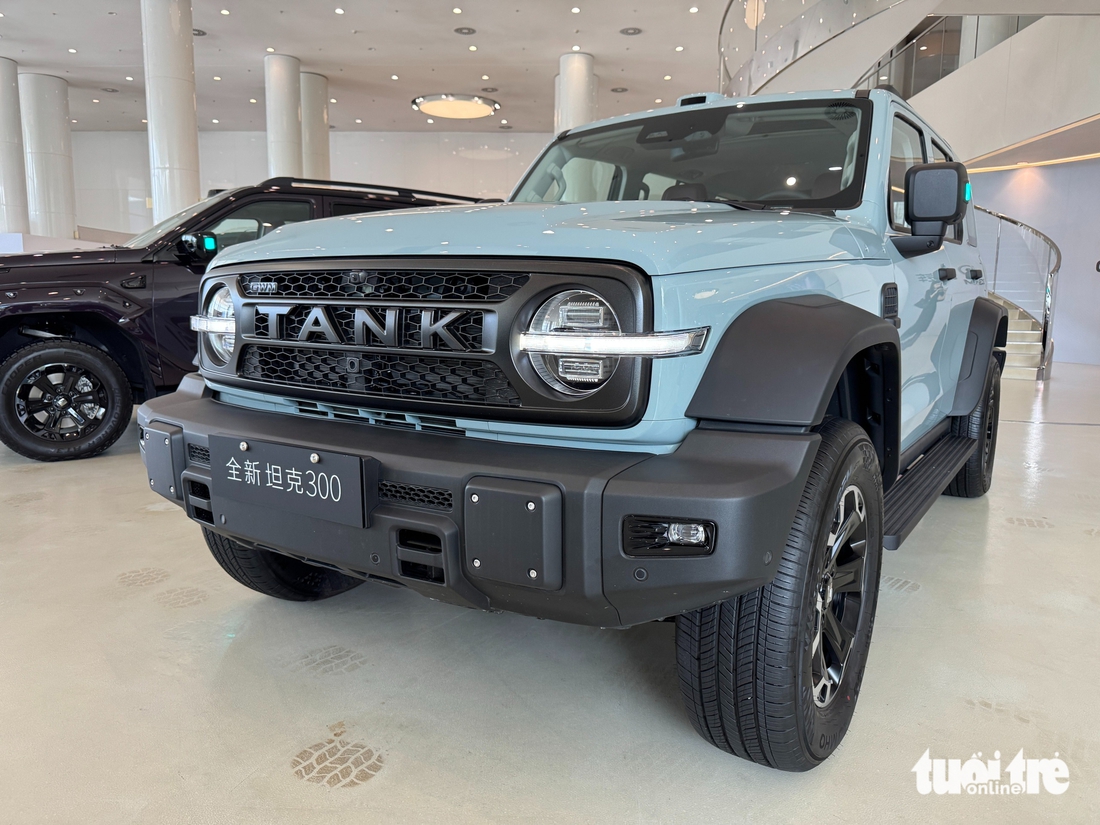
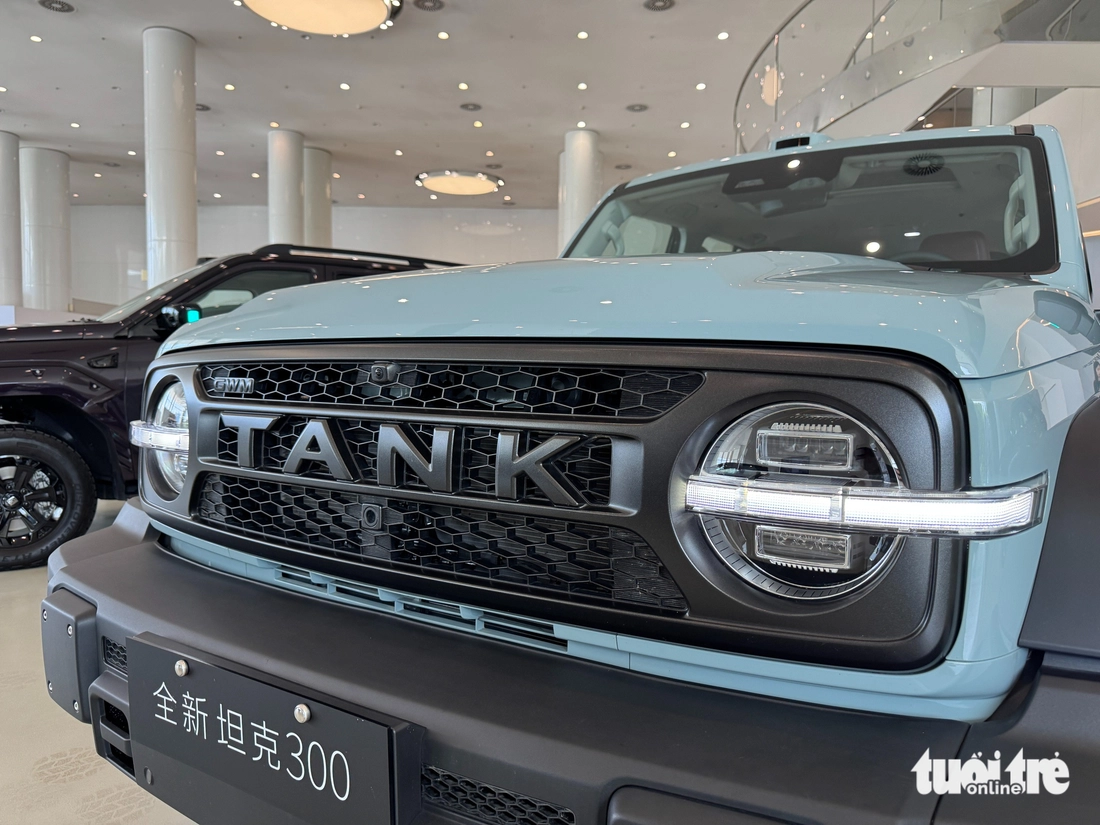
The most prominent change is found at the front fascia. The previous horizontal-slat grille has been replaced by a more aggressive honeycomb mesh design. Emblazoned across the center is a large, bold "TANK" wordmark, replacing the traditional logo found on earlier iterations. This branding shift emphasizes the sub-brand’s growing autonomy within the GWM portfolio. Flanking the new grille are the signature circular LED headlights, which retain their classic horizontal "slash" daytime running lights, a feature that has become a hallmark of the Tank 300’s visual DNA.

Functional upgrades accompany the aesthetic changes. The front bumper has been redesigned with more durable plastic cladding and visible faux-bolt accents, enhancing the vehicle’s "tough" persona. Furthermore, GWM has optimized the bumper’s shape to improve the approach angle, a critical metric for off-road enthusiasts. The A-pillars now come pre-configured with mounting points for accessories, such as snorkels or auxiliary lighting, catering to the growing "overlanding" community that seeks modularity in their vehicles.
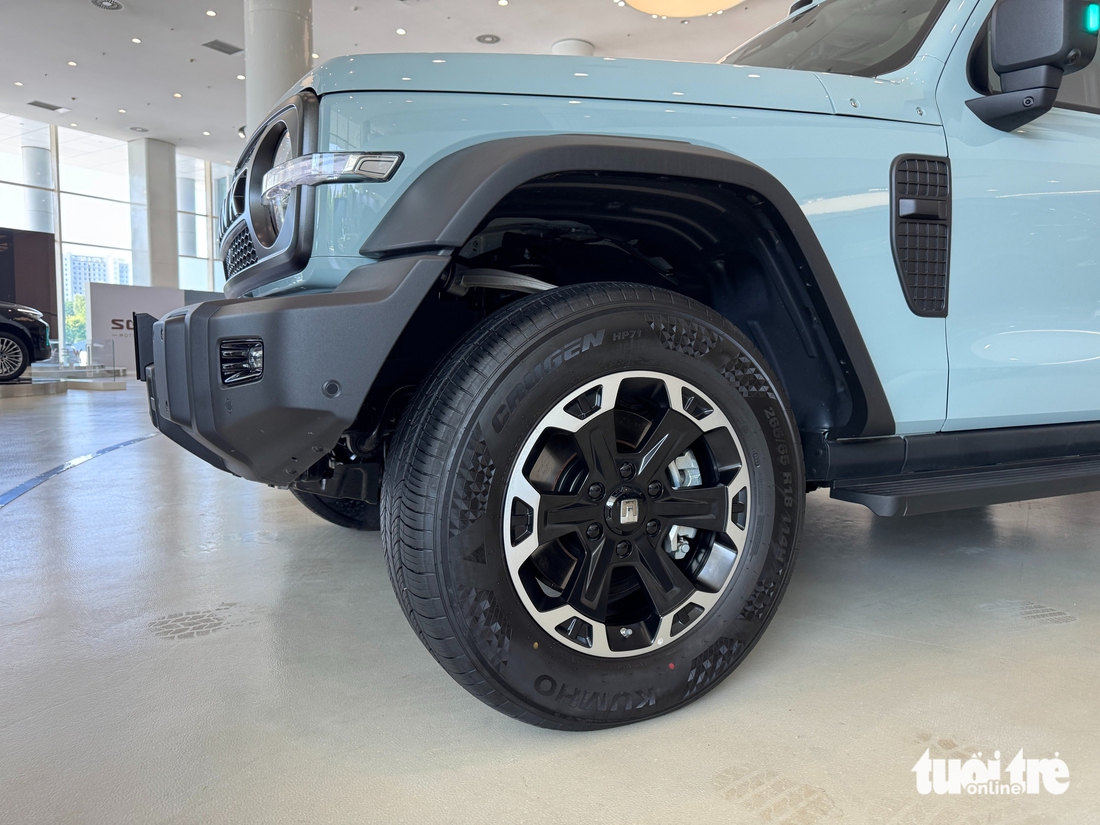
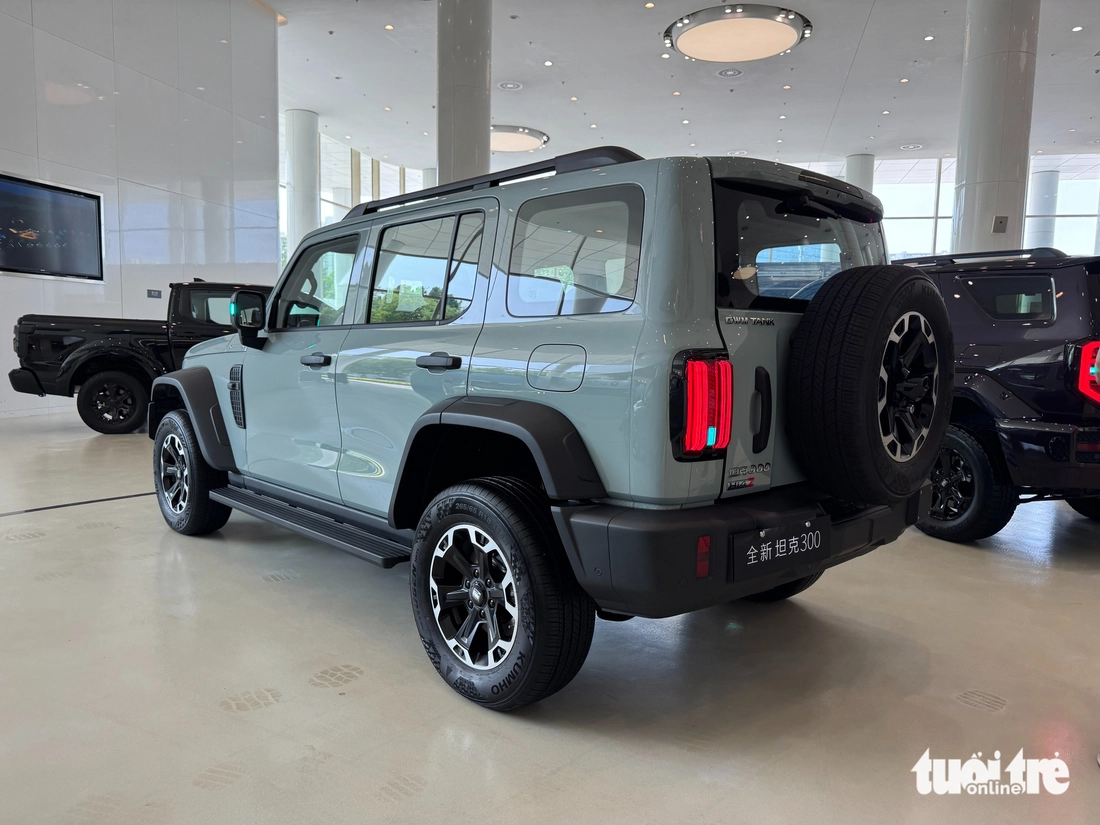
At the rear, the Tank 300 facelift continues to feature a side-hinged tailgate with a full-sized spare tire mounted externally. The flared wheel arches and high ground clearance remain, supported by 18-inch alloy wheels wrapped in 265/65 R18 Kumho tires. These specifications ensure that the vehicle remains as capable on rocky trails as it is imposing on city streets.
A Technological Revolution: The New Digital Cockpit
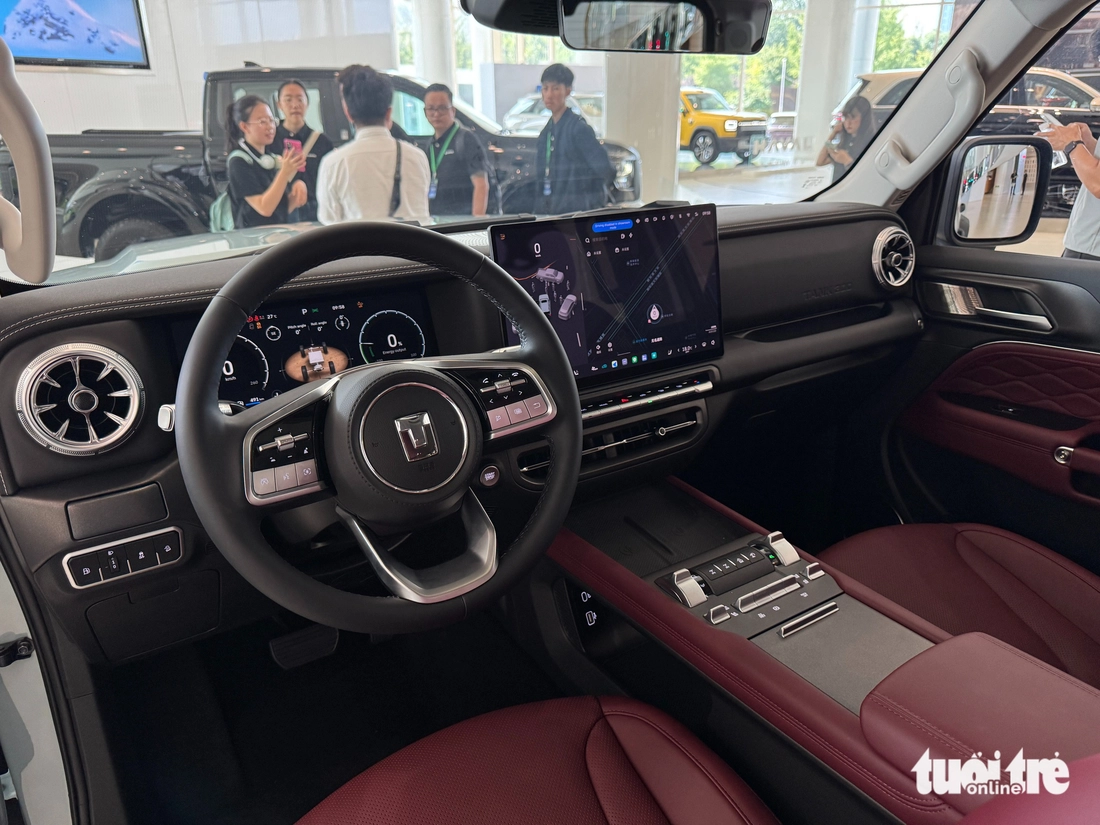
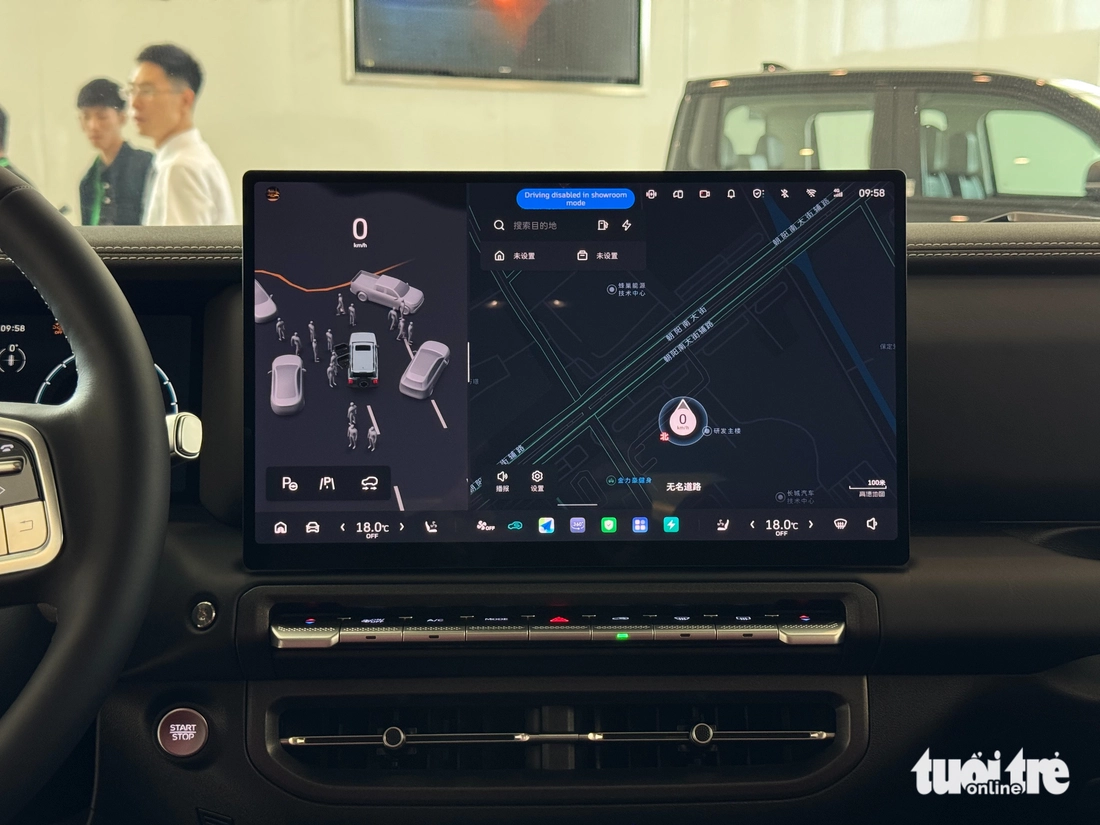
While the exterior changes are modest, the interior of the 2026 Tank 300 has been completely reimagined. The previous dual 12.3-inch integrated screen setup has been discarded in favor of a more modern, driver-centric layout. The centerpiece of the new cabin is a massive 15.6-inch floating central touchscreen. This high-resolution display serves as the nerve center for the vehicle’s infotainment and climate controls, powered by GWM’s latest Coffee OS 3 operating system.
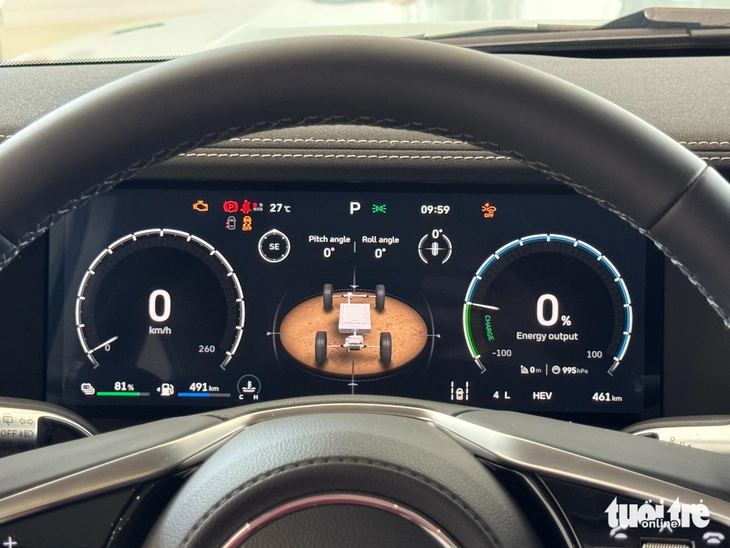
The Coffee OS 3 represents a significant leap in processing power and user interface design. It supports advanced voice recognition capable of understanding complex commands, integrated satellite navigation with real-time traffic data, and seamless smartphone connectivity. Behind the steering wheel, a new 12.3-inch digital instrument cluster provides a dedicated interface for off-road data. Drivers can now monitor real-time pitch and roll angles, tire pressure, drivetrain status, and the energy flow of the hybrid system through high-fidelity graphics.
Despite the trend toward total digitization, GWM has listened to consumer feedback by retaining a row of physical tactile buttons below the central screen. These buttons provide quick access to essential functions such as air conditioning and frequently used off-road modes, ensuring ease of use while wearing gloves or navigating bumpy terrain. The center console has also been refreshed, featuring a more compact electronic gear selector and redesigned rotary dials for the four-wheel-drive system and terrain response modes.
Passenger comfort has not been overlooked. The facelifted model showcased at recent exhibitions features a premium two-tone black and red leather interior. Rear-seat passengers benefit from dedicated air vents, USB Type-A and Type-C charging ports, and the addition of heated seating—a luxury feature rarely found in this segment.
Diversified Powertrains: The Rise of the Hi4-Z Hybrid
The most significant mechanical update for the 2026 model year is the expansion of the powertrain lineup. GWM is introducing the Hi4-Z plug-in hybrid (PHEV) system, a technology designed to bridge the gap between traditional internal combustion engines and full electrification.
The Tank 300 Hi4-Z is equipped with a substantial 60kWh battery pack, an exceptionally large capacity for a PHEV. This allows the vehicle to achieve a pure electric driving range of approximately 200 kilometers (124 miles) under the WLTC testing cycle. For urban commuters in Vietnam, this means the Tank 300 could theoretically operate as a full electric vehicle for daily trips, utilizing the internal combustion engine only for weekend excursions or long-distance travel.
In addition to the Hi4-Z, GWM continues to offer the Hi4-T hybrid system and the traditional 2.0-liter turbocharged gasoline engine. For those seeking maximum performance, a 3.0-liter V6 turbocharged engine remains available in select high-end trims. Notably, the hybrid versions will now feature LiDAR sensors integrated into the roofline, supporting a new generation of Advanced Driver Assistance Systems (ADAS). This inclusion suggests that GWM is aiming for Level 2+ or even Level 3 autonomous driving capabilities in highway environments.
Strategic Importance for the Vietnamese Market
The introduction of a diesel variant is perhaps the most critical development for the Vietnamese market. GWM representatives confirmed that they are preparing to bring a 2.4-liter turbocharged diesel version of the Tank 300 to Vietnam. This move is a direct response to local consumer preferences, where diesel engines are favored for their high torque output and superior fuel economy in heavy-duty SUV applications.
In Vietnam, the body-on-frame SUV segment is currently dominated by the Ford Everest and Toyota Fortuner. These models have maintained their market leadership largely due to their robust diesel engines. By offering a diesel Tank 300, GWM is positioning itself to compete directly with these established players. The 2.4-liter diesel engine is expected to provide the low-end grunt necessary for towing and serious off-roading, while offering a lower operating cost compared to the 2.0-liter gasoline turbo.
Furthermore, GWM is considering a similar diesel strategy for the larger Tank 500, a premium SUV that aims to challenge the Toyota Land Cruiser Prado. The dual-threat of the Tank 300 and Tank 500, both equipped with diesel and hybrid options, signals GWM’s intent to move from a niche player to a mainstream contender in the Vietnamese automotive landscape.
Market Analysis and Future Outlook
The 2026 Tank 300 facelift arrives at a time when the "lifestyle SUV" market is experiencing a global surge. Consumers are increasingly seeking vehicles that combine daily driveability with genuine weekend adventure capability. The Tank 300 has successfully tapped into this trend, offering a level of off-road hardware—such as triple locking differentials and a crawl control system—that was previously only available in much more expensive vehicles.
In Vietnam, GWM’s success will depend on three key factors: pricing, infrastructure, and brand trust. While the 2026 facelift brings significant value in terms of technology and efficiency, it must remain competitively priced against the Ford Everest, which currently sets the benchmark for value in the segment. The introduction of the Hi4-Z hybrid also presents an opportunity, as Vietnam’s charging infrastructure continues to expand, though the large battery size of the Hi4-Z will require buyers to have reliable access to home or public charging to fully realize its benefits.
From a broader perspective, the Tank 300 facelift is a testament to the rapid pace of innovation within the Chinese automotive industry. In just a few years, the Tank brand has evolved from a single-model experiment into a comprehensive lineup of sophisticated, tech-heavy off-roaders.
As the Rayong plant in Thailand gears up for production, the Vietnamese market stands at a crossroads. The arrival of the 2026 Tank 300 facelift, with its massive 15.6-inch screen, advanced hybrid systems, and the crucial diesel engine option, could represent the most serious challenge yet to the long-standing hegemony of American and Japanese SUVs in Southeast Asia. Whether it can convert its impressive specifications into sustained sales remains to be seen, but the 2026 updates provide GWM with the strongest possible toolkit to win over the hearts and minds of Vietnamese adventurers.