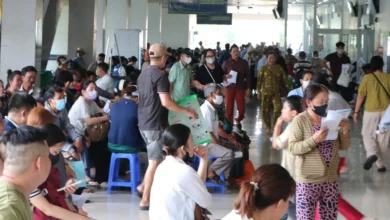
The Vietnamese healthcare landscape is poised for a significant transformation as the Ministry of Health (MoH) has unveiled a proposal to adjust the health insurance contribution rates. This policy, currently in draft form, seeks to move from the current 4.5% rate to 5.1% by 2027, with further incremental increases to 5.4% and eventually 6% in the following years. While the primary objective is to ensure the long-term solvency of the national Health Insurance Fund (HIF), the proposal has sparked a nuanced debate regarding the balance between financial sustainability and the quality of care provided to citizens.
The Proposed Trajectory of Contribution Rates
Under the current regulatory framework, health insurance premiums are calculated based on a percentage of an employee’s monthly salary, with employers contributing two-thirds and employees covering the remaining third. The current rate of 4.5% has been the standard for several years. The proposed roadmap suggests that starting April 1, 2027, the rate will rise to 5.1%.
For an employee earning a base salary of 10 million VND per month, the current combined contribution is 450,000 VND (150,000 VND from the employee and 300,000 VND from the employer). Under the new 5.1% proposal, this would rise to 510,000 VND, resulting in an additional 20,000 VND monthly burden for the worker and 40,000 VND for the enterprise. While these individual increments appear modest, the macroeconomic impact of millions of contributors paying these higher premiums represents a substantial injection of capital into the national health fund. For family-based health insurance, similar adjustments are anticipated to take effect on January 1, 2028, ensuring that the burden is distributed across various segments of the population.
Financial Solvency and Healthcare Demand
The primary driver behind this policy shift is the escalating demand for healthcare services in Vietnam. In 2024, the country recorded approximately 183.6 million medical visits covered by health insurance, an increase of 9.7 million compared to the previous year. The total expenditure for these services reached nearly 140 trillion VND, reflecting a 15% year-on-year rise.
This surge in demand is attributed to an aging population, the rising prevalence of chronic diseases, and better access to medical facilities. However, with the current contribution rates, the Health Insurance Fund is under pressure to maintain high-quality coverage. Officials from the Ministry of Health argue that without a periodic adjustment to the contribution ceiling, the fund risks becoming unable to meet its obligations, particularly for expensive, long-term treatments such as dialysis, cancer therapy, and complex surgical procedures.
Expanding the Scope of Coverage: A Quid Pro Quo
The Ministry of Health’s proposal is not merely a request for more funding; it is paired with a strategic expansion of the benefits package. Recognizing that the current system is heavily focused on reactive treatment, the new draft aims to shift the focus toward preventative care.
The proposed benefits expansion includes coverage for regular health screenings and early diagnostic testing for seven major types of cancer, including cervical, breast, lung, prostate, colorectal, stomach, and liver cancers, as well as Hepatitis B and C screenings. By subsidizing these early detection services, the government hopes to reduce the long-term cost burden on the fund, as treating late-stage chronic diseases is significantly more expensive than early-stage intervention.
This pivot toward "wellness-based" insurance is intended to provide tangible value to the millions of contributors who currently pay into the system but rarely utilize its services. For these individuals, the prospect of an increased contribution rate is only palatable if it correlates with a broader, more preventative range of health benefits.
The Reality of Patient Out-of-Pocket Costs
Despite the protection offered by the Health Insurance Fund, the reality for many patients remains challenging. In Vietnam, patients are still responsible for over 40% of their total healthcare expenditure. This "out-of-pocket" cost is a major hurdle for low-income households and those managing chronic conditions.

Take the case of patients undergoing chronic dialysis, such as those suffering from end-stage renal failure. A standard dialysis session can cost between 700,000 and 2,000,000 VND. While the insurance fund covers a portion of this, the cumulative monthly costs—including medication, lab tests, and out-of-network supplies—can reach between 2.5 and 12 million VND. For families in this situation, the debate is not just about the percentage of the insurance increase; it is about whether the insurance will actually reduce their "co-payment" burden.
The Ministry of Health acknowledges this, noting that the goal of the current proposal is to eventually move toward universal, near-zero cost care for essential services. However, they emphasize that this is a multi-year journey that requires a robust and well-funded insurance pool.
Perspectives from Stakeholders
The proposal has prompted a wide range of responses from the public, industry experts, and labor unions.
- The Labor Force: For the average employee, the focus is on the direct impact on their disposable income. While there is a general consensus that healthcare needs to be improved, workers are calling for more transparency regarding how the additional funds will be utilized to improve hospital services, reduce wait times, and enhance the availability of modern medical equipment.
- The Business Sector: Enterprises are concerned about the cumulative effect of rising social insurance and health insurance contributions on their operational costs. They argue that any increase in labor costs must be accompanied by a corresponding increase in worker productivity or government support to remain competitive.
- Medical Professionals: Physicians and hospital administrators have largely welcomed the proposal. They point out that the current funding model often forces hospitals to prioritize volume over quality to keep the lights on. Increased funding could potentially allow for better staffing, more modern diagnostic tools, and improved patient outcomes.
Analysis of Implications
The shift toward a 5.1% contribution rate represents a critical juncture for Vietnam’s social security system. If successfully implemented, the policy could stabilize the financial outlook of the Health Insurance Fund for the next decade.
However, the success of this initiative hinges on the government’s ability to demonstrate improved quality of service. If the public perceives that their increased contributions are not resulting in shorter queues, better medicine, or more comprehensive diagnostic access, the policy could face significant public resistance.
Furthermore, the expansion of the benefits package must be managed with strict administrative oversight to prevent fraud and ensure that the funds are allocated to the most effective preventative measures. The move to include screening for chronic and terminal illnesses is a forward-thinking policy that aligns with global best practices in public health, potentially saving the state billions in future emergency and acute care expenditures.
Looking Ahead: A Roadmap for Implementation
The implementation of this policy will follow a phased approach. The 5.1% rate is the first step, with a review process built into the timeline to assess the impact on both the fund’s solvency and the economic stability of households and businesses.
As the government moves forward with public consultations and finalizes the legislative details, the focus will likely remain on three core pillars:
- Sustainability: Ensuring the Health Insurance Fund can meet the growing needs of an aging population.
- Equity: Protecting the most vulnerable while ensuring that middle-income earners see value in their contributions.
- Efficiency: Streamlining hospital administrative processes to ensure that the increased funding is used for patient care rather than administrative overhead.
The debate surrounding the 5.1% health insurance increase is a microcosm of the broader challenges facing Vietnam as it navigates the complexities of middle-income status. While the financial burden on the individual is real, the long-term benefits of a robust, preventative, and well-funded healthcare system are essential for the nation’s continued growth and social well-being. The coming years will be a test of the government’s ability to balance fiscal responsibility with the fundamental human right to accessible and high-quality medical care.