Silent Threat: Routine Health Check Reveals Type 2 Diabetes in a 42-Year-Old Man with No Typical Symptoms

The modern pace of life often masks the subtle deterioration of human health, turning chronic illnesses into silent predators that advance unnoticed for years. A striking example of this phenomenon recently came to light at Hospital 19-8 under the Ministry of Public Security in Hanoi, where a routine medical examination upended the life of a seemingly healthy 42-year-old man. Despite exhibiting none of the classic textbook warning signs of metabolic dysfunction—such as persistent thirst, frequent urination, or unexplained weight loss—the patient was diagnosed with Type 2 diabetes after standard clinical blood work revealed alarming glycemic markers.
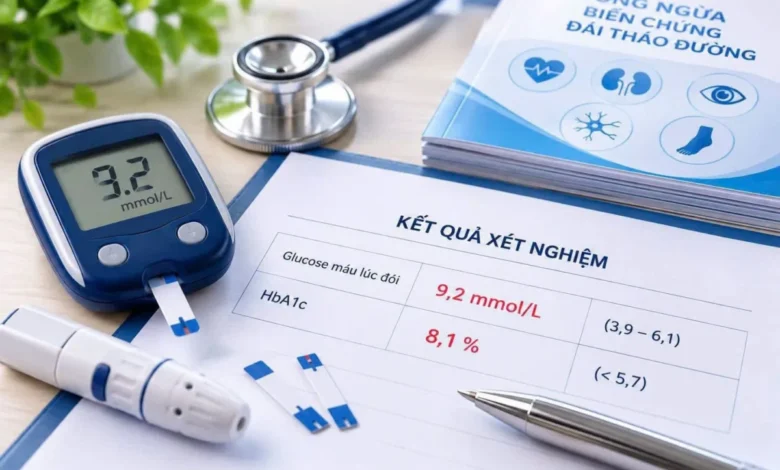
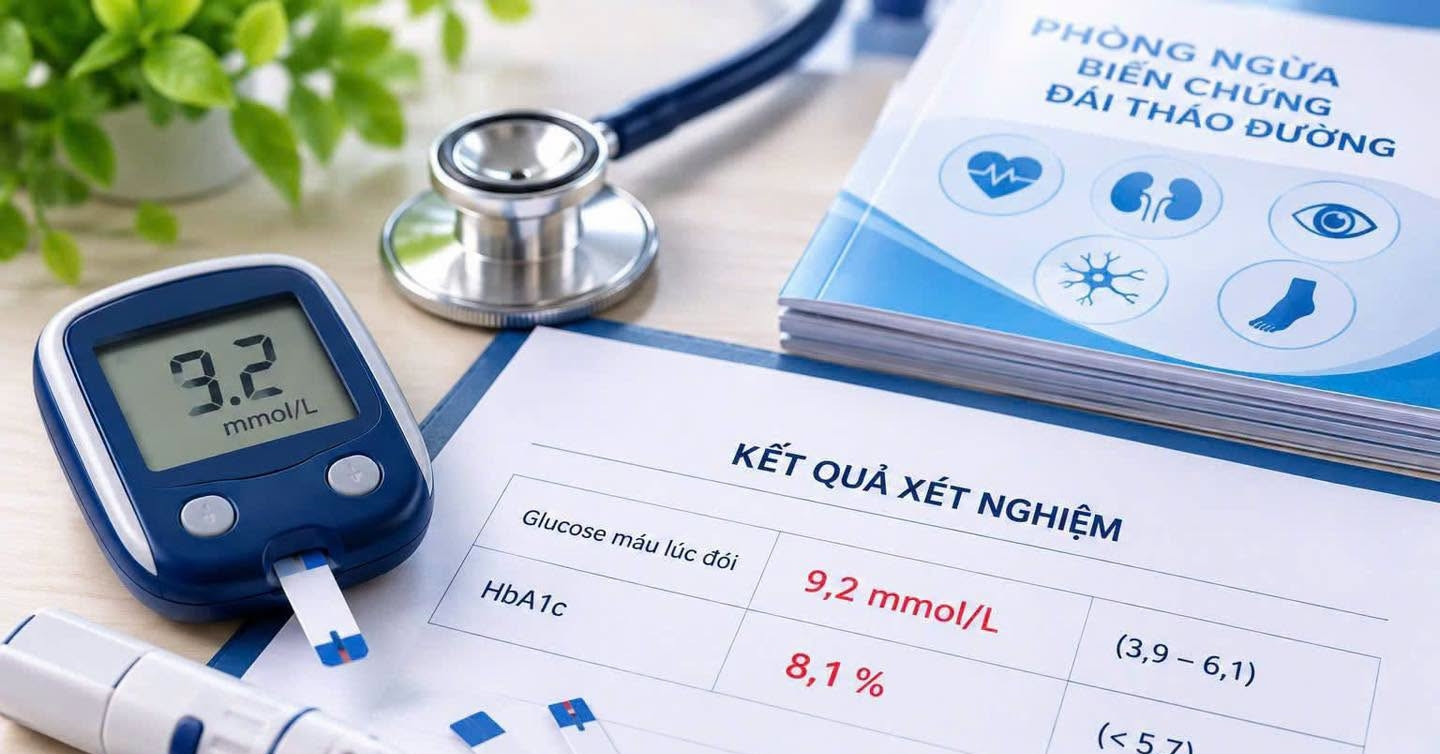
According to BSCKII Nguyễn Thị Thanh Hải, Deputy Head of the Endocrinology and Diabetes Department at Hospital 19-8, the patient arrived at the facility for a routine annual health screening. He maintained a normal body weight, experienced stable daily functioning, and successfully managed his professional and personal responsibilities without any physical complaints. However, his paraclinical test results stunned both the medical staff and the patient himself. His fasting blood glucose level spiked to an extraordinary 9.2 mmol/L, while his glycated hemoglobin (HbA1c) test—which measures average blood sugar levels over the preceding three months—reached 8.1%. Following a comprehensive medical evaluation and clinical assessment, specialists officially confirmed a diagnosis of Type 2 diabetes mellitus, prompting an immediate re-evaluation of how routine screenings are perceived within the adult population.
The Growing Crisis of Non-Communicable Diseases in Vietnam
The case of the 42-year-old patient is far from an isolated incident; rather, it reflects a broader, escalating public health crisis across Vietnam. According to PGS.TS.BS Phan Hướng Dương, Deputy Director of the National Hospital of Endocrinology, diabetes has emerged as one of the most prevalent non-communicable diseases globally, characterized by an alarming acceleration rate in developing nations.
Current epidemiological data indicates that approximately 8 million individuals are living with diabetes in Vietnam. More concerning, however, is that an estimated 62.6% of these cases remain undiagnosed within the community. This massive diagnostic gap means that a significant majority of patients only become aware of their metabolic condition after severe, irreversible complications have already developed. Consequently, diabetes has climbed to become the third leading cause of mortality among non-communicable diseases in the country, trailing closely behind cardiovascular disorders and malignancies.
The National Hospital of Endocrinology currently processes nearly 2,000 patient visits daily, the vast majority of whom are individuals managing diabetes or related metabolic disorders. A substantial portion of these patients are transferred from lower-tier provincial and district medical facilities in advanced stages of systemic deterioration. By the time they seek specialized tertiary care, many already suffer from debilitating secondary pathologies, including diabetic nephropathy, advanced cardiovascular disease, hypertension, diabetic retinopathy, and peripheral neuropathy manifested as foot ulcers. These advanced complications invariably trigger exponential increases in long-term treatment costs, placing a heavy financial burden on healthcare systems and affected families alike.
Understanding the Insidious Nature of Type 2 Diabetes
Medical literature frequently categorizes Type 2 diabetes as a silent chronic condition due to its capacity to progress insidiously over many years without manifesting explicit clinical symptoms. Unlike Type 1 diabetes, which typically presents abruptly with rapid weight loss, severe dehydration, and ketoacidosis in younger populations, Type 2 diabetes often develops gradually. The body’s cells become progressively resistant to insulin, while pancreatic beta cells gradually fail to produce sufficient quantities of the hormone to maintain normal glucose homeostasis.
Because this metabolic imbalance unfolds over a prolonged period, the human body adapts to elevated blood glucose levels, masking the internal cellular damage. As Dr. Hải explains, even in the complete absence of physical discomfort or outward symptoms, sustained hyperglycemia relentlessly erodes the structural integrity of vital organ systems.
"If diabetes is not detected early, patients face a severe risk of confronting a cascade of devastating long-term consequences," Dr. Hải emphasized during a post-diagnosis briefing. "These include cardiovascular damage leading to myocardial infarction or stroke, renal impairment culminating in chronic kidney disease and lifelong hemodialysis, and microvascular retinal damage that severely impairs vision or causes permanent blindness, alongside peripheral nerve degeneration and severe vascular complications."
Without timely intervention, the persistent accumulation of advanced glycation end-products damages endothelial linings, accelerates atherosclerosis, and compromises neurological reflexes. The clinical reality demonstrates that waiting for overt symptoms—such as extreme polydipsia, polyuria, or profound fatigue—often means that significant microvascular and macrovascular damage has already taken place.
Evolving Treatment Strategies and Comprehensive Management
In response to the shifting epidemiological landscape, modern therapeutic strategies for managing diabetes have undergone a paradigm shift over the past decade. Contemporary clinical guidelines no longer focus exclusively on lowering blood glucose levels to target ranges. Instead, modern diabetology embraces a holistic approach aimed at protecting target organs—specifically the heart and kidneys—managing body weight proactively, and neutralizing long-term systemic complications before they manifest.
Medical experts now stress that the foundation of effective diabetes care rests on a triad of early detection, personalized nutritional therapy, regular physical activity, and strict adherence to prescribed pharmacological regimens. For individuals diagnosed early in the disease trajectory, lifestyle modifications combined with modern pharmacotherapy can successfully restore metabolic control, prevent organ damage, and preserve a high quality of life.

Furthermore, pharmaceutical advancements have introduced innovative classes of glucose-lowering medications that offer proven cardiovascular and renal protective benefits. Drugs such as SGLT2 inhibitors and GLP-1 receptor agonists have revolutionized management protocols by actively reducing heart failure hospitalizations and slowing the progression of diabetic kidney disease, irrespective of their primary blood-lowering efficacy.
Preventive Recommendations and Public Health Guidance
In light of the hidden prevalence of metabolic disorders, healthcare authorities and endocrinology societies are aggressively updating their preventive recommendations. Medical professionals advise all adults aged 35 and older to incorporate routine fasting blood glucose and HbA1c screenings into their annual health check-up schedules, regardless of whether they feel healthy or experience physical symptoms.
For younger demographics, the threshold for proactive screening is lower if specific risk factors are present. Individuals presenting with normal body weight but poor body composition, clinically defined overweight or obesity, a strong family history of diabetes, essential hypertension, or dyslipidemia should undergo regular metabolic evaluations. The rising incidence of metabolic syndromes among younger populations underscores the detrimental impact of sedentary lifestyles, chronic psychosocial stress, and diets heavy in ultra-processed foods and sugary beverages.
Public health campaigns continuously reiterate that early detection serves as the master key to unlocking effective clinical management. By identifying insulin resistance and impaired glucose tolerance at a pre-diabetic stage, physicians can intervene with lifestyle counseling and preventive therapies that may delay or entirely prevent the onset of clinical diabetes.

Ultimately, the case of the 42-year-old patient serves as both a cautionary tale and a timely reminder for the general public. It demonstrates that physical vitality and the absence of superficial symptoms do not guarantee metabolic health. As medical experts persistently advise, citizens should never wait for severe physical warnings before seeking medical evaluations. Proactive screening remains the single most reliable defense against the silent progression of non-communicable diseases, ensuring that long-term vitality is preserved through vigilance, timely intervention, and comprehensive health management.