Provincial Road 9 connecting to the Cam Lo-La Son expressway in Hue has become a safety hazard prompting warnings from drivers to avoid the route

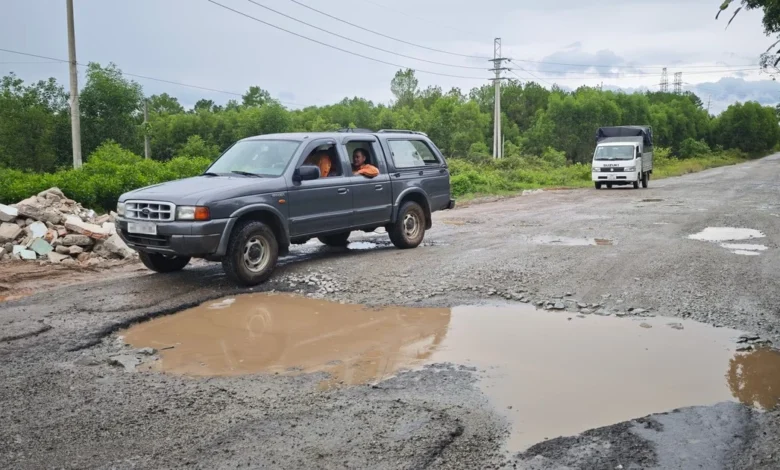
Provincial Road 9 (DT9), a critical transport artery traversing the Phong Dien district of Hue City, has reached a state of severe disrepair, transforming from a vital logistical link into a hazardous zone that local motorists are increasingly avoiding. The road serves as a primary connection between National Highway 1A and the interchange of the Cam Lo-La Son expressway, facilitating the movement of residents and heavy freight vehicles across the northern region of Hue. However, years of structural degradation have led to widespread warnings on social media, where experienced drivers are now advising peers to bypass the route entirely, opting for longer, more stable alternatives.
A Critical Artery in Crisis
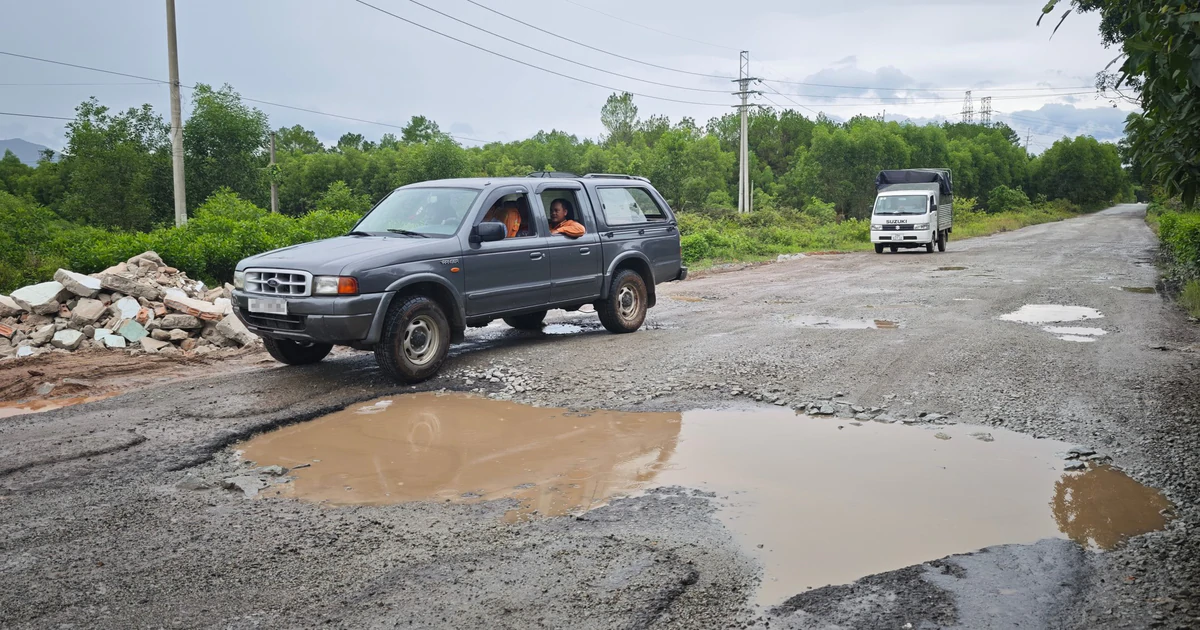
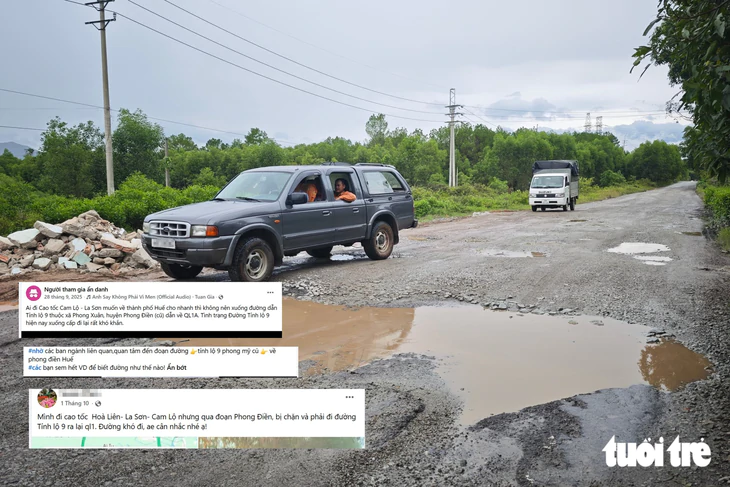
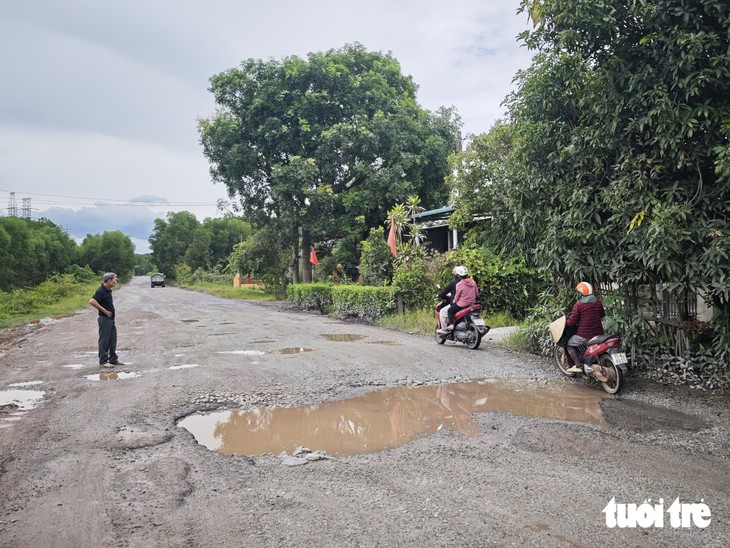
The significance of Provincial Road 9 cannot be overstated. It acts as a bridge between the country’s primary north-south highway and the high-speed expressway network, serving as a gateway for industrial transport and daily commuting. Despite its strategic importance, the road surface has deteriorated to a critical point. Reports from local residents and commuters indicate that large segments of the asphalt have stripped away, resulting in deep potholes, uneven depressions, and dangerous ruts that threaten vehicle integrity and passenger safety.
The situation has reached a point where digital navigation tools are being challenged by real-world conditions. While Google Maps and other GPS platforms often recommend DT9 as the shortest path between the expressway and National Highway 1A, drivers are actively disregarding these digital prompts. Instead, many are choosing to navigate via Provincial Road 11B, which leads to the An Lo Bridge area in Phong Thai ward. Although this detour adds mileage to the journey, motorists argue that the trade-off in vehicle safety and reduced repair costs makes it the only rational choice.
Chronology of Deterioration
The decay of DT9 is not a recent development but rather the culmination of years of neglect and the heavy toll taken by high-volume traffic. Local records indicate that the road began showing signs of significant structural failure as early as 2025. Since that time, the Hue-S digital feedback portal—a government-run platform designed for citizens to report local issues—has been flooded with complaints regarding the road’s condition.
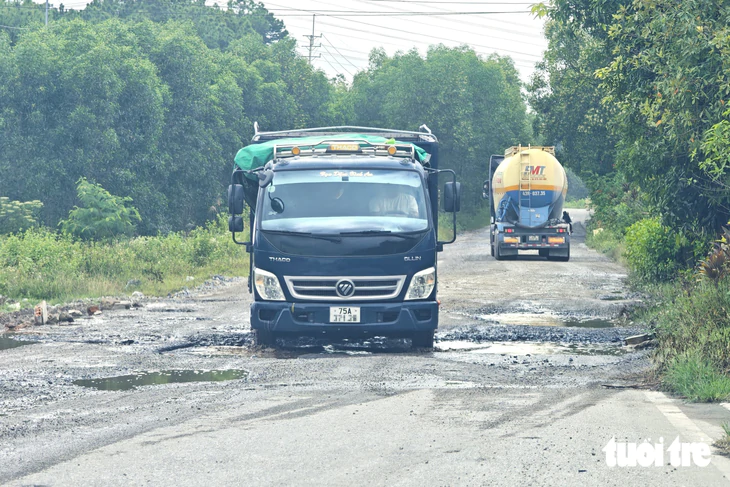
The feedback loop has remained largely stagnant for months. While municipal authorities have occasionally dispatched repair crews to perform "patchwork" maintenance, these efforts have proven to be temporary fixes. Residents like 75-year-old Hoang Van Hoa, a long-time resident of Phong Dien, describe a recurring cycle: the road is filled with gravel and temporary asphalt, only to be pulverized again within weeks by the relentless stream of heavy trucks that traverse the route day and night.
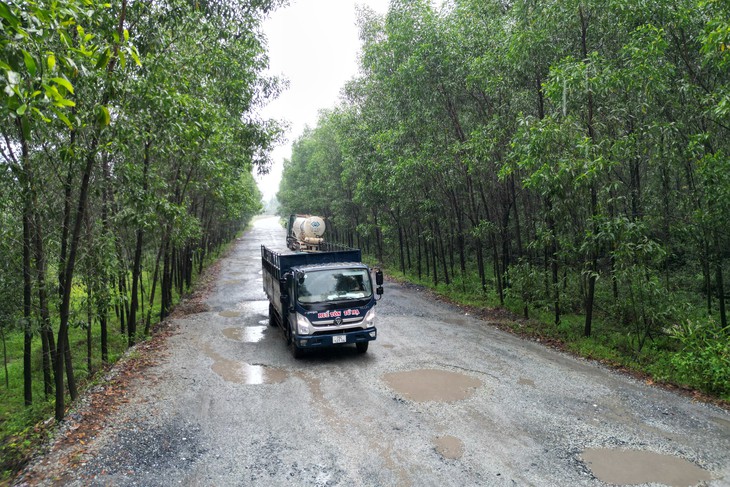
The danger is amplified significantly during the rainy season. Water accumulates in the deep depressions, masking the true depth of the potholes and creating "hidden traps" for unsuspecting drivers. On several occasions, vehicles have become wedged in these sections, requiring the assistance of other motorists or towing services to be extracted.
Official Response and Infrastructure Planning
The persistent public outcry has finally forced a long-term resolution from the municipal government. On October 27, 2026, the People’s Committee of Hue City officially approved the investment policy for the "Dong-Tay" (East-West) road project, a comprehensive infrastructure initiative designed to overhaul key connecting routes, including the problematic segment of DT9.
The scope of this project is significant, with a total estimated investment of 1.985 trillion VND. The project aims to upgrade and widen approximately 8 kilometers of Provincial Road 9, stretching from the Km0+800 mark to the Km8+800 mark, ultimately terminating at the junction with the Cam Lo-La Son expressway. The technical specifications for the upgrade are robust, reflecting the need for heavy-duty resilience:
- Section 1: A 2.2-kilometer stretch will be expanded to a 36-meter wide roadway.
- Section 2: A 5.8-kilometer stretch will be expanded to a 31-meter wide roadway.
According to the approved plan, the construction timeline is projected to span four years, from 2028 to 2031. The project will be funded through a combination of Central Government budget allocations and municipal city funds. While the long-term solution is now on the horizon, the gap between the current state of the road and the commencement of the project remains a point of contention for those who must use the road daily.
Analysis of Logistical and Economic Implications
The current state of DT9 is not merely a nuisance for individual drivers; it represents a broader systemic issue regarding infrastructure maintenance and the pressure placed on secondary roads by the national expressway network. As the Cam Lo-La Son expressway has successfully diverted massive volumes of transit traffic, the connecting roads—often designed for lower capacities—have been forced to absorb loads they were not engineered to sustain.
The economic implications of this degradation are twofold. First, there is the direct cost to the transport and logistics sector. Increased wear and tear on vehicles, coupled with longer travel times due to the necessity of slowing down or taking detours, results in higher operating costs. For a region striving to boost its industrial output and connectivity, the physical state of the road is a bottleneck that hinders efficient commerce.
Second, there is the matter of safety risk. The "patchwork" approach, while well-intentioned, fails to address the underlying base failure of the road. Until the major reconstruction project is finalized, the road will remain a high-risk zone. Traffic safety experts suggest that, in the interim, there should be stricter enforcement of vehicle weight limits and potentially the implementation of temporary traffic management systems to prevent further erosion of the road bed.
The Human Perspective
For the people of Phong Dien, the road is a lifeline that has become a liability. The frustration expressed by local leaders, including Mr. Ha Den, Chairman of the People’s Committee of Phong Dien ward, reflects the tension between the immediate needs of the population and the slow pace of major infrastructure funding. Local officials have repeatedly petitioned provincial authorities for emergency repairs to bridge the gap until the 2028 start date. However, they are often constrained by limited local budgets and the reality that a total reconstruction is the only viable path forward.
"The people are simply asking for a safe way to move through their own district," says Mr. Hoa. "When you have trucks passing through here all day and all night, you cannot expect a simple layer of rocks to keep the road flat. We are waiting for 2028, but every day until then feels like a gamble with our safety."
Conclusion
The case of Provincial Road 9 is a microcosm of the challenges facing Vietnam’s rapidly expanding transport infrastructure. While the ambitious 2028-2031 renovation project signals a commitment to resolving the issue, the intervening period remains precarious. The reliance on social media warnings and community-led detours highlights the resilience and resourcefulness of local drivers, but it also underscores a failure in the current maintenance cycle. As the city moves toward the implementation of the Dong-Tay project, the focus must remain on ensuring that intermediate safety measures are effectively managed to prevent further incidents on this vital, yet currently compromised, artery. The project, once completed, will not only restore the flow of traffic but also serve as a critical component in the long-term economic development strategy for the Hue region.