Vietnam Unveils Ambitious Semiconductor Strategy and Viettel Achieves 5G DFE Chip Breakthrough

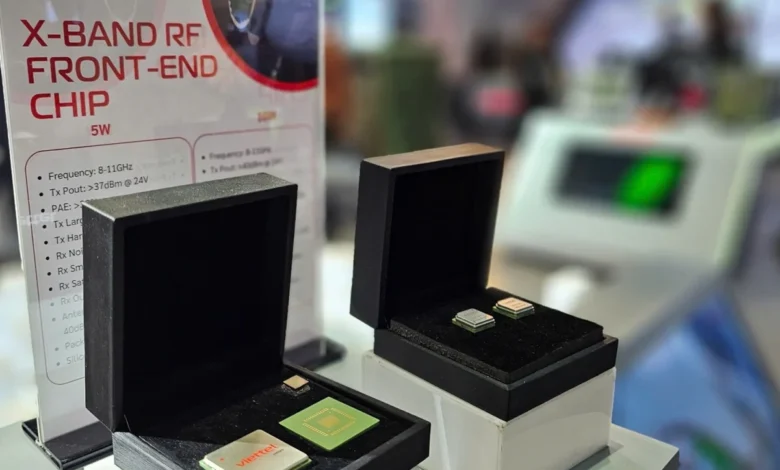
Hanoi, Vietnam – In a landmark move poised to redefine its technological future, Vietnam has officially launched a comprehensive national strategy for semiconductor industry development, extending to 2030 with a vision towards 2050. This long-term strategic roadmap, signed into effect by the Prime Minister, marks Vietnam’s first dedicated and extensive plan for the vital microchip sector, signaling a profound commitment to self-reliance and global integration in high technology. The announcement comes as Viettel, the nation’s leading telecommunications company, revealed its successful design of the 5G Digital Front-End (DFE) chip, hailed as the most complex semiconductor developed in Southeast Asia to date.
A Bold National Semiconductor Strategy Emerges
The impetus behind Vietnam’s ambitious semiconductor push is multifaceted, driven by a confluence of global geopolitical shifts, supply chain vulnerabilities exposed by recent crises, and a strategic imperative to transition from an assembly-centric economy to a high-value, innovation-driven nation. Mr. Nguyen Khac Lich, Director of the Department of Information and Communications Technology (ICT) Industry under the Ministry of Information and Communications (MIC), underscored the urgency of this strategic pivot. "Vietnam must master research and development in the semiconductor and electronics fields if it does not want to become merely a processing nation," Mr. Lich stated, emphasizing the need to leverage Vietnam’s geopolitical advantages and implement supportive investment policies.
The newly enacted strategy aims to cultivate a robust domestic semiconductor ecosystem, encompassing design, manufacturing, packaging, and testing. This holistic approach is designed not only to meet escalating domestic demand but also to integrate Vietnam more deeply into the global semiconductor supply chain, enhancing its resilience and strategic autonomy. The global semiconductor market, valued at approximately $595 billion in 2022 and projected to exceed $1 trillion by 2030, represents a monumental opportunity for nations capable of securing a foothold in this critical industry. Vietnam’s strategic entry is well-timed amidst a global scramble for chip independence and diversified manufacturing hubs.
The long-term vision extends to 2050, aiming for Vietnam to become a significant player in the global semiconductor landscape, contributing high-value products and services. This entails fostering a highly skilled workforce, developing cutting-edge research capabilities, and attracting substantial domestic and foreign investment. The strategy aligns with Vietnam’s broader national digital transformation agenda, recognizing semiconductors as the foundational technology for artificial intelligence, 5G, IoT, and other advanced digital applications crucial for future economic growth and national security.
Pivotal Policy Support: Resolution 57 Paves the Way
A cornerstone of Vietnam’s semiconductor ambitions is the recent approval of a National Assembly Resolution on special policies and mechanisms to foster scientific, technological, innovative, and digital transformation development. Crucially, this resolution includes specific financial and administrative support for establishing the nation’s first chip manufacturing plant. This legislative backing provides the concrete framework necessary to translate strategic aspirations into tangible industrial capabilities.
According to the details outlined, the government is prepared to provide significant financial incentives. Projects for the construction of the first small-scale, high-tech chip manufacturing plant, designed for research, training, design, trial production, technology verification, and specialized semiconductor chip production, will receive direct financial support from the central budget. This support will cover 30% of the total project investment, with a cap of 10,000 billion VND (approximately $400 million USD), provided the plant becomes operational before December 31, 2030. This substantial commitment underscores the government’s recognition of the capital-intensive nature of semiconductor manufacturing and its determination to de-risk initial investments for pioneering enterprises.
Beyond direct funding, the resolution introduces other crucial support mechanisms. During the preparation and implementation phases of such projects, companies will be allowed to allocate a higher percentage (10% to a maximum of 20%) of their taxable enterprise income to their scientific and technological development fund, exceeding the standard 10% rate. This increased allocation aims to provide sustained funding for ongoing research and development, which is critical in a fast-evolving industry like semiconductors. The total amount allocated from this fund, however, must not exceed the total investment of the project.
Furthermore, the policy addresses land acquisition, a common hurdle for large industrial projects. Enterprises undertaking these strategic chip manufacturing projects will be allocated land through non-auction methods, eliminating the competitive bidding process and simplifying land access. The Prime Minister will personally oversee the selection of eligible enterprises for these projects and determine the specific level of support for each. This centralized decision-making reflects the strategic importance attached to the semiconductor sector and the government’s intent to streamline processes for rapid development.
Minister of Information and Communications Nguyen Manh Hung highlighted the unprecedented nature of this state support. "This is the first time we are talking about the state joining hands to support investment projects for research laboratories and the first semiconductor chip manufacturing plants," he shared with technology enterprises. He noted that this support targets foundational R&D and small-scale production facilities (under $1 billion USD) specifically for specialized chips, indicating a pragmatic approach to build capabilities incrementally.
Viettel’s Breakthrough: The 5G DFE Chip
Amidst the strategic policy announcements, Viettel Group, a state-owned telecommunications and technology conglomerate, has delivered a tangible demonstration of Vietnam’s burgeoning capabilities. Viettel announced the successful design of its 5G Digital Front-End (DFE) chip, marking a significant milestone in the country’s technological journey. This achievement is particularly noteworthy as the 5G DFE chip is described as the most complex semiconductor developed in Southeast Asia to date.
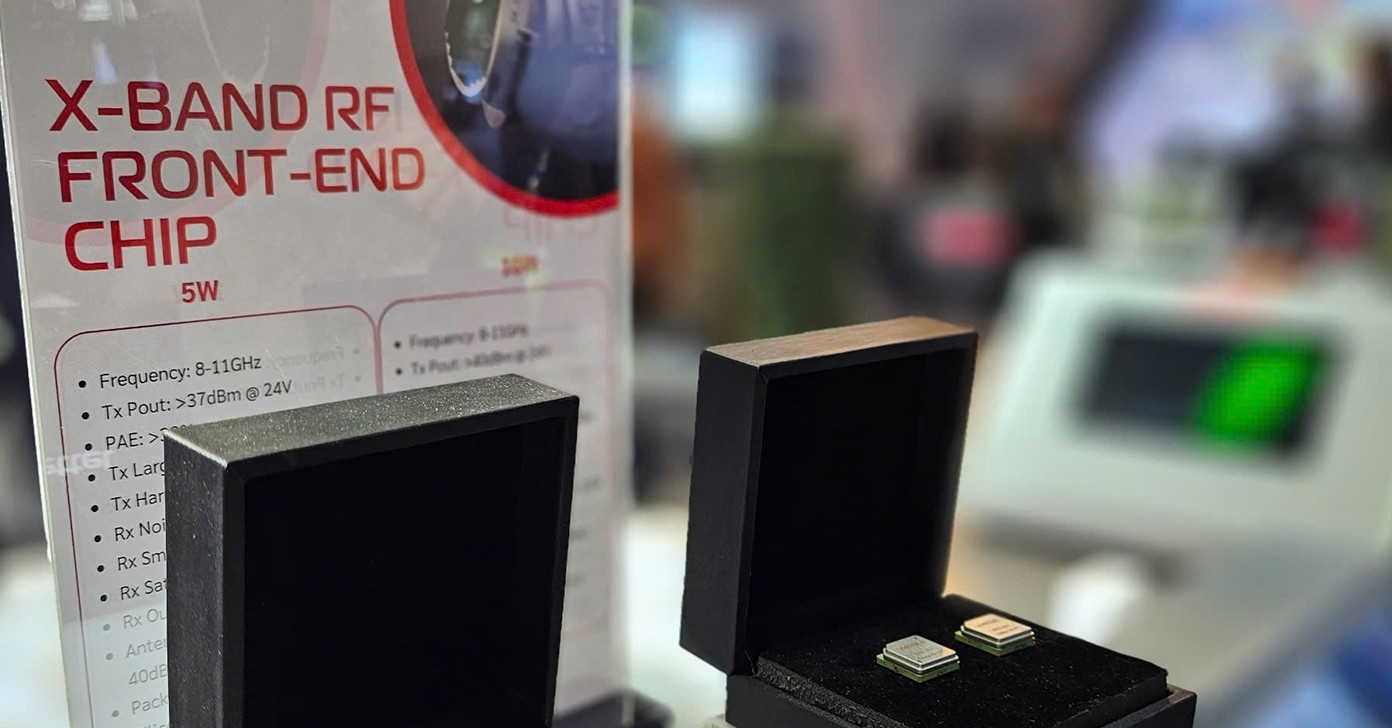
The 5G DFE chip is a critical component in 5G base stations, responsible for processing wireless signals. It handles complex digital signal processing tasks, converting analog radio signals to digital data and vice versa, enabling the high-speed, low-latency communication characteristic of 5G networks. Viettel’s chip boasts an impressive processing capability of 1,000 billion operations per second, a testament to its advanced design and engineering. Such a chip is indispensable for the hundreds of millions of base stations globally required for the deployment of next-generation telecommunications networks.
Dr. Nguyen Trung Kien, Deputy Head of Viettel Group’s Semiconductor Technology Department, explained Viettel’s readiness for this challenge. "The semiconductor industry is a difficult sector, requiring deep knowledge across research, design, production of electronic systems, information technology, and high technology. These are also the major tasks Viettel has set for itself throughout its development process, and therefore Viettel has a sufficient foundation to enter the semiconductor industry," he elaborated. This background highlights Viettel’s long-term strategic investments in R&D across various high-tech domains, which have now converged to enable this significant semiconductor breakthrough.
Major General Nguyen Dinh Chien, Deputy General Director of Viettel Group, articulated the company’s strategic outlook: "Viettel identifies this as a long road, requiring a logical, firm approach combining basic research and business. To develop the semiconductor industry, it is necessary to design and produce chips that meet the needs of domestic enterprises, electronic systems, and national security. This is the foundation for developing advanced, next-generation chip technologies, expanding supply to foreign markets." This statement reflects a pragmatic and phased approach, starting with domestic needs and national security requirements, then scaling up for international markets.
While Viettel leads with the 5G DFE chip, FPT Corporation, another major Vietnamese tech firm, is also actively engaged in semiconductor design and production, signaling a broader national push in this strategic sector.
Strategic Imperatives and Broader Implications
The timing of Vietnam’s intensified focus on semiconductors is no coincidence. The ongoing geopolitical tensions, particularly between the United States and China, have underscored the fragility of global supply chains and the strategic importance of domestic semiconductor capabilities. Nations worldwide are now racing to build resilience and reduce dependence on a few key manufacturing hubs. Vietnam, with its stable political environment, growing tech-savvy workforce, and strategic location, presents an attractive alternative for diversification.
Mr. Le Quang Diem, CEO of Marvell Technology Vietnam, characterized the current moment as a "once-in-a-century opportunity" for Vietnam’s semiconductor industry to flourish amidst complex geopolitical dynamics. He lauded Resolution 57 for providing a clear direction and objectives for science, technology, and specifically, the microchip industry. "Vietnam stands before a very good opportunity. This opportunity did not come by itself; we had to create it," Mr. Diem affirmed, emphasizing the importance of collective effort. "We have a clear strategy, attention from the government, and Vietnamese engineers and talent, both within and outside the industry, also need to unite to jointly create value for the nation."
Vietnam’s current involvement in the global electronics supply chain primarily revolves around assembly and testing, with major players like Samsung and Intel having significant operations in the country. This existing ecosystem provides a valuable foundation, offering a trained workforce and a degree of infrastructure. However, moving up the value chain to design and fabrication is a significantly more complex and capital-intensive undertaking.
The national strategy, supported by Resolution 57, aims to address these challenges by fostering a favorable investment environment, developing human resources, and promoting R&D. Investing in domestic chip design and manufacturing will not only reduce reliance on foreign suppliers but also create high-skilled jobs, stimulate innovation, and drive economic growth. It also carries significant national security implications, ensuring critical technologies for defense and infrastructure are domestically controlled.
Challenges and the Road Ahead
Despite the optimism and strategic initiatives, Vietnam’s journey to becoming a significant semiconductor player will be fraught with challenges. The industry demands immense capital investment, highly specialized expertise, and a long lead time for returns. Developing a deep talent pool, from chip designers to process engineers, will require sustained investment in education and vocational training. Vietnam will also face intense competition from established global players and other emerging nations vying for a share of the semiconductor pie.
However, by focusing initially on specialized chips and leveraging its existing strengths in electronics manufacturing and a young, dynamic workforce, Vietnam can carve out niche areas of expertise. The government’s clear commitment, coupled with the proven capabilities of companies like Viettel, provides a strong foundation.
Looking Ahead: Vision 2050 and Beyond
The 2050 vision for Vietnam’s semiconductor industry is one of sustained growth, innovation, and global recognition. Achieving this will necessitate continuous investment in cutting-edge research, fostering a culture of innovation, and strengthening collaborations between academia, industry, and government. The development of a robust intellectual property framework will also be crucial to protect domestic innovations and attract international partnerships.
Ultimately, Vietnam’s ambitious semiconductor strategy and Viettel’s groundbreaking 5G DFE chip underscore a decisive national pivot towards a high-tech, knowledge-based economy. This confluence of forward-thinking policy, corporate innovation, and a global demand for supply chain diversification positions Vietnam at the cusp of a transformative leap in the digital age, promising not just economic prosperity but also enhanced technological sovereignty on the international stage.