Investigation Underway as 46 Workers Hospitalized Following Suspected Food Poisoning at Newly Opened Banh Mi Shop in Quang Tri Province


An escalating food safety investigation is currently underway in the central province of Quang Tri, where a total of 46 workers have been hospitalized with acute gastrointestinal symptoms after consuming banh mi from a newly opened local establishment. The incident, which has triggered a coordinated multi-agency response, highlights ongoing vulnerabilities in local food supply chains and regulatory oversight regarding street-level food vendors. Health authorities are working diligently to pinpoint the exact pathogen responsible for the outbreak, while the vendor expresses public remorse despite having consumed the products himself alongside his family.
The outbreak first came to light on September 14, 2026, when medical facilities in Cam Luong Commune, located within Quang Tri’s Cam Chi Village, began receiving a sudden influx of patients. The afflicted individuals—predominantly local industrial workers—presented with severe clinical symptoms indicative of acute food poisoning. Common manifestations among the hospitalized patients included sudden abdominal cramps, persistent nausea, debilitating vomiting, and high fevers.
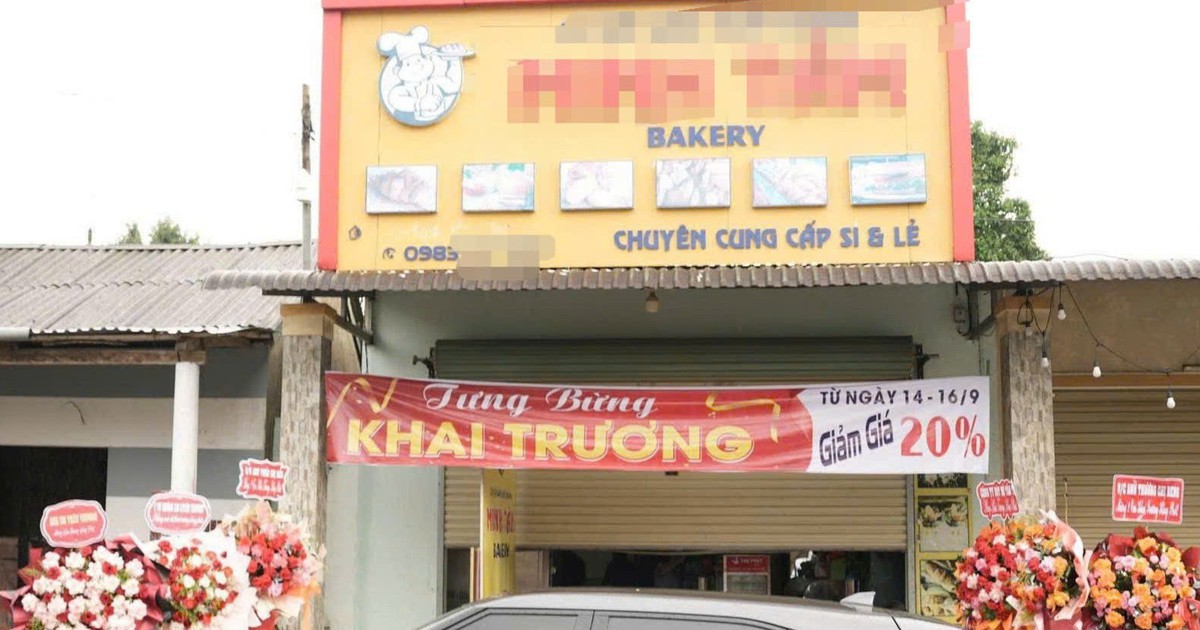
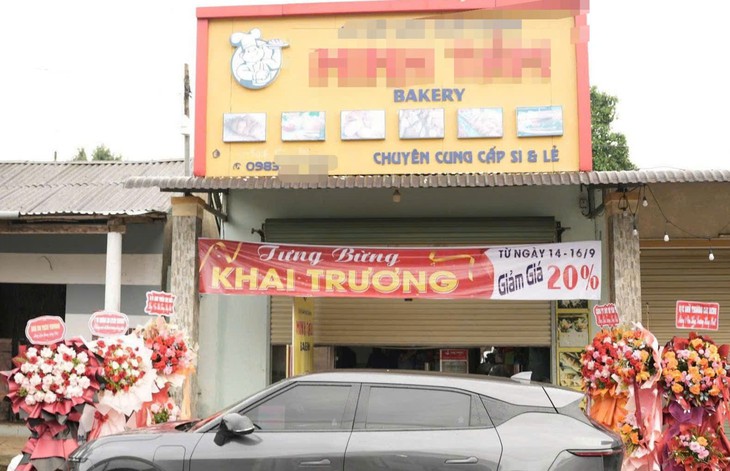
As the hours progressed through the evening of September 14 and into the afternoon of September 15, the number of reported cases climbed steadily. By the afternoon of September 15, the patient count had reached 46 individuals, all of whom shared a common epidemiological link: they had all purchased and consumed banh mi from a newly established food stall named M.T., owned and operated by 30-year-old Phan Van Minh.
The rapid escalation of cases prompted immediate intervention from provincial health authorities. On September 16, the Quang Tri Provincial Food Safety Sub-department formally announced that it was collaborating closely with local medical institutions and relevant enforcement units to conduct a comprehensive epidemiological investigation. The primary objective is to trace the ingredient sourcing, food handling practices, and preparation methods utilized by the establishment during its debut weekend of business.
According to preliminary statements provided by the shop owner, Phan Van Minh, the establishment had rented its physical location in Cam Chi Village, Cam Luong Commune, specifically to launch a new culinary venture. Minh and his family spent the morning of September 14 preparing various ingredients, sauces, and fillings in anticipation of their grand opening, marking their first day of commercial operations at the new site.
Minh stated that the preparation and manufacturing processes employed on opening day closely mirrored those his family had successfully utilized for years without incident. His family has a long-standing history in the production and sale of banh mi, possessing extensive experience in the trade. However, what was intended to be a celebratory launch quickly transformed into a public health crisis.
In a twist that underscores the insidious nature of the outbreak, Minh noted that before any commercial sales began, members of his own household—including his mother, his wife, and his children—partook in the newly baked bread. They consumed traditional banh mi sandwiches featuring standard fillings, including pork and fresh coriander. Minh himself consumed plain bread without the accompanying meat or condiments.
Shortly after consumption, symptoms began to manifest within Minh’s own household. Both his mother and his wife developed severe lower abdominal pain and other acute distress symptoms, ultimately necessitating emergency hospitalization and ongoing medical treatment. Minh’s personal experience—falling ill despite consuming only the plain bread component—adds a complex layer to the ongoing investigation into which specific ingredient or cross-contamination vector served as the primary vehicle for the toxins or pathogens.
Despite the absence of definitive laboratory confirmation regarding the exact source of contamination, Minh expressed profound public contrition. Acknowledging the anxiety and physical suffering experienced by his customers, the vendor issued a formal public apology.
"Although we have not yet received official confirmation or conclusions regarding the root cause from the competent authorities, I personally wish to send my deepest apologies to all customers who faced health issues after consuming banh mi from my shop," Minh stated in an interview. He added that the occurrence was an entirely unforeseen tragedy that defied his family’s established food safety protocols and professional experience.
Public health officials emphasize that while personal statements and testimonies provide helpful background context, they cannot replace rigorous scientific analysis. To establish an evidence-based conclusion, inspectors from the provincial food safety division deployed rapid response teams to the M.T. shop. These teams secured a comprehensive series of food and environmental samples from the premises.
Crucially, samples of the remaining bread loaves, various fillings, spreads, and raw vegetables were collected under strict chain-of-custody protocols. Given the complexity of identifying bacterial toxins, viral agents, or chemical contaminants in complex food matrices, local authorities dispatched the collected samples to the Pasteur Institute in Nha Trang—a premier regional research and diagnostic facility—for advanced microbiological and toxicological testing.
The results of these laboratory assays are expected to provide definitive evidence regarding whether the outbreak was driven by bacterial proliferation such as Salmonella, Staphylococcus aureus, or Bacillus cereus, which are frequently implicated in street-food poisonings involving bakery products and mixed protein fillings.
The sudden hospitalization of 46 workers has sent ripples through the local community, raising acute concerns regarding occupational health and the nutritional safety of affordable food options relied upon by the local labor force. Industrial workers, often operating on tight schedules and limited budgets, frequently rely on small, independent food stalls for quick meals during shift changes.
When food-borne outbreaks occur within this demographic, the socio-economic impacts are immediate and multifaceted. Beyond the direct health toll on the affected individuals—who face physical pain, potential long-term gastrointestinal complications, and the stress of acute medical intervention—the incident results in localized workforce absenteeism. Employers in the region experienced temporary staffing shortages as dozens of key personnel were simultaneously sidelined by illness and mandated to receive inpatient care.
Furthermore, public health analysts point out that the incident underscores the regulatory challenges associated with monitoring newly opened micro-enterprises. While established eateries often undergo routine inspections, sudden pop-ups and newly licensed street-level vendors represent an operational environment that requires vigilant oversight, particularly regarding the cold chain management of perishable proteins, mayonnaise bases, and the hygienic handling of fresh herbs.
As the investigation progresses, the Quang Tri Provincial Food Safety Sub-department has pledged to release the findings from the Pasteur Institute as soon as they become available. In the interim, local health clinics remain on high alert to monitor any secondary cases or delayed presentations of gastrointestinal illness associated with the Cam Luong Commune outbreak.
The case serves as a stark reminder of the critical importance of rigorous sanitation standards across every tier of the food supply chain. For Phan Van Minh and his family, the envisioned milestone of launching a new business venture has culminated in a profound regulatory and humanitarian challenge, with the community awaiting both scientific clarity and appropriate administrative follow-up from provincial authorities.