Essential Guide to Car Air Conditioning Maintenance Troubleshooting and Long-Term Care During Extreme Summer Heat


As global temperatures continue to reach record-breaking highs, the automotive air conditioning system has transitioned from a luxury feature to an essential safety component for drivers worldwide. During the peak of summer, these systems are subjected to immense thermal stress, often operating at maximum capacity for extended periods. This high-intensity usage frequently leads to unexpected failures, leaving motorists stranded in stifling cabin temperatures. However, automotive experts and technical specialists suggest that a significant portion of air conditioning issues can be diagnosed and even prevented through a systematic approach to maintenance and a basic understanding of the system’s electrical and mechanical components.
Joe, a seasoned automotive technician and a prominent content creator on social media platforms such as TikTok, recently highlighted that many drivers rush to expensive repair shops without performing basic preliminary checks. According to his professional assessment, the first step in troubleshooting a non-functional air conditioning system should always begin with the vehicle’s electrical nerve center: the fuse box and relay system located within the engine bay.
The Electrical Foundation: Fuses, Relays, and Connections
The modern automotive air conditioning (AC) system relies on a complex web of electrical signals to engage the compressor and manage blower speeds. When the AC suddenly stops blowing cold air, the culprit is often a blown fuse or a faulty relay rather than a mechanical failure of the compressor itself. Joe recommends that vehicle owners utilize a digital multimeter to verify the integrity of the fuses. A fuse might appear intact to the naked eye but could have a hairline fracture that prevents the flow of current.

Relays, which act as high-current switches, are equally critical. If the AC relay fails to engage, the compressor clutch will not receive the power necessary to begin the cooling cycle. Furthermore, technicians point out that loose wiring harnesses or corroded connectors are frequently overlooked. Over time, engine vibrations and exposure to moisture can degrade these connections, leading to intermittent cooling or total system failure. Addressing these electrical issues early can save a driver hundreds of dollars in unnecessary mechanical labor.
Advanced Diagnostics: The Role of UV Dyes in Leak Detection
If the electrical system is found to be in working order but the air remains warm, the focus must shift to the integrity of the refrigerant circuit. The refrigeration cycle is a closed-loop system; any loss of refrigerant indicates a breach in that loop. To locate these often-invisible leaks, professionals like Joe employ ultraviolet (UV) dyes. By injecting a specialized fluorescent dye into the system and running the AC, technicians can use a UV light to pinpoint the exact location of a leak.
During a recent demonstration, Joe illustrated how refrigerant can spray from microscopic pinholes in the high-pressure lines. Once the engine is started and the system pressurized, the dye makes the leak immediately apparent, allowing for a precise diagnosis. This method eliminates the guesswork involved in replacing expensive components like the condenser or evaporator without confirming they are actually the source of the problem.
Identifying the Warning Signs of Impending AC Failure
Automotive climate control systems rarely fail without warning. Most total breakdowns are preceded by subtle symptoms that, if caught early, can prevent catastrophic damage to the compressor. One of the most common precursors is a gradual decline in cooling efficiency. If the air takes significantly longer to get cold than it did in previous seasons, or if the temperature fluctuates between cold and ambient while driving at a constant speed, the system is likely losing pressure or suffering from a restricted flow.

Auditory cues are also vital diagnostic tools. A high-pitched squealing sound upon engaging the AC often points to a worn serpentine belt or a failing tensioner. Conversely, a metallic grinding or clicking noise from the engine bay usually indicates that the compressor’s internal bearings are failing or that the electromagnetic clutch is slipping. Ignoring these sounds can lead to a "black death" scenario—a term used by mechanics to describe a compressor that has disintegrated internally, sending metallic debris throughout the entire AC system and requiring a total, multi-thousand-dollar overhaul.
Other red flags include weak airflow, which may suggest a severely clogged cabin air filter or a failing blower motor. Musty or damp odors emanating from the vents are typically a sign of mold or mildew growth on the evaporator core, often caused by a blocked drain tube that allows condensation to pool inside the dashboard.
The Economics of Maintenance: Small Costs vs. Major Repairs
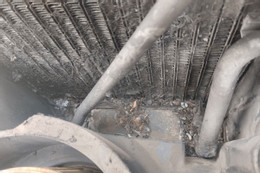
Technical experts emphasize that automotive AC maintenance is a classic example of "an ounce of prevention being worth a pound of cure." Many cooling issues are rooted in simple hygiene and airflow restrictions. For instance, the condenser—located at the front of the vehicle near the radiator—is responsible for dissipating heat. If the condenser’s cooling fins are packed with road debris, insects, or dirt, the system cannot shed heat effectively, forcing the compressor to work harder and run hotter.
A simple cleaning of the condenser with low-pressure water and a soft brush can often restore significant cooling performance. Similarly, replacing the cabin air filter every 12,000 to 15,000 miles ensures that the blower motor does not overheat while trying to pull air through a restricted medium. These minor maintenance tasks cost a fraction of a compressor replacement, which in modern vehicles can range from $800 to $2,500 depending on the make and model.
Debunking the Refrigerant Myth: Why "Topping Off" is Insufficient
A common misconception among drivers is that air conditioning refrigerant is a consumable fluid, similar to gasoline or engine oil, that simply needs to be "topped off" periodically. Technical specialists at organizations like Motor1 and various automotive engineering groups stress that this is fundamentally incorrect. In a perfectly sealed system, the refrigerant (typically R134a or the newer, more eco-friendly R1234yf) should last the lifetime of the vehicle.
If a vehicle requires more gas, it is because there is a leak. Simply adding more refrigerant—a process often done using "DIY" cans from auto parts stores—is a temporary fix that fails to address the underlying issue. Furthermore, these DIY kits often contain "stop-leak" additives that can clog the expansion valve and gum up the internal components of the compressor, potentially causing more harm than good.
The correct professional procedure involves a "recover, vacuum, and recharge" process. First, any remaining refrigerant is recovered. Then, a vacuum pump is used to remove all moisture and air from the lines. This is a critical step because moisture reacts with refrigerant to create an acidic sludge that destroys the system from the inside out. Only after the system holds a vacuum (proving there are no major leaks) is the precise weight of refrigerant, as specified by the manufacturer, reintroduced along with the correct amount of lubricating oil.
Environmental Impact and Regulatory Context
The shift in automotive AC technology is also driven by environmental concerns. Older refrigerants like R12 were phased out due to their ozone-depleting properties, replaced by R134a. However, R134a is a potent greenhouse gas with a high global warming potential (GWP). This has led to the adoption of R1234yf in almost all vehicles manufactured after 2018.
Because R1234yf is significantly more expensive and requires specialized equipment to service, the importance of maintaining a leak-free system has grown. A leak not only results in poor cooling but also contributes to atmospheric pollution. Regulatory bodies in many regions now require technicians to be certified in refrigerant handling to ensure that these gases are not vented into the atmosphere during repairs.
A Chronological Checklist for Annual AC Health
To ensure a vehicle’s climate control remains reliable throughout the hottest months, experts recommend a seasonal maintenance chronology:
- Early Spring Inspection: Before the heat arrives, test the AC on its coldest setting. Listen for unusual noises and check for consistent airflow.
- Filter Replacement: Check and replace the cabin air filter. This is the most common cause of weak airflow and interior odors.
- Visual Under-Hood Check: Inspect the AC lines for signs of oily residue, which often indicates a slow refrigerant leak mixed with compressor oil.
- Condenser Cleaning: Ensure the front condenser is free of leaves and debris to maximize heat exchange.
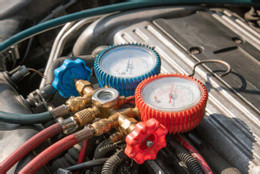
- Professional Pressure Test: Every two to three years, have a technician check the high and low-side pressures to ensure the compressor is operating within its optimal range.
Broader Implications for Vehicle Longevity
The health of the air conditioning system is intrinsically linked to the overall health of the vehicle. An overworked AC compressor places a parasitic load on the engine, reducing fuel economy and increasing engine operating temperatures. In electric vehicles (EVs), the AC system is even more critical, as it is often integrated into the thermal management system for the high-voltage battery pack. A failure in the cooling circuit of an EV could lead to reduced charging speeds or even battery degradation.
By following the advice of experts like Joe and staying vigilant regarding the warning signs of system wear, drivers can ensure their comfort and safety. Proactive diagnostics, starting with the simplest electrical components and moving toward professional leak detection, remain the most effective strategy for navigating the challenges of summer driving. Ultimately, understanding that the AC system is a precision-engineered thermal loop—not a simple "cold air box"—is the first step toward responsible vehicle ownership and long-term reliability.