Lionel Messi Etches Name in History as First Player to Captain Three World Cup Finals, Despite Argentina’s 2026 Defeat

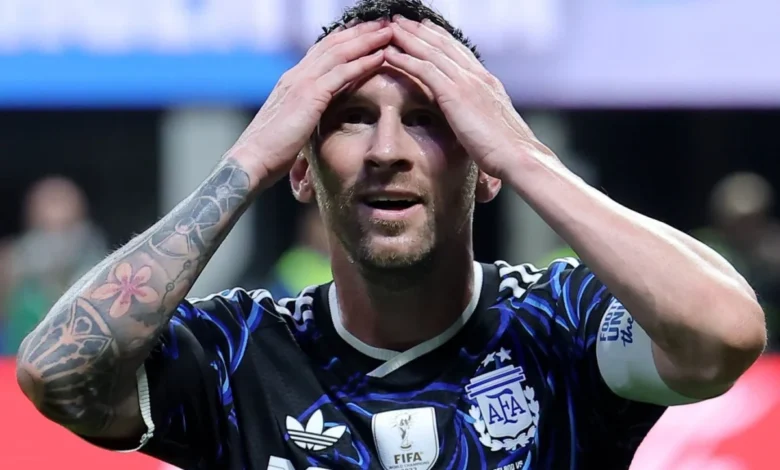
Lionel Messi has once again rewritten the annals of global football history, leading the Argentine national team as captain in the 2026 FIFA World Cup final against Spain. This momentous appearance, which saw him feature in the starting lineup, marks an unprecedented milestone in the sport, solidifying the 39-year-old superstar’s enduring legacy despite Argentina’s eventual defeat to "La Roja."
A Historic Captaincy: Three Finals, Unmatched Leadership
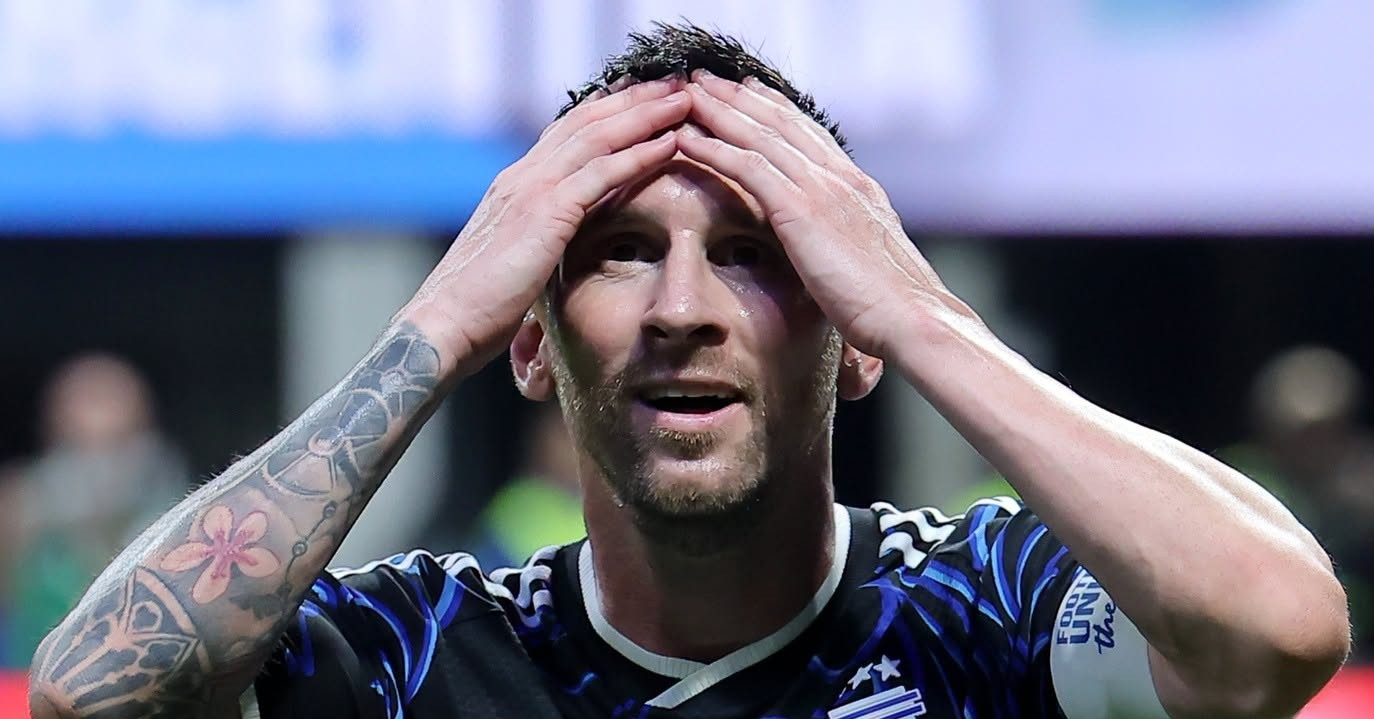
Messi’s captaincy in the 2026 World Cup final positions him as the first player ever to lead his national team in three separate World Cup final matches. This remarkable achievement underscores not only his unparalleled longevity and consistent performance at the highest level but also his profound influence and leadership within the Argentine squad across more than a decade. His previous captaincies in World Cup finals include the 2014 tournament in Brazil, where Argentina faced a heartbreaking 1-0 defeat to Germany, and the triumphant 2022 edition in Qatar, where he famously lifted the coveted trophy after a dramatic penalty shootout victory over France.
His inclusion in the starting XI for the 2026 final, at an age when many contemporaries have long retired or transitioned to less demanding roles, speaks volumes about his physical conditioning, tactical acumen, and unwavering desire to compete for the ultimate prize in football. While the outcome of the 2026 final did not favor Argentina, with Spain securing a narrow 1-0 victory thanks to a goal from Ferran Torres, Messi’s personal milestone remains a testament to his extraordinary career.
The Path to the 2026 Final: A Journey of Resilience
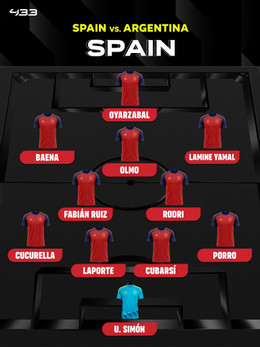
Argentina’s journey to the 2026 World Cup final was marked by a blend of tactical brilliance, team cohesion, and moments of individual magic, often orchestrated by their talismanic captain. Following their emotional triumph in 2022, the Albiceleste entered the 2026 tournament with the dual pressures of defending their title and navigating the expectations surrounding Messi’s potential final World Cup appearance. The squad, a mix of seasoned veterans and emerging talents, showcased resilience throughout the group stages and knockout rounds. Their path to the final included challenging encounters against formidable opponents, each match a testament to their collective spirit and strategic depth. Messi, despite his advancing age, continued to be a pivotal figure, contributing crucial goals and assists, and dictating play from his central attacking role. His vision and passing range remained exceptional, often unlocking defenses with incisive through balls or moments of individual brilliance that defied his years. The collective effort was evident, but Messi’s presence, leadership, and unique ability to inspire remained central to Argentina’s deep run in the tournament.
Spain, on the other hand, arrived at the final with a reinvigorated squad, blending youthful exuberance with tactical discipline. Under their astute management, "La Roja" had demonstrated a fluid, possession-based style of play that proved difficult to counter. Their journey involved overcoming strong European and South American contenders, showcasing their depth and tactical versatility. The final was set up as a clash of styles and generations, with Argentina’s experience and individual brilliance pitted against Spain’s dynamic young talents and collective fluidity.
Legends’ Footsteps: Why Messi Stands Alone
Messi’s achievement in captaining three World Cup finals is particularly striking when viewed against the careers of other footballing legends, many of whom never managed to achieve such a feat. The record highlights not just his consistent presence in the pinnacle match of world football but also the trust placed in him as a leader over an extended period.
- Pelé (Brazil): Widely regarded as one of the greatest, Pelé played in four World Cups and won three (1958, 1962, 1970). While he was a pivotal figure in Brazil’s triumphs, he was famously injured during the 1962 tournament and did not feature in the final against Czechoslovakia. He captained Brazil in the 1970 final against Italy, but it was his only final captaincy. His absence from the 1962 final due to injury prevented him from making three appearances as captain, and he only officially captained Brazil once in a final.
- Ronaldo Nazário (Brazil): Another Brazilian icon, Ronaldo participated in four World Cups. He was an unused substitute in the 1994 final as a 17-year-old, played in the 1998 final (a 3-0 loss to France), and famously led Brazil to victory in the 2002 final, scoring both goals against Germany. However, Ronaldo never officially held the captain’s armband in any of these finals, meaning he does not qualify for Messi’s record.
- Lothar Matthäus (West Germany/Germany): An emblematic figure for German football, Matthäus holds the record for the most World Cup appearances (25 matches across five tournaments). He played in three World Cup finals: 1982 (as a substitute in the loss to Italy), 1986 (captain in the loss to Argentina), and 1990 (captain in the victory over Argentina). While he played in three finals and captained two, his substitute appearance in 1982 meant he did not start as captain in three finals, thus falling short of Messi’s unique achievement.
- Pierre Littbarski (West Germany): A winger known for his dribbling skills, Littbarski also played in three World Cup finals for West Germany (1982, 1986, 1990). Like Matthäus, he was part of the squads that reached these finals, but he never wore the captain’s armband in any of them, focusing instead on his role as an attacking threat.
- Cafu (Brazil): The legendary Brazilian right-back is another player who featured in three World Cup finals: 1994, 1998, and 2002. In 1994, he entered the final against Italy as a substitute for the injured Jorginho. While he earned a winner’s medal, he was not the starting captain. He played in the 1998 final against France and famously captained Brazil to victory in 2002 against Germany, becoming the first player to appear in three World Cup finals (a record now matched by Messi). However, because he was not the designated starting captain in the 1994 final, he too falls short of Messi’s specific record of captaincy in three finals.
These comparisons highlight the exceptional nature of Messi’s achievement, which combines longevity, consistent peak performance, and undisputed leadership over an unparalleled period in World Cup history.
A Generational Clash: Messi vs. Yamal
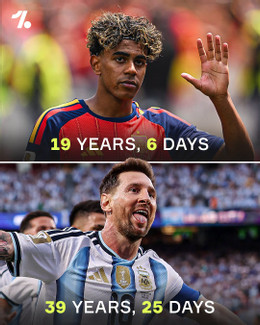
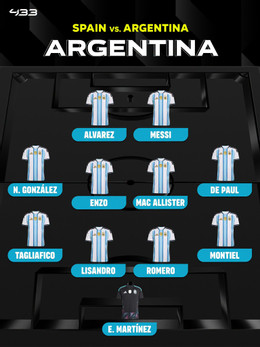
The 2026 World Cup final also presented another fascinating historical footnote: the unprecedented age gap between the two teams’ key players. On one side stood Lionel Messi, the 39-year-old veteran and captain, a living legend nearing the twilight of his illustrious career. On the other, Lamine Yamal, Spain’s prodigious winger, who, at just 18 years old, became one of the youngest players ever to feature in a World Cup final.
This 20-year age difference between the oldest and youngest starting players in a World Cup final is a record in itself, symbolizing a generational shift while simultaneously underscoring Messi’s incredible endurance. Yamal, a product of La Masia, Barcelona’s famed youth academy, had enjoyed a meteoric rise, impressing with his skill, pace, and composure far beyond his years. His inclusion in the final lineup was a testament to his talent and the faith placed in him by the Spanish coaching staff. This stark contrast between Messi, the established titan, and Yamal, the rising star, added another layer of intrigue to an already high-stakes encounter, representing perhaps a symbolic passing of the torch in global football, even as Messi continued to shine.
The 2026 World Cup Final: A Detailed Look

The final match itself, held on July 20, 2026, was a tightly contested affair. Both Argentina and Spain exhibited their tactical strengths, leading to a tense battle in the midfield. The first half saw moments of brilliance from both sides, with Messi orchestrating several attacking moves for Argentina and Yamal proving a constant threat on the wing for Spain. However, neither team managed to break the deadlock before halftime.
The halftime interval itself made headlines, lasting an extended 27 minutes due to an elaborate entertainment spectacle featuring global music icons like Shakira, Madonna, and Justin Bieber. While adding to the grandiosity of the event, this extended break also tested the players’ focus and physical rhythm.
In the second half, the game continued to be a cagey affair. Argentina suffered significant setbacks with key defenders Lisandro Martinez and Cristian Romero both forced off due to injuries. Martinez, in particular, sustained a serious knee injury, a major blow for both his national team and his club, Manchester United, whose season preparations would be significantly impacted. These injuries disrupted Argentina’s defensive stability and forced tactical adjustments, adding to the challenge of containing a dynamic Spanish attack.
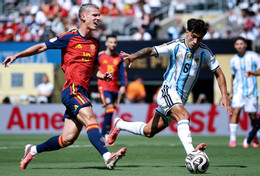
The decisive moment arrived when Spain’s Ferran Torres capitalized on a well-worked attacking play, finding the back of the net to give "La Roja" a crucial 1-0 lead. Argentina pushed hard for an equalizer in the remaining minutes, with Messi attempting to conjure a moment of magic, but Spain’s defense held firm, expertly managing the game to secure their historic victory. The final whistle brought jubilation for Spain and heartbreak for Argentina, particularly for Messi, who, despite his individual record, could not add another World Cup winner’s medal to his collection.
Broader Implications and Legacy
While the defeat in the 2026 final was undoubtedly a bitter pill for Lionel Messi and Argentina, the record set by the captain further solidifies his unique position in football history. His ability to maintain peak performance and leadership over three World Cup cycles, culminating in three final appearances as captain, speaks to an unprecedented level of dedication, talent, and influence. This achievement transcends the immediate result of a single match, cementing his status as a player whose impact spans generations.

For Argentina, the tournament, despite ending in defeat, demonstrated their continued relevance on the global stage and their ability to compete at the highest level. The injuries to key players like Martinez and Romero were unfortunate but highlighted the physical demands of modern football and the need for squad depth. Spain’s victory, spearheaded by a mix of established stars and exciting young talents like Yamal, signals a new era of success for "La Roja" and reinforces their reputation as a powerhouse in international football.
In conclusion, Lionel Messi’s captaincy in the 2026 World Cup final against Spain, at the age of 39, represents a remarkable personal milestone—becoming the first player to lead his nation in three World Cup finals. While the outcome was not what he and his team desired, this achievement further burnishes his already legendary status, underscoring his extraordinary longevity, leadership, and unwavering commitment to the beautiful game. His career continues to defy expectations, leaving an indelible mark on the sport for generations to come.