Navigating the complexities of road safety beyond traffic signs: Understanding the legal restrictions on overtaking for automobile drivers

Many motorists operate under the misconception that overtaking is permitted at all times unless a specific "No Overtaking" sign is posted on the roadside. This belief is not only inaccurate but poses a significant danger to road safety. Under the current Law on Road Traffic, strict regulations govern where and when a driver may execute a passing maneuver, regardless of the presence of physical traffic signs. Understanding these rules is essential for every licensed driver to prevent accidents, avoid heavy fines, and ensure the safety of all road users.
The Legal Framework of Overtaking
The legal foundation for overtaking in most jurisdictions—specifically aligned with current traffic regulations like Vietnam’s Decree 168/2024/ND-CP—is based on the premise that visibility and safety take precedence over traffic flow efficiency. Article 14 of the Law on Road Traffic defines the specific conditions under which a driver is strictly prohibited from passing, even on stretches of road that appear open or safe.
The law categorizes these restrictions based on environmental hazards, infrastructure constraints, and the presence of vulnerable road users. Contrary to popular belief, the absence of a "No Overtaking" sign does not act as a green light for drivers to speed up and pass; rather, it shifts the responsibility of assessing safety entirely onto the driver.
Locations Where Overtaking is Strictly Prohibited
Drivers are prohibited from overtaking in several high-risk environments, regardless of whether signage exists. These locations are defined by limited sightlines and reduced reaction times, which make passing maneuvers inherently hazardous.
Restricted Visibility and Infrastructure Constraints
The law explicitly forbids overtaking in areas where the driver’s field of vision is compromised. This includes:
- Single-lane bridges and narrow tunnels: These structures often lack the lateral space required for two vehicles to pass side-by-side safely. In tunnels, the combination of artificial lighting, enclosed space, and potential airflow turbulence creates a dangerous environment for passing.
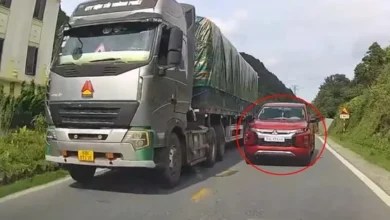
- Sharp curves and blind corners: When navigating a road curve with limited visibility, a driver cannot see oncoming traffic. Attempting to pass in these zones risks a high-speed head-on collision.
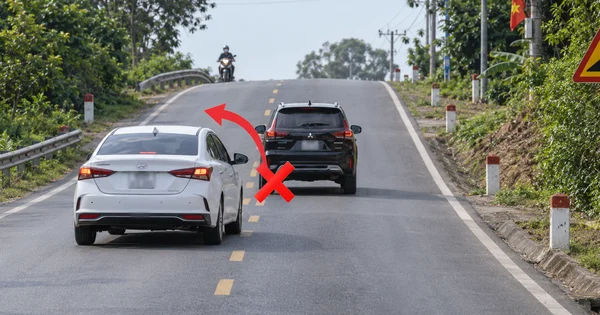
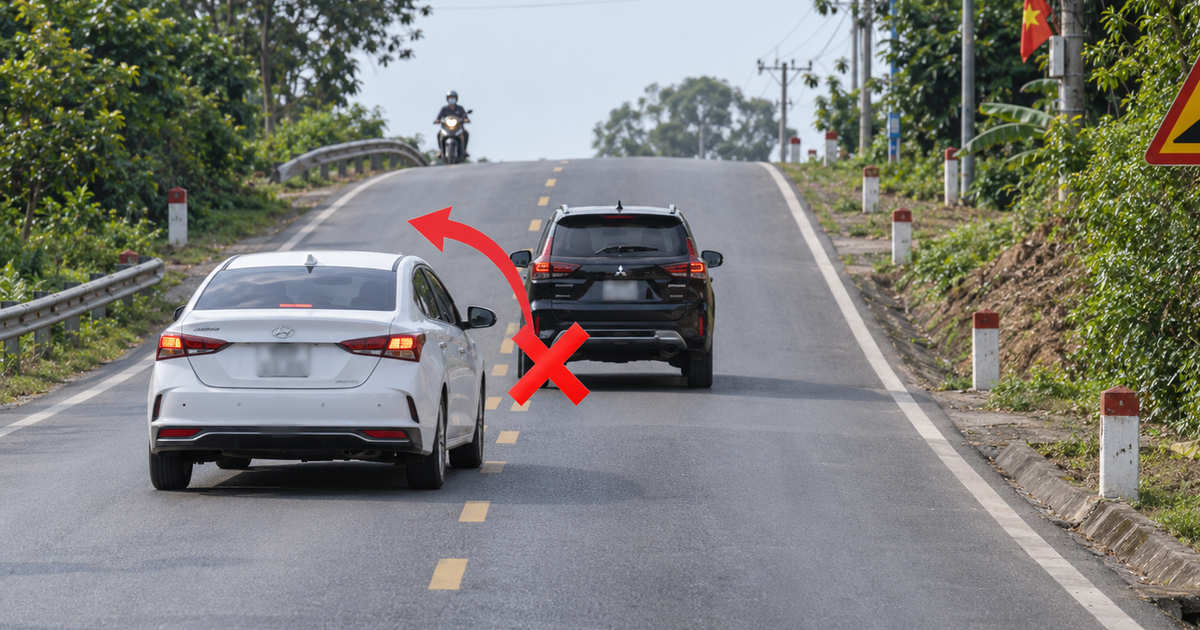
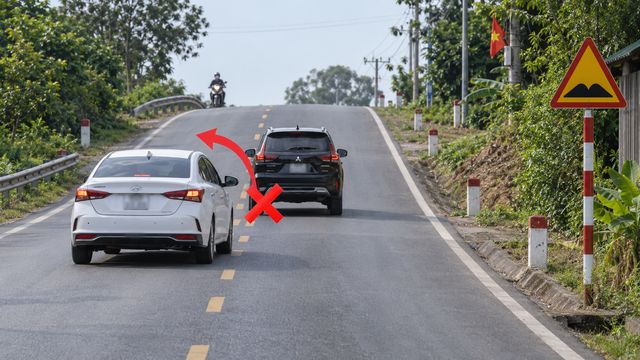
- Steep inclines and summits: As a vehicle approaches the crest of a hill, the road ahead is obscured. Overtaking during this ascent is illegal because the driver cannot verify if the opposite lane is clear of approaching vehicles.
Intersections and Railway Crossings
Intersections are hubs of complex traffic movement. The risk of side-impact collisions is highest at these points, particularly if a vehicle is entering the intersection from a side road. Similarly, near railway crossings, the unpredictable nature of train arrivals and the potential for a vehicle to stall on the tracks makes passing strictly forbidden.
Vulnerable Road User Zones
The law mandates that drivers prioritize the safety of pedestrians and individuals with disabilities. Overtaking is prohibited in areas designated for pedestrians to cross the street. Furthermore, if a vehicle ahead has slowed down or stopped to yield to a pedestrian or a person using a wheelchair, the following driver is legally required to stop as well. Passing a vehicle that has yielded for a pedestrian is a severe traffic violation that frequently leads to fatal accidents.
Environmental and Weather-Related Hazards
Beyond static road features, the law also accounts for dynamic conditions. If weather conditions—such as heavy rain, dense fog, or icy road surfaces—hinder visibility or vehicle control, the act of overtaking becomes inherently unsafe. In these situations, even if the road is marked with dashed lines or lacks "No Overtaking" signs, a driver who initiates a pass and causes an accident will be held fully liable for violating the basic principles of safe driving.
The Procedure for Legal Overtaking
For a passing maneuver to be considered legal and safe, several strict procedural requirements must be met simultaneously:
- Clearance: The road ahead must be completely clear of oncoming traffic and obstructions for a sufficient distance.
- Communication: The vehicle ahead must not have signaled to pass another vehicle, nor should it have signaled to turn left.
- Cooperation: The vehicle to be passed must have signaled its intent to allow the pass by moving to the right and slowing down to provide sufficient space.
- Execution: Overtaking must be performed on the left side, except in specific cases where the vehicle ahead is turning left or working in the middle of the road.
If any of these conditions are not met, the driver is legally obligated to maintain a safe distance and wait for a more appropriate time to pass. Impatience is cited by traffic safety experts as the primary catalyst for preventable highway accidents.
Implications and Penalties
The enforcement of these regulations is supported by advanced surveillance systems, including AI-integrated traffic cameras that can detect illegal passing maneuvers in real-time.
Administrative Fines and License Points
Under current regulations, such as those outlined in Decree 168/2024/ND-CP, the penalties for illegal overtaking are significant. Drivers caught passing in prohibited areas or failing to follow the correct signaling procedures typically face fines ranging from 4 to 6 million VND. Furthermore, such violations often result in the deduction of points from the driver’s license.
Consequences of Traffic Accidents
If an illegal passing maneuver results in a traffic accident, the legal and financial consequences escalate sharply. Fines for such incidents can reach 20 to 22 million VND, accompanied by a substantial deduction of license points and potential temporary suspension of driving privileges. In cases resulting in severe injury or death, the driver may face criminal prosecution, highlighting the gravity of adhering to traffic laws.
Analysis: Why Drivers Misinterpret the Law
The persistent confusion regarding "No Overtaking" signs stems from a reliance on visual cues rather than a fundamental understanding of traffic law. When a driver sees a "No Overtaking" sign, they are receiving a reminder of a specific risk; however, the absence of this sign is not a declaration of safety.
Traffic engineers design roads with specific speed limits and geometry, but they cannot account for the unpredictable nature of human behavior. By relying solely on signs, drivers effectively outsource their judgment to the road authority. A professional, defensive driver, by contrast, relies on situational awareness. They observe the road gradient, the distance to the next intersection, the weather, and the behavior of the lead vehicle before even considering a pass.
Broader Impact on Road Safety
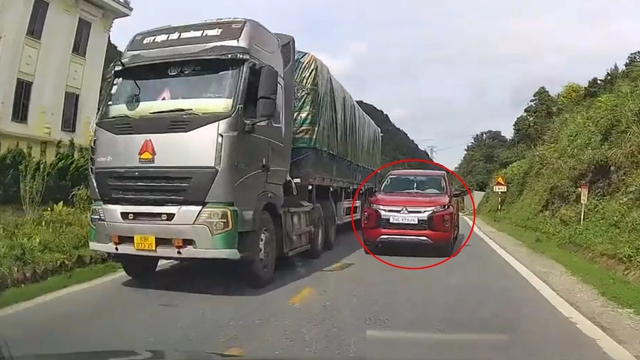
Data from regional traffic safety departments consistently shows that a significant percentage of head-on collisions occur on two-way roads where drivers underestimate the time required to complete an overtaking maneuver. The transition from a single-lane road to a multi-lane highway requires a shift in driver mindset.
Policy experts emphasize that the long-term goal of these strict regulations is not merely to punish, but to foster a culture of patience. By limiting overtaking to only the safest, most visible stretches of road, authorities aim to reduce the frequency of high-impact collisions.
Conclusion
The act of overtaking is one of the most complex and dangerous maneuvers a driver can perform. It requires a comprehensive assessment of the environment, the vehicle’s capabilities, and the intent of other road users. As established by current traffic laws, the absence of a prohibitive sign is never an invitation to pass.
Drivers must prioritize the "safety-first" principle: if there is any doubt about visibility, the state of the road, or the behavior of surrounding traffic, the only correct action is to maintain speed and follow the vehicle ahead. Adherence to these regulations is not just about avoiding fines; it is a fundamental duty of every motorist to ensure that the road remains a safe environment for everyone.