3 vital precautions to observe immediately following the administration of blood pressure medication


Managing hypertension requires not only strict adherence to prescribed pharmacological regimens but also a nuanced understanding of how daily habits influence the efficacy and safety of these treatments. For millions of individuals diagnosed with high blood pressure—a condition often labeled the "silent killer" due to its asymptomatic progression toward cardiovascular catastrophe—medication serves as the primary line of defense. However, the period immediately following the ingestion of these drugs is critical. Certain behaviors can inadvertently trigger adverse physiological reactions, such as orthostatic hypotension or drug-drug interactions, which may undermine the long-term therapeutic goals set by healthcare providers.
The physiological mechanism of blood pressure regulation
Hypertension, defined as the persistent elevation of arterial blood pressure, imposes significant mechanical stress on the cardiovascular system. Over time, this pressure damages the delicate endothelial lining of blood vessels, leading to atherosclerosis, myocardial infarction (heart attack), and cerebrovascular accidents (stroke). Antihypertensive medications, including ACE inhibitors, beta-blockers, calcium channel blockers, and diuretics, work through various mechanisms to dilate blood vessels, reduce fluid volume, or dampen the sympathetic nervous system’s response.
Because these drugs are engineered to lower systemic resistance, the body requires a period of adjustment. This is particularly pronounced when a patient is initiated on a new medication or when a physician adjusts the dosage. During this transition, the body’s baroreceptors—sensors that maintain stable blood pressure—may experience a temporary lag in response, making the patient susceptible to sudden shifts in hemodynamics.
1. The risks of rapid postural changes
One of the most common, yet frequently overlooked, risks after taking antihypertensive medication is the rapid transition from a seated or lying position to a standing one. This phenomenon is clinically referred to as orthostatic hypotension or postural hypotension. When a person stands up, gravity causes blood to pool in the lower extremities. Under normal circumstances, the autonomic nervous system triggers a rapid constriction of blood vessels and an increase in heart rate to maintain blood flow to the brain.
However, many blood pressure medications are specifically designed to blunt these compensatory mechanisms. Consequently, if a patient rises too quickly, the brain may experience a momentary reduction in perfusion, leading to dizziness, lightheadedness, blurred vision, or, in severe cases, syncope (fainting). According to data from medical research institutions like the Mayo Clinic, elderly patients are at a significantly higher risk for these events, which can lead to injurious falls.
To mitigate this, patients are advised to employ a gradual transition technique. If resting, one should first sit up slowly, wait for a few moments to allow the body to stabilize, and then stand. Utilizing support, such as a stable surface or handrail, is recommended during the first few minutes post-medication. If dizziness becomes a recurring symptom, it is imperative to consult a physician rather than attempting to self-regulate medication intake, as this may indicate a need for a dosage adjustment or a change in the medication class.
2. Avoiding unauthorized over-the-counter interventions
A significant challenge in the management of chronic conditions is the prevalence of self-medication with over-the-counter (OTC) drugs. Many patients, upon feeling a minor ailment such as a headache, cold, or seasonal allergy, reach for readily available medications without considering potential pharmacological interference.
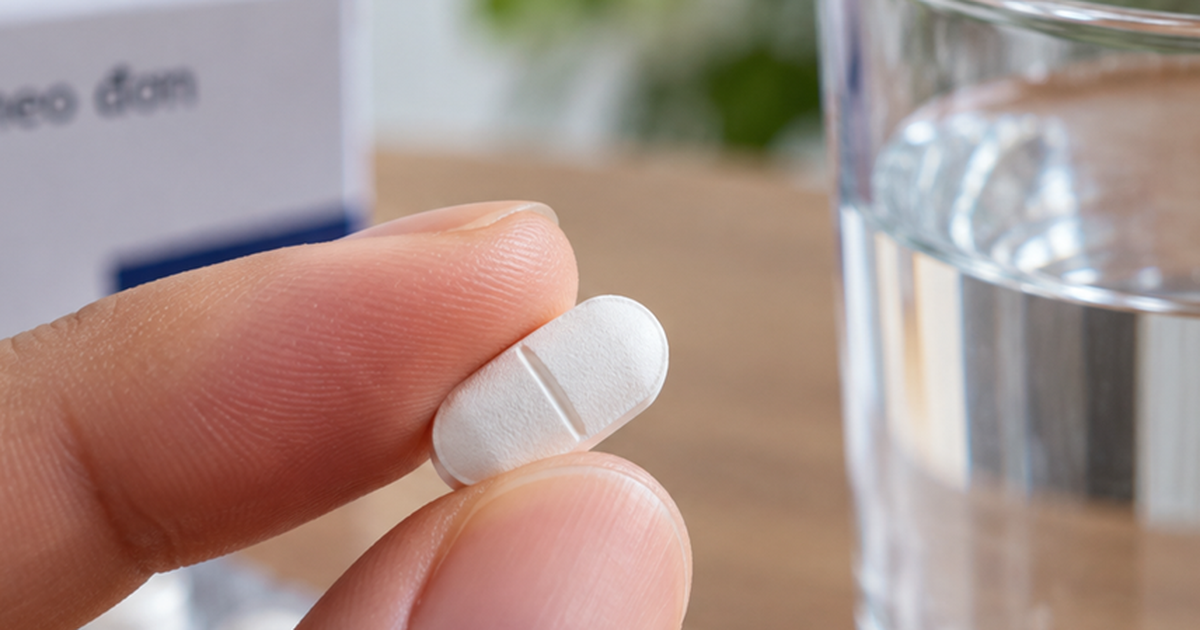
Non-steroidal anti-inflammatory drugs (NSAIDs), such as ibuprofen and naproxen, are particularly problematic for hypertensive patients. These medications act by inhibiting prostaglandin synthesis, which can lead to sodium and water retention in the kidneys. This fluid retention effectively increases blood volume and constricts blood vessels, directly opposing the effects of most antihypertensive treatments. Furthermore, certain cold and flu remedies contain sympathomimetic decongestants like pseudoephedrine or phenylephrine. These substances are vasoconstrictors, which can cause an acute spike in blood pressure, rendering the patient’s daily medication ineffective and increasing the workload on the heart.
Medical experts from institutions such as Hartford HealthCare emphasize that the interaction list extends beyond conventional drugs to include vitamins, dietary supplements, and herbal remedies. Certain supplements, such as St. John’s Wort or high-dose licorice root, can significantly alter the metabolism of blood pressure medications in the liver. It is a fundamental rule of cardiovascular care: every substance ingested, regardless of its "natural" label, must be vetted by a pharmacist or physician to ensure it does not compromise the therapeutic integrity of the prescribed regimen.
3. The danger of reactive dosage adjustments
Perhaps the most perilous habit among patients is the tendency to "adjust" their medication dosage based on a single blood pressure reading. If a patient checks their pressure and finds it remains elevated shortly after taking their prescribed dose, the impulse to take an extra pill—or conversely, to skip a dose when the reading appears "normal"—is medically dangerous.
Blood pressure medication is designed for a consistent, sustained effect, not for immediate, reactive management of transient spikes. These drugs often require days or even weeks of consistent administration to reach steady-state plasma concentrations that provide optimal protection. Taking an extra dose can lead to a precipitous drop in blood pressure, causing hypotension, which can cause fainting, dizziness, and organ hypoperfusion.
Conversely, skipping doses or inconsistent adherence creates a "yo-yo" effect in blood pressure, which is arguably more damaging to arterial walls than stable, albeit slightly elevated, pressure. If a patient consistently observes high readings despite perfect adherence, this is a signal for a formal clinical review. Documentation of readings over a period of time, rather than isolated snapshots, provides the physician with the necessary data to perform an evidence-based adjustment to the treatment plan.
Broader implications for patient outcomes
The management of hypertension is a marathon, not a sprint. The clinical data is clear: adherence to long-term therapy is the single most significant factor in preventing cardiovascular mortality. According to the World Health Organization (WHO), while effective treatments exist, the global control rate for hypertension remains suboptimal, largely due to the complexities of patient behavior and lifestyle management.
The necessity for these three precautions—moving slowly, consulting on OTC drugs, and strictly adhering to dosage schedules—is rooted in the biological reality of drug kinetics. Pharmacokinetics, the study of how the body affects a drug, confirms that the timing of administration and the presence of competing compounds can dramatically alter the therapeutic window.
In a modern healthcare landscape that increasingly favors patient autonomy, the responsibility for health management is shifting toward the individual. However, this autonomy must be exercised within the framework of medical science. By avoiding these three common pitfalls, patients can significantly enhance the efficacy of their treatment, reduce the frequency of side effects, and minimize the long-term risks associated with hypertension. For those living with the condition, the path to a healthier life is paved not just with the medication itself, but with the disciplined, informed behaviors that follow every dose. If symptoms persist or if there is uncertainty regarding interactions, the guidance of a healthcare professional remains the only safe and verified course of action.