Phu Nhuan Jewelry (PNJ) Divests Entire Stake in Nguoi Ban Vang (NBV) Amidst Strategic Realignment and Emerging Market Conflicts.

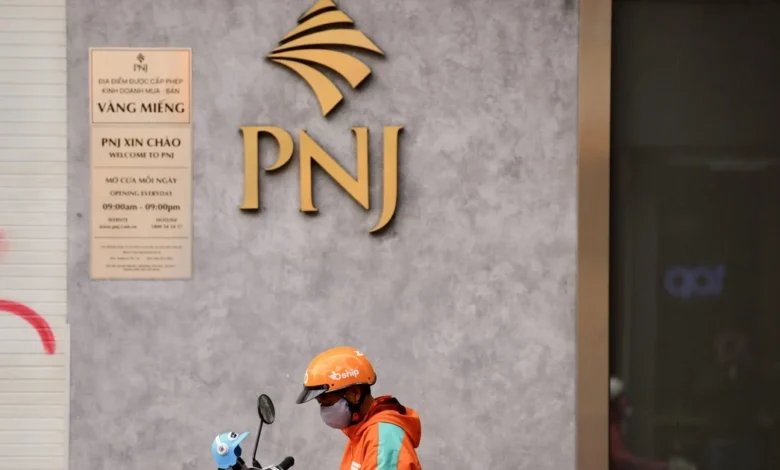
Ho Chi Minh City, Vietnam – Phu Nhuan Jewelry Joint Stock Company (PNJ), Vietnam’s leading jewelry retailer and manufacturer, announced on July 20, 2026, its complete divestment from Nguoi Ban Vang Joint Stock Company (NBV). This strategic move comes as NBV expanded its operations into a sector that directly overlaps with PNJ’s core business, leading to an untenable conflict of interest and a divergence from the initial partnership objectives. PNJ affirmed that this decision was made to safeguard its brand integrity and streamline its operational focus.
PNJ, a prominent player in the Vietnamese market with a substantial market capitalization and a robust network of retail outlets, initially invested in NBV with a 19.9% ownership stake in its charter capital. The rationale behind this early investment was multi-faceted, aligning with PNJ’s broader strategy for portfolio diversification and the expansion of its service ecosystem. At the time, NBV primarily operated in the asset-pledging, or pawn service, sector. PNJ envisioned that by partnering with NBV, it could address a specific need among a segment of its customer base: those seeking to leverage their assets, including potentially jewelry, through a reputable and regulated service provider. This collaboration was designed to offer a complementary service, thereby enhancing customer loyalty and broadening PNJ’s overall market reach without directly competing with its core jewelry sales.
Early Collaboration and Perceived Synergies
During the initial phase of their partnership, PNJ facilitated NBV’s operations by allowing the company to lease commercial space within some of PNJ’s extensive retail stores. This arrangement was not merely a passive landlord-tenant relationship; it was a strategic integration aimed at creating a seamless customer experience. NBV’s services were offered directly to PNJ’s clientele, providing a convenient and trusted option for asset-backed financing. Furthermore, PNJ extended commercial loans to NBV to support its operational activities, with these loans structured under standard commercial terms and appropriate interest rates, in full compliance with PNJ’s internal financial regulations. This level of cooperation underscored a belief in the potential for synergistic growth, where NBV’s specialized financial services could augment PNJ’s luxury retail offerings. PNJ, established in 1988, has consistently maintained a strong market position, known for its high-quality gold, diamond, and designer jewelry, and its strategic decisions often reflect a meticulous approach to market leadership and brand reputation.
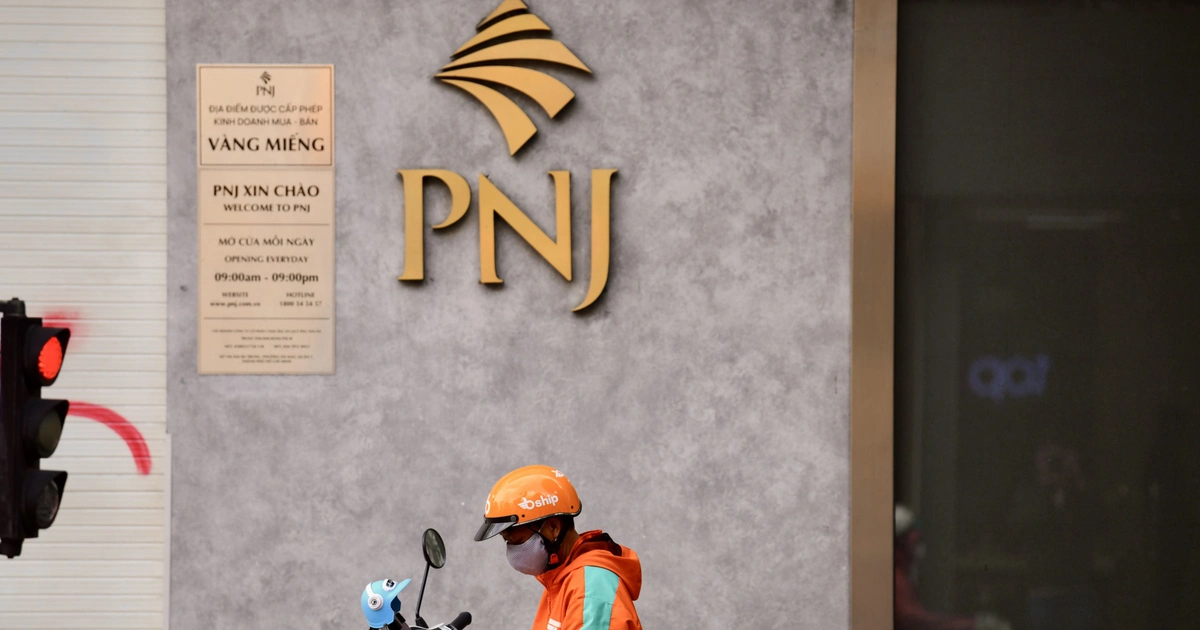
The Emergence of Cashion and the Pivotal Conflict
The landscape of this partnership, however, began to shift significantly with the establishment of Cashion by NBV on February 12, 2025. Cashion was launched to operate in the buying and selling of diamonds, jewelry, and the exchange of genuine luxury goods. This move represented a critical turning point for PNJ. Cashion’s business model directly encroached upon PNJ’s core commercial activities. PNJ’s primary revenue streams are derived from the very markets Cashion intended to penetrate – the diamond and jewelry trade. This created an undeniable conflict of interest, fundamentally altering the nature of the relationship between PNJ and NBV.
PNJ swiftly recognized that this expansion by NBV into a "coterminous" field rendered the initial cooperation objectives obsolete. The initial goal of diversification through complementary services was undermined by the creation of a direct competitor under the NBV umbrella. Such a situation could lead to significant brand confusion among consumers, potential dilution of PNJ’s market position, and even reputational risks, particularly if Cashion’s operations or market standing were to deviate from PNJ’s stringent standards.
PNJ’s Proactive Brand Protection Measures
In response to this evolving situation and to pre-empt any market misunderstandings, PNJ took decisive action. In January 2026, well before the public announcement of the divestment, PNJ issued an official statement clarifying its trademark ownership and explicitly delineating its relationship with all associated entities. This communication unequivocally stated that Cashion was not a partner, a subsidiary, an associate company, or part of PNJ’s broader ecosystem. This proactive measure was crucial for investor relations and consumer confidence, ensuring that customers could accurately identify genuine PNJ business entities and services, thereby mitigating potential confusion or misrepresentation in transactions. PNJ’s commitment to transparency and consumer protection is a cornerstone of its corporate governance strategy, and this clarification served to reinforce that commitment.
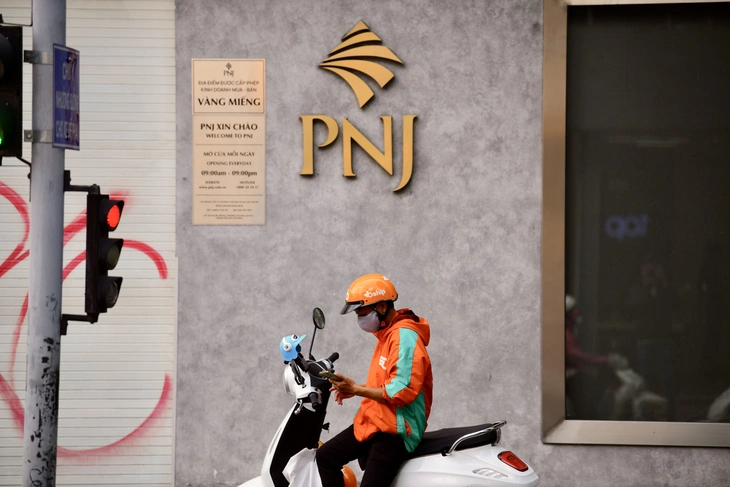
The Divestment: Financial and Strategic Implications
The official announcement on July 20, 2026, confirmed that PNJ had fully divested its entire investment in Nguoi Ban Vang Joint Stock Company. PNJ emphasized that the transfer of its stake was executed in accordance with principles ensuring that the selling price was no less than the book value of the investment at the time of the transaction. The estimated book value of this investment was approximately 3.98 billion VND. While this figure translates to a relatively modest sum (approximately $160,000 USD at prevailing exchange rates), PNJ highlighted its adherence to both legal and internal company regulations throughout the divestment process, prioritizing the preservation of its investment capital.
The divestment signifies a clear strategic realignment for PNJ. By severing ties with NBV, PNJ is re-emphasizing its dedication to its core competencies in the jewelry sector and eliminating any potential for direct competition or brand association with a company now operating in its primary market. This move is a textbook example of a company protecting its strategic interests and intellectual property. All cooperative activities between PNJ and NBV at PNJ’s retail locations have now been terminated, marking a complete separation of their business operations.
Cashion’s Challenges Amidst Market Volatility
The backdrop to PNJ’s divestment also includes recent challenges faced by Cashion. On July 19, 2026, Cashion, which operates from a prominent location in Vincom Cong Hoa, Tan Son Nhat Ward, Ho Chi Minh City, announced a temporary two-month suspension of its business operations. The company cited "significant market fluctuations" in the diamond industry as the primary reason for this decision, necessitating a comprehensive company restructuring. In a message to its partners and customers posted on its fan page, Cashion expressed regret for any inconvenience caused by the temporary closure but affirmed its intention to return with a more suitable business model, explicitly stating, "we are not stopping permanently."
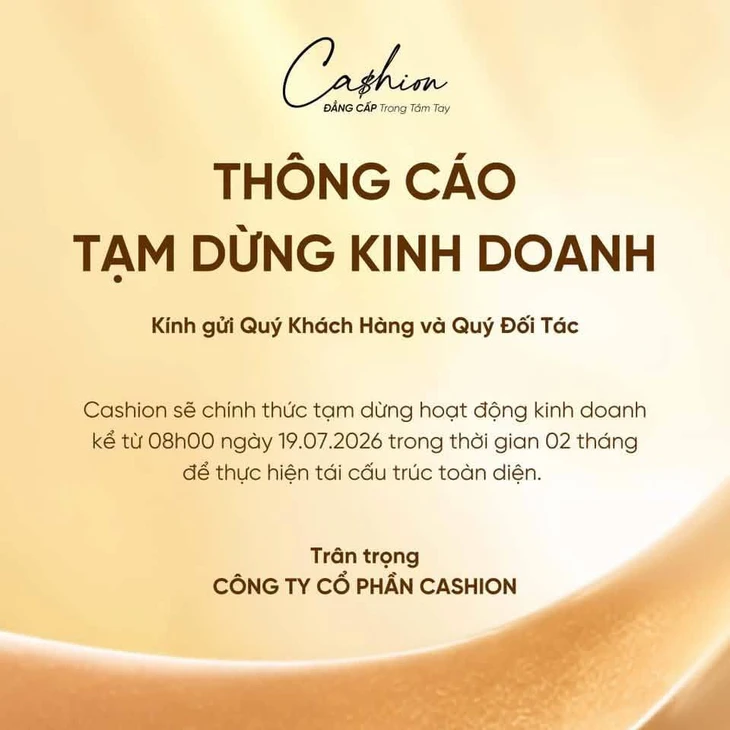
This temporary suspension by Cashion underscores the volatile and challenging nature of the current luxury and diamond market, both globally and within Vietnam. Factors contributing to such fluctuations can include:
- Global Economic Slowdown: A general downturn in economic activity can significantly impact consumer spending on discretionary luxury items like diamonds and high-end jewelry.
- Inflationary Pressures: Rising inflation erodes purchasing power, making consumers more cautious about non-essential expenditures.
- Supply Chain Disruptions: Ongoing global supply chain issues can affect the availability and pricing of raw materials, including diamonds and precious metals.
- Changing Consumer Preferences: Evolving tastes, particularly among younger demographics, may shift demand away from traditional luxury items towards experiential luxury or other investment avenues.
- Regulatory Scrutiny: The Vietnamese gold and diamond market, in particular, has seen increased regulatory attention in recent years, which can impact operational frameworks and market stability for businesses in the sector. The central bank, for instance, has been actively managing gold prices and market dynamics, which can have ripple effects on the broader jewelry market.
Broader Industry Implications and PNJ’s Forward Path
PNJ’s decision, while specific to its relationship with NBV and Cashion, offers a glimpse into the broader trends affecting Vietnam’s luxury and jewelry industry. The "storm" in the diamond industry, as alluded to by Cashion, suggests that companies must be agile and responsive to market shifts. PNJ, by strategically withdrawing from a potentially problematic partnership, demonstrates a commitment to robust corporate governance and a clear focus on its established leadership in the market. This move is likely to be viewed positively by investors, as it removes uncertainty and reinforces PNJ’s brand identity.
The divestment also highlights the importance of clearly defined roles and non-compete clauses in strategic partnerships, especially when one partner expands into areas that could create direct competition. For PNJ, this action ensures that its brand reputation, market share, and long-term strategic objectives remain uncompromised by the activities of a formerly affiliated entity. PNJ will continue to focus on its core business of manufacturing and retailing gold, silver, and diamond jewelry, leveraging its strong brand recognition and extensive retail network to maintain its dominant position in the Vietnamese market.
Related posts: