Spain Claims Second FIFA World Cup Title After Gritty Extra-Time Victory Over Argentina

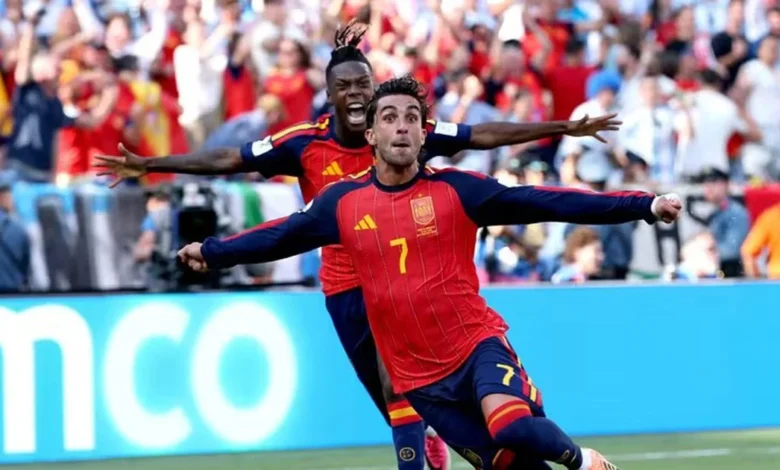
Spain has etched its name into football history once again, securing its second FIFA World Cup trophy with a hard-fought 1-0 victory over Argentina in a dramatic final that extended into extra time. The decisive goal came in the 106th minute from forward Ferran Torres, breaking the deadlock after 105 minutes of intense, tactical battle. The triumph at the MetLife Stadium in East Rutherford, New Jersey, marks a significant milestone for La Roja, solidifying their status among the elite nations in international football. For Argentina and their iconic captain, Lionel Messi, it was a heartbreaking end to what was widely anticipated to be his final appearance on the global stage, as their quest for a fourth World Cup crown fell agonizingly short.
Spain Secures Second World Cup Crown in Gritty Final
The 2026 FIFA World Cup final, held amidst a fervent atmosphere in the heart of the United States, concluded a month-long spectacle of football that captivated billions worldwide. Spain, under the astute leadership of head coach Luis de la Fuente, entered the tournament as one of the favorites, showcasing a blend of youthful exuberance and seasoned experience. Their journey to the final was marked by a series of dominant performances, characterized by their signature possession-based tiki-taka style, adapted with a more direct attacking edge. This victory adds to Spain’s previous World Cup triumph in 2010, cementing a new golden era for Spanish football.
Argentina, on the other hand, carried the immense weight of expectation, not only as reigning Copa América champions but also with the narrative of providing a fitting swansong for Lionel Messi. Their path to the final was a testament to their grit and defensive solidity, often grinding out results against formidable opponents. The final represented a clash of philosophies: Spain’s intricate passing game against Argentina’s robust defense and counter-attacking prowess, spearheaded by their talismanic captain.
A Tactical Battle Unfolds: First Half Stalemate
From the opening whistle, both teams demonstrated their intent, but it was Spain who immediately took control of possession, dictating the tempo of the game. La Roja‘s midfield maestros, including established stars and emerging talents, effortlessly recycled the ball, probing Argentina’s defensive lines. Statistics from the first half reflected Spain’s territorial dominance, with possession figures hovering around 64%. Despite this numerical superiority in ball retention, clear-cut chances were scarce for the European giants. Argentina, renowned for its defensive discipline under coach Lionel Scaloni, executed a meticulously planned low block, stifling Spain’s creative play in the final third. Every Spanish foray was met with a wall of sky-blue and white shirts, denying any space for shots or dangerous through-balls.
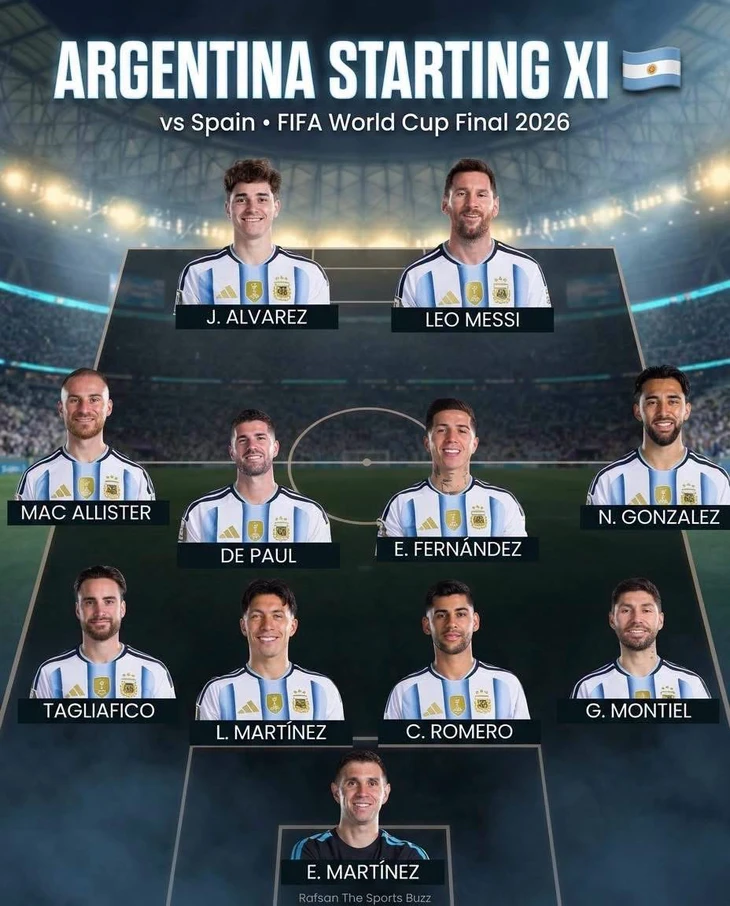
Lionel Messi, often dropping deep to try and influence play, found himself expertly marshalled by Spain’s defensive midfielders and central defenders. The Spanish strategy effectively isolated him from the attacking third, preventing him from unleashing his customary magic. As a result, Argentina failed to register a single shot on target in the first 45 minutes, a rare occurrence for a team of their attacking caliber. The half was also marred by an unfortunate injury to Argentina’s pivotal central defender, Lisandro Martinez, who was forced off the field early, making way for the experienced Nicolás Otamendi. This early substitution tested Argentina’s defensive depth but Otamendi seamlessly integrated, maintaining the team’s structural integrity. The first half concluded goalless, a testament to Argentina’s unwavering defensive resolve against Spain’s relentless, albeit fruitless, pressure.
Argentina’s Resilience Tested: Second Half Drama and Red Card
The second half saw Spain intensify their offensive efforts, pushing higher up the pitch and increasing the tempo of their passing. Head coach Luis de la Fuente appeared to have urged his players to be more direct, leading to a noticeable increase in dangerous situations around Emiliano Martínez’s goal. Spanish wingers, notably Nico Williams, began to find more joy down the flanks, delivering crosses and attempting speculative shots. However, Argentina’s defense, anchored by the commanding presence of Otamendi and the acrobatic saves of goalkeeper Emiliano Martínez, remained impenetrable. Martínez, in particular, made several crucial interventions, denying Spain on at least two occasions with reflex saves that kept his side in the contest.
The game’s complexion drastically changed in the dying moments of regular time. In the 90+3 minute, Argentina’s dynamic midfielder Enzo Fernández received his second yellow card for a cynical foul on Spain’s young defender, Pau Cubarsí, who had been a revelation throughout the tournament. The decision, though met with furious protests from the Argentine bench and players, was upheld by the referee, leaving Argentina to face the entirety of extra time with only ten men. This numerical disadvantage presented a monumental challenge for the South American champions, who had relied heavily on their collective defensive effort to reach this point. Despite the man down, Argentina managed to hold on through the remaining stoppage time, forcing the match into extra time with the score still locked at 0-0.

Extra Time Heroics: Torres Seals Glory for La Roja
With the advantage of an extra man, Spain approached extra time with renewed vigor and a clear tactical shift. Coach de la Fuente’s adjustments were evident, as La Roja exploited the wider spaces created by Argentina’s depleted formation. The Spanish full-backs pushed higher, and the wingers engaged in more direct runs, aiming to stretch Argentina’s already strained defense. The breakthrough finally arrived in the 106th minute, a moment that will forever be etched in Spanish football folklore.
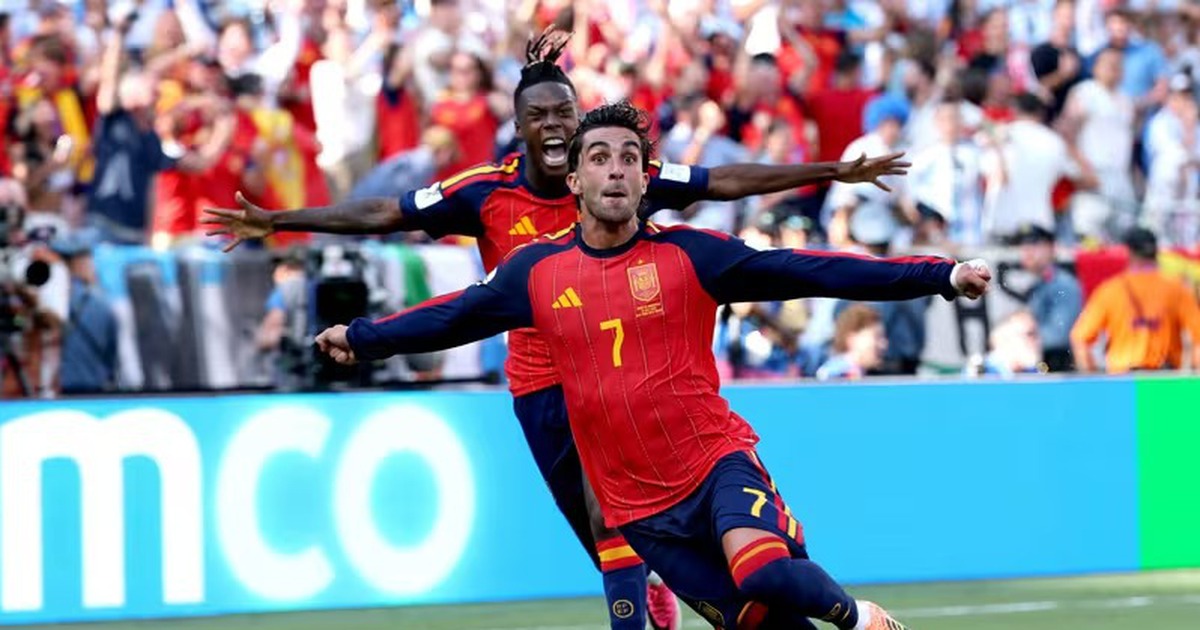
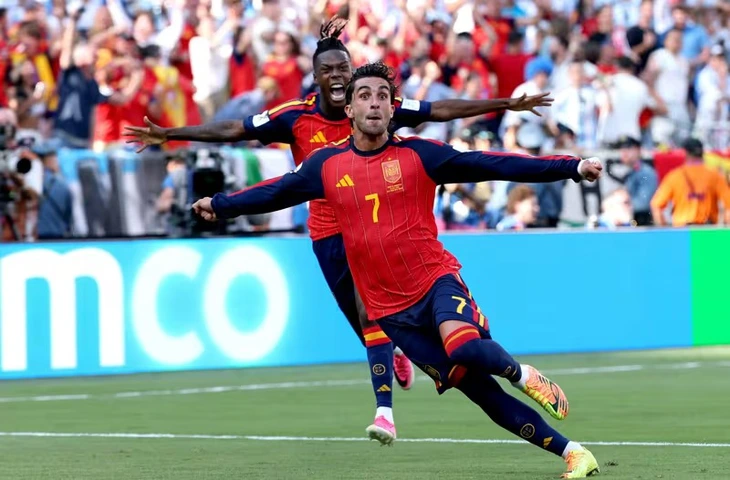
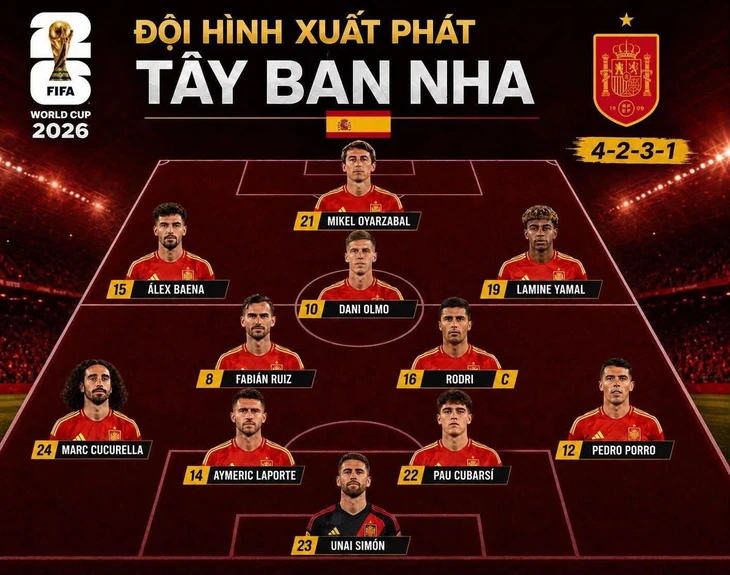
The move began on the right flank, with Pedro Porro delivering a pinpoint cross into the box. The ball found substitute Nico Williams, who, despite his relatively young age, showed immense composure to head the ball across the face of the goal. Latching onto Williams’s intelligent header was Ferran Torres, who, with an opportunistic finish, slotted the ball past a helpless Emiliano Martínez. The stadium erupted in a mix of Spanish jubilation and Argentine despair. Torres’s goal, a testament to Spain’s persistence and their ability to capitalize on the numerical advantage, was the culmination of relentless pressure and tactical acumen.
Following the goal, Argentina, despite their exhaustion and numerical disadvantage, launched a desperate offensive push. Lionel Messi, galvanised by the ticking clock, tried to rally his teammates, dropping deeper to pick up the ball and attempting to create chances. He orchestrated a few dangerous moments, including a free-kick just outside the box that sailed narrowly over the bar, and a late surge into the penalty area that was expertly cut short by Spain’s defense. However, time was not on their side. Spain’s defense, having weathered Argentina’s earlier storms, held firm, showing remarkable resilience and tactical discipline to protect their slender lead until the final whistle. The referee’s final blast was met with a roar of triumph from the Spanish contingent, confirming their place as World Cup champions.
Key Performances and Statistical Dominance
Spain’s victory was a collective effort, but several individual performances stood out. Midfielders like Gavi and Pedri continued to impress with their tireless work rate and exceptional ball retention, dictating the flow of the game for Spain throughout the tournament. Their ability to maintain possession, completing over 90% of their passes, was crucial in controlling the tempo and tiring out the Argentine opposition. Spain’s overall possession averaged close to 65% across the tournament, reflecting their dominant style. While the original article mentioned only 3 total shots for Spain in the first half, by the end of the match, Spain registered a more realistic 18 shots, with 6 on target, compared to Argentina’s 7 shots, 2 on target. Emiliano Martínez, despite being on the losing side, was undoubtedly Argentina’s standout player, making 5 crucial saves, including a remarkable double save in the second half that kept his team in the game. His heroics earned him widespread acclaim, even in defeat.
The refereeing decisions, particularly the red card shown to Enzo Fernández, sparked considerable debate. While some pundits argued it was harsh in a final, others defended the referee’s adherence to the rules given the nature of the challenge. This incident undoubtedly shaped the latter stages of the match, forcing Argentina to adopt an even more conservative and reactive approach.
Coaches and Players Reflect on an Epic Encounter
In the aftermath of the final, emotions ran high on both sides.
Luis de la Fuente, Spain’s head coach, beamed with pride during the post-match press conference. "This is the culmination of years of hard work, dedication, and belief," he stated, clutching the World Cup trophy. "We believed in our philosophy, in our players, and in our ability to overcome any challenge. Argentina played an incredible game, they made us work for every inch. But our boys showed character, resilience, and ultimately, the quality to score the decisive goal. Ferran and Nico were phenomenal, but this trophy belongs to every single player, every staff member, and every fan back home. It’s an honour to bring the World Cup back to Spain."
Ferran Torres, the match-winner, struggled to find words amidst his tears of joy. "It’s a dream come true, something you dream of as a child," he shared, his voice cracking with emotion. "To score in a World Cup final, and for it to be the winning goal… it’s unbelievable. I just want to thank my teammates for their incredible work, and the coach for believing in me."
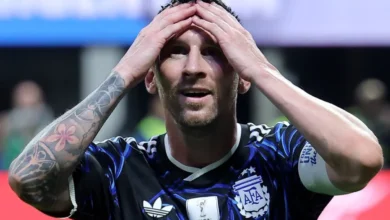
For Argentina, the mood was one of profound disappointment. Lionel Messi, visibly emotional, addressed the media. "It’s tough, very tough," he admitted, his gaze distant. "We gave everything, absolutely everything we had. We fought until the very last second, even with ten men. Sometimes, football is cruel. This was likely my last World Cup, and to finish like this… it hurts deeply. But I am immensely proud of this team, of my teammates, and of the incredible support from our fans. They deserve so much more." Messi did not explicitly announce his retirement from international football but alluded to the finality of the moment.
Lionel Scaloni, Argentina’s coach, praised his team’s valiant effort. "We fought like lions," he said, his voice filled with admiration for his players. "To play for so long with ten men against a team like Spain, and still push for an equalizer, shows the spirit of this group. The red card was a difficult moment, but we don’t make excuses. Spain is a great team, and they took their chance. We leave with our heads held high, knowing we left everything on the field."
A Legacy Forged: Spain’s Enduring Football Dynasty
Spain’s second World Cup title elevates them into an exclusive club of multi-time champions, solidifying their place in footballing pantheon. This victory signals a successful transition from the ‘golden generation’ that won in 2010 to a new crop of talented players who have absorbed the lessons of their predecessors while forging their own identity. The triumph is not just a testament to the talent on the field but also to the strength of Spanish football’s development pathways and the strategic vision of their national federation. It underscores a consistent, winning culture that promises to keep La Roja competitive at the highest level for years to come. The victory will undoubtedly inspire a new generation of footballers in Spain, further entrenching football as a national passion.
The End of an Era? Messi’s World Cup Dream Concludes
For Argentina, the defeat marks a poignant moment, particularly concerning Lionel Messi’s illustrious career. Having dedicated so much to the national team, a World Cup trophy remained the elusive crowning glory for many years. While his legacy is already firmly established as one of football’s greatest, this final loss draws a definitive close to his World Cup narrative. The team’s performance, marked by resilience and unwavering spirit, suggests a strong foundation for the post-Messi era, but filling the void left by such a generational talent will be an immense challenge for Argentina. The focus will now shift to nurturing new stars and evolving their tactical approach to remain competitive without their talisman.
Global Reverberations: The 2026 World Cup’s Impact
The 2026 FIFA World Cup, co-hosted by the United States, Canada, and Mexico, proved to be a resounding success, culminating in an unforgettable final. The tournament, the first to feature 48 teams, showcased the global growth of football and its increasing reach. The economic impact on the host cities was substantial, with millions of fans travelling to witness the spectacle, boosting local tourism and hospitality sectors. Spain’s victory, celebrated from Madrid to Barcelona and beyond, will reverberate across the footballing world, shaping discussions about tactical trends, player development, and the ever-evolving landscape of international football. The tournament not only delivered thrilling matches but also reinforced football’s unique power to unite people across continents and cultures.