PNJ Implements Staggered Payments for Gold and Silver Buybacks Amidst Soaring Demand

Phu Nhuan Jewelry Joint Stock Company (PNJ), Vietnam’s largest jewelry retailer, has introduced a significant change to its buyback policy for precious metals and gemstones, moving to a staggered payment system for customers selling back gold, silver, and diamond products. This new approach, which replaces immediate full cash payouts with a four-month installment plan, has sparked considerable discussion and operational adjustments across PNJ’s retail network.
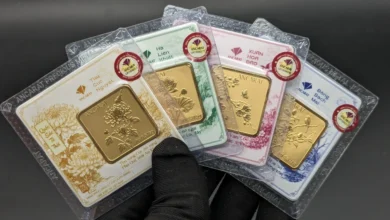
Under the revised policy, customers opting to sell their gold, silver, or diamond items back to PNJ will no longer receive the full transaction value upfront. Instead, they will be issued an initial payment of 10% of the total value on the day of sale. The remaining 90% will then be disbursed in four subsequent installments over a period of 120 days, effectively spreading the full payment over four months. This policy extends beyond just diamonds, encompassing a wide range of products including gold bars, gold rings, crafted jewelry, and silver items.
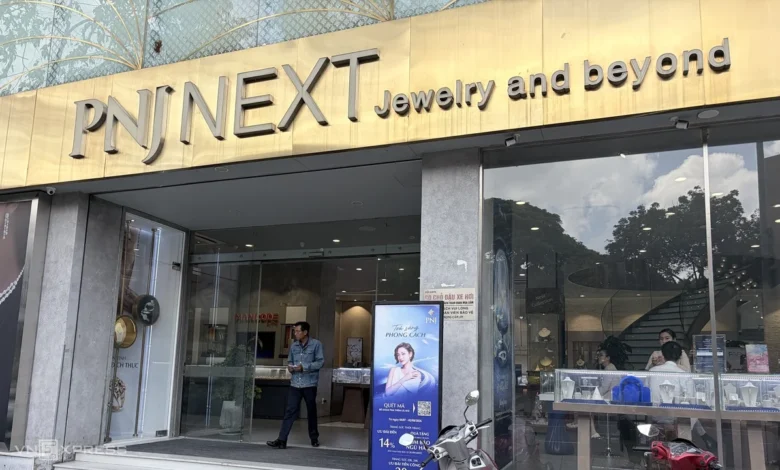
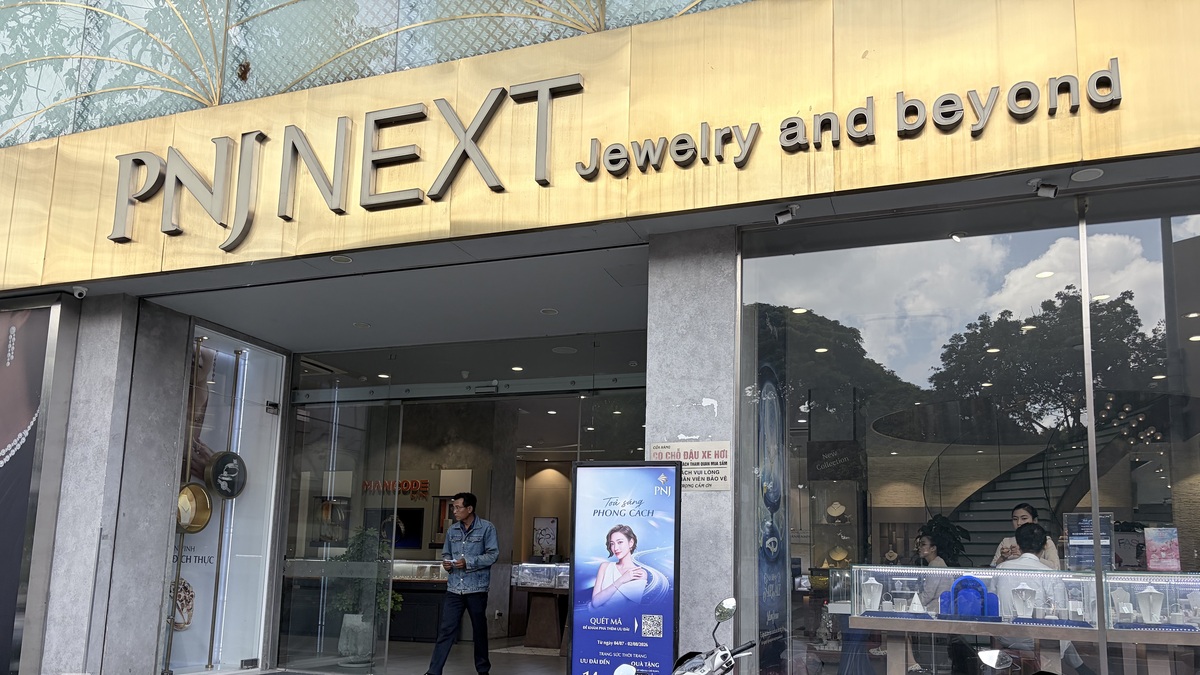
The immediate impact of this policy shift was evident across PNJ’s branches. For instance, at approximately 10 AM today, Mr. Khanh from Tan Thuan ward visited the PNJ Next store on Hai Ba Trung Street to sell a branded gold ring. Upon arrival, he was informed by staff that the branch had already exhausted its daily purchase quota, rendering it unable to process his transaction. He was advised to visit other PNJ locations.
Further clarification from staff at other branches revealed the specifics of the new payment structure. If Mr. Khanh were to sell his gold for cash, he would not receive the full amount immediately. The payment would be divided into five installments. After the initial 10% payment on the transaction day, the remaining balance would be paid out according to a detailed schedule, with the final payment made 120 days after the initial sale.
The specific payment schedule PNJ is now applying is as follows:
- Day of Sale: 10% of the total value paid. (Cumulative: 10%)
- Day of Sale + 30 days: 20% of the total value paid. (Cumulative: 30%)
- Day of Sale + 60 days: 25% of the total value paid. (Cumulative: 55%)
- Day of Sale + 90 days: 25% of the total value paid. (Cumulative: 80%)
- Day of Sale + 120 days: 20% of the total value paid. (Cumulative: 100%)
This new process applies broadly across PNJ’s product lines, including gold bullion, auspicious gold items, diamond rings, precious stones, crafted jewelry, and collectible gifts.
Market Dynamics and Operational Challenges
The implementation of this staggered payment system comes amidst a period of heightened activity in Vietnam’s precious metals market. Observers from VnExpress noted a significant increase in customer traffic at PNJ stores, with many individuals seeking to offload their gold and diamond assets. This surge in selling interest is believed to be a primary catalyst for PNJ’s revised policy, as the company likely seeks to manage its liquidity and inventory in response to overwhelming demand.
Reports from the Hai Ba Trung branch, a major PNJ outlet, indicated that its daily purchase limits for all product categories, including diamonds, gold, and other jewelry, were completely utilized by as early as 9:30 AM, just 30 minutes after opening at 9:00 AM. Customers arriving after this time were uniformly advised to explore alternative options, such as exchanging their items for other products. Some branches, like the PNJ store on An Duong Vuong Street, reportedly still had capacity for diamond buybacks by midday, suggesting a highly localized and dynamic operational landscape.
Alternative Transaction Options: Product Exchange
Recognizing the immediate need for some customers, PNJ also offers a product exchange option. If customers choose to trade their items for other PNJ products, the transaction is processed immediately. This option often comes with incentives, such as a 6% discount for exchanging diamonds for 24K gold jewelry (e.g., rings or gold pieces), effectively providing an instant benefit while maintaining asset value within the PNJ ecosystem.
However, a critical regulatory caveat exists: loose diamonds cannot be exchanged for gold bars or gold pieces. This restriction is explicitly linked to Decree 232, underscoring the State Bank of Vietnam’s stringent regulations concerning the domestic gold market, particularly the trading of gold bullion. This regulatory framework often aims to stabilize the market and prevent speculative activities. Customers also have the flexibility to combine both methods, taking a partial deferred cash payment and exchanging the remaining value for other products.
Expert Analysis and Implications for Customers
Mr. Nguyen Quang Son, Director of Private Asset Management (North Star) at FIDT Investment Advisory and Asset Management Company, offered a critical perspective on PNJ’s new policy. He acknowledged that the deferred cash payment option allows customers to convert their assets into cash, albeit under PNJ’s defined schedule. However, he emphasized the significant "loss of liquidity" for sellers, as only 10% of the value is received upfront, with the bulk of the payment delayed over four months. This delay exposes sellers to various risks, including the opportunity cost of not having immediate access to their funds and the potential risk associated with the company’s future ability to fulfill its payment obligations.
Regarding the product exchange option, Mr. Son noted that while it offers immediate transaction completion and potential discounts, it merely represents an asset swap rather than a true conversion to cash. This might not align with the needs of customers requiring immediate liquidity. The combined approach, he suggested, could suit individuals who need some immediate cash while also wishing to retain asset value or diversify their holdings. However, he cautioned that customers must carefully calculate the value of the exchanged products, the amount of cash still pending, and the waiting period.
Specific Product Considerations for Sellers
Mr. Son provided specific advice for different types of precious metal assets:
-
Diamonds: Owners should meticulously check invoices, certificates, grading reports, laser inscriptions on the stone’s girdle, and request written confirmation of the buyback policy applicable to their specific product. If immediate cash isn’t urgently needed and documentation is complete, it might be prudent to monitor the market rather than selling in a period of psychological instability. Selling only for 10% upfront and waiting 120 days for the remainder may not be optimal for short-term cash needs.
-
Gold Jewelry: The design, craftsmanship, and brand value associated with gold jewelry are often not fully recovered during a buyback. Individuals who purchased gold jewelry for personal adornment or long-term keeping might not need to rush to sell solely because of the altered payment method.

-
Gold Rings (24K) and Gold Bars: These items, possessing high gold content, typically offer better liquidity compared to diamonds or crafted jewelry, as their core value lies in the gold weight. Sellers should compare buyback prices across multiple licensed dealers, understand their appraisal methods, and any applicable deductions. It’s important not to assume that PNJ is the only viable buyer, even if selling elsewhere might incur additional appraisal fees or result in a raw material price rather than a crafted item price.
-
Silver: The majority of PNJ’s silver products are jewelry or gifts, with significant value tied to design, craftsmanship, and brand—values that are challenging to fully recoup during a buyback. The actual cash received depends on the silver’s purity and weight after appraisal, as well as the buyer’s policy. Given that individual silver transactions are usually not high in value, owners of silver jewelry for personal use should not feel pressured to sell out of anxiety. If selling is necessary, compare buyback prices, deduction rates, and payment terms across various entities.
Broader Market Context: Vietnam’s Gold Market
Vietnam’s gold market is unique, characterized by strong cultural affinity for gold as a store of wealth and the State Bank of Vietnam’s tight control, particularly over SJC gold bars. The domestic price of SJC gold often trades at a significant premium to international gold prices, creating complexities for both buyers and sellers. Recent global economic uncertainties and domestic factors have likely fueled increased demand for gold as a safe-haven asset, leading to both higher purchase volumes by consumers and now, potentially, increased selling by those needing liquidity. PNJ’s policy shift can be seen as a response to this dynamic environment, aiming to manage its own financial flows and inventory levels effectively. However, it also highlights the challenges in maintaining high liquidity in a controlled market.
Strategic Checklist for PNJ Product Holders
Mr. Son concluded by advising PNJ product holders to critically evaluate four key questions before making any decisions:
- Do I genuinely need cash within the next 120 days?
- What type of product do I hold (diamond, gold bullion, gold jewelry, or silver)?
- What is the net amount I will receive after appraisal and all applicable deductions?
- Am I willing to accept the staggered payment schedule and the associated risks for the unreceived portion of the payment?
He further elaborated: "If cash is not immediately needed, if the product has complete documentation, and if it continues to serve its intended purpose, customers should calmly observe the market. However, if liquidity is a priority, customers should prioritize options that yield genuine cash, compare prices from multiple licensed entities, and demand clear written confirmation of the transaction value, payment schedule, and the exact timing for receiving the full amount."
PNJ’s new deferred payment policy marks a notable change in the landscape of precious metal transactions in Vietnam. While it likely serves PNJ’s operational and liquidity management objectives during a period of high market activity, it fundamentally alters the immediate liquidity prospects for customers. This development underscores the importance of informed decision-making and thorough due diligence for consumers navigating Vietnam’s complex and highly regulated gold and jewelry market.
Related posts: