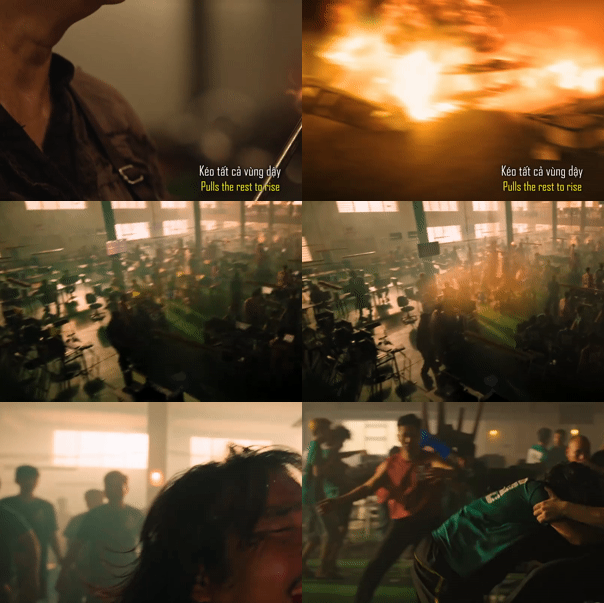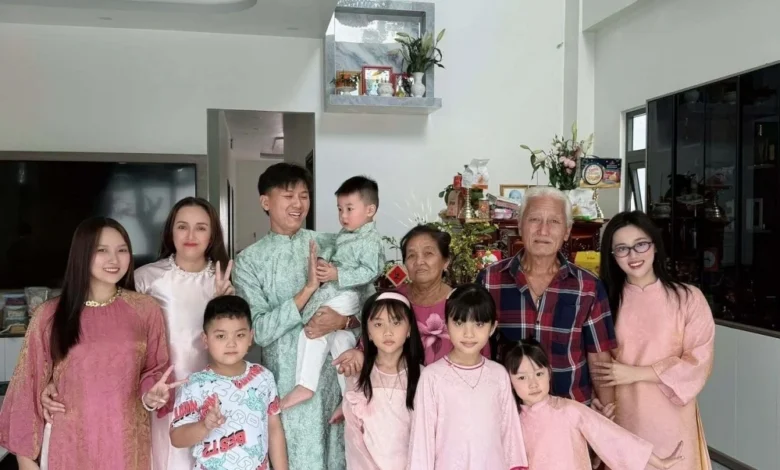
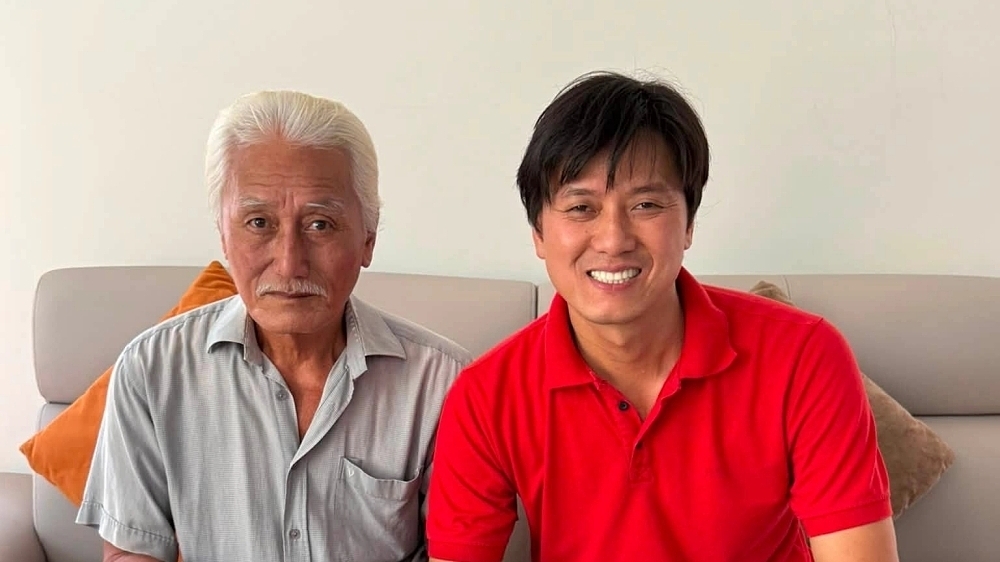
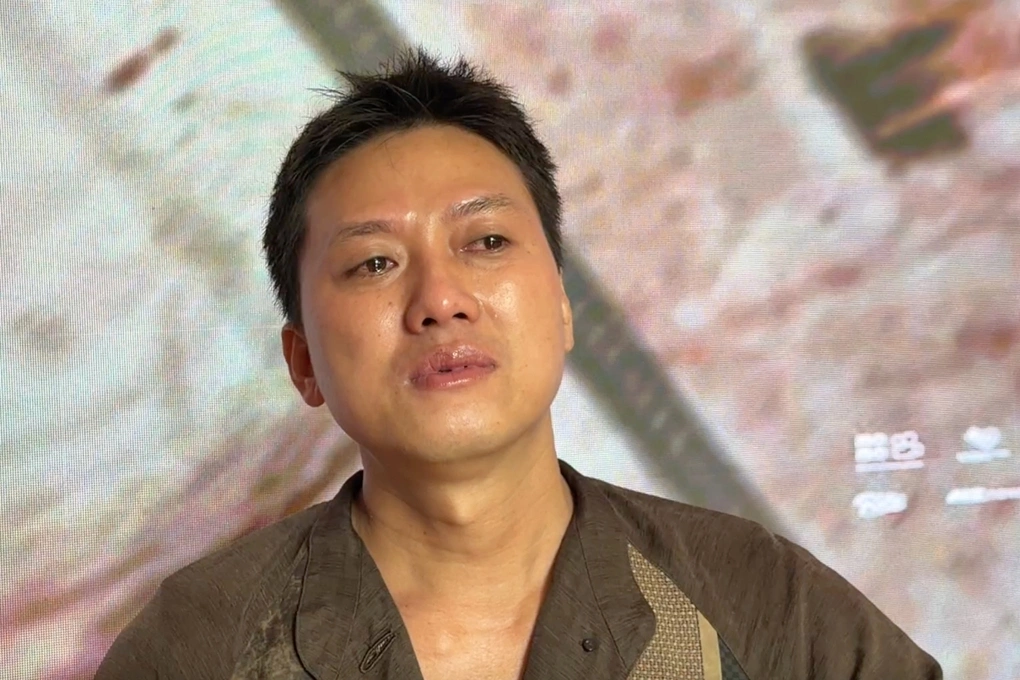
In a poignant revelation during the press conference for his latest film project, "Trái buồn người" (The Sorrow of the Heart), held on September 25, 2026, actor Quách Ngọc Tuyên shared the deeply personal achievement of fulfilling a lifelong ambition: constructing a substantial, modern home for his elderly parents in his hometown of Tây Ninh. For the acclaimed Vietnamese actor, this milestone represents more than just architectural success; it serves as a testament to years of financial discipline, professional resilience, and a profound sense of filial duty that has driven his career trajectory for over a decade.
A Journey from Hardship to Stability
The narrative of Quách Ngọc Tuyên’s life is one of humble beginnings, defined by the relentless work ethic of his parents. During the 1980s, his family struggled to make ends meet in a rural landscape. His parents, deeply committed to the education and well-being of their children, engaged in grueling labor to provide for the family. Recounting his upbringing, Tuyên described his parents rising as early as 3:00 AM to harvest produce and transport it to Ho Chi Minh City, returning home only in the late hours of the night.
The family’s living conditions remained challenging for over three decades. They resided in a modest, flat-roofed house lacking proper windows, which often left them vulnerable to flooding during the rainy season. These formative years of economic instability—where even the celebration of Lunar New Year was delayed until the day’s work was finished—shaped Tuyên’s professional motivation. He explicitly cited his childhood experiences with charity organizations, where he often stood in lines to receive essential goods on behalf of his struggling family, as the primary catalyst for his determination to secure his parents’ future.
The Construction Milestone
The new residence is a 130-square-meter, two-story structure featuring ten bedrooms, designed to accommodate his parents, extended family, and visiting guests. Beyond the main house, Tuyên has also overseen the construction of a secondary, smaller residence adjacent to the main building. This auxiliary space is intended for his older brother and his family, facilitating a multi-generational living arrangement where family members can easily support one another and care for their aging parents.
Construction reached its final stages in late 2025, with interior design and finishing touches completed throughout the early months of 2026. The transition into the new home was an emotional landmark for the family. Tuyên noted that the moment his mother walked through the space, she was overwhelmed with tears, marking the end of a long, arduous journey toward stability.
Professional Context and Financial Discipline
Quách Ngọc Tuyên’s ability to undertake such a significant project is the result of a diverse and highly successful career in the Vietnamese entertainment industry. Born in 1984 and a graduate of the Ho Chi Minh City University of Theatre and Cinema, Tuyên honed his craft under the mentorship of veteran artist Hữu Lộc at the Nụ Cười Mới stage.
His career has spanned several media formats, including:
- Early Television and Film: Roles in "Giải cứu tiểu thư 3" and "Giang hồ chợ mới" established his reputation as a versatile character actor.
- Web Drama Dominance: In 2019, Tuyên shifted his focus toward web drama production. His series, most notably "Vi Cá tiền truyện" and "Cái Tết của thằng Khờ," achieved viral success, garnering tens of millions of views on YouTube and setting a new benchmark for independent digital content in Vietnam.
- Box Office Success: His recent involvement in Lý Hải’s "Lật mặt 7" (Face-Off 7) in 2024, which generated over 480 billion VND in revenue, significantly bolstered his financial standing and industry influence.
Tuyên credits his wife as a foundational partner in this project. Beyond her role in managing their two children, she has acted as a key strategist in planning the project’s budget, sourcing construction materials, and coordinating with professional contractors. This collaborative effort allowed Tuyên to maintain his focus on acting and promotional commitments while ensuring the house was built to his precise specifications.
Broader Implications and Cultural Significance
The act of "báo hiếu" (filial piety) holds significant cultural weight in Vietnamese society. For high-profile figures, the public sharing of such milestones often serves to humanize the celebrity, bridging the gap between their public persona and private values.
From a broader socio-economic perspective, the transition of families from subsistence-level housing to modern, stable environments reflects the upward mobility of the post-reform generation in Vietnam. Tuyên’s journey is representative of many artists who utilize their platforms to provide a "social safety net" for their families. By investing in a home that houses multiple generations, Tuyên is effectively mitigating the long-term care risks associated with aging, ensuring that his parents remain within a supportive, familiar family environment.
Chronology of the Project
- 1980s–2010s: Extended period of economic hardship and substandard living conditions for the Tuyên family.
- 2019: Expansion of personal production ventures (Web Dramas), providing the initial capital necessary for long-term financial planning.
- 2024: Commercial success of "Lật mặt 7," providing the primary financial influx required to accelerate the construction timeline.
- Late 2025: Structural completion of the 130-square-meter family residence.
- Early 2026: Finalization of interior design and relocation of the parents into the new home.
- September 2026: Public acknowledgment of the milestone during the promotional tour for "Trái buồn người."
Future Outlook
As Tuyên continues to balance his responsibilities as a father, a husband, and a prolific performer, the completion of the family home marks a shift in his personal life. Having fulfilled his primary promise to his parents—a commitment he repeated during every New Year’s Eve celebration for years—Tuyên appears poised to channel his energy into more complex, challenging artistic roles.
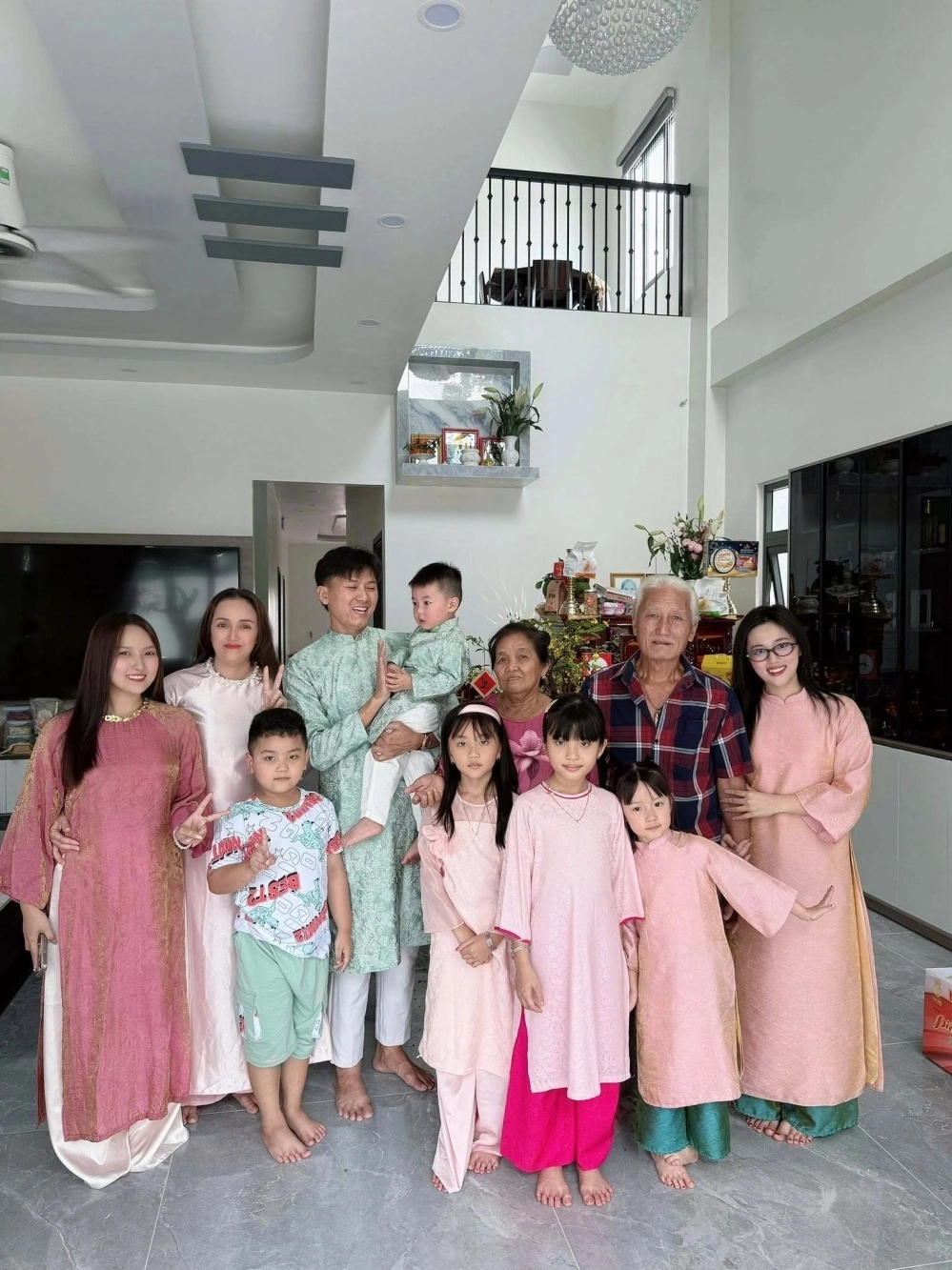
The story of the house in Tây Ninh remains a testament to the resilience of the immigrant and rural-to-urban success stories common in the modern Vietnamese landscape. It highlights a critical intersection between the rapid growth of the digital entertainment industry and the enduring traditional values of family loyalty. As Tuyên moves forward in his career, the "ten-bedroom home" stands as a physical manifestation of his journey from a child helping his father push a tricycle to a leading figure in contemporary Vietnamese cinema.