Mid-Autumn festival spirit arrives at Gia Dinh People’s Hospital through traditional crafts and storytelling

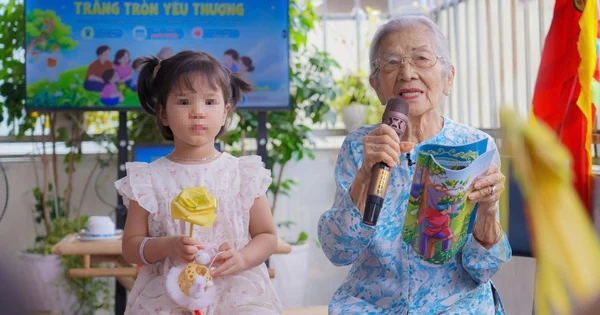
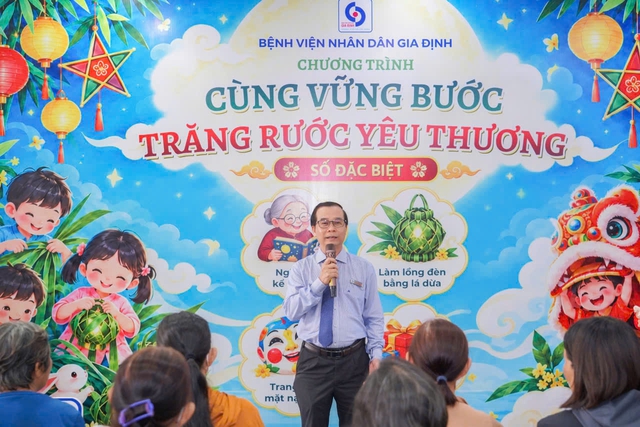
The sterile corridors of the Pediatric Department and the Hematology Ward at Gia Dinh People’s Hospital were transformed into vibrant hubs of cultural celebration this week as part of a series of events titled "Full Moon of Love." For many young patients and long-term residents undergoing rigorous medical treatment, the Mid-Autumn Festival—traditionally a time for family reunions and childhood joy—was brought directly to their bedside through the preservation of Vietnamese heritage. By incorporating traditional crafts such as hand-weaving pineapple leaf lanterns and painting paper masks, the hospital administration and social work departments aimed to provide more than just medical care; they sought to offer emotional solace and a sense of normalcy in an otherwise challenging clinical environment.
A Chronology of Compassion: Bridging the Gap Between Hospital and Home
The festivities commenced on September 22, focusing on the Hematology Ward, where approximately 20 patients, their caregivers, and medical staff gathered for a session titled "Joyful Full Moon." Under the guidance of professional art instructors, participants moved away from the clinical routines of blood tests and infusions to focus on the intricate task of painting paper masks—a quintessential symbol of the Vietnamese Mid-Autumn tradition.
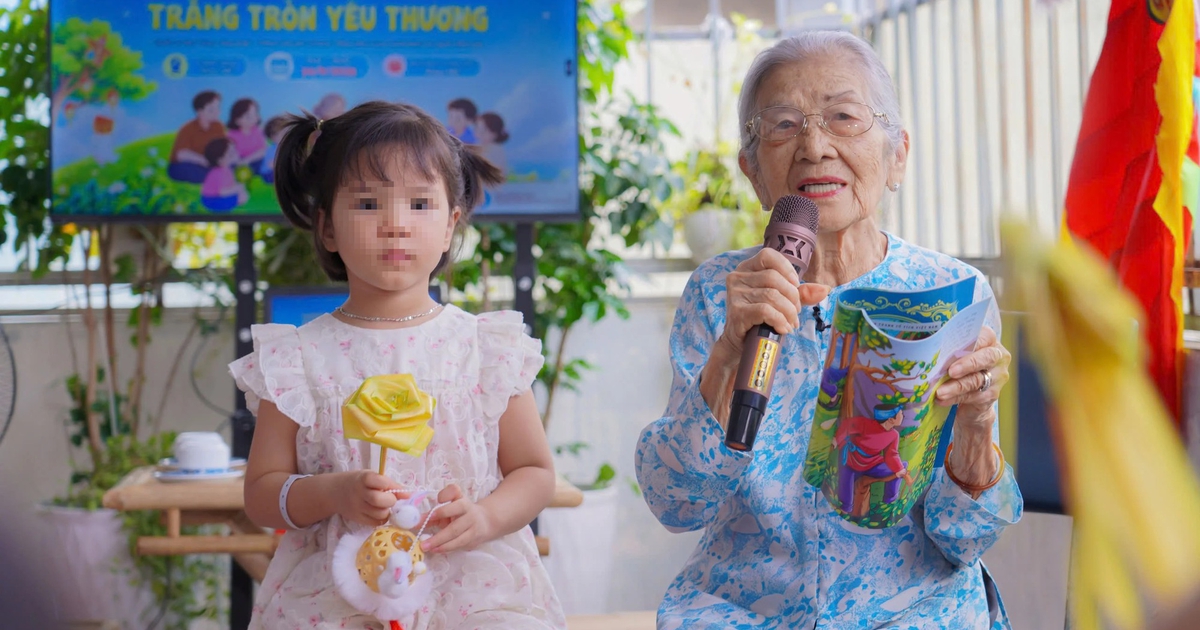
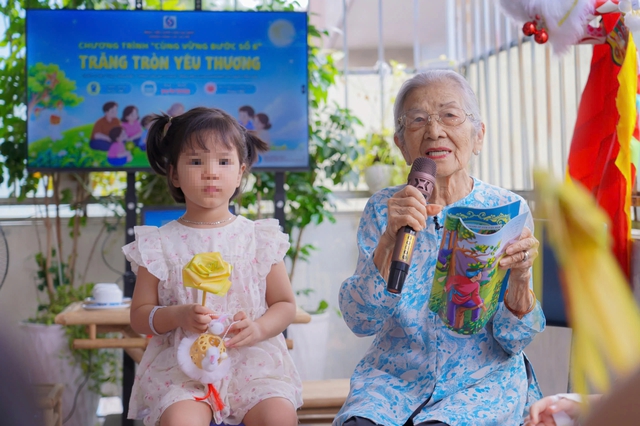
Following this, on September 24, the Pediatric Department hosted the second phase of the program, featuring a performance and storytelling session led by artist Phi Dieu. The program, "Listening to Grandma’s Tales," transported children into the folklore of the Moon Man (Chú Cuội) and the celestial palace, a narrative that has served as a cornerstone of childhood imagination in Vietnam for generations. The event concluded with a live demonstration of traditional lantern-making using pineapple leaves, where hospital staff and volunteers guided the children through the delicate art of folding and weaving, resulting in various shapes that illuminated the hospital corridors.
The Therapeutic Role of Cultural Engagement in Clinical Settings
The significance of these activities extends beyond simple recreation. Modern medical research increasingly recognizes the role of "hospital play" and arts-based interventions in pediatric care. By providing cognitive and sensory stimulation, these programs help mitigate the "white coat hypertension" and anxiety often associated with long-term hospital stays.
For 8-year-old D.N.B.C., a patient currently receiving treatment for a digestive condition, the opportunity to participate was a welcome reprieve. "I feel very happy and excited," she remarked, noting that it was her first experience learning to craft a lantern from natural materials. This sentiment was mirrored by adult patients in the Hematology Ward. P.T.N.N., a 58-year-old patient who has been undergoing treatment for over three years, expressed the profound impact of the event: "Even though we are in a hospital, experiencing this atmosphere makes me feel warm and cared for. It takes the focus away from the illness, even if just for an afternoon."
Official Perspectives on Patient-Centered Care
Dr. Vu Hong Minh Cong, Deputy Director of Gia Dinh People’s Hospital, emphasized that these initiatives are part of a broader shift toward holistic, patient-centered care. According to Dr. Cong, the hospital’s Social Work Department is tasked with not only coordinating logistics but also ensuring that the mental health of patients remains a priority alongside physical treatment.
"The objective is to allow these children and long-term patients to experience the warmth and communal spirit of the festival," Dr. Cong stated. "When patients are in a positive mental state, their resilience during the treatment process increases. We are essentially providing a form of psychological support that is just as critical as the medical interventions themselves."
Nursing staff, such as Nguyen Le Anh Thu Trang, observed that the collaborative nature of the crafts—where staff and patients work side-by-side—breaks down the traditional power dynamic of the patient-provider relationship, fostering a more collaborative and empathetic environment.
Data and Context: The Broader Impact of Medical Social Work
In urban hospital settings like Gia Dinh, where bed turnover is high and the patient-to-staff ratio is demanding, social work departments play a vital role. While specific outcome data for this year’s festival is still being compiled, historical analysis of similar programs in major metropolitan hospitals indicates a measurable decrease in reported patient distress levels during holiday periods.
The Mid-Autumn Festival, or "Tết Trung Thu," is rooted in the lunar calendar and serves as a major cultural pillar in Vietnam. For children, it is a rite of passage, and for many parents of pediatric patients, missing this milestone due to hospitalization can be a source of significant guilt. By facilitating these celebrations, the hospital provides a platform for families to create positive memories, effectively "normalizing" the hospital environment.
Furthermore, the inclusion of traditional, sustainable crafts like pineapple leaf lanterns serves an educational purpose. In an era dominated by mass-produced plastic toys, the revival of traditional crafts allows younger generations to connect with the ingenuity and resourcefulness of their ancestors.
Future Implications and Institutional Sustainability
The success of the "Full Moon of Love" program underscores a growing trend in the Vietnamese healthcare sector: the professionalization of the patient experience. The hospital’s commitment to such events reflects a strategic allocation of resources toward social work, acknowledging that the "cure" is not merely biological but social and emotional.
As the hospital looks toward future celebrations—such as the Lunar New Year or International Children’s Day—the model established during this Mid-Autumn festival provides a blueprint for scalability. The key lies in the partnership between hospital administration, local artisans, and volunteer networks. By integrating these external resources, the hospital can continue to offer high-quality cultural programming without diverting essential clinical staff from their primary duties.
In conclusion, the transformation of the Pediatric and Hematology wards at Gia Dinh People’s Hospital is a testament to the power of community-driven healthcare. By turning a site of healing into a space for celebration, the institution has successfully demonstrated that even amidst the challenges of chronic or acute illness, the human spirit can find joy, connection, and a renewed sense of purpose through the preservation of tradition. As these young patients and their families continue their medical journeys, they do so with the flickering light of a hand-woven lantern as a reminder that they are not just patients, but members of a community that values their joy as much as their health.
Related posts: