Transforming Vietnam’s Heritage into Economic Capital: The Strategic Evolution of National Culture Day

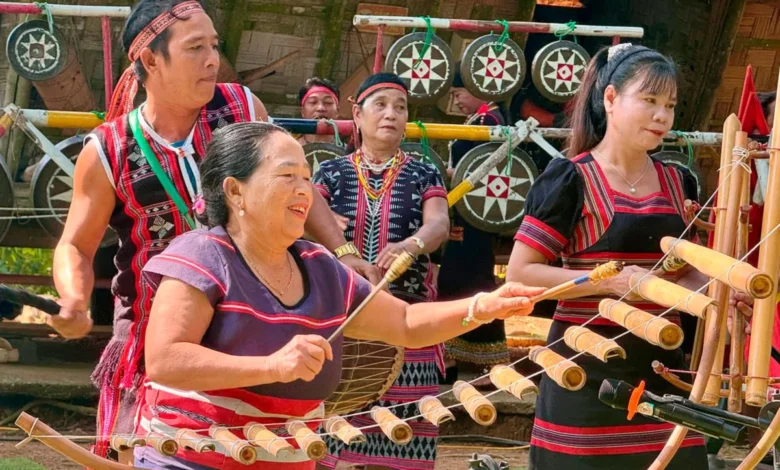
November 24 has steadily transitioned from a routine commemoration on the national calendar into a vital annual touchstone, compelling every Vietnamese citizen to reconnect with their foundational cultural heritage. As Vietnam looks toward an era defined by rapid technological shifts and global economic integration, the nation possesses an immense, yet largely underutilized, treasury of tangible and intangible cultural assets. Historically, a significant portion of these assets has remained scattered, trapped in a state of administrative neglect, or reliant almost entirely on meager and restrictive state budget allocations. The imperative task of transforming cultural heritage from passive historical artifacts into dynamic economic capital can no longer be addressed through outdated administrative paternalism or rigid bureaucratic methods. Instead, the observance of National Culture Day on November 24 must serve as a powerful catalyst for institutional reforms within the cultural industries, converting historical and artistic values into high-value commercial products and services.
The Historical Significance and Background of National Culture Day
The recognition of cultural preservation as a fundamental pillar of national strength dates back decades, evolving alongside Vietnam’s broader socio-economic development policies. Following the landmark 1998 Party Central Committee Resolution (8th Plenum) on building and developing an advanced Vietnamese culture imbued with national identity, successive administrations have sought ways to elevate the sector. However, the operational framework often lagged behind practical demands, treating culture primarily as a recipient of ideological guidance rather than an active participant in national economic growth.
Recognizing this bottleneck, the government has increasingly emphasized that culture must stand shoulder-to-shoulder with the economy. This shift gained substantial legal and administrative momentum with the issuance of Directive No. 35/CT-TTg by Prime Minister Pham Minh Chinh regarding the organization of National Culture Day, closely tied to the National Great Unity Festival. This directive marked a crucial turning point, calling for concrete actions rather than symbolic gestures. It explicitly mandated the reduction, subsidization, or total elimination of admission fees, ticket prices, and related operational costs at public museums, historical monuments, scenic spots, and cultural-sports facilities nationwide during the commemorative periods.
Strategic Pillars for Cultural Industrialization
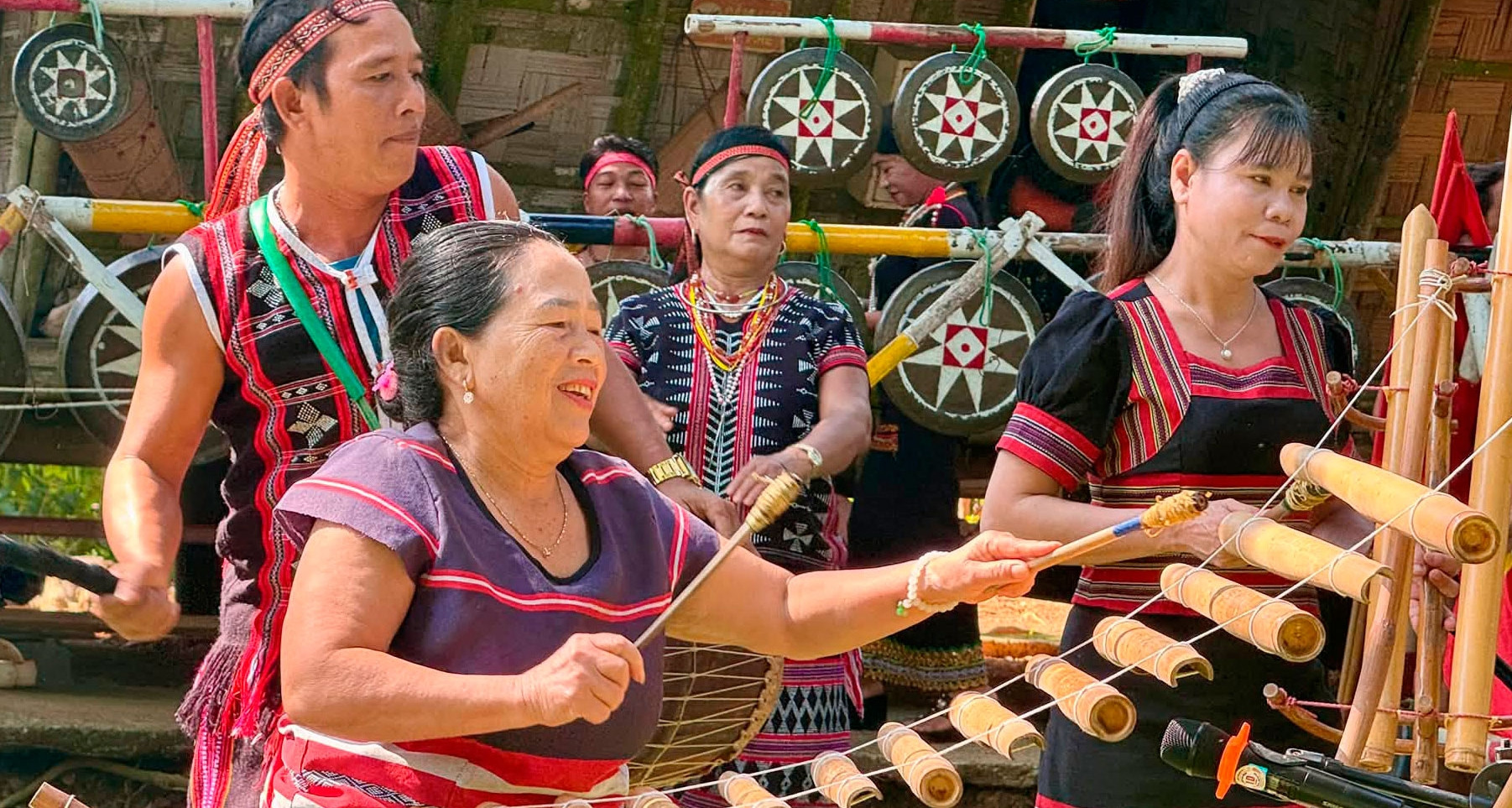
To achieve a profound breakthrough in how cultural assets are managed and monetized, policy frameworks must transition swiftly from passive commemoration to active economic activation through four strategic pillars. These pillars form the blueprint for releasing creative energy and establishing a self-sustaining cultural economy.
First, breaking the status quo requires forging robust Public-Private Partnerships (PPPs). The single greatest obstacle to maximizing the value of cultural heritage in Vietnam remains the financial bottleneck and restrictive legal mechanisms governing public assets. Thousands of public theaters, museums, and historical sites currently suffer from a lack of capital for modernization and an absence of market-driven management expertise. Simultaneously, major economic corporations, private investors, and independent creative enterprises possess substantial capital reserves, agility, and modern technological capabilities, yet they frequently encounter legal barriers when attempting to collaborate with the state.
If administrative regulations concerning public asset management and profit-sharing are not reformed, the country risks squandering vast social resources. National Culture Day must function as a regulatory and operational laboratory where the state boldly tests models such as decentralized management, shared investment, and collaborative creative spaces between the public and private sectors.
Second, the digital transformation of heritage brings traditional culture into the digital age. No creative industry can remain immune to the ongoing technological revolution. Preserving heritage today can no longer rely solely on dusty museum display cases or archival text; it demands digitization through 3D scanning, artificial intelligence (AI), virtual reality (VR), and augmented reality (AR). By introducing national treasures, traditional folk music, and heritage spaces into digital ecosystems, institutions not only provide engaging, living experiences for Gen Z and Gen Alpha consumers but also open access to the global digital cultural product market. This digital pivot represents the shortest pathway for Vietnamese culture to establish vibrant competitiveness on international platforms.
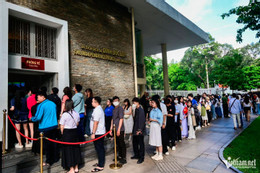
Third, cultural stimulus measures must actively engage the population. According to proposals from cultural authorities and industry experts, the state must act as an economic conductor, deploying targeted fiscal and monetary tools. One such measure is the implementation of a national open-door policy, instructing public cultural, artistic, and sports institutions nationwide to open their doors simultaneously, offering free or state-subsidized programs to the public. Another innovative tool is the issuance of cultural vouchers. By providing shopping vouchers for books, theater tickets, and artistic performances to students, young people, and industrial park workers, the government can directly support citizens while simultaneously nurturing creative institutions. Furthermore, clear and transparent corporate tax incentives, reduced tax rates, and cost-subsidies for private entities that organize free cultural events for local communities can dramatically accelerate the socialization of culture.
Fourth, elevating National Culture Day into an international brand offers a broader global perspective. Cultural experts suggest that the annual event can easily be scaled up to become an annual International Culture and Creative Week. By modeling this initiative after successful international templates found in countries like France or South Korea, Vietnam can establish a recognizable global destination brand. Such an event could anchor international film festivals, creative industry trade fairs, heritage fashion weeks, and regional economic forums. The soft power of a nation is ultimately measured by the cross-border reach, influence, and economic footprint of its cultural products.
Official Responses and Implementation Infrastructure
The Ministry of Culture, Sports and Tourism has taken decisive steps to operationalize these strategic goals. Central to this implementation infrastructure is the rollout of the Digital Map of Vietnamese Culture, a technological initiative spearheaded by the ministry and previewed ahead of its nationwide rollout.
Mr. Cao Le Tuan Anh, Chief of Office at the Ministry of Culture, Sports and Tourism, detailed the functionality of this digital platform during official briefings. Engineered for high operational flexibility, the digital map functions seamlessly across desktop interfaces and mobile smartphone applications, enabling citizens and international tourists to easily locate cultural, athletic, and tourism events occurring nationwide.
When users select specific geographic hubs such as Hanoi, Da Nang, Ho Chi Minh City, or Quang Ninh, the system automatically aggregates relevant data, including the number of events, schedules, locations, event scales, cultural significance, and ticketing information—distinguishing between free and paid access. Crucially, the cultural map integrates a direct navigation link with Google Maps to assist users with seamless travel logistics.
"The long-term objective of this digital map is to provide an interactive mechanism between the state, citizens, and enterprises to serve the development of the cultural industry," Mr. Tuan Anh stated, emphasizing its immediate utility for upcoming national observances.
In parallel with digital infrastructure, the ministry has coordinated with municipal authorities, notably the People’s Committee of Hanoi, to prepare high-profile artistic programs, art exhibitions, and specialized seminars focusing on the trajectory of Vietnamese culture during the international integration phase. These events are designed to anchor the broader national agenda, shifting the public perception of cultural holidays from quiet days off to energetic celebrations of creative output.
Economic Implications and Broader Societal Impact
The broader implications of this strategic policy shift extend far beyond temporary festive engagement. Economically, transitioning from state-funded preservation to market-integrated commercialization reduces the fiscal burden on the central budget while generating new revenue streams for local communities. Creative industries, when unburdened by archaic legal restrictions, generate employment for thousands of artists, technologists, curators, and hospitality workers.
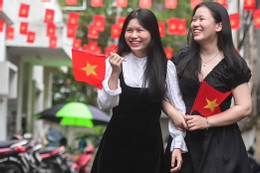
Societally, embedding cultural consumption into the daily lives of ordinary citizens fosters a stronger sense of national identity and social cohesion. When students, laborers, and urban professionals can freely access historical sites, museums, and high-art performances through targeted voucher programs and open-door initiatives, culture ceases to be an elite luxury and becomes a shared public good. This widespread engagement builds a resilient psychological foundation, reinforcing national self-esteem in an increasingly interconnected and globally homogenized world.
Furthermore, fostering Public-Private Partnerships in the cultural sector encourages corporate social responsibility to intersect with commercial innovation. Major private conglomerates that invest in restoring heritage sites or sponsoring independent creative zones are discovering that cultural investments yield substantial brand equity alongside economic returns. By clarifying tax regulations and streamlining administrative approvals, the state creates an inviting ecosystem where private capital is mobilized efficiently for the public good.
Conclusion: Stepping into a New Era of Cultural Prosperity
The evolution of National Culture Day reflects a maturation in Vietnam’s governance philosophy. By acknowledging that the core of culture lies in human agency, creative freedom, and national pride, the state is laying the groundwork for a thriving cultural economy.
When the government establishes attractive policies, private enterprises embrace creative enterprise, and citizens actively participate in vibrant cultural atmospheres, historical heritage naturally transforms into an inexhaustible source of spiritual and economic energy. The annual observance of November 24 will no longer be remembered merely as an isolated calendar entry, but as a perennial reminder of the foundational importance of cultural preservation. By unlocking the administrative bottlenecks that have historically restricted the sector, Vietnam is well-positioned to convert its millennia-old heritage into a driving force for sustainable national development, securing its rightful place on the map of global civilization.