One Hundred Years of Solitude Part Two brings the final chapter of the Buendía family saga and the decline of Macondo to the screen

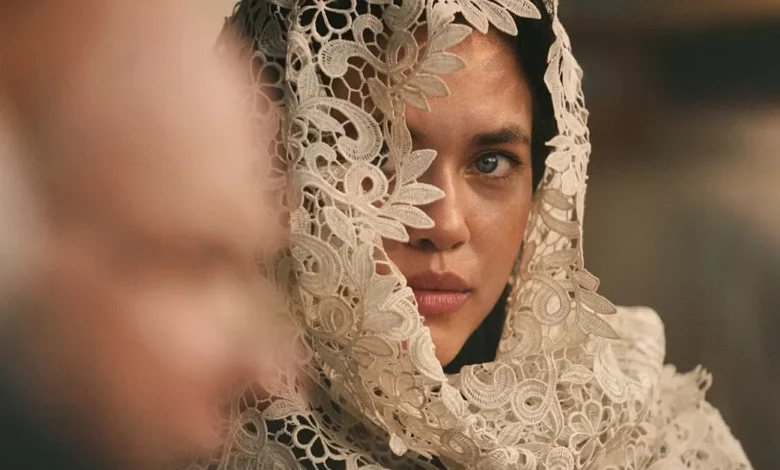
The second installment of the Netflix adaptation of Gabriel García Márquez’s seminal literary masterpiece, One Hundred Years of Solitude, has officially arrived, marking the conclusion of an ambitious project that attempts to translate the untranslatable. Picking up where the first season left off, the final eight episodes navigate the complex, multi-generational collapse of the Buendía dynasty and the inevitable erasure of the mythical town of Macondo. As the narrative transitions from the foundational myths of the town’s origin to the encroaching pressures of 20th-century modernization, the series confronts the devastating impacts of political instability, corporate exploitation, and the inescapable weight of ancestral destiny.
A Chronology of Decline: The Final Fifty Years
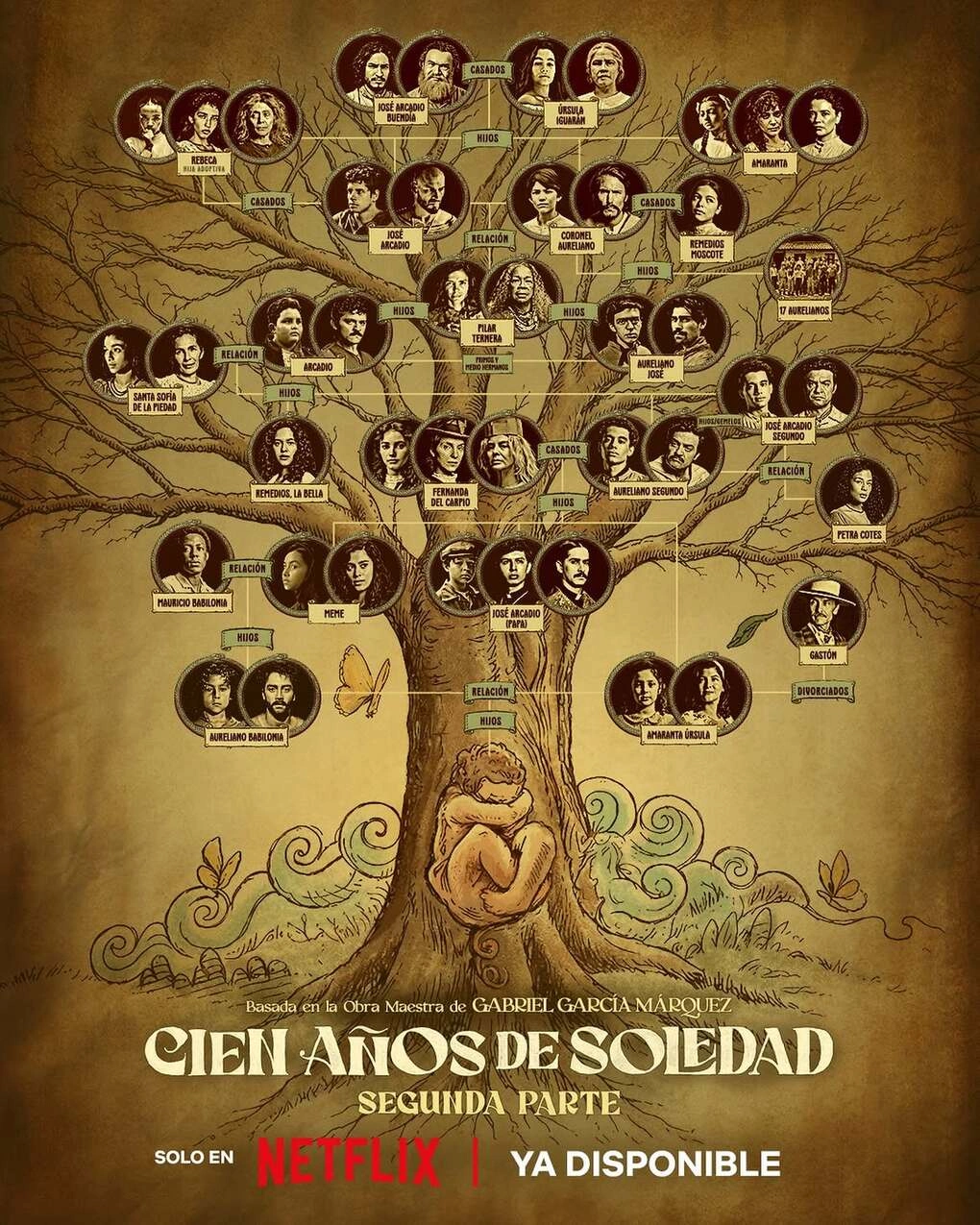
The narrative arc of the second season covers the final half-century of Macondo’s existence, a period defined by transition and eventual destruction. At the turn of the 20th century, the patriarch Colonel Aureliano Buendía, portrayed by Claudio Cataño, retreats into a life of disillusioned isolation following years of futile civil warfare. The household dynamic shifts dramatically with the arrival of Fernanda del Carpio, played by Laura Taylor. Her introduction brings a rigid, dogmatic adherence to traditionalist values that clashes with the established, albeit chaotic, norms of the Buendía home, effectively accelerating the family’s internal alienation.

Parallel to the family’s domestic struggles, the town itself faces external existential threats. José Arcadio Segundo emerges as a pivotal figure, attempting to bridge the gap between the isolated town and the rapidly industrializing world. The arrival of an American banana company serves as a harbinger of the town’s ruin, bringing with it both the promise of economic development and the reality of brutal labor exploitation. This historical touchstone—a direct reference to the 1928 Banana Massacre in Colombia—serves as the catalyst for the town’s downward spiral, culminating in a relentless five-year rainfall that leaves Macondo in a state of terminal decay.
The final act of the series focuses on the tragic romance between Aureliano Babilonia, played by Sebastián Osorio, and his aunt, Amaranta Úrsula. Their doomed relationship leads to the birth of a child carrying the literal and figurative "pig’s tail," a physical manifestation of the long-standing family curse. As Aureliano Babilonia finally deciphers the cryptic manuscripts of the gypsy Melquíades, he realizes that the entire history of the Buendía line was preordained. The series reaches its crescendo as a cataclysmic hurricane wipes Macondo from the face of the earth, sealing the family’s cyclical fate.
Production Scale and Technical Ambition
The sheer scale of this production serves as a testament to the evolving capabilities of the Colombian film industry. According to industry reports, the series employed nearly 30,000 individual costumes, with approximately 95% of the textiles sourced directly from local Colombian artisans. The technical requirements were immense, particularly for the second season, which mobilized an on-set crew of over 600 members, with peak production days involving up to 1,160 personnel.
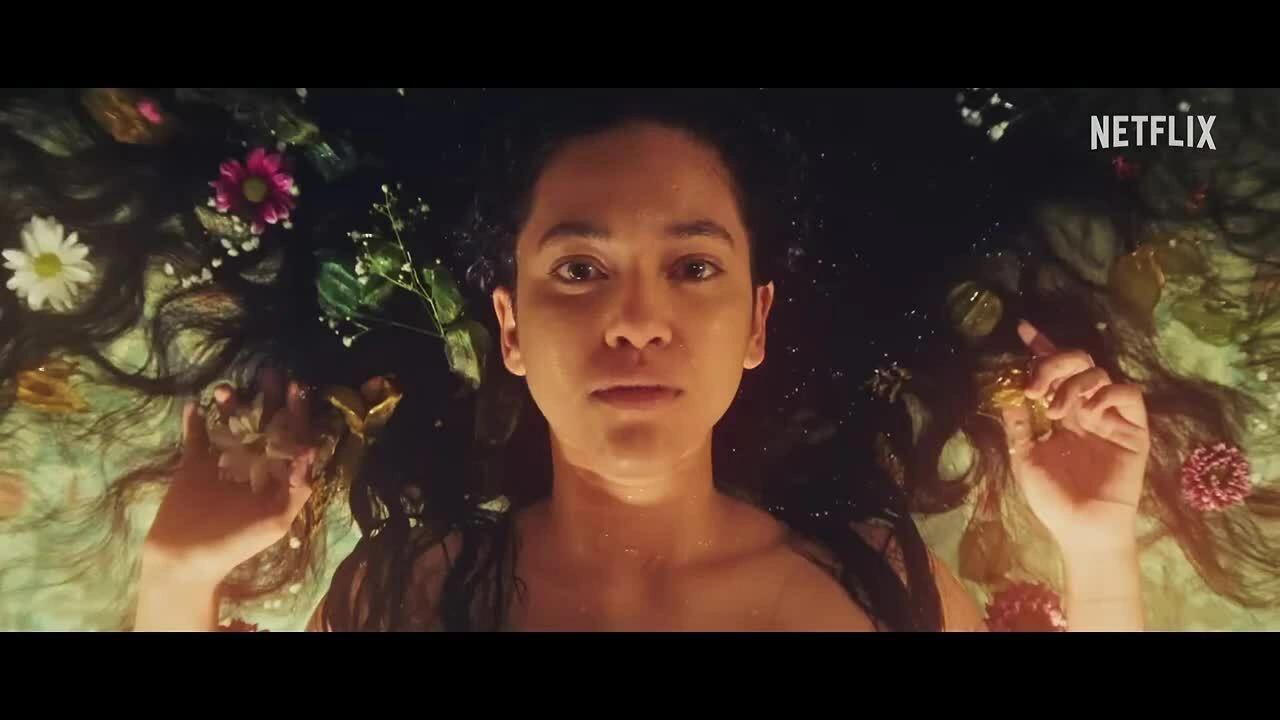
Netflix’s commitment to authenticity was further evidenced by the construction of a massive, 52-hectare set in Alvarado, Tolima. Unlike many contemporary productions that rely heavily on green screens, the design team, led by Bárbara Enríquez, sourced authentic period furniture and structural elements from antique shops across Colombia to recreate the lived-in, decaying atmosphere of the Buendía estate. The house itself functions as a character, shifting from the light-filled, expansive home of the early episodes to a claustrophobic, dark, and crumbling structure as the lineage approaches its end.
Critical Reception and Industry Impact
The reception of the series, as documented on platforms like Metacritic, reflects a complex debate regarding the nature of literary adaptation. Proponents of the show praise its visual fidelity and the performances of the ensemble cast, particularly Julián Román, who navigated the dual roles of José Arcadio Segundo and Aureliano Segundo with distinct, nuanced characterizations. Critics from outlets like Vulture have highlighted the series’ ability to modernize the political themes embedded in García Márquez’s original text, noting that the critique of power dynamics and class conflict remains strikingly relevant in the context of modern social discourse.
However, the adaptation is not without its detractors. Some reviewers, including those from The Independent, have expressed concerns that the series struggles with the weight of its own source material. The challenge of translating "magical realism"—a genre defined by the seamless blending of the supernatural and the mundane—onto a screen often leads to a dilution of the book’s surreal charm. The sheer number of characters, many sharing the same names, creates a dense and sometimes confusing narrative path for the uninitiated viewer, while the pacing of certain episodes has been described as uneven.
Historical and Sociological Context
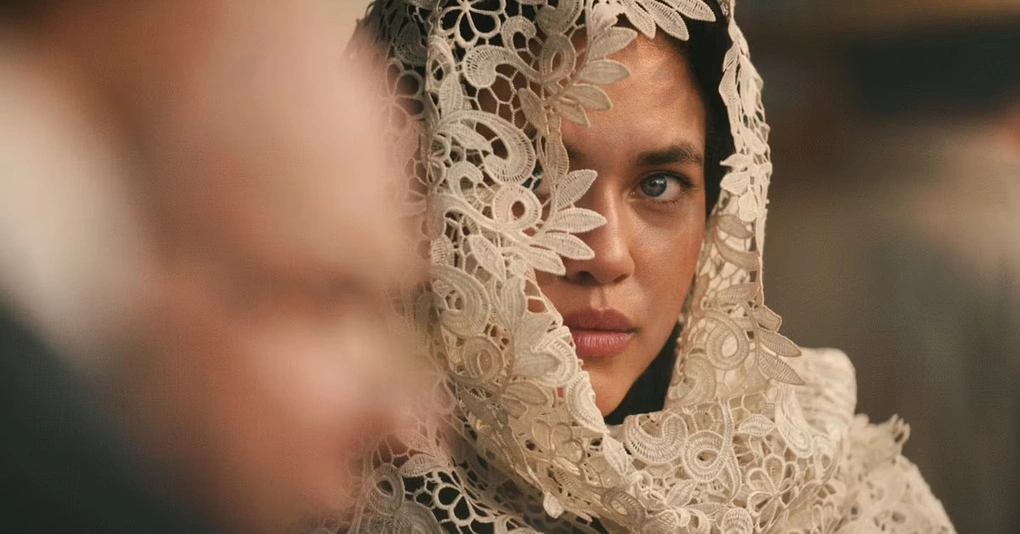
The inclusion of the banana worker strike and subsequent massacre is arguably the most significant historical anchor in the series. By focusing on the 1928 event, the showrunners provide a clear critique of the imperialism that plagued Latin America throughout the early 20th century. This narrative choice serves to ground the family’s personal tragedy within a broader, verifiable history of exploitation.
The structural decision to emphasize the repetition of history is a core component of the series’ thematic success. By showing how each generation of the Buendía family is trapped by the mistakes and choices of their ancestors, the series provides a profound meditation on the nature of fate. The recurring use of the name "Aureliano" and "José Arcadio" across generations serves as a narrative device that forces the audience to engage with the concept of a cyclical timeline, where progress is often an illusion and decline is the only certainty.
Implications for the Colombian Film Industry
The production of this series is widely considered a milestone for the Colombian audiovisual sector. For decades, the prevailing narrative in international industry circles was that Colombia lacked the infrastructure and technical capacity to handle major global projects of this magnitude. One Hundred Years of Solitude has effectively shattered this glass ceiling, proving that local talent—from production designers to costume departments—can deliver world-class results.
The project’s reliance on local resources has provided a significant economic boost to the region, creating jobs and fostering professional development within the domestic film industry. As Colombia continues to position itself as a global hub for high-end television production, the legacy of this series will likely be measured by the doors it opens for future domestic and international collaborations.
Final Analysis
As the curtain closes on the Buendía saga, the series stands as a bold, if imperfect, attempt to capture the essence of a literary titan. While it may not satisfy every purist’s desire for an exact replica of the novel’s tone, it succeeds in bringing the fundamental questions of solitude, memory, and history to a new generation. The decision to conclude with the destruction of Macondo and the finality of the manuscript serves as a somber reminder of the fleeting nature of legacy—a fitting end for a story that has spent one hundred years defining the boundaries of human experience.
The lasting impact of this adaptation will ultimately lie in its ability to spark renewed interest in García Márquez’s work, encouraging viewers to engage with the source material while acknowledging the inherent difficulties of translating internal, psychological landscapes into visual storytelling. Regardless of individual critical stances, the production remains a landmark achievement in modern television history, setting a new benchmark for what is possible when immense resources are dedicated to the pursuit of high-stakes, culturally significant storytelling.
Related posts: