Thanh Hoa Police Dismantle Massive Counterfeit Ring Producing Over 1,000 Tons of Fake An Cung Pills and Imported Cosmetics

In a landmark operation that highlights the persistent and growing threat of counterfeit pharmaceuticals in Southeast Asia, law enforcement authorities in Vietnam’s Thanh Hoa province have successfully dismantled a massive, highly organized underground manufacturing and distribution ring. The syndicate was responsible for producing and circulating nearly 1,000 tons of fake traditional medicine—specifically An Cung Nguu Hoang Hoan (commonly known as An Cung pills)—alongside a vast array of unauthorized, imitation imported cosmetics. The bust is widely considered one of the largest economic and public health crimes uncovered in the region in recent years, exposing deep vulnerabilities within supply chains and raising urgent concerns regarding consumer safety.
Anatomy of an Industrial-Scale Counterfeit Operation
According to preliminary findings released by the investigative agency of the Thanh Hoa Provincial Police, the sophisticated network operated with industrial precision, utilizing commercial-scale facilities to mass-produce goods destined for unsuspecting consumers nationwide.
At the center of the conspiracy is Nguyen Thanh Phuong Tuyen, born in 1988 and a resident of Dong Thap province. Tuyen served as the director of Tami Natural Home Pharmaceutical and Cosmetic Production Company Limited, acting as the primary mastermind who coordinated production, managed raw material procurement, and oversaw distribution to various lower-tier operatives within the illicit supply chain.
Investigators revealed that the syndicate relied on a deceptive marketing strategy, aggressively promoting their products as premium, authentic goods imported directly from South Korea and China. However, the reality on the ground was far more hazardous. Instead of utilizing genuine, regulated pharmaceutical components, the ring deliberately bypassed official import channels. They procured bulk quantities of unbranded, low-grade herbal pills, raw powders, and chemical agents originating from overseas black markets—particularly China—devoid of quality control certificates, inspection seals, or legal documentation.
Once smuggled into Vietnam, these substandard raw materials were transported to processing facilities, where workers repackaged, assembled, and finished the products before flooding them into domestic markets. Forensic analysis of the confiscated substances revealed that the pills marketed as premium health restoratives were primarily composed of chalk dust, industrial chemicals, artificial coloring agents, and various unverified fillers. Consuming such unregulated concoctions poses severe, life-threatening risks to individuals—particularly stroke victims and elderly patients who frequently rely on authentic An Cung pills for emergency cardiovascular and neurological support.
Corporate Entanglements and Public Controversy
As law enforcement expanded its probe into the corporate entities tied to the manufacturing network, the investigation inadvertently intersected with high-profile celebrity branding, triggering widespread public speculation and viral social media debate.
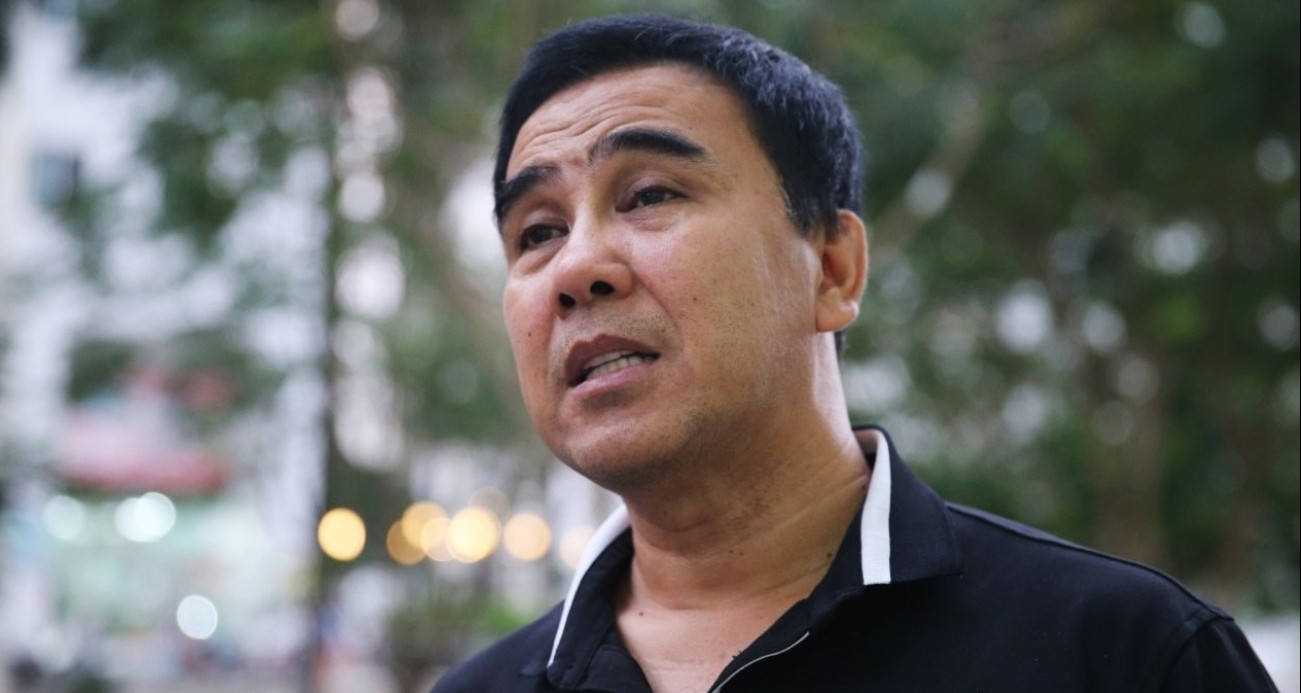
The controversy intensified when corporate registration documents linked Tami Natural Home to Nghia So Quyen Linh Company Limited, a business entity previously associated with renowned Vietnamese television host and actor Quyen Linh. According to official business registry records, Tami Natural Home was established in 2021, with its registered headquarters originally located in the Tan Duc Industrial Park within Duc Hoa district, Long An province (an area later incorporated into Tay Ninh province).
In 2024, Nghia So Quyen Linh Company Limited acquired a significant financial stake in Tami Natural Home, injecting 9.2 billion VND, which represented a 46% controlling interest in the enterprise’s charter capital. By April of that year, corporate filings formally listed Nghia So Quyen Linh among the primary institutional shareholders of the manufacturing firm, positioning it as a major stakeholder during a period when the company’s production lines were actively operating.
However, subsequent filings in July 2025 indicated that Nghia So Quyen Linh had completely divested its shares, vanishing from Tami Natural Home’s registry of members.
Official Clarifications and Corporate Restructuring
Following the rapid viral spread of rumors across social media platforms regarding the alleged corporate ties between the celebrity-linked firm and the counterfeit medicine ring, corporate representatives issued an official statement to set the record straight.
According to the newly renamed Amity Trading and Services Production Company Limited—formerly operating under the name Nghia So Quyen Linh—the initial incorporation of the company was tied to a philanthropic initiative. Representatives explained that at the time of Amity’s founding, artist Quyen Linh had provided startup concepts and agreed to serve as a non-profit brand representative, allowing the enterprise to use his name as a gesture of goodwill and appreciation. Over time, as business operations evolved, Quyen Linh stepped down from his role as the visual representative, and the company formally transitioned its trade name to Amity in early 2025.
Addressing the capital investment in Tami Natural Home, Amity’s management confirmed that the company had indeed participated as an early investor. However, they emphasized that the venture was short-lived. Due to fundamental disagreements concerning business direction, strategic alignment, and operational management, Amity decided to completely transfer its entire shareholding to external partners well before law enforcement intervened.
Furthermore, the official statement explicitly asserted that Amity never participated in the organization, administration, governance, management, or the commercial manufacturing and distribution of any products associated with Tami Natural Home.
Celebrity Response and Legal Warnings
Amid mounting public scrutiny and speculative commentary circulating online, artist Quyen Linh took to his verified personal social media channels to issue an unequivocal denial, strongly condemning attempts to associate his name and reputation with the criminal enterprise.
"I categorically affirm that I have no relation whatsoever to the An Cung pill products or any other items mentioned in the false information currently spreading across the internet," Quyen Linh stated. "I earnestly urge the public to recognize the facts accurately and avoid being misled by malicious rumors that distort the truth."
The veteran entertainer further warned that individuals and accounts intentionally exploiting his name, image, and reputation for engagement, clickbait, or targeted defamation would face legal consequences. He confirmed that he is prepared to petition competent state authorities to take strict legal action against malicious actors seeking to manipulate public perception for personal or commercial gain.
Broader Implications for Market Regulation and Public Health
The dismantling of the Thanh Hoa counterfeit ring serves as a stark reminder of the persistent vulnerabilities within Vietnam’s consumer goods, cosmetics, and pharmaceutical sectors. The ability of an illicit network to manufacture and distribute nearly 1,000 tons of substandard medical products under the guise of imported luxury goods underscores critical gaps in supply chain oversight, border control, and corporate transparency.
Experts in public health and economic security note that counterfeit pharmaceuticals represent a multi-layered danger to society. Beyond the immediate health hazards posed by toxic ingredients like chalk dust and unverified chemicals, such large-scale fraud severely undermines legitimate businesses, erodes consumer trust in regulated healthcare products, and exploits vulnerable populations seeking medical remedies.
As the Thanh Hoa Provincial Police continue their expanded investigation into the full distribution network and all complicit individuals, regulatory bodies are facing renewed pressure to tighten enforcement mechanisms, enhance cross-provincial intelligence sharing, and impose harsher penalties on industrial-scale counterfeiters. The case stands as a watershed moment for consumer protection in Vietnam, signaling that authorities are increasingly targeting not just retail-level distributors, but the foundational manufacturing hubs driving illicit trade.