Revolutionizing Orthopedic Surgery: Vietnamese Researchers Successfully Develop 3D-Printed Titanium Bone Implants for Complex Reconstructions

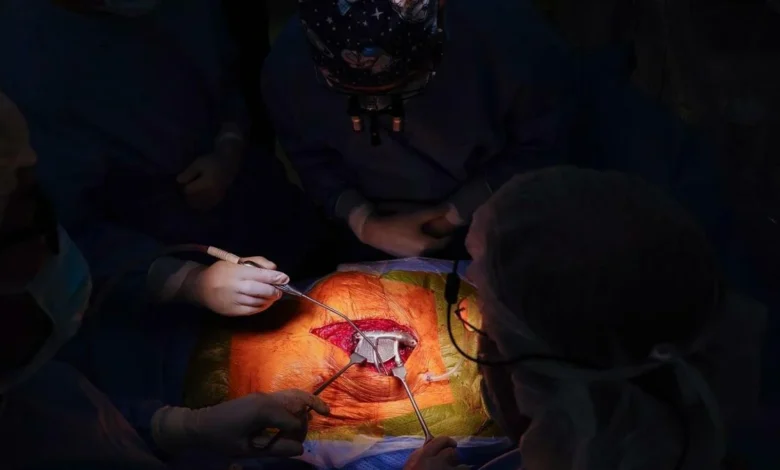
A pioneering team of engineers and surgeons at the VinUni Center for 3D Technology in Medicine has achieved a major breakthrough in regenerative medicine by developing patient-specific 3D-printed titanium implants. This innovation, which recently earned high honors at the 2026 Scientific Initiative Awards, provides a transformative solution for individuals suffering from complex bone defects, particularly those caused by aggressive bone tumors. By localizing the design, simulation, and manufacturing processes within Vietnam, the team has dramatically reduced the wait time for critical surgeries, moving from a process that previously took months to one that requires only a few weeks.
The Clinical Challenge: Precision in Oncology
The necessity for this technology was born from the difficulties encountered in treating malignant bone tumors. In many oncological cases, surgeons are forced to perform extensive resections, removing large segments of bone that are vital for structural integrity. Replacing these gaps with standard, off-the-shelf implants is frequently insufficient, as human anatomy is highly individualistic. Standard implants often fail to accommodate the unique contours of a patient’s remaining bone structure, leading to complications in long-term stability and function.
For a 55-year-old patient who served as a critical case study in August 2024, the situation was dire. A large tumor had invaded the second, third, and fourth ribs on the left side of the chest, as well as a portion of the sternum. To remove the malignancy, surgeons had to excise a significant portion of the thoracic cage, leaving a large, vulnerable defect near the lungs and heart. An implant was required that was not only structurally sound to protect internal organs but also flexible enough to allow for natural chest wall expansion during respiration.
A Chronology of Innovation
The journey from concept to clinical success involved a rigorous multi-stage development process. The timeline for the 2024 case study highlights the efficiency gained through local expertise:

- August 2024: The engineering team at VinUni received the diagnostic data for the 55-year-old patient. Using high-resolution CT scans, the team constructed a 3D anatomical model to visualize the tumor’s scope and plan the surgical resection.
- Late August to Early September 2024: Engineers calculated the necessary thickness, structural geometry, and stress-bearing capabilities required for the implant. They performed extensive virtual simulations to test how the titanium structure would handle respiratory movement.
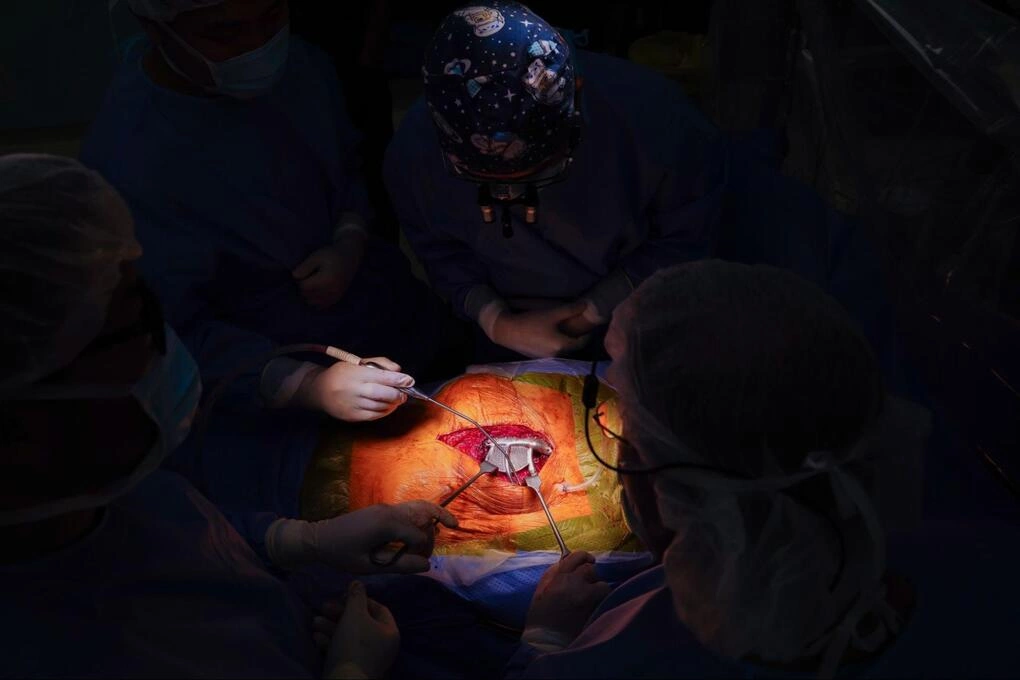
- September 11, 2024: The custom-manufactured 3D-printed titanium implant was successfully integrated into the patient’s chest wall during a complex surgical procedure.
- October 2026: Following a two-year observation period, the patient remains in excellent health, with the implant maintaining full functionality and providing necessary protection for the thoracic cavity.
Technical Sophistication and Localized Manufacturing
The "Implant Bone Customization Using Metallic 3D Printing Technology" project is a complex integration of software and hardware. The software component, developed specifically by the VinUni team, allows for the conversion of CT scan data into a 3D surgical model. This platform enables engineers to design the implant, simulate biomechanical loads, and predict surgical outcomes before a single piece of metal is printed.
The hardware component involves a sophisticated metal 3D printing pipeline. This includes an industrial processing unit, a selective laser melting system for titanium alloys, and a secondary finishing system to ensure surface biocompatibility and structural precision. By internalizing this entire chain, the center has removed the dependency on international suppliers, which historically forced patients to wait for months while implants were manufactured abroad—a delay that is often unacceptable for patients with fast-growing malignancies.
Impact on Patient Care and Surgical Outcomes
The implications of this technology extend beyond the success of a single procedure. Since the inception of the project, the team has assisted 15 patients with complex bone injuries that were previously deemed untreatable with conventional methods.
Dr. Nguyen Viet Hoang, who leads the team at the Center for 3D Technology in Medicine, emphasizes that the primary hurdle was never just the printing itself, but the biomechanical design. "Many people think the hardest part is the metal 3D printing. In reality, the challenge lies in designing an implant that is perfectly compatible with the surgical site while meeting the necessary biomechanical and biological requirements after implantation," Dr. Hoang explained.
The implants must meet conflicting requirements: they must be lightweight yet incredibly strong; they must be rigid enough to provide structural support for walking, sitting, or breathing, yet flexible enough to integrate with human tissue. In the case of chest wall reconstruction, the implant must accommodate the rhythmic expansion and contraction of the lungs without causing stress fractures or discomfort to the patient.
Comparative Analysis: Domestic vs. International Solutions
The shift to domestic manufacturing has provided several measurable advantages:
- Time Efficiency: In a 2023 case involving a large pelvic bone reconstruction, traditional international sourcing would have required a minimum of two months. The local team reduced this timeline by over 50%, allowing the surgery to occur less than a month after admission.
- Collaborative Iteration: Because the engineers and surgeons work in the same environment, the design can be adjusted in real-time. In one instance, the team tested dozens of virtual scenarios over three weeks before settling on the optimal configuration.
- Cost and Accessibility: By removing international logistics and import overheads, the procedure becomes more accessible to the average patient, broadening the scope of who can receive life-saving orthopedic reconstructions.
Future Outlook and Scientific Recognition
The 2026 Scientific Initiative Awards jury recognized this project for its ability to bridge the gap between advanced digital engineering and clinical application. The judges highlighted the meticulous control of the printing process, the accuracy of the virtual simulation, and the successful post-operative stability of the implants.
Looking forward, the team at VinUni is focused on scaling this technology to make it a standard of care in hospitals across the country. This involves not only technical refinement but also navigating the regulatory landscape for medical devices to ensure that quality, safety, and sterilization protocols are consistently met.
The broader implication of this work is the democratization of high-end orthopedic care. No longer should a patient with a complex bone tumor face a terminal or disabling prognosis simply because an appropriately shaped implant cannot be procured in time. By empowering local surgeons with 3D printing capabilities, the medical community in Vietnam is setting a new benchmark for specialized healthcare in the Southeast Asian region.
As Dr. Hoang concludes, "My goal is that in the future, when a doctor in Vietnam encounters a patient with a complex bone injury, they will not have to abandon a treatment plan simply because they cannot find a suitable implant or wait for one from abroad." This vision of localized, high-precision medicine marks a significant step toward a future where technology and surgery are seamlessly integrated to restore quality of life for the most challenging cases.