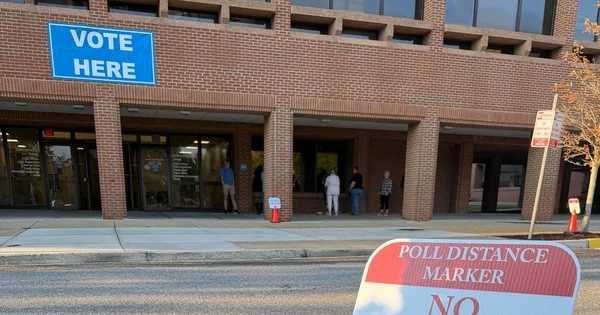
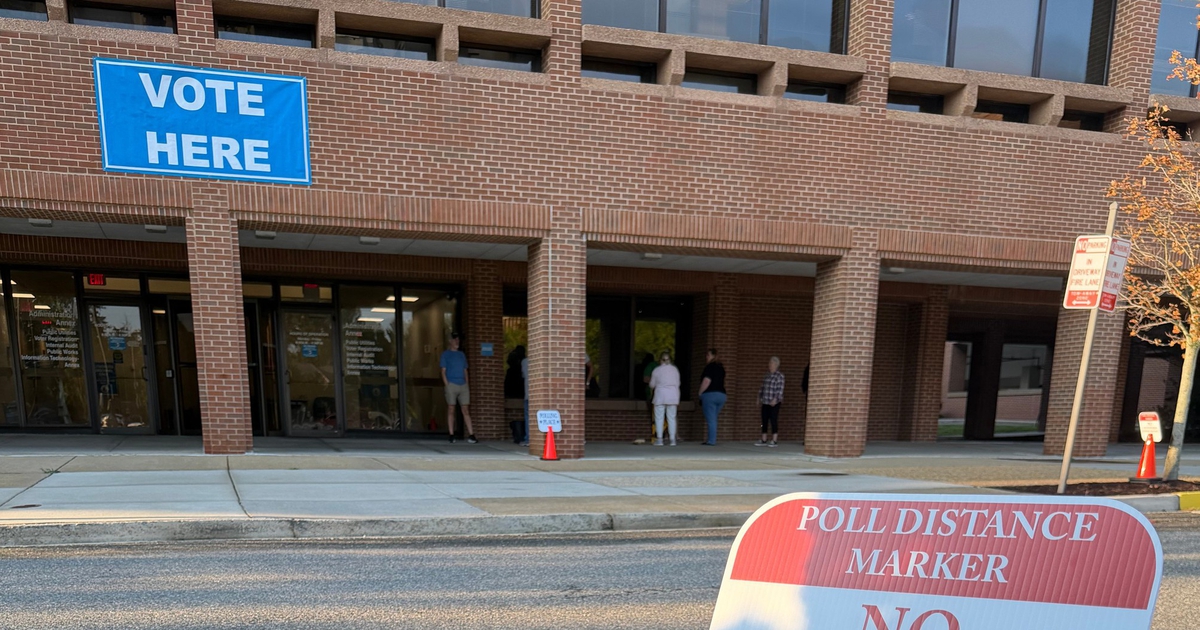
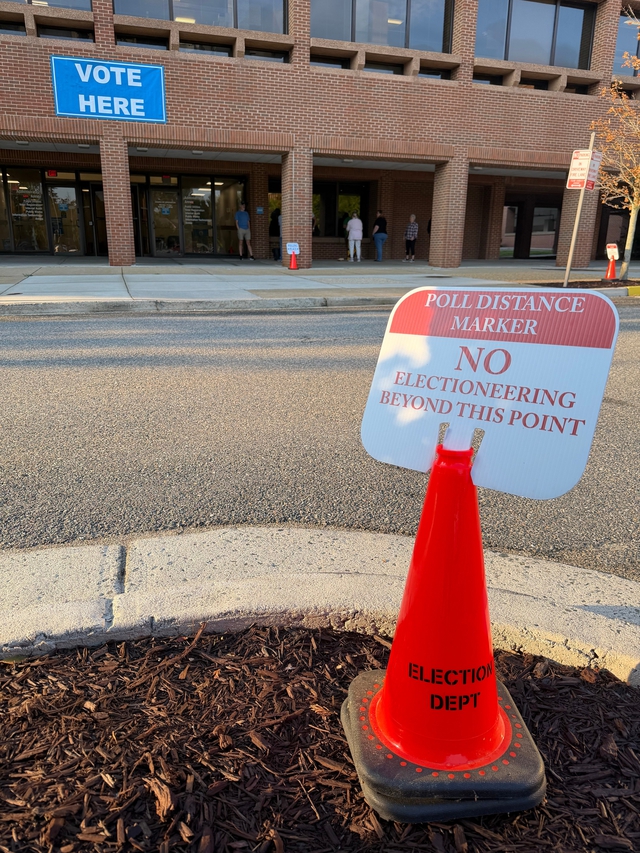
As of September 18, 2026, the United States has officially entered the initial phase of its critical midterm election cycle, with Virginia becoming the first state to open its doors for in-person early voting. This milestone marks the beginning of a six-week sprint leading up to the formal Election Day on November 3, a period that will determine the legislative trajectory of the country and the political standing of the incumbent administration.
While Virginia takes the lead, the electoral process is already underway in other regions. Voters in states such as Idaho, Minnesota, and South Dakota have begun visiting local election offices or designated ballot drop-off centers to cast absentee ballots, accommodating those unable to reach the polls on the primary November date. This decentralized opening of the polls signals the start of a broader, nationwide trend toward expanded early voting access, a feature that has become a staple of American democratic participation in the 21st century.
The Significance of the 2026 Midterms
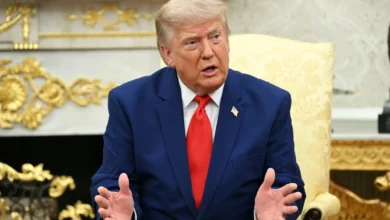
The 2026 midterms carry immense weight for the American political landscape. At stake is the balance of power in both the House of Representatives and the Senate. For the Republican Party, the challenge lies in maintaining its current legislative majorities, which have allowed it to steer the national agenda during the current presidential term. Conversely, the Democratic Party is mounting an aggressive campaign to regain control of one or both chambers, which would fundamentally alter the dynamics of federal governance for the final two years of President Donald Trump’s administration.
Historically, the party occupying the White House often faces significant headwinds during midterm elections. Voters frequently use these contests to express dissatisfaction with the status quo, and the party in power often suffers losses in both the House and the Senate. If the opposition secures a majority, the political landscape will likely shift toward increased legislative oversight and a flurry of congressional investigations, potentially paralyzing the executive branch’s policy initiatives.
Economic Headwinds and Voter Sentiment
The backdrop for this election cycle is defined by acute economic anxiety. According to recent data from The Wall Street Journal, the American consumer is grappling with a volatile economic environment. Interest rates remain stubbornly elevated, hovering near the 7% threshold, which has cooled the housing market and increased the cost of borrowing for households and businesses alike.
Inflation, while perhaps stabilized in some sectors, remains a primary concern. Consumer prices, calculated on a year-over-year basis through August 2026, have risen by 3.4%. Perhaps most visible to the average voter is the price of gasoline, which has flirted with peak levels not seen since 2022. These fiscal pressures are shaping the campaign rhetoric, with opposition candidates framing the current economic malaise as a failure of executive management, while the administration defends its record by citing broader global instability and supply chain disruptions.
In addition to domestic fiscal concerns, the electorate is weighing the impact of ongoing geopolitical conflicts, most notably the protracted engagement in Iran. The intersection of rising fuel costs and international military involvement has created a challenging climate for the incumbent party, as voters look for solutions to both their household budgets and the nation’s standing on the global stage.

A Legal Battle Over Election Administration
A central point of contention in this year’s election cycle has been the authority to manage the voting process itself. President Trump has repeatedly sought to exert greater federal oversight over election administration, a move that has sparked intense pushback from state-level officials and legal scholars.
In March 2026, the President signed an executive order requiring states to submit their voter rolls to federal authorities for verification. Furthermore, the order proposed a standardized design for mail-in ballots, granting the United States Postal Service (USPS) the potential authority to refuse the delivery of ballots from states that did not comply with these federal guidelines.
This attempt to centralize election authority challenged the long-standing constitutional principle that grants states primary control over the administration of their own elections. The legal community and civil rights organizations viewed this as an unprecedented infringement on state sovereignty. The conflict reached a head earlier this week when the Supreme Court of the United States issued a definitive ruling to block the implementation of the President’s executive order. By siding with the states, the Court has reinforced the decentralized nature of the American electoral system, ensuring that local jurisdictions retain the autonomy to manage their voter registration and ballot processing procedures without federal interference.
Chronology of the 2026 Election Cycle
- March 2026: President Trump signs an executive order attempting to standardize ballot design and mandate federal review of state voter rolls.
- August 2026: Consumer inflation reports indicate a 3.4% rise in costs, while gasoline prices remain at multi-year highs.
- Mid-September 2026: The Supreme Court issues a stay on the executive order regarding election administration, preserving state-level authority.
- September 18, 2026: Early, in-person voting officially commences in Virginia, while absentee voting processes continue in states like Idaho, Minnesota, and South Dakota.
- November 3, 2026: Formal Election Day.
The Road Ahead: Implications for Governance
As the country moves through the final six weeks of the campaign, the focus for political strategists will be on mobilizing their respective bases. In an era of intense political polarization, the ability to turn out voters for early balloting is no longer just a convenience; it is a tactical necessity.
The outcome of these midterms will have far-reaching consequences. If the current administration retains control of Congress, it will likely prioritize its current legislative agenda, including energy policy, defense spending, and judicial appointments. However, a transition of power would signal a significant pivot. Legislative gridlock would become more likely, and the focus of the House and Senate would shift toward rigorous auditing of executive branch activities.
Furthermore, the emphasis on "election integrity" remains a polarizing theme. While the administration has argued that its proposed measures were designed to ensure transparency and trust in the voting process, the judiciary’s intervention has highlighted the resilience of the existing legal framework. The upcoming weeks will test whether these procedural debates, combined with tangible economic frustrations, will result in a surge of voter turnout or a display of public exhaustion.
Ultimately, the 2026 midterm elections serve as a referendum on the direction of the country. With early voting now active across several states, the power to define the next two years of American policy has officially shifted from the hands of the politicians to the hands of the electorate. As the lines form at polling stations in Virginia and beyond, the focus of the nation turns to the ballot box, where the aggregate voice of the American people will determine the next chapter of the federal government.
Related posts: