ORA 5 sedan expansion signals major strategic shift for Great Wall Motor in Vietnamese automotive market

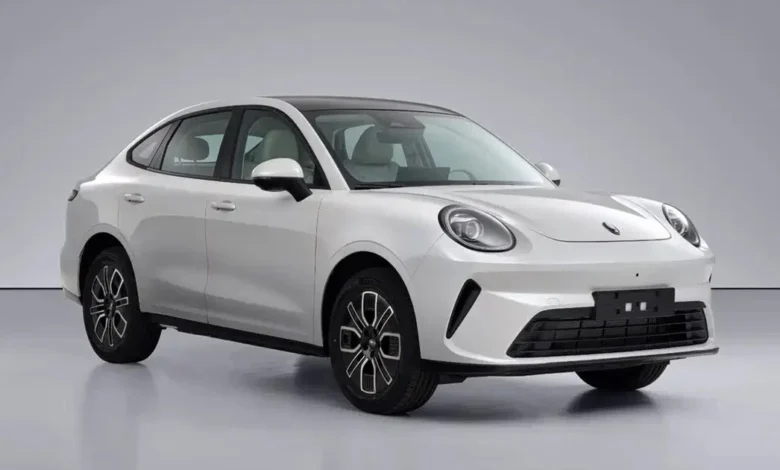
The automotive landscape in Vietnam is poised for a significant evolution as Great Wall Motor (GWM) prepares to introduce its latest variant, the ORA 5 sedan, to the domestic market by 2027. This development represents a calculated maneuver by the Chinese manufacturer to diversify its portfolio, moving beyond the traditional crossover dominance that has defined its initial international expansion strategy. By blending the classic elegance of a sedan with the practical utility and elevated ground clearance of a crossover, GWM is betting on a hybrid design language to capture the attention of a discerning Vietnamese demographic that values both aesthetic appeal and road-handling versatility.
Evolution of the ORA Lineup and Design Philosophy
The ORA brand, recognized globally for its distinctive retro-futuristic aesthetic and commitment to electric and electrified mobility, has primarily been associated with the ORA 7 and other fastback-styled vehicles. The introduction of the ORA 5 sedan variant marks a departure from the lower-slung profiles typical of its siblings.
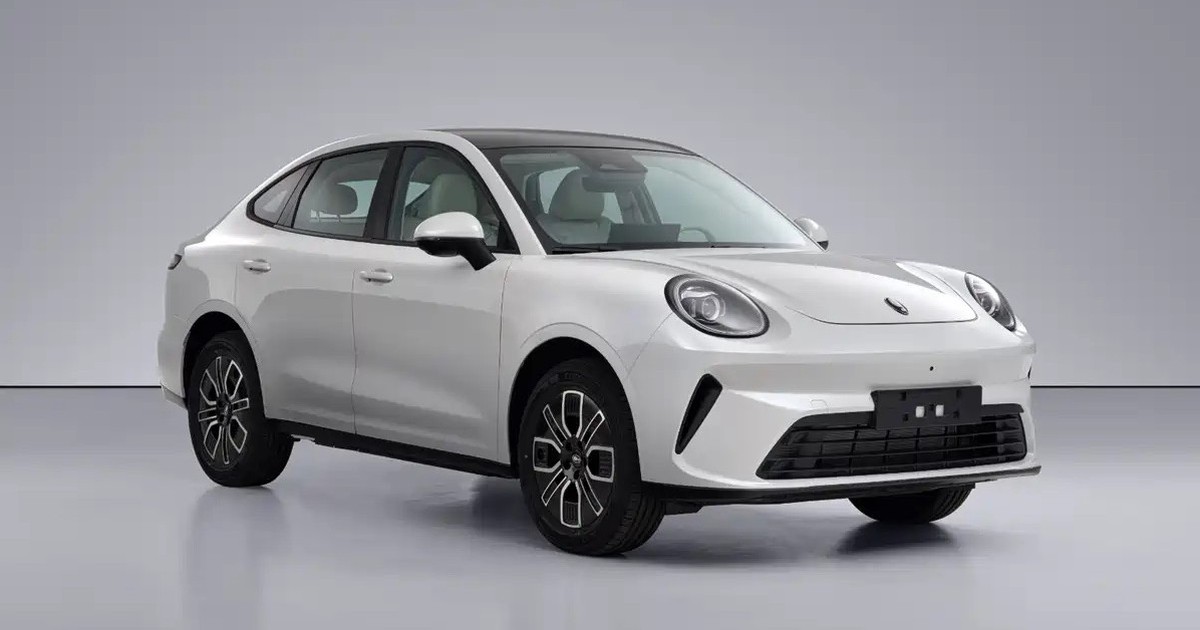
According to preliminary specifications, the ORA 5 sedan measures 4,758mm in length, 1,833mm in width, and 1,626mm in height, with a wheelbase of 2,720mm. These dimensions position the vehicle firmly within the competitive C-segment, offering a slightly longer footprint than the perennial favorite, the Honda Civic. The design team has opted to retain a significant ride height—a hallmark of the crossover segment—which provides a unique silhouette that challenges the conventions of the traditional sedan. This "crossover-sedan" synthesis is intended to mitigate the concerns of drivers who appreciate the handling of a sedan but desire the ground clearance necessary for navigating urban environments that may be prone to flooding or possess uneven road surfaces.
Externally, the vehicle retains the familiar front-end geometry seen in other ORA 5 models, including the signature pull-style door handles. However, the rear profile has been significantly reworked to incorporate a fastback design, which improves aerodynamic efficiency while providing a more aggressive, modern look. The rear lighting assembly is a standout feature, utilizing a continuous light bar that spans the width of the tailgate, accented by dark trim elements that provide a sharp visual contrast.
Powertrain Diversity: A Strategic Necessity
Perhaps the most critical aspect of the ORA 5 sedan’s entry into Vietnam is its multi-powertrain strategy. GWM has confirmed that the platform is engineered to support internal combustion, hybrid, and fully electric propulsion, providing the manufacturer with the agility to adapt to shifting regional energy policies and consumer preferences.
The gasoline-powered variant is equipped with a 1.5L turbocharged engine, producing 184 horsepower and 275 Nm of torque. This unit is mated to a 7-speed dual-clutch transmission (DCT), enabling a top speed of approximately 190 km/h. For the eco-conscious market segment, GWM is offering the Hi2 hybrid system. This configuration pairs the same 1.5L turbocharged engine with an electric motor to deliver a combined output of 226 horsepower and an impressive 476 Nm of torque, with a top speed of 185 km/h. Finally, the battery-electric model features a 204-horsepower electric motor, offering 260 Nm of peak torque and a top speed of 170 km/h.
For the Vietnamese market specifically, GWM has signaled that the initial launch will prioritize the hybrid variant. This aligns with the current trend in Southeast Asia, where consumers are increasingly looking for a transitional technology that offers improved fuel efficiency without the range anxiety associated with pure battery-electric vehicles (BEVs).
Market Context and Strategic Implications for Vietnam
The automotive industry in Vietnam is currently experiencing a period of intense competition. With established Japanese and South Korean manufacturers maintaining a strong hold on market share, new entrants from China, such as GWM, BYD, and Chery, are utilizing aggressive pricing and high-tech feature sets to disrupt the status quo.
The arrival of the ORA 5 in 2027 is timed to coincide with a broader push by the Vietnamese government toward green transportation. As infrastructure for charging networks expands, GWM’s ability to offer a plug-in hybrid option provides a strategic bridge for the company. Analysts suggest that the ORA 5’s hybrid configuration will be a key differentiator, as it satisfies the dual requirement of tax incentives for low-emission vehicles while maintaining the practicality required by families in suburban and urban centers.
The Competitive Landscape: Challenges and Opportunities
While the specifications of the ORA 5 are competitive, GWM faces several hurdles. Brand recognition remains a primary obstacle. Vietnamese consumers are historically conservative when it comes to automotive investment, often favoring long-standing brands with well-developed service networks and high resale values. To overcome this, GWM has reportedly been investing in local dealership infrastructure and after-sales support centers.
Furthermore, the design choice to blur the lines between a sedan and a crossover may prove to be a double-edged sword. While it offers a unique selling proposition, it risks alienating purists who prefer the traditional low-profile aesthetic of a sedan. However, if the market reaction in China—where the model is currently being tested—is any indication, the practicality of the increased ground clearance is likely to outweigh stylistic traditionalism.

Chronology of GWM’s Expansion
- 2023-2024: Initial entry into the Vietnamese market through the introduction of GWM’s Haval H6 hybrid, serving as a flagship to establish the brand’s reputation for reliability and hybrid technology.
- 2025: Expansion of the dealership network across major metropolitan hubs, including Hanoi and Ho Chi Minh City, with a focus on high-traffic areas and premium service centers.
- 2026: Official unveiling of the ORA 5 sedan in the Chinese domestic market, accompanied by rigorous road testing and feedback loops to calibrate the vehicle for international export.
- 2027 (Projected): Official commercial launch of the ORA 5 sedan in Vietnam, with the hybrid model serving as the primary SKU, followed by potential rollouts of the pure EV version contingent on local charging infrastructure developments.
Economic and Environmental Impact
The adoption of hybrid technology in the Vietnamese passenger car segment has broader economic implications. By localizing the sale of high-efficiency hybrids, GWM contributes to the national goal of reducing carbon emissions from the transportation sector. According to industry reports, the transportation sector accounts for a significant portion of the country’s greenhouse gas emissions, and the transition to hybrid and electric vehicles is a pillar of the government’s 2030 sustainability roadmap.
Furthermore, the presence of GWM in Vietnam encourages a more competitive pricing environment. As manufacturers vie for market share, consumers benefit from better technology, increased safety features, and a greater variety of choices. The ORA 5, with its modern infotainment suite and advanced driver-assistance systems (ADAS), is expected to set a new benchmark for what is considered "standard equipment" in the C-segment, forcing competitors to upgrade their offerings to match the value proposition provided by GWM.
Future Outlook and Final Considerations
The ORA 5 sedan is more than just a new model; it is a manifestation of GWM’s long-term vision for Southeast Asia. By focusing on a versatile platform that caters to diverse energy needs, the company is effectively hedging its bets against the uncertainty of the global EV transition. The success of the ORA 5 will likely hinge on GWM’s ability to execute a seamless launch, maintain supply chain integrity, and effectively communicate the benefits of the hybrid powertrain to a population that is increasingly becoming tech-savvy and environmentally conscious.
As the 2027 launch date approaches, industry observers will be watching closely to see if the ORA 5 can capture the same level of enthusiasm that other Chinese-made hybrids have generated in neighboring markets like Thailand and Malaysia. If GWM manages to strike the right balance between price, performance, and after-sales support, the ORA 5 could well become a pivotal vehicle in the transformation of the Vietnamese automotive sector, proving that the future of the sedan in the region lies in its ability to adapt, evolve, and electrify.
The integration of advanced smart-cabin technology into the ORA 5, including high-definition digital interfaces and AI-driven voice commands, suggests that GWM is targeting a younger, upwardly mobile professional class. This demographic is less tethered to traditional brand loyalties and more focused on the holistic user experience—a trend that the ORA 5 is specifically designed to exploit. With its combination of a striking fastback silhouette, practical crossover-lite utility, and a robust hybrid heart, the ORA 5 stands as a testament to the rapid pace of innovation within the Chinese automotive industry and its relentless pursuit of international market dominance.
As GWM continues to refine its strategy, the lessons learned from the ORA 5’s rollout will undoubtedly inform the company’s future endeavors, potentially leading to a broader lineup of electric and hybrid vehicles that address the unique challenges of the Vietnamese topography and economy. For now, the automotive community awaits the official debut, marking the beginning of a new chapter for one of China’s most ambitious automakers in one of Southeast Asia’s most promising markets.