The "Tinh Ha Say Hi" Sports Festival Ignites with a Spectacle of Talent and Competition

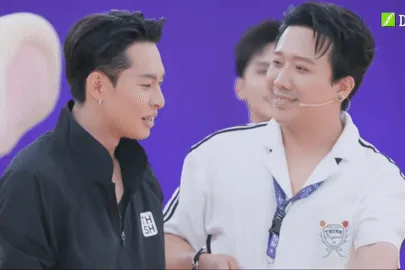
The highly anticipated "Tinh Ha Say Hi" sports festival kicked off with a bang on July 12th, showcasing the diverse talents of 24 "brothers" as they vied for supremacy in a series of engaging and often humorous challenges. The event, designed to foster camaraderie and friendly competition, transformed into a vibrant spectacle, with participants demonstrating not only their athletic prowess but also their creative flair and engaging personalities. The day’s proceedings were meticulously organized into three distinct stages, each designed to test different aspects of the contestants’ abilities and entertainment value.
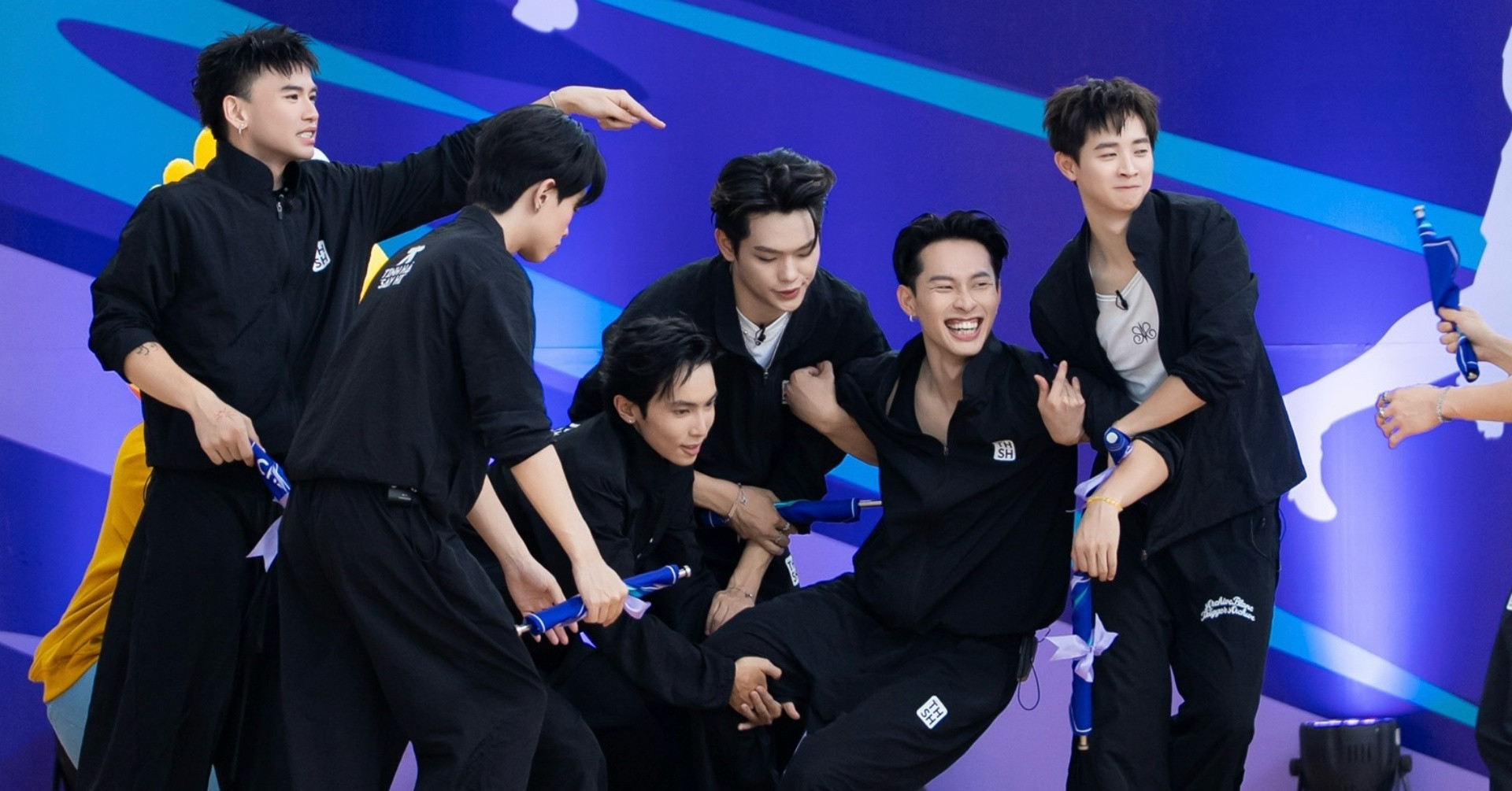
Round 1: The Mascot Challenge and Catwalk Debut
The inaugural challenge set a playful yet competitive tone for the festival. The 24 contestants were divided into three teams, immediately immersing themselves in a unique "mascot" themed competition. This segment tested their ability to embody a character, interact with the audience, and perform tasks with a distinct persona. The initial phase saw participants energetically engaging with their assigned mascots, bringing them to life with individual flair and charisma.
Following the mascot presentations, the "Phap Kieu" and mascot duo created a memorable moment, eliciting laughter with their unconventional interaction. Phap Kieu’s high-heeled footwear added an unexpected element of challenge and humor to their performance. The creativity and adaptability displayed by the contestants in this initial round set a high bar for the subsequent challenges.
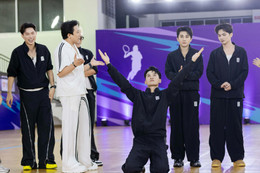
The second part of the first round transitioned into a surprise "catwalk" segment. This unexpected turn showcased the contestants’ poise, style, and ability to adapt to a different performance arena. The transition from a potentially performance-based mascot challenge to a fashion-forward presentation highlighted the multifaceted nature of the "Tinh Ha Say Hi" festival, emphasizing that talent extends beyond traditional athletic disciplines. This segment provided a visual feast, allowing the audience to appreciate the contestants’ individual styles and stage presence in a new light.
Round 2: High-Octane "VAR Check" and Dynamic Duo Battles
The second major segment of the festival introduced a more dynamic and sport-oriented set of challenges, drawing inspiration from popular sports and demanding quick reflexes and strategic thinking. The "HURRYKNG" challenge, characterized by its fast pace, saw contestants frequently calling for "VAR checks" – a playful nod to sports officiating where replays are used to review contentious moments. This element added a layer of humor and interactive commentary, as participants humorously debated their actions and sought clarification on rule interpretations on the "field of play."
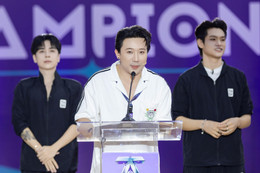
The "VAR check" segment, while entertaining, also underscored the contestants’ competitive spirit and their desire for fair play, even in a lighthearted competition. The rapper, in particular, found himself facing multiple "fouls," leading to a cascade of penalties and further injecting humor into the proceedings. This segment demonstrated the contestants’ ability to embrace the spirit of the games, turning potential rule infringements into comedic moments.
The festival then transitioned into a "Siêu tốc độ" (Super Speed) game, which featured the 24 "brothers" divided into two teams. This round involved a tandem race, requiring coordination and speed. Competitors donned eye-catching racing outfits, emphasizing the adrenaline-fueled nature of the challenge. The commentary provided by "Anh trai" Hai Nam and Le Duong Bao Lam added an extra layer of entertainment, offering insights and humorous observations throughout the race.
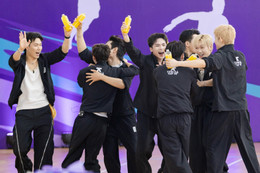
A standout moment in this round was the unexpected yet impressive performance by Phap Kieu and Ali Hoang Duong. Their synchronized movements and daring display in the race segment generated significant buzz. Ali Hoang Duong’s bold approach and evident desire to be part of a racing team highlighted the contestants’ ambition and willingness to push their boundaries. This segment emphasized teamwork and the exhilarating nature of competitive racing, even in a staged environment.
Round 3: The "Ball Catching" Extravaganza and Artistic Flourish
The third and final major round of the festival shifted focus to a blend of physical agility, precision, and artistic expression. The "Ball Catching" challenge required the singers to immerse themselves in the rhythm and tempo of music, moving with speed and grace to reach floating balls. This game demanded not only physical coordination but also an acute sense of timing and spatial awareness, as contestants navigated a course dotted with various "buoys" – representing different scoring opportunities.
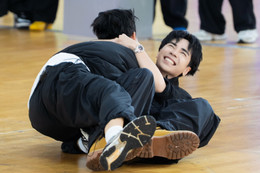
The spectacle of the "Ball Catching" game was amplified by the presence of talented singers who showcased their ability to adapt their performance skills to a unique physical challenge. The interplay between musicality and athletic movement created a captivating visual and auditory experience for the audience.
A particularly noteworthy performance came from KIMLONG, a national Taekwondo athlete. His exceptional performance in the ball-catching challenge, marked by incredible agility and precision, earned him widespread admiration. His dynamic movements and impressive execution left a lasting impression. Other contestants, including Song Luan, Quang Hung MasterD, and Wren Evans, also demonstrated notable effort and enthusiasm, with some exhibiting expressions of exertion and determination as they reached their goals.
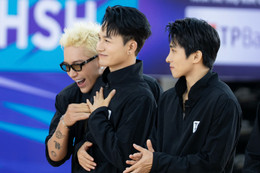
The festival then featured a dramatic "ball-throwing" segment, where the stakes were raised. The presence of KIMLONG, whose Taekwondo background brought an exceptional level of skill to the challenge, was a significant factor. The contestants were tasked with not only catching but also skillfully throwing the balls, showcasing their coordination and power.
The event also saw a surprise interaction between MC Tran Thanh and contestant Wren Evans. Tran Thanh humorously called out Wren Evans, prompting him to leave the competition area and engage with the audience, creating a moment of spontaneous engagement and entertainment. This interaction underscored the dynamic and interactive nature of the festival, where unexpected moments often added to the excitement. MC Tran Thanh then proceeded to lead the "ball-throwing" segment, adding his charismatic presence to the proceedings.
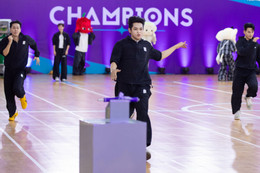
Live Stage 2: A Fusion of Musicality and Performance Art
Following the intense physical challenges, the festival transitioned into "Live Stage 2," a segment designed to highlight the contestants’ musical talents and stage presence. This round featured distinguished guests renowned for their diverse artistic abilities, including masters of playing the keyboard, saxophone, piano, and guitar, as well as talented rappers. The objective was not merely to perform but to create a captivating spectacle that fused musical virtuosity with engaging stagecraft.
The contestants were tasked with demonstrating their ability to produce, arrange, and perform original music, showcasing their creative output and artistic vision. This segment was a testament to the multifaceted talents of the "brothers," moving beyond pure athletic competition to celebrate their artistic endeavors. The expectation was for contestants to exhibit not only their vocal prowess and dancing skills but also their capacity for creative production and their ability to craft compelling musical narratives. The ultimate goal was to produce original music that resonated with the audience and contributed to the vibrant Vietnamese music scene.
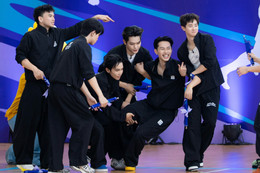
The Road Ahead: Advancing to the Next Stage
As the festival progressed, the performances in Live Stage 2 determined the contestants who would advance to the next stage of the competition. The judges, comprising a panel of esteemed artists and industry professionals, meticulously evaluated each performance based on musicality, originality, stage presence, and overall impact.
The contestants who successfully navigated the challenges and impressed the judges in Live Stage 2 were: Duong Domic, Phap Kieu, Quang Hung MasterD, Wren Evans, CAPTAIN BOY, and KIMLONG. These individuals have earned their place in the subsequent rounds, promising even more exciting performances and intense competition as the "Tinh Ha Say Hi" festival continues its journey.
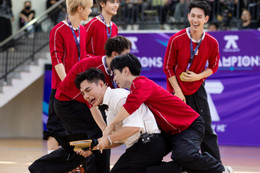
The "Tinh Ha Say Hi" sports festival has successfully delivered a memorable event, celebrating the diverse talents of its participants. The blend of athletic challenges, creative performances, and engaging entertainment has captivated audiences and underscored the vibrant spirit of the participating artists. As the competition moves forward, anticipation builds for further displays of skill, creativity, and camaraderie.
Note: The original article contained some character encoding issues and image references that were not directly translatable into text. The rewrite focuses on the narrative and event structure as conveyed by the decipherable text, enriching it with context and journalistic style.