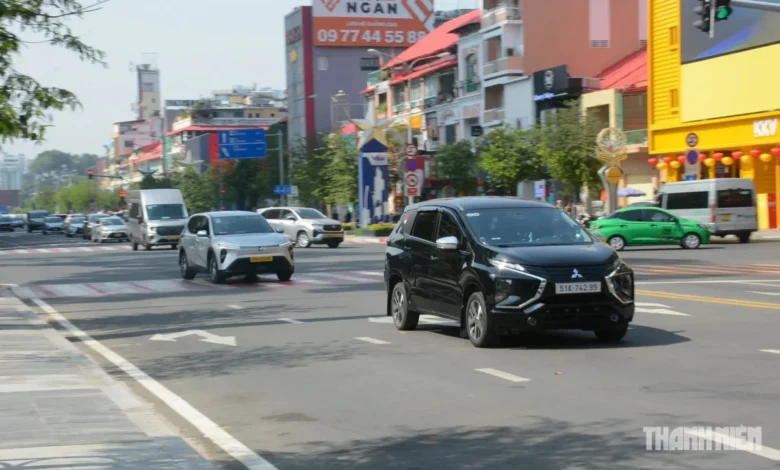
The Economic Catalyst: Why Drivers Are Going Green
The primary driver behind this rapid transition is the optimization of business costs. In an era where fuel prices are volatile and competition in the ride-hailing sector is fiercer than ever, maximizing profit margins has become a matter of survival for individual drivers and large transport firms alike. According to industry data and testimonials from drivers on the ground, the cost-benefit analysis of an electric vehicle versus a gasoline vehicle is increasingly lopsided in favor of electricity.
Individual drivers operating in Ho Chi Minh City have reported that the daily fuel cost for an electric vehicle is significantly lower than that of its gasoline counterpart. For a typical ride-hailing driver covering 200 to 300 kilometers per day, the savings on "fuel" alone can reach approximately 500,000 VND daily. Over a month of consistent operation, this translates to a staggering 10 to 12 million VND in additional take-home pay. On an annual basis, a driver can save upwards of 120 million VND, which in many cases covers a significant portion of the vehicle’s yearly financing installments.
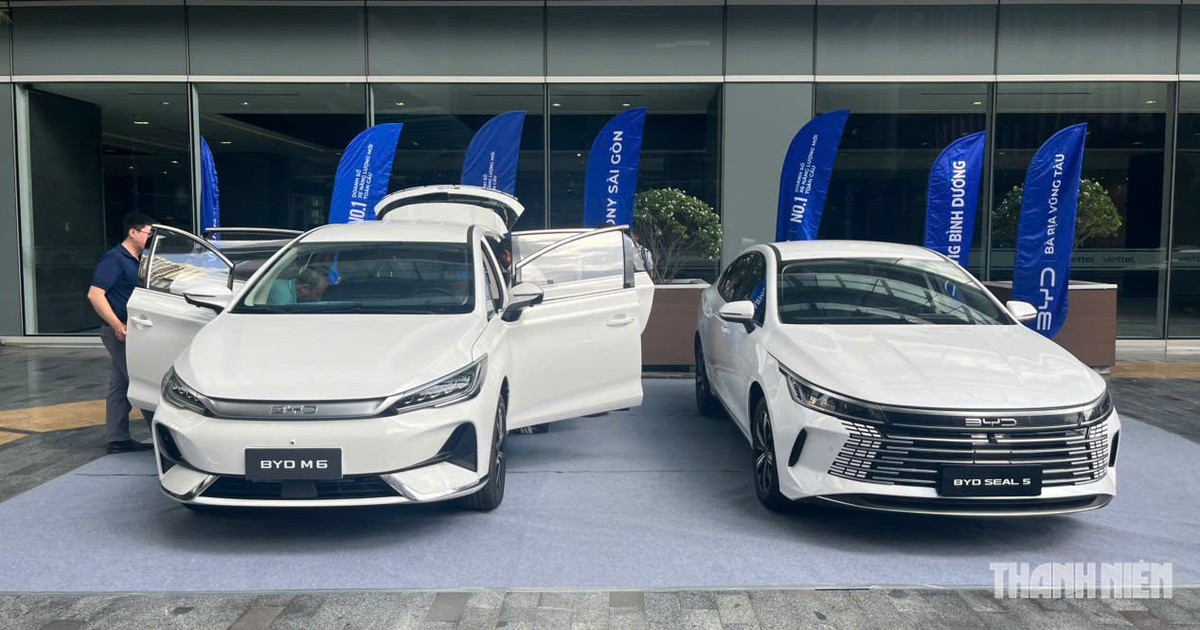
Beyond fuel, the structural simplicity of electric vehicles provides a secondary layer of savings. An EV has roughly 20 times fewer moving parts than a traditional ICE vehicle. There are no engine oil changes, no spark plugs to replace, no timing belts to worry about, and no complex transmission systems that require expensive fluid flushes. Maintenance cycles for EVs are generally longer, and the tasks involved are often limited to checking tire pressure, replacing cabin air filters, and inspecting brake pads—which themselves last longer due to regenerative braking systems. For a high-mileage service vehicle, these reduced maintenance costs and minimized downtime are critical factors in long-term profitability.
The Strategic Expansion of BYD in Vietnam
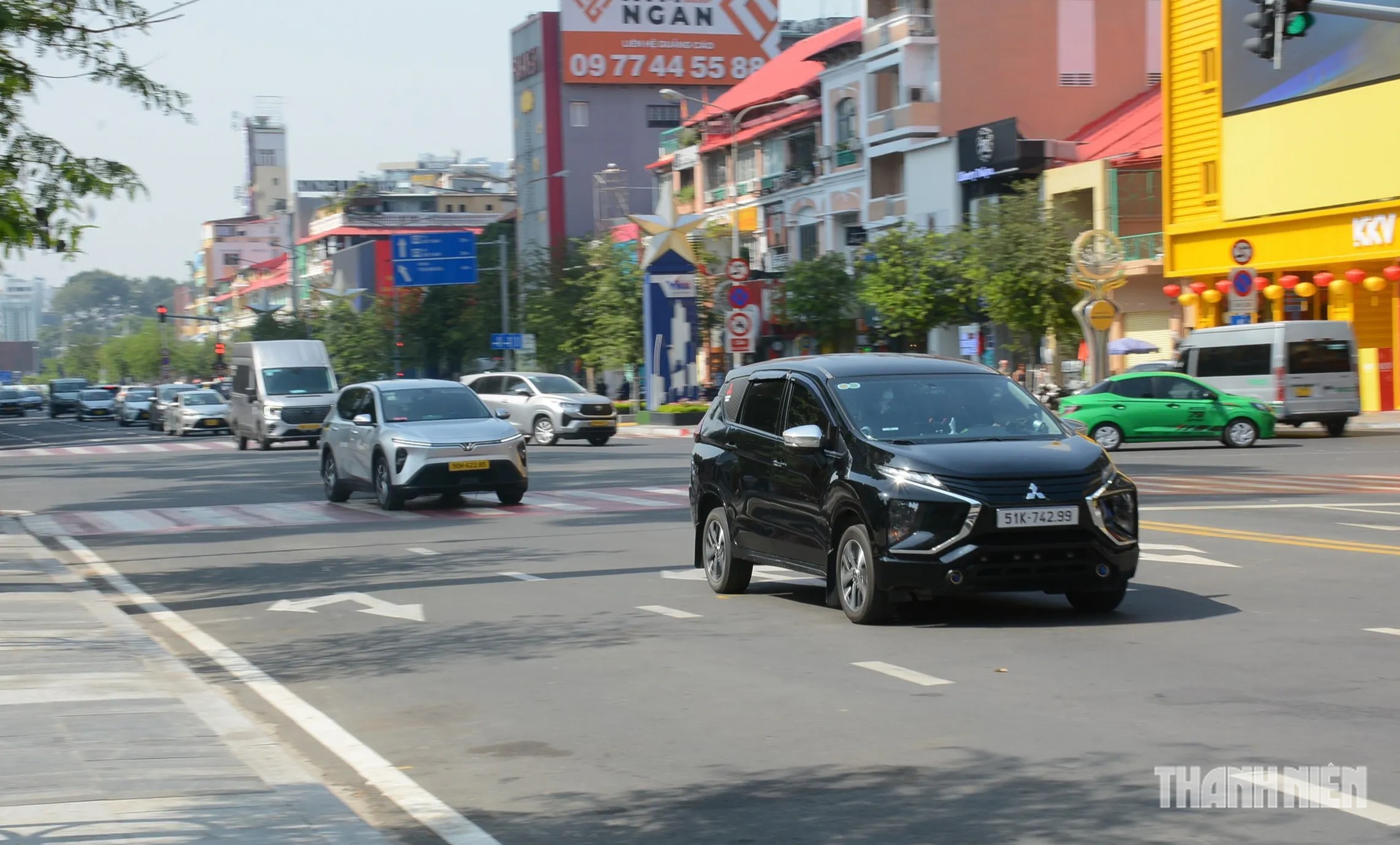
A central player in this transition is BYD, the world’s leading manufacturer of new energy vehicles. Having recently entered the Vietnamese market with a robust lineup, BYD is not merely selling cars; it is actively building an ecosystem to support the service transport sector. At the "BYD Fest 102 – Season 2" event held in Ho Chi Minh City on July 23, the company demonstrated its commitment to the Vietnamese market through strategic partnerships and aggressive incentive programs.
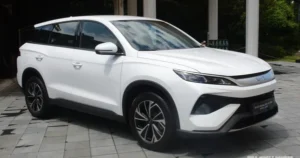
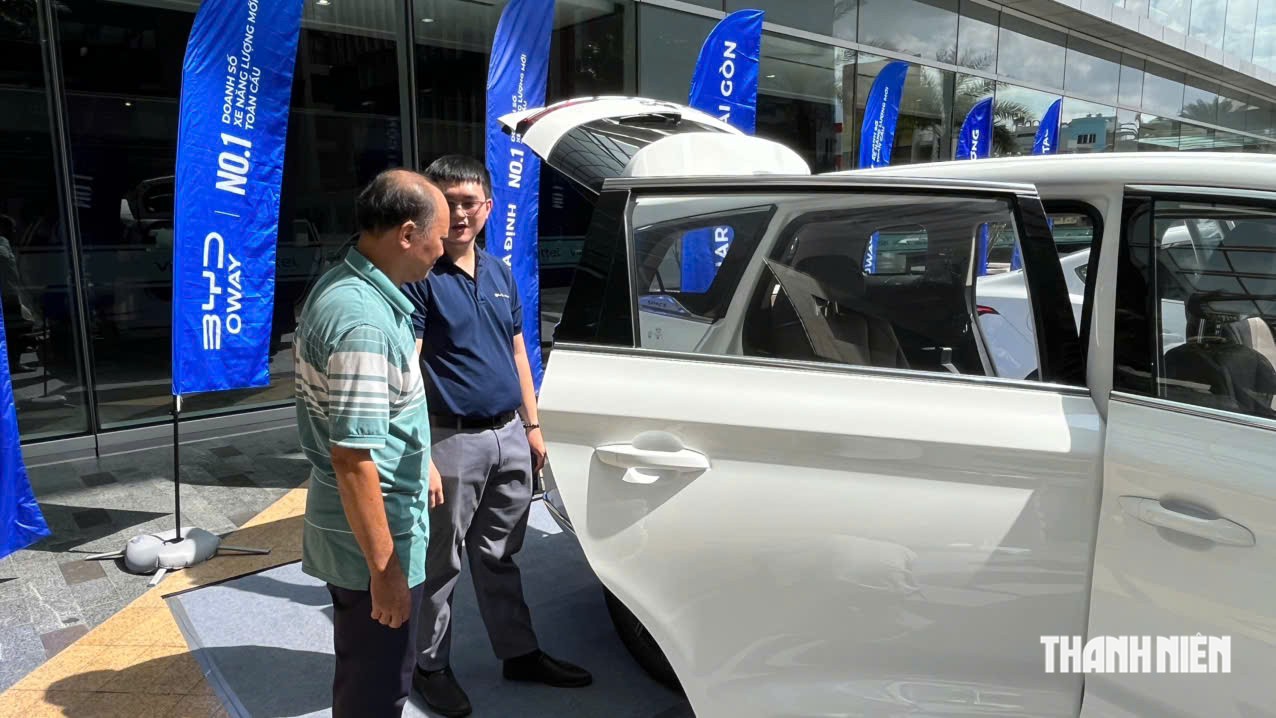
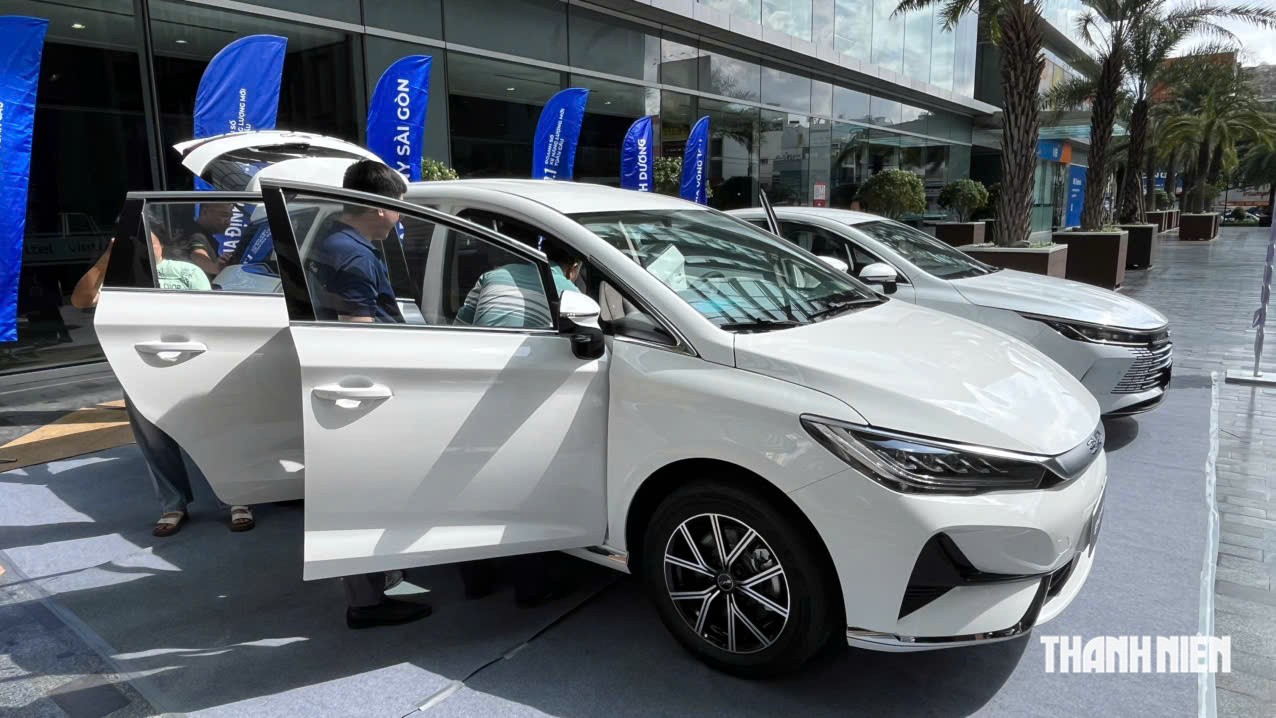
BYD’s approach involves deep collaboration with ride-hailing giants like Grab and various financial institutions. By integrating the interests of the automaker, the service platform, and the lenders, BYD is lowering the barrier to entry for drivers who wish to switch to green energy. During the event, BYD Vietnam announced exclusive support packages that have caught the attention of the industry. Specifically, the company is offering a support package worth 85 million VND for the BYD M6—an electric MPV designed to compete in the segment once dominated by the Toyota Innova—and a 125 million VND package for the BYD Seal 5.
To further ease the financial burden, BYD’s banking partners are providing loans that cover up to 85% of the vehicle’s value with flexible repayment terms extending up to 96 months (8 years). This long-term financing, combined with the daily operational savings of an EV, makes the monthly payments manageable for professional drivers, effectively allowing the vehicle to "pay for itself" through the savings it generates.
Chronology of the Green Transition in Vietnam
The timeline of Vietnam’s shift toward green transport has moved with surprising speed, evolving from experimental pilot programs to mass-market adoption in less than three years.
- 2022 – The Awakening: While global EV trends were accelerating, the Vietnamese service market remained cautious. Early adopters were limited to a few luxury segments and private enthusiasts. However, the initial infrastructure for charging began to take shape, and the government signaled its intent to support the green transition.
- 2023 – The Proof of Concept: This was the year of "testing the waters." Several transport enterprises in Ho Chi Minh City began adding small batches of EVs to their fleets to monitor performance and customer satisfaction. The feedback was overwhelmingly positive; passengers enjoyed the quiet, vibration-free ride, and operators noted the lower overhead.
- 2024 – The Acceleration: This year marks the "tipping point." Large-scale events like BYD Fest 102 signify that major global manufacturers now see Vietnam as a prime market for service EVs. According to BYD Vietnam’s internal surveys, the rate at which drivers and businesses are converting from gasoline to electric or hybrid vehicles is expected to grow by 48% to 50% between 2024 and 2026.
- 2025-2030 – The Projected Dominance: Industry analysts predict that by the end of the decade, new gasoline vehicle registrations for the taxi and ride-hailing sectors will become the minority. The expansion of third-party charging networks, such as V-GREEN and other independent providers, is expected to eliminate "range anxiety," which remains the final hurdle for many skeptical drivers.
Supporting Data: The Scale of the Shift
The data provided by BYD and transport industry analysts highlights a significant structural shift. In the 2024-2026 window, the projected 50% increase in EV adoption among service vehicles is one of the highest growth rates in Southeast Asia. This is bolstered by the fact that Vietnam has one of the fastest-growing middle classes in the region, leading to increased demand for high-quality, modern transport services.
A rental enterprise in Ho Chi Minh City reported that after adding 40 BYD M6 units to their fleet last year, the demand from drivers was so high that they are already planning to double their electric fleet by the end of 2025. The enterprise noted that while the initial purchase price of an EV might be higher than a comparable gasoline model, the "Total Cost of Ownership" (TCO) over a five-year period is nearly 30% lower. For a business managing hundreds of vehicles, these percentages represent millions of dollars in saved capital.
Official Responses and Policy Support
The transition is not happening in a vacuum; it is being actively encouraged by municipal and national authorities. Both Hanoi and Ho Chi Minh City have recognized that the transport sector is a major contributor to urban air pollution and noise. Consequently, city planners are in the process of developing "green zones"—areas where internal combustion engines may be restricted or subject to higher fees, while EVs enjoy free access or subsidized parking.
Vo Minh Luc, CEO of BYD Vietnam, emphasized that the speed of this transition is an "inevitable trend." He noted that the simplification of the car-buying process—through financial solutions and infrastructure development—has made owning an EV a realistic goal for the average driver. "The demand and the speed of switching from gasoline to electric cars in the transport service industry have increased dramatically in recent years," Luc stated. He added that as EV prices continue to fall due to economies of scale and battery technology improvements, the momentum will only increase.
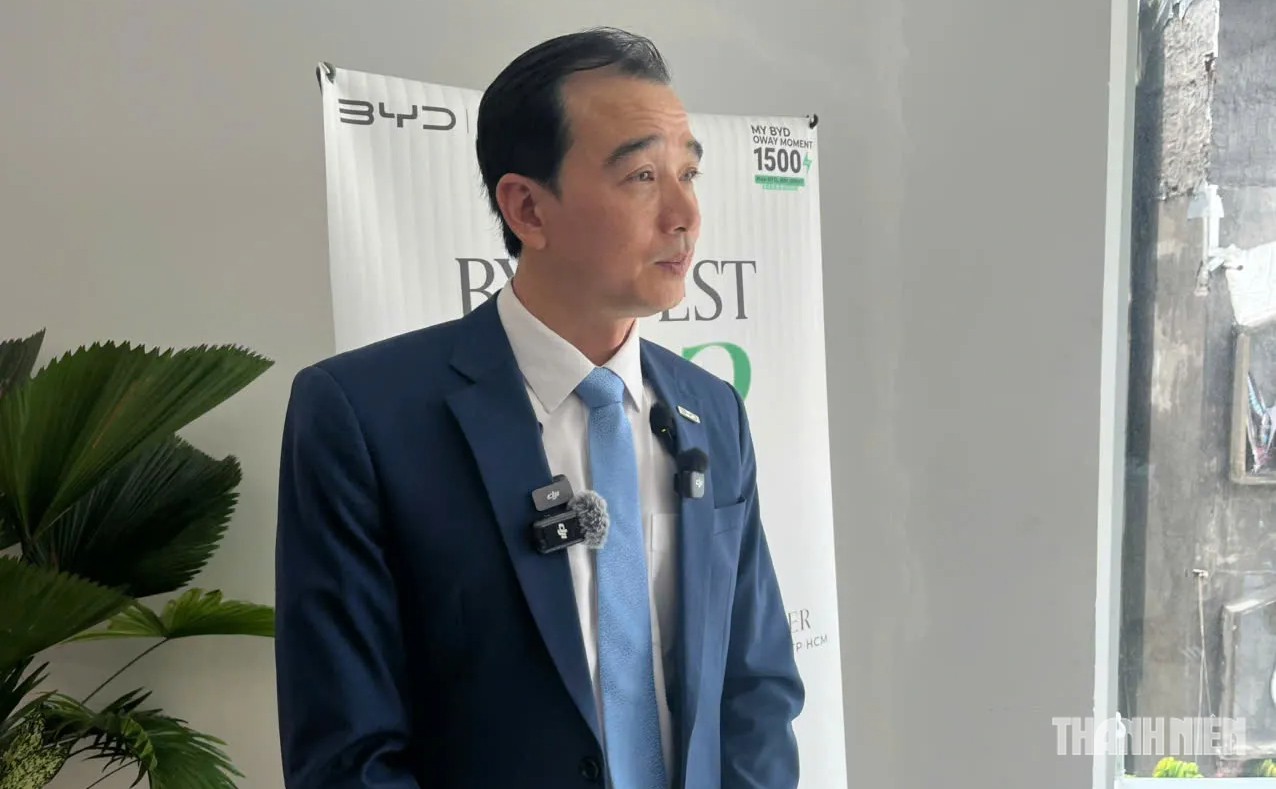
Furthermore, Huynh Tan My, Director of the Corporate Customer Block at BYD Vietnam, pointed out that the social impact of this shift cannot be understated. By reducing emissions in the most high-traffic segment of the automotive market (taxis and ride-hailing), the industry is making a direct contribution to the national goal of achieving net-zero emissions by 2050.
Broader Impact and Future Implications
The rapid adoption of EVs in the service sector will have far-reaching consequences for the Vietnamese economy and society. First, it will force a modernization of the national power grid. As thousands of vehicles begin charging simultaneously, the demand for stable, high-capacity electricity will drive investments in renewable energy and smart grid technology.
Second, the secondary market for vehicles will change. As the supply of used gasoline cars increases and the demand for used EVs grows, the traditional resale value of "legendary" models like the Vios or Innova may face downward pressure. Conversely, the development of a robust battery recycling and second-life industry will become a new economic frontier for Vietnam.
Third, the passenger experience is being permanently elevated. Passengers are becoming accustomed to the silence and advanced technology of electric cars. Once a passenger experiences the smoothness of an EV, they are less likely to be satisfied with the noise and vibration of an older gasoline vehicle. This consumer preference will act as a "pull factor," further incentivizing drivers to upgrade their equipment to stay competitive.
In conclusion, the shift from gasoline to electric vehicles in Vietnam’s service transport sector is no longer a futuristic concept—it is a present-day reality. Driven by clear economic benefits, supported by aggressive manufacturer incentives, and encouraged by government policy, the "greenification" of the Vietnamese taxi and ride-hailing industry is set to continue its rapid pace. For the drivers, it is a path to higher earnings; for the cities, it is a path to cleaner air; and for the industry, it is the beginning of a new era.