Ho Chi Minh City to Develop Dedicated Container Truck Route to Cat Lai Port and Phu Huu Port to Alleviate Congestion

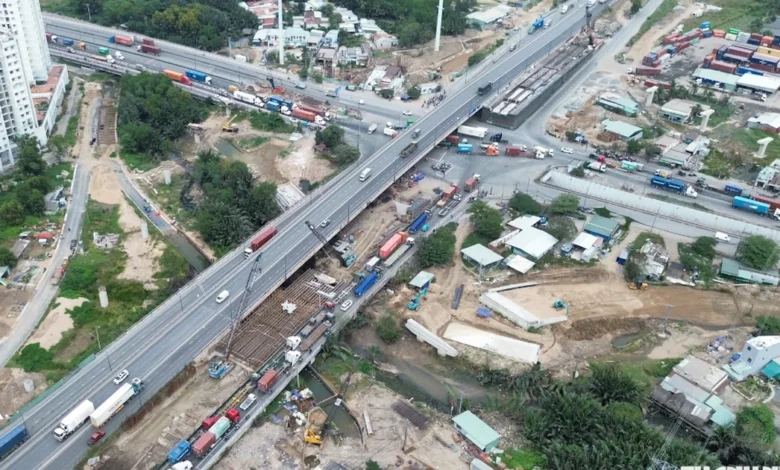
Ho Chi Minh City is embarking on a significant infrastructure development initiative aimed at transforming the transportation network connecting its major ports, Cat Lai and Phu Huu, to the high-capacity arterial roads. This ambitious project seeks to create dedicated lanes and routes specifically for container trucks, a move designed to drastically reduce the current traffic congestion plaguing existing routes, particularly those frequented by heavy cargo vehicles. The initiative aims to streamline logistics, enhance traffic safety, and support the sustainable growth of the city’s booming economy.
The announcement comes as a direct response to the escalating challenges faced by the city’s logistics sector. For years, the proximity of the Cat Lai and Phu Huu port areas to densely populated residential zones has been a persistent issue. This close proximity, while historically advantageous for port operations, has led to an overwhelming volume of container truck traffic navigating through urban streets. The daily influx and outflow of thousands of heavy vehicles have created perpetual gridlock, significantly impacting delivery times, increasing operational costs for businesses, and posing substantial safety risks to other road users.
Addressing Port Area Congestion: A Strategic Imperative
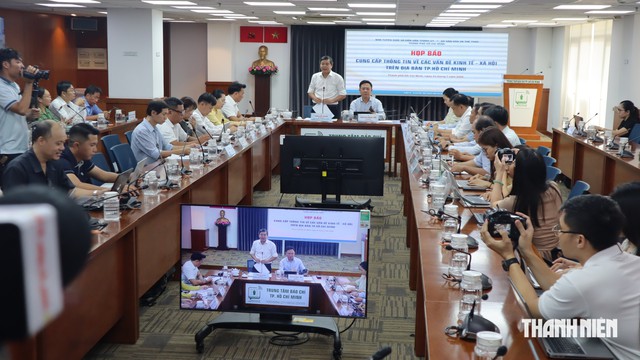
Mr. Tran Huu Tan, Deputy Director of the Department of Construction of Ho Chi Minh City, highlighted the pressing need for these specialized routes during a recent economic and social press conference. He stated that the Cat Lai and Phu Huu port areas have endured immense pressure for many years. The concentration of ports and depots within or adjacent to residential areas has resulted in excessive traffic, leading to chronic congestion and creating potential safety hazards. The current infrastructure is no longer adequate to handle the sheer volume of cargo movement, necessitating a strategic overhaul.
The Department of Construction has formally submitted a proposal to the Ho Chi Minh City People’s Committee, seeking approval for the investment in a dedicated route connecting Cat Lai and Phu Huu ports. This proposal has been forwarded to the People’s Council for deliberation and approval, with a target date of February 6, 2026, for official endorsement. The envisioned route is designed to be a specialized artery, specifically serving the needs of port access. A key feature of this project is its separation from residential areas, ensuring that the flow of heavy cargo does not disrupt the daily lives of citizens. Furthermore, the route will be directly linked to the city’s high-capacity external transportation network, facilitating seamless transit for goods entering and leaving the metropolitan area.
A Phased Approach to Enhanced Connectivity
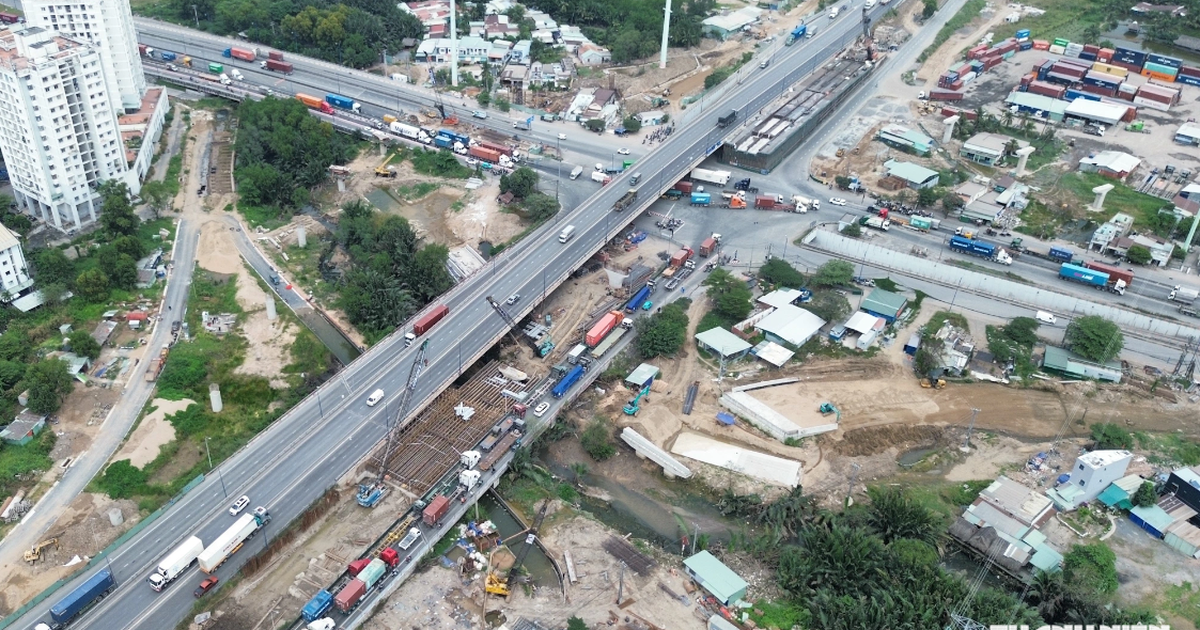
The strategic plan involves a multi-pronged approach to upgrading and expanding key transportation corridors. Beyond the new dedicated port access route, Ho Chi Minh City is accelerating the implementation of several other projects aimed at improving connectivity to its port infrastructure.
One such project involves the upgrading and widening of Nguyen Duy Trinh Street. This crucial artery connects to the Phu Huu port area and serves as a vital link to the Phu Huu Industrial Park. The project is slated for completion in 2027. Additionally, plans are underway to upgrade and widen Nguyen Thi Dinh Street, which connects to the Cat Lai port area. This section of the road is part of the wider plan to expand Vo Chi Cong Street to a planned width of 30 meters, aligning with the city’s long-term urban development and traffic management strategy. This particular development is expected to be finalized by 2027.
These upgrades are not isolated efforts but are integrated into a larger vision for a more efficient and robust logistics ecosystem. The aim is to create a network where container trucks can move freely and safely, thereby reducing transit times and operational costs for businesses. By diverting heavy traffic away from residential areas, the city also anticipates a significant improvement in the quality of life for its residents and a reduction in traffic-related accidents.
Integrating with Major Arterial Networks: The Ho Chi Minh City – Long Thanh – Dau Giay Expressway
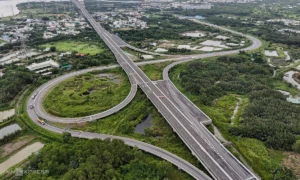
A cornerstone of this transportation overhaul is the seamless integration of port access routes with major expressways. The ambitious project to construct a dedicated route connecting Cat Lai and Phu Huu ports to the Ho Chi Minh City – Long Thanh – Dau Giay Expressway, and subsequently to Ring Road 3, is a critical component of this strategy. This high-capacity expressway is a vital link for freight movement between the economic hubs of Ho Chi Minh City, Dong Nai province (where Long Thanh International Airport is located), and Ba Ria-Vung Tau province.
The construction of the intersection connecting the port access road to the Ho Chi Minh City – Long Thanh – Dau Giay Expressway is scheduled to commence in November 2025, with an anticipated completion date in December 2026. This integration is crucial for enabling container trucks to quickly and efficiently transition from port areas to the national highway network, thereby expanding their reach and reducing travel times to other key economic zones.
Expanding the Network: Ring Road 3 and Beyond
Further enhancing connectivity, Ho Chi Minh City is also advancing plans for the construction of a route linking the Cat Lai port area to Ring Road 3 of Ho Chi Minh City and Ring Road 3 of the city. This project is currently undergoing feasibility studies and is expected to break ground in the third quarter of 2026, with completion targeted for 2029. The inclusion of Ring Road 3 into the port access network is designed to further distribute traffic and provide alternative routes, mitigating congestion on existing arterial roads.
The strategic importance of these developments cannot be overstated. Ho Chi Minh City, as the economic powerhouse of Vietnam, relies heavily on its port infrastructure to facilitate trade and drive economic growth. The Cat Lai port, in particular, is one of the busiest container terminals in the country, handling a significant volume of both import and export cargo. The Phu Huu port, while smaller, plays a crucial role in serving the industrial zones located in its vicinity.
Addressing Past Challenges and Future Outlook
The chronic congestion around these ports has been a recurring problem, exacerbated by the rapid pace of economic development and the consequent surge in cargo volumes. The existing road networks, often shared with local traffic and residential areas, have struggled to cope with the sheer number of container trucks. This has led to increased logistics costs, delays in shipments, and a negative impact on the city’s image as a competitive business hub.
The current initiatives represent a proactive and comprehensive approach to tackling these long-standing issues. By creating dedicated infrastructure, the city aims to:
- Reduce Traffic Congestion: Diverting container trucks to specialized routes will alleviate pressure on existing urban roads, leading to smoother traffic flow for all road users.
- Enhance Traffic Safety: Separating heavy cargo vehicles from passenger cars and motorcycles in densely populated areas will significantly reduce the risk of accidents.
- Improve Logistics Efficiency: Faster and more predictable transit times for goods will lower operational costs for businesses, boosting their competitiveness.
- Support Economic Growth: A more efficient logistics system is crucial for attracting investment and supporting the continued expansion of Ho Chi Minh City’s economy.
- Promote Sustainable Urban Development: By strategically planning transportation infrastructure, the city can better manage its urban growth and ensure a higher quality of life for its residents.
Data and Projections
To underscore the scale of the problem and the potential impact of these projects, consider the following: Ho Chi Minh City’s ports handle millions of TEUs (Twenty-foot Equivalent Units) annually. Cat Lai port alone processes a substantial portion of Vietnam’s total container throughput. The number of container trucks operating in the city has grown in tandem with the economy, placing immense strain on the existing road network. For instance, daily truck traffic in the Cat Lai port area has been estimated to reach tens of thousands of movements, with a significant portion impacting surrounding urban roads.

The completion of these infrastructure projects is expected to transform the logistics landscape. The dedicated routes and improved connectivity will not only streamline operations but also contribute to a more organized and less disruptive urban environment.
Official Statements and Future Vision
Mr. Tan further elaborated on the anticipated benefits of these developments. "Once these projects are completed and operational, the connectivity between the Cat Lai and Phu Huu port areas and the external transportation network will be significantly enhanced," he stated. "This will lead to a substantial reduction in traffic congestion, ease the flow of goods, and consequently decrease the volume of container trucks circulating within residential areas. This, in turn, will minimize the risk of traffic accidents on existing routes and contribute to the development of a sustainable port and logistics sector in Ho Chi Minh City."
The overarching goal is to establish a modern, efficient, and safe logistics corridor that supports the city’s ambitions as a regional economic hub. The investment in these infrastructure projects signals a strong commitment from the Ho Chi Minh City government to address the challenges of rapid urbanization and economic growth, ensuring that its transportation network can keep pace with its development trajectory. The successful implementation of these plans will be a critical factor in maintaining Ho Chi Minh City’s competitiveness and its position as a vital gateway for international trade in Vietnam.