Vietnam Unveils Ambitious Master Plan to Transform Postal Infrastructure into a Cornerstone of the Digital Economy


Hanoi, Vietnam – In a landmark strategic move to solidify its position in the global digital landscape, Vietnam has approved a comprehensive master plan for Information and Communications Technology (ICT) infrastructure, setting a clear vision for the nation’s digital future. At its core, the plan aims to develop a new-generation, synchronized, and sustainable ICT ecosystem across all regions, fostering the rapid advancement of digital government, digital economy, and digital society. This overarching framework recognizes the critical role of robust connectivity and efficient data flow, but uniquely emphasizes the parallel importance of a modernized postal network to ensure the seamless movement of physical goods—a vital artery for the burgeoning digital economy.
The Ministry of Information and Communications (MIC) recently unveiled the "Master Plan for Information and Communications Infrastructure for the period 2021-2030, with a vision to 2050." This blueprint is not merely about enhancing internet speeds or expanding data centers; it’s about creating a holistic digital environment where physical and digital infrastructures are deeply integrated. Within this ambitious plan, the postal sector has been identified as one of five key components, tasked with ensuring the efficient flow of goods, mirroring the critical data flow that underpins the digital age. This integrated approach is poised to create new development spaces for the country, providing favorable conditions for the accelerated growth of digital government, digital economy, and digital society.
Addressing Current Limitations and Seizing New Opportunities
While Vietnam’s postal network has achieved remarkable reach, with over 21,600 service points nationwide by the end of 2020—surpassing the global average in terms of coverage—it has faced significant challenges. Historically, the network was not optimally designed to cater to the explosive growth of e-commerce and the complex demands of modern logistics. Individual postal and express delivery companies have largely developed their infrastructure independently, leading to fragmentation and a lack of nationwide synchronization. This piecemeal development has resulted in inefficiencies, higher logistics costs, and missed opportunities for synergistic growth.

The current landscape, characterized by a lack of seamless integration between public and private postal networks, has hampered the overall efficiency of goods movement. Furthermore, while there have been efforts in business cooperation and linking with external transport enterprises to reduce costs, a truly comprehensive and systematic integration of the logistics network has been absent. These shortcomings underscore the urgent need for a coordinated national strategy, which the new master plan seeks to provide.
A Strategic Shift Towards Integrated Digital Logistics
The new postal network plan, meticulously designed to overcome these historical limitations, positions the sector as a crucial infrastructure for the digital economy. Its core philosophy is the synchronized and modern development of the postal network, creating a robust link between the physical world and the digital space. This transformation is not just about efficiency; it’s about building a resilient supply chain that can withstand disruptions, ensuring the uninterrupted flow of goods even in emergency situations. The plan emphasizes a predictive capability, allowing for proactive measures to maintain supply chain integrity.
According to the Institute of Information and Communications Strategy (IICS) under the MIC, the fundamental idea behind the plan is to develop a synchronized, modern postal network that bridges the physical and digital worlds. This vision aims to establish postal services as an essential national infrastructure and a cornerstone of the digital economy. The plan’s foresight ensures resilience, guaranteeing an intact and unbroken supply chain under all circumstances, especially during urgent situations. This proactive approach reflects lessons learned from global supply chain disruptions, highlighting the importance of a robust and adaptable logistics backbone.
Key Objectives and Ambitious Targets
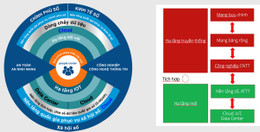
The master plan sets ambitious targets for the development of Vietnam’s postal network by 2025 and 2030, aligned with the national postal development strategy up to 2025 and orientation to 2030. These objectives are designed to expand the service ecosystem, open new operational spaces, and ensure equitable access for all citizens.
By 2025, the plan mandates a significant increase in operational capacity, aiming to process and serve 93,000 tons of parcels per day. Delivery times are also set for dramatic improvement:
- Inter-provincial and international shipments (processing between centers) will be capped at a maximum of 5 days.
- Intra-regional shipments will achieve a maximum delivery time of 2 days.
To support this enhanced capacity and speed, the infrastructure will be significantly upgraded:
- Three regional postal centers will be established, each capable of processing over 11,000 tons of parcels daily, serving an average radius of 350 km. These hubs will act as major sorting and distribution points, leveraging advanced automation and logistics technologies.
- Fourteen provincial/regional postal centers will be developed, each with an average processing capacity exceeding 4,500 tons of parcels per day, serving an average radius of 115 km. These centers will further decentralize operations, improving last-mile delivery efficiency.
Looking further ahead to 2030, the plan envisions the establishment of 3 to 5 regional postal centers across the country, signifying a continued expansion and optimization of the network. This long-term vision emphasizes scalability and adaptability to future growth in e-commerce and digital services.
Stakeholder Engagement and Implementation Strategy

The successful implementation of this master plan hinges on the active participation and coordinated efforts of various stakeholders. During the drafting process, the IICS worked closely with the Central Post Office and major postal enterprises such as Vietnam Post and Viettel Post. This collaborative approach ensured that the proposed targets and development scenarios were thoroughly vetted for high feasibility. "Every content in the draft plan, every target, every development option has been meticulously reviewed and considered," stated a representative from the IICS.
On February 23, during the announcement of the ICT Infrastructure Master Plan, Deputy Minister of Information and Communications Phan Tam issued a directive to major postal enterprises. He urged them to allocate substantial resources to deploy an extensive, modern, large-scale, and optimally connected postal infrastructure specifically geared towards serving e-commerce. Deputy Minister Tam also stressed the importance of strengthening shared infrastructure to reduce logistics costs and enhance national competitiveness. This directive underscores the government’s commitment to fostering a collaborative environment where resources are pooled for collective benefit.
Vietnam Post, designated as the operator of the public postal network, recognizes the significance of this plan. A representative from Vietnam Post commented that the approval of the ICT infrastructure plan, particularly its postal network component, represents a significant step forward. This initiative will not only guide the upgrade and efficient operation of the public postal network but also provide favorable conditions for the industry to embrace and lead new technology trends. It affirms the indispensable role of the postal network within the broader ICT infrastructure, ensuring the "flow of goods" crucial for the digital economy’s ecosystem, which underpins the development of a digital life, digital society, and digital nation.
Beyond Vietnam Post, other enterprises are also tasked with responsibilities, including investing in postal infrastructure, developing national digital postal platforms, and adopting advanced technologies. This includes integrating technologies such as automated sorting systems, conveyor belts, parcel storage solutions, automated classification, and Internet of Things (IoT) devices. These technological advancements are critical for maximizing resource utilization, reducing operational costs, and ultimately enhancing the efficiency of the entire postal ecosystem.
Broader Implications for Vietnam’s Digital Future

The comprehensive development of the postal network under this master plan carries profound implications for Vietnam’s digital transformation journey.
- Boosting E-commerce and Logistics: By providing a highly efficient and integrated physical delivery network, the plan will directly fuel the growth of Vietnam’s booming e-commerce sector. Businesses will benefit from faster, more reliable, and cost-effective delivery services, enabling them to reach a wider customer base and compete more effectively in the digital marketplace. This is particularly crucial as Vietnam’s e-commerce market is projected to continue its rapid expansion, driven by increasing internet penetration and smartphone adoption.
- Enhancing National Competitiveness: Reduced logistics costs and improved delivery speeds will significantly enhance Vietnam’s overall economic competitiveness. Efficient supply chains are vital for both domestic and international trade, making Vietnam a more attractive destination for investment and manufacturing. The World Bank has consistently highlighted the importance of logistics efficiency for economic growth, and this plan directly addresses that.
- Facilitating Digital Government and Society: A robust postal network also plays a vital role in supporting digital government initiatives, such as the delivery of official documents, national ID cards, and other public services. For citizens, it ensures that even those in remote areas have access to essential goods and services, bridging the digital divide and fostering a more inclusive digital society. The plan explicitly aims to ensure that "every citizen nationwide has the right to access and use stable, quality postal services at reasonable prices."
- Strengthening the "Make in Vietnam" Digital Ecosystem: By providing a foundational infrastructure, the plan supports the growth of domestic digital platforms and services. This aligns with the government’s "Make in Vietnam" strategy, encouraging local innovation and technology development. An efficient postal network is an indispensable component of any thriving digital ecosystem, enabling the physical manifestation of digital transactions.
In conclusion, Vietnam’s new ICT infrastructure master plan, with its specific focus on modernizing and integrating the postal network, represents a forward-thinking strategy to underpin the nation’s digital transformation. By harmonizing the flow of goods with the flow of data, Vietnam is building a resilient, efficient, and inclusive digital future that promises significant economic and social benefits for all its citizens. This ambitious undertaking positions the postal sector not as a relic of the past, but as a dynamic and essential enabler of the digital age.