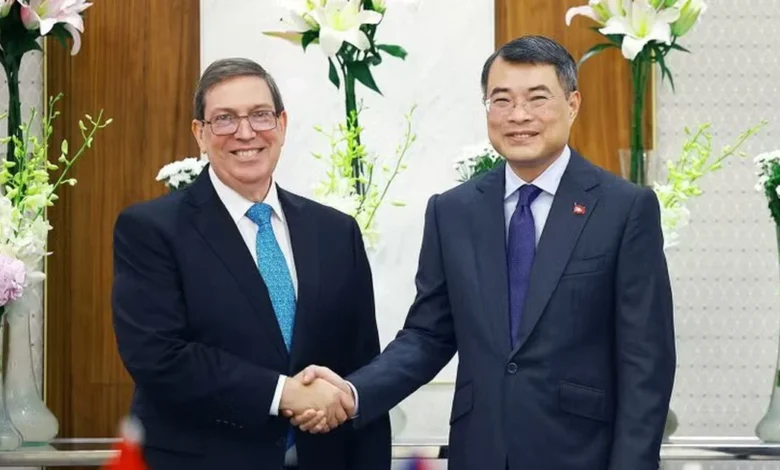
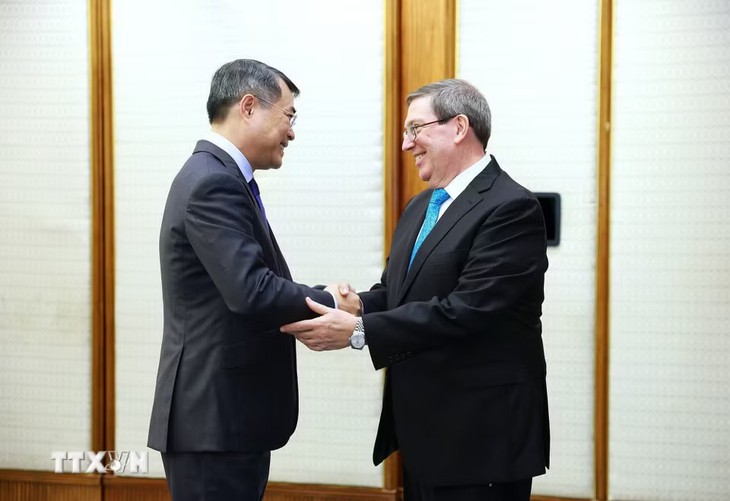
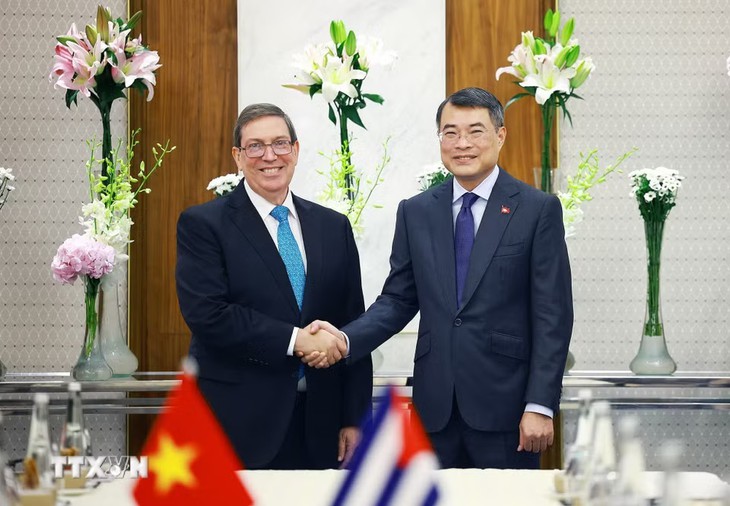
On September 12, Vietnamese Prime Minister Le Minh Hung held a high-level bilateral meeting with Cuban Minister of Foreign Affairs Bruno Rodríguez Parrilla in New Delhi, India. The diplomatic engagement took place on the sidelines of the prestigious BRICS Summit, serving as a critical platform for both nations to reinforce their historic, special friendship. Against the backdrop of profound global economic shifts and pressing geopolitical challenges, the discussions highlighted the enduring solidarity between Hanoi and Havana, reaffirming a mutual commitment to deepening political trust, economic cooperation, and strategic multilateral coordination.
A Historic Friendship Rooted in Unwavering Solidarity
The bilateral relations between Vietnam and Cuba represent a unique paradigm of international solidarity. Founded decades ago by revolutionary icons President Ho Chi Minh and Commander-in-Chief Fidel Castro, the bond has been meticulously nurtured by successive generations of leaders and citizens across both countries. During the meeting in New Delhi, Prime Minister Le Minh Hung underscored that Vietnam consistently places high importance on this special traditional relationship. He noted that Hanoi closely monitors the evolving domestic situation in Cuba, expressing deep empathy for the complex economic difficulties and systemic challenges currently facing the Caribbean nation.
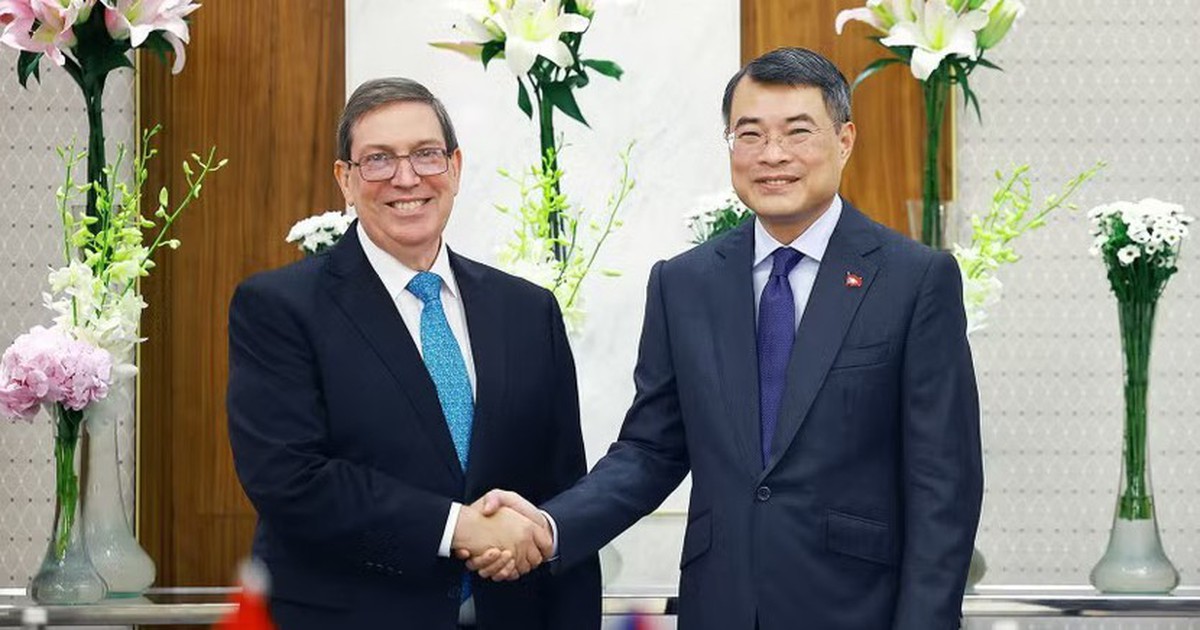
Prime Minister Hung delivered a clear and forceful message of support, affirming that Vietnam stands ready to extend assistance to Cuba to the fullest extent of its capabilities. This sentiment reflects a long-standing tradition of mutual aid. Over the decades, Vietnam has frequently provided rice shipments, agricultural technology transfers, and financial relief to help Cuba weather economic storms, particularly during periods of acute food and energy insecurity. In response, Foreign Minister Bruno Rodríguez Parrilla expressed profound gratitude on behalf of the Communist Party, the State, and the people of Cuba for Vietnam’s consistent solidarity and practical assistance, highlighting agriculture, food security, and energy as primary pillars of this ongoing support.
Cuba Views Vietnam as a Model for Socio-Economic Renovation
Minister Rodríguez Parrilla placed significant emphasis on the ideological and political alignment between the two nations, describing the ties between their respective ruling parties as the unbreakable political foundation that guides all facets of bilateral engagement. The Cuban foreign minister articulated high praise for Vietnam’s socio-economic development model, explicitly stating that Cuba views Vietnam as a benchmark and a successful model for national renewal, construction, and development along socialist orientations.
The ideological exchange between Hanoi and Havana has grown increasingly robust in recent years. Both countries frequently share governance experiences, theoretical frameworks, and practical insights regarding economic reform. As Cuba navigates its own complex process of structural adjustment and economic modernization, the leadership in Havana continues to study Vietnam’s Doi Moi (Renovation) policy—launched in 1986—which successfully transformed Vietnam from a centrally planned economy into one of Southeast Asia’s most dynamic and vibrant emerging markets. Minister Rodríguez Parrilla requested that both sides continue to expand theoretical exchanges and practical cooperation in governance, allowing Cuba to draw upon Vietnam’s reform experiences while adapting them to its own domestic realities.
Enhancing Economic Cooperation and Resolving Bottlenecks
While the political and ideological ties between Vietnam and Cuba remain exceptionally strong, both leaders acknowledged that economic and trade cooperation must be elevated to match this high level of political trust. Prime Minister Le Minh Hung outlined several strategic directives aimed at driving bilateral economic relations into a more substantive, profound, and effective phase.
Prime Minister Hung proposed that both nations maintain regular high-level delegations and institutional contacts, enhance the efficacy of existing bilateral cooperation mechanisms, and proactively resolve bottlenecks and administrative hurdles that impede joint initiatives. Crucially, the Vietnamese leader emphasized the necessity of creating a transparent, favorable legal and operational environment for Vietnamese enterprises currently investing and operating in Cuba, thereby maximizing the efficiency of ongoing cooperative projects.
Vietnamese businesses have maintained a long-term, resilient presence in Cuba, contributing positively to the island nation’s socio-economic development across sectors such as consumer goods manufacturing, renewable energy, and telecommunications. Minister Rodríguez Parrilla acknowledged and highly valued the steadfast commitment of Vietnamese enterprises in Cuba, noting that their sustained presence remains vital for local economic stabilization.
Furthermore, both sides discussed avenues to expand cooperation in specialized, high-value sectors. Prime Minister Hung affirmed that the Vietnamese government is fully prepared to facilitate Cuban investment projects in Vietnam, particularly within the pharmaceutical sector. Cuba boasts a globally renowned biotechnology and pharmaceutical industry, and establishing closer cooperative ties in this field offers immense mutual benefits, combining Cuba’s medical expertise with Vietnam’s expanding domestic healthcare market. Minister Rodríguez Parrilla echoed this sentiment, underscoring Havana’s desire to closely collaborate with Vietnam on flagship projects focusing on food production, solar energy deployment, and pharmaceuticals.
Multilateral Coordination and Mutual Support
The discussions in New Delhi also encompassed broader international issues and multilateral diplomacy. Both Vietnam and Cuba share a long-standing tradition of mutual support within international organizations and multilateral forums, including the United Nations, the Non-Aligned Movement, and various regional groupings.
Minister Rodríguez Parrilla expressed sincere appreciation for Vietnam’s steadfast diplomatic backing of Cuba at multilateral forums, particularly regarding resolutions addressing the longstanding economic, commercial, and financial embargo imposed against Havana. In return, Vietnamese leadership reaffirmed its principled stance against unilateral coercive measures and economic blockades that undermine the sovereignty and development rights of nations.
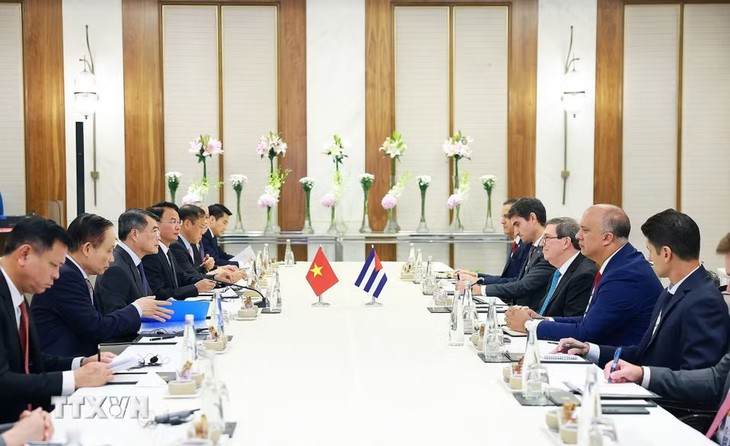
The meeting on the sidelines of the BRICS Summit underscored the strategic relevance of developing countries cooperating closely within emerging global platforms. As the BRICS architecture continues to evolve and discuss alternative frameworks for international finance, trade, and geopolitical dialogue, the alignment of perspectives between traditional allies like Vietnam and Cuba contributes to a more balanced and representative international order.
Strategic Roadmap for Future Bilateral Relations
As the meeting concluded, Prime Minister Le Minh Hung respectfully conveyed warm greetings, well wishes, and inquiries from General Secretary and State President To Lam, alongside other senior Vietnamese leaders, to Army General Raul Castro Ruz, First Secretary and President Miguel Díaz-Canel Bermúdez, and other senior leaders of the Communist Party and State of Cuba. In return, Foreign Minister Rodríguez Parrilla reciprocated with heartfelt fraternal regards from the Cuban leadership addressed to the highest echelons of the Vietnamese government.
Both sides reiterated their unwavering determination to further deepen the special friendship, solidarity, and comprehensive cooperation between Vietnam and Cuba. They reached a firm consensus to actively and effectively implement all high-level agreements, treaties, and joint commitments previously established by the leaders of both nations. By combining strong political alignment with pragmatic economic cooperation, Vietnam and Cuba continue to demonstrate that their historic alliance, forged by visionary leaders decades ago, remains robust, adaptable, and fully equipped to address the challenges of the modern geopolitical landscape.