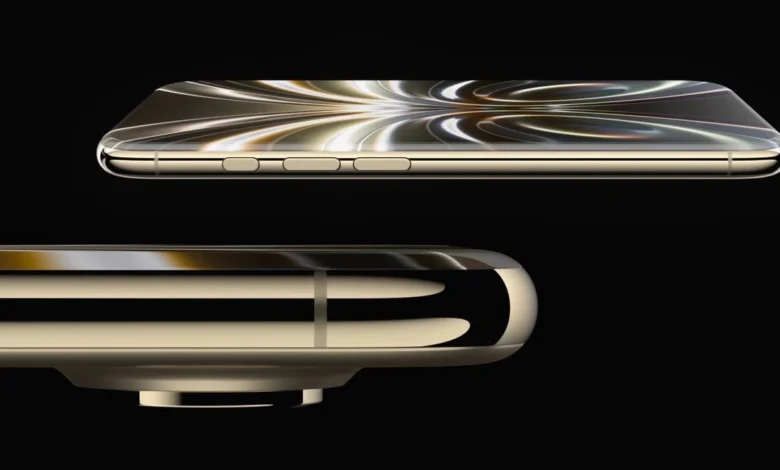
Speculation is mounting within the tech industry and among Apple enthusiasts regarding the potential display size of future iPhone models, with a persistent rumor suggesting that an upcoming "Pro Max" variant, potentially the iPhone 20 Pro Max, could sport a groundbreaking 6.96-inch screen. This development, if realized, would mark a significant escalation in the ever-increasing screen real estate offered by Apple’s flagship smartphones, pushing the boundaries of what has historically been considered a comfortable handheld device.
The genesis of this particular rumor appears to stem from reports circulating within supply chain channels and tech news outlets that track Apple’s product development. While Apple has not officially confirmed any details about future iPhone models beyond the current generation, industry observers point to a discernible trend of incremental screen size increases in the Pro Max lineup over the past several years. The iPhone XS Max, released in 2018, set a benchmark with its 6.5-inch display. This was followed by the iPhone 12 Pro Max in 2020, which expanded to 6.7 inches. The subsequent iPhone 14 Pro Max and iPhone 15 Pro Max have maintained this 6.7-inch diagonal measurement, leading many to anticipate a further leap.
The alleged 6.96-inch display for a future Pro Max model suggests that Apple may be exploring a screen size that borders on the 7-inch mark, a dimension more commonly associated with smaller tablets or phablets of yesteryear. This potential move could be interpreted as a strategic effort by Apple to further differentiate its premium Pro Max models, offering a distinct advantage in terms of visual real estate for content consumption, productivity, and immersive gaming experiences.
A History of Escalating Screen Sizes
Apple’s journey with larger iPhone displays began in earnest with the iPhone 6 Plus in 2014, which introduced a 5.5-inch screen, a significant departure from the 4-inch displays of its predecessors. This move was met with considerable success, paving the way for larger phones to become the norm in the smartphone market. The "Plus" and later "Max" designations became synonymous with the largest screens and, typically, the most advanced features and battery life within Apple’s iPhone portfolio.
The introduction of the OLED display technology with the iPhone X in 2017, coupled with the edge-to-edge design that minimized bezels, allowed Apple to pack larger displays into more manageable chassis sizes. However, the physical dimensions of the devices have still gradually increased with each generation, particularly for the larger models.
- iPhone XS Max (2018): 6.5 inches
- iPhone 11 Pro Max (2019): 6.5 inches
- iPhone 12 Pro Max (2020): 6.7 inches
- iPhone 13 Pro Max (2021): 6.7 inches
- iPhone 14 Pro Max (2022): 6.7 inches
- iPhone 15 Pro Max (2023): 6.7 inches
The rumored 6.96-inch display for a future iPhone Pro Max would represent an approximately 3.9% increase in screen diagonal over the current 6.7-inch models. While this might seem incremental, in the context of smartphone design, such an expansion necessitates careful consideration of ergonomics, weight, and overall device dimensions.
Implications of a Larger Display
A larger display offers several potential benefits for users:
- Enhanced Media Consumption: Watching videos, viewing photos, and reading content becomes more immersive and comfortable on a larger screen.
- Improved Productivity: For tasks like document editing, spreadsheet management, and multitasking, a bigger display can provide more screen real estate, allowing for better visibility and easier interaction.
- Superior Gaming Experience: Mobile gaming often benefits greatly from larger screens, offering more space for on-screen controls and a more expansive view of game worlds.
- Greater Information Density: Users can potentially view more information at a glance, reducing the need for constant scrolling.
However, a larger display also presents challenges:
- Ergonomics and Handling: A bigger phone can be more difficult to hold and operate with one hand, especially for individuals with smaller hands.
- Portability: Larger devices are generally less pocketable and can feel more cumbersome to carry.
- Battery Life: While larger devices often accommodate larger batteries, driving a significantly bigger screen can also place increased demands on power consumption.
- Manufacturing Complexity and Cost: Developing and manufacturing larger, high-resolution OLED panels can be more complex and expensive, potentially contributing to higher device costs.
Industry Trends and Competitive Landscape
The push towards larger displays is not unique to Apple. The smartphone market, in general, has seen a significant trend towards larger screen sizes, especially in the premium segment. Competitors like Samsung, with its Galaxy S Ultra series, have consistently offered devices with expansive displays, often exceeding 6.8 inches. This competitive pressure may be a driving factor for Apple to continue pushing the envelope in screen size for its highest-tier models.
Furthermore, the rise of foldable smartphones, which offer even larger displays that can unfold to tablet-like dimensions, has also influenced consumer expectations regarding screen real estate. While Apple has yet to enter the foldable market, the continued innovation in this space might indirectly encourage larger, more conventional smartphone displays.
Potential Design Adjustments
To accommodate a 6.96-inch display without drastically increasing the overall physical size of the iPhone, Apple would likely need to implement further reductions in bezel size and potentially re-evaluate the device’s aspect ratio. Advances in under-display camera technology or alternative front-facing sensor placements could also play a role in maximizing screen real estate. The possibility of a slightly taller and wider chassis, while maintaining similar thickness, is also a consideration.
Uncertainty and Future Outlook
It is crucial to emphasize that these are based on unconfirmed reports and industry speculation. Apple is known for its rigorous product development cycle, and plans can change significantly before a device is officially announced. The company typically keeps its future product roadmaps under tight wraps, making it difficult to ascertain the definitive specifications of upcoming iPhones.
However, the consistent reporting from multiple sources regarding a larger display for future Pro Max models suggests a strong possibility. If Apple does indeed proceed with a 6.96-inch display for a future iPhone, it would underscore the company’s commitment to catering to users who prioritize a larger, more immersive mobile experience, potentially solidifying the Pro Max line as the ultimate device for content creation and consumption within the iPhone ecosystem. The timeline for such a release remains speculative, but industry analysts are keenly watching for any official announcements or further leaks that could provide more concrete details. The tech world eagerly awaits Apple’s next move in the ongoing evolution of the smartphone display.
Related posts: