Singapore Unveils Historic Liquidation of Over 3 Billion SGD in Luxury Assets Seized from Island Nation’s Largest Money Laundering Operation


Singapore has officially commenced the monumental liquidation of thousands of luxury assets confiscated during what is widely recognized as the largest and most complex money laundering crackdown in the history of the island nation. The assets, which range from multi-million-dollar real estate properties and high-performance supercars to ultra-exclusive designer handbags, rare timepieces, and priceless jewelry, represent a staggering financial footprint left behind by a sophisticated transnational criminal syndicate.
The ongoing auction and sales process marks the final, highly visible chapter of a massive multi-agency operation that began in August 2023. Over the past two years, the Singapore Police Force has systematically dismantled a vast underground financial network tied to foreign illegal gambling and online scam operations. As the government prepares to return these proceeds to the national treasury, the scale and opulence of the seized inventory have captivated collectors, financial investigators, and the global public alike.
Anatomy of a Historic Crackdown: How the Syndicate Operated
The seeds of this massive financial scandal were planted long before law enforcement moved in. For years, Singapore’s reputation as a stable, secure, and tax-friendly global financial hub made it an attractive destination for high-net-worth individuals seeking to safeguard their wealth. However, this same environment inadvertently provided fertile ground for illicit actors to integrate dirty money into the legitimate economy.
In August 2023, the Commercial Affairs Department (CAD) of the Singapore Police Force executed coordinated raids across some of the most exclusive residential districts in the country, including luxury condominiums, landed properties, and high-end Good Class Bungalows (GCBs). The operation involved hundreds of officers and resulted in the immediate arrest of multiple foreign nationals.
Investigators soon uncovered a sprawling web of deceit. The primary culprits were identified as a group of foreign nationals, predominantly originating from China, many of whom had acquired alternative citizenships—including passports from Cambodia, Vanuatu, Cyprus, and Thailand—to facilitate their international travel and asset concealment. These individuals maintained low profiles while orchestrating massive online scam operations and illegal remote gambling rings targeting victims abroad.
To launder the immense profits generated by these illicit ventures, the syndicate utilized a classic yet highly sophisticated array of financial maneuvers. They forged corporate documents, manipulated bank statements to deceive financial institutions, and channeled funds through complex layers of shell companies. Once the money entered Singapore’s financial system, it was rapidly converted into hard, tangible assets that could hold or appreciate in value while masking the true ownership trail.
The Scale of Confiscation: Billions in Luxury and Real Estate
Over the course of a rigorous two-year investigation, Singaporean authorities systematically seized or issued prohibition of disposal orders on an unprecedented volume of wealth. The total value of the confiscated assets surpassed 3 billion SGD (approximately 2.4 billion USD), making it one of the largest single-jurisdiction asset recoveries of its kind globally.
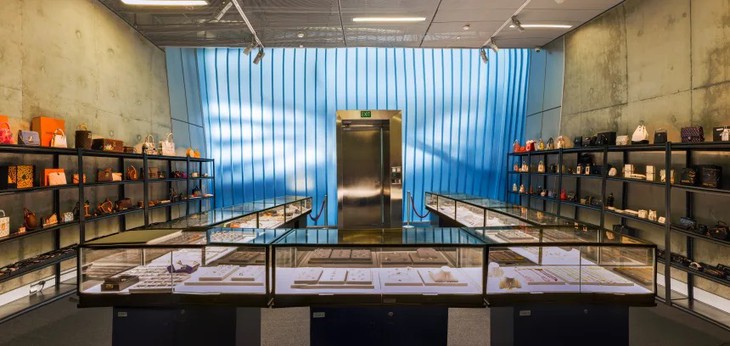
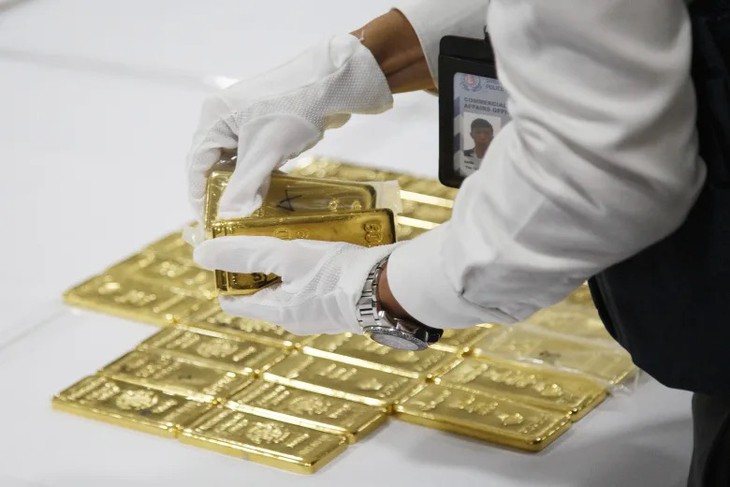
The inventory of seized goods reads like a catalogue of extreme wealth. Authorities secured vast amounts of physical cash across multiple major currencies, millions of dollars in cryptocurrency holdings, and substantial quantities of gold bars. Beyond liquid wealth, the haul included dozens of luxury vehicles, fleets of high-end commercial and residential properties, membership shares in elite golf clubs, and thousands of luxury consumer items.
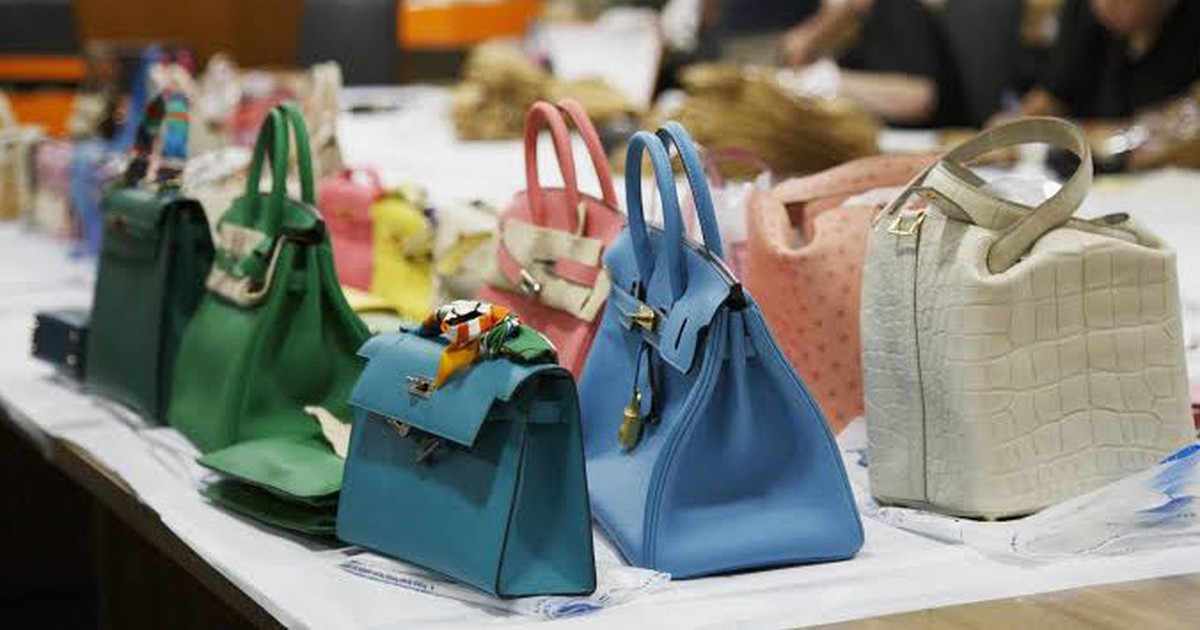
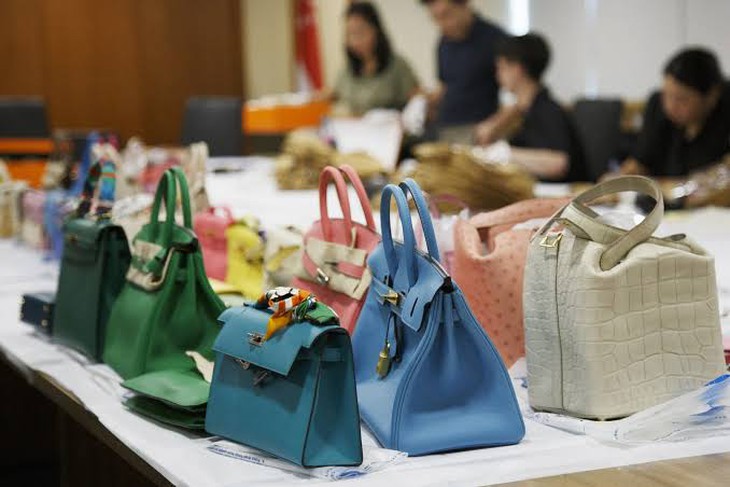
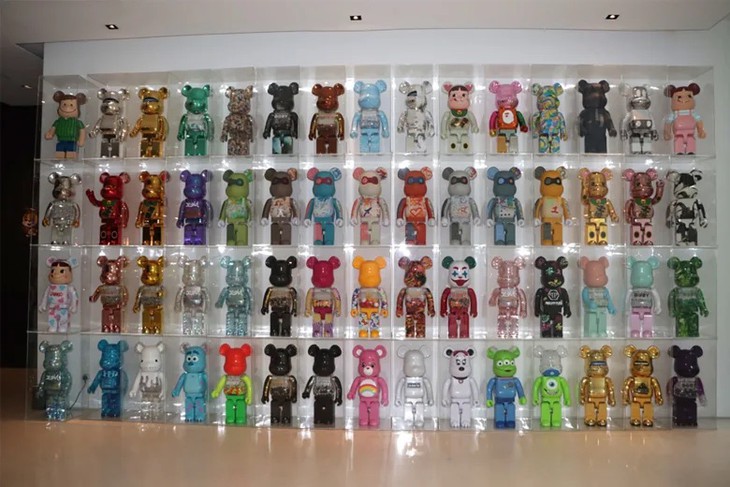
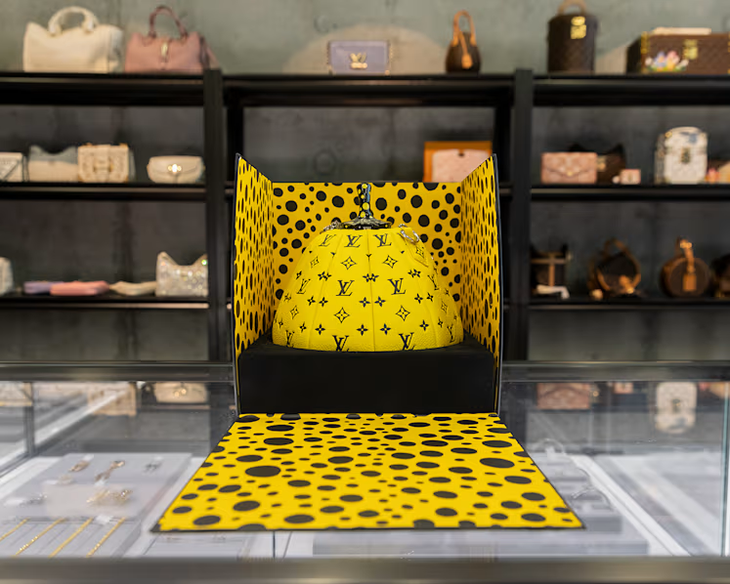
Among the most heavily guarded items are hundreds of designer accessories. The collection features rare Hermès Kelly and Birkin bags—including limited-edition pieces from the luxury house’s collaboration with renowned artist Yayoi Kusama—alongside high-end handbags and fashion accessories from Chanel and Louis Vuitton. Furthermore, the haul boasts an extraordinary array of fine jewelry and horology, including diamond-encrusted rings by Graff and Cartier, luxury timepieces from Patek Philippe and Rolex, and even collectible designer art toys such as Japanese Bearbrick figures, which can command thousands of dollars each on the secondary market.
Legal Outcomes and the Pursuit of Fugitives
The judicial proceedings following the raids underscored Singapore’s zero-tolerance policy toward financial crime. Ten primary defendants, all Chinese nationals possessing various secondary passports, were swiftly prosecuted. They faced a battery of charges related to money laundering, forgery, and the submission of falsified documents to local banks to bypass anti-money laundering (AML) controls.
The courts handed down prison sentences ranging from 13 to 17 months. Because these sentences were calculated to account for time served during the prolonged pre-trial detention phase, all ten individuals have since completed their terms. Upon their release, they were immediately deported from Singapore and barred from re-entering the country indefinitely, a standard procedure for foreign offenders posing a threat to national security and financial integrity.
However, the legal battle did not end with the primary ten defendants. Law enforcement agencies identified at least 17 additional suspects who had fled the jurisdiction prior to the initial raids. In a strategic move to recover hidden wealth, Singaporean authorities engaged with international partners, including Interpol, issuing red notices for the fugitives.
Demonstrating the immense pressure exerted by global law enforcement cooperation, 15 of these fugitive suspects subsequently agreed to cooperate. In exchange for the formal withdrawal of Interpol red notices, these individuals voluntarily surrendered a massive portion of their offshore and domestic assets to the Singaporean government, ensuring that the state could recover millions of dollars that might otherwise have remained permanently out of reach.
The Logistics of Liquidation: Managing a Mountain of Luxury
Liquidating over 3 billion SGD worth of diverse assets is an administrative and logistical labyrinth. Recognizing the specialized nature of high-end luxury goods, real estate, and financial instruments, the Singaporean government established a meticulous, multi-phase liquidation strategy that has spanned well over a year.
In July 2025, the government appointed global auditing and advisory firm Deloitte to oversee the management and disposal of all non-cash assets. Deloitte, in turn, engaged a network of specialized real estate agencies to handle the sale of more than 80 residential and commercial properties that had been tied to the laundering operations.
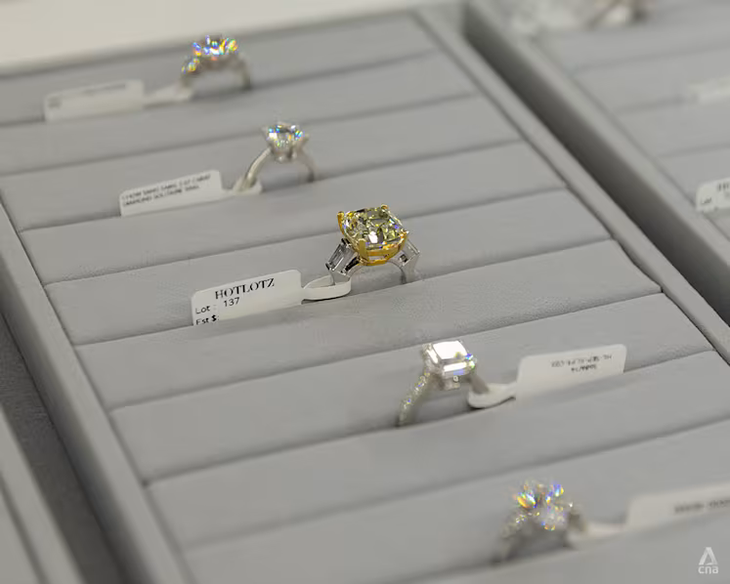
For the vast collection of designer goods, jewelry, and high-end collectibles, the task was awarded to Hotlotz, a prominent regional auction house. Managing director Christopher Lanigan-O’Keeffe and his team spent months cataloging, authenticating, and valuing thousands of individual items stored within high-security facilities such as the Freeport Singapore near Changi Airport.
According to auctioneers, the sheer concentration and exceptional quality of the items recovered in this single case are virtually unprecedented on the open market. The collection features investment-grade pieces crafted by the world’s leading designers and jewelry houses, including a 15-carat diamond and gold ring estimated to fetch up to 300,000 SGD (237,000 USD), and multiple six-figure diamond rings by Hermès and Graff.
To prevent market saturation—which could depress prices and reduce the total recovery for the state treasury—Hotlotz structured the liquidation into a marathon series of approximately 15 distinct online and live auctions scheduled to run through May 2027. The first major online sales events, held in September, drew massive international interest and were projected to yield up to 3.9 million SGD. Subsequent auctions, featuring hundreds of additional Hermès handbags and high-end timepieces, are slated for late autumn, attracting bidders from major global art and luxury hubs such as New York, London, Paris, and Hong Kong.
Significantly, the liquidation strategy was designed not exclusively for the ultra-wealthy. While multi-million-dollar real estate parcels and rare gemstones cater to institutional buyers and high-net-worth collectors, the auction house also cataloged accessible entry-level items—such as designer hair clips, costume jewelry, and smaller accessories starting with reserve prices as low as 120 SGD. This tiered approach ensured broad public participation and maximized overall commercial returns.
Broader Implications and Systemic Reforms
The monumental money laundering scandal and subsequent asset liquidation have left an indelible mark on Singapore’s financial and regulatory landscape. While the successful recovery and liquidation of over 3 billion SGD demonstrate the robust capabilities of Singaporean law enforcement, the sheer magnitude of the operation also exposed vulnerabilities that criminal syndicates attempted to exploit.
In the wake of the 2023 arrests, government ministries, financial regulators, and law enforcement agencies initiated a comprehensive review of the nation’s anti-money laundering framework. Lawmakers introduced tighter scrutiny on single-family offices, enhanced due diligence requirements for real estate transactions, and increased reporting obligations for dealers of precious metals, stones, and high-value goods. Furthermore, financial institutions operating within the Republic were subjected to stricter audits regarding the origins of foreign wealth entering the local banking ecosystem.
Financial analysts note that while these regulatory tightenings may impose higher compliance costs and slightly slow the influx of private wealth in the short term, they ultimately reinforce Singapore’s long-term credibility as a transparent and secure financial center. By demonstrating that illicitly acquired fortunes can be successfully intercepted, prosecuted, and liquidated, Singapore has sent an unequivocal message to international criminal networks: the nation’s financial infrastructure is not open for abuse.
As the final gavel falls on the last of the 15 planned auction sessions in 2027, every dollar recovered from the luxury bags, supercars, and sprawling estates will be funneled directly into the Singaporean national budget. These funds will ultimately support public expenditure and national development, transforming the physical remnants of a massive criminal enterprise into a lasting asset for the broader public.