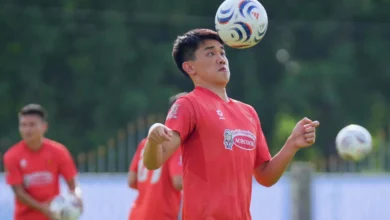
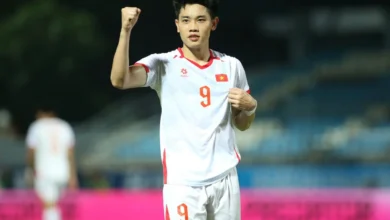
U23 Vietnam Secures Pot 1 Placement for Asiad 2026: A Historic Paradigm Shift in Asian Youth Football

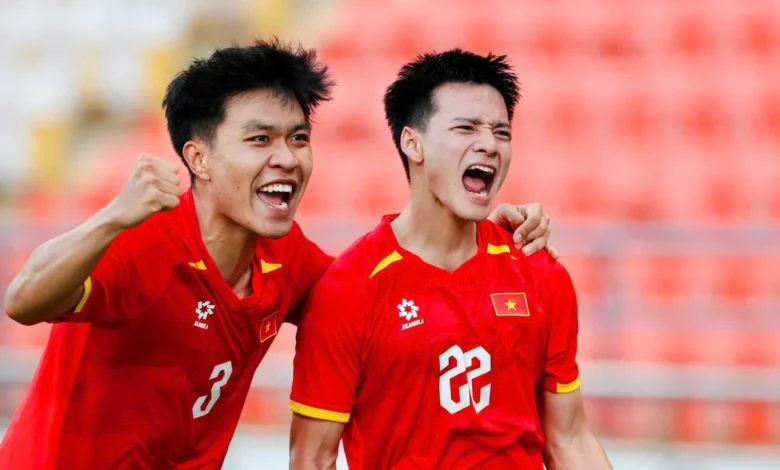
The landscape of Asian youth football has undergone a fundamental transformation, and at the heart of this evolution is the remarkable ascent of the Vietnamese national under-23 team. As the continent prepares for the 20th Asian Games (Asiad 20) scheduled to take place in Nagoya, Japan, in September 2026, U23 Vietnam finds itself in an unprecedented position of privilege and respect. For the first time in the history of the multi-sport continental quadrennial event, Vietnamese football will occupy the top seeding tier—Pot 1—placing the Southeast Asian powerhouse shoulder-to-shoulder with traditional continental heavyweights.
This milestone is not merely a byproduct of good fortune; it represents a hard-earned validation of consistent developmental progress, tactical maturation, and stellar performances on elite continental stages. The journey to this historic designation offers a fascinating lens through which to examine how tournament governance, youth development pipelines, and regional perceptions have converged to reshape Vietnam’s status in international association football.
The Evolution of Seeding Mechanics: From Flawed Tradition to Meritocratic Fairness
To fully understand the gravity of U23 Vietnam’s current standing, one must examine the systemic flaws that characterized previous editions of the Asian Games. Historically, the Olympic Council of Asia (OCA) and tournament organizers relied on a rigid and often counterproductive seeding mechanism. Group allocations were determined strictly by the performance and final rankings of national teams from the preceding edition of the Asian Games.
While this mechanism worked well enough in sports with stable, long-term athlete lifecycles, it created glaring anomalies in under-23 football. The multi-sport nature of the Asian Games means that editions are spaced four to five years apart—such as the five-year gap between the 2018 Jakarta-Palembang Games and the 2022 Hangzhou Games (which were postponed to 2023 due to the COVID-19 pandemic). In youth football, a four-to-five-year interval represents an absolute generation gap. The roster of players competing at Asiad 19 bore virtually no personnel or tactical continuity with the squad that achieved historic feats at Asiad 18.
Consequently, under the legacy system, a nation could produce a phenomenal generation of players that excelled at one tournament, only to see the subsequent cohort penalized or improperly seeded four years later simply because their predecessors’ achievements had expired on paper. This systemic disconnect was starkly illustrated at Asiad 19 in Hangzhou. Despite reaching the semi-finals under coach Park Hang-seo at Asiad 18—a run that rightfully placed Vietnam in Pot 1 for the 2023 draw—the subsequent U23 squad faced a brutal reality. Due to the complete turnover of personnel, the team coached by Hoang Anh Tuan found itself thrust into a "group of death" alongside continental powerhouses Iran and Saudi Arabia. Despite being nominally housed in Pot 1, the Vietnamese youngsters were overwhelmed by the sheer depth and physical prowess of these West Asian giants, resulting in an early exit after the group stage.
The sporting press and football federations across the continent openly criticized the legacy-based seeding model as archaic and unreflective of current competitive realities. Recognizing the validity of these critiques, tournament organizers initiated a pivotal structural reform for Asiad 20.
A Paradigm Shift: Aligning Asiad Seeding with the AFC U23 Asian Cup
Listening to widespread feedback from regional media, coaching staffs, and technical experts, the Asian Football Confederation (AFC) and Asiad 20 organizers scrapped the outdated historical metric. Instead, seeding for the Nagoya Games was anchored directly to the results of the AFC U23 Asian Cup held earlier in the year.
This modification has been universally lauded by tactical analysts and federation officials. Grounding Asiad seeding in a tournament held mere months before the continental games eliminates the artificial disconnect that plagued previous generations. Teams arrive at the Asian Games with squads that closely mirror, or directly evolve from, the personnel that battled through the continental championship earlier in the calendar year.
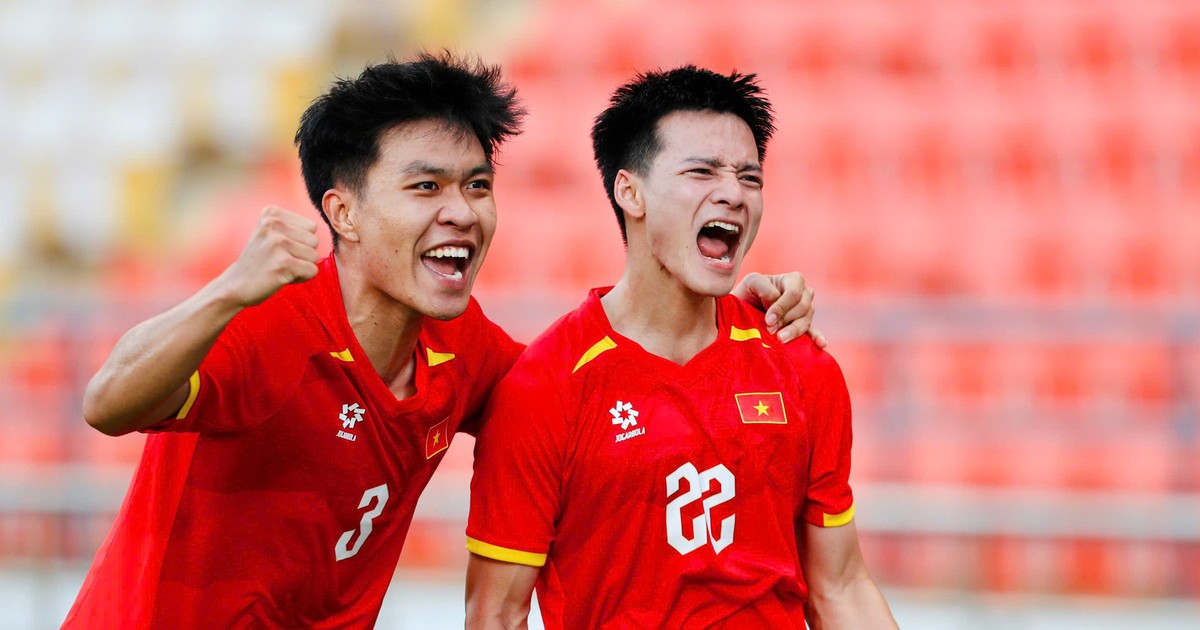
For Vietnam, this administrative shift proved to be the catalyst for historical recognition. Building upon years of steady infrastructural investment and improved youth academies, the current generation of Vietnamese talents delivered a masterclass at the AFC U23 Asian Cup, ultimately securing a brilliant third-place finish. Stars like Khuat Van Khang, Nguyen Ngoc My, and Nguyen Thanh Nhan orchestrated memorable tactical displays, proving that their technical proficiency and tactical discipline could neutralize traditional powerhouses.
Because the seeding for Asiad 20 was directly tied to this continental success, U23 Vietnam retained its elite status, earning a coveted spot in Pot 1 alongside the tournament’s top-tier elite.
Regional Media and Opponents React to Vietnam’s Rise
The elevation of Vietnamese football to the top seeding tier has sent ripples of respect, caution, and strategic recalculation throughout the Asian media landscape. No longer viewed as mere underdogs or fortunate participants, U23 Vietnam is now analyzed as a legitimate benchmark of competitive strength in youth football.
Prominent regional outlets have closely monitored this shift. South Korea’s Star News remarked on the tournament draw dynamics, noting the palpable sense of relief among certain camps that they managed to avoid being drawn alongside both Vietnam and Japan in the group stage. Meanwhile, Uzbekistan’s sports publication Kun.uz explicitly designated Vietnam as the primary threat and benchmark team in the race for qualification out of Group C.
Even opposing managers have adjusted their rhetoric. Ahead of the tournament, U23 Philippines head coach Garrath McPherson openly acknowledged the challenge awaiting his squad, pointing to Vietnam as the tactical and structural standard against which regional progression is measured. Such assessments highlight a profound psychological turning point: for the first time in the history of the Asian Games, Vietnamese football is perceived not just as a regional competitor, but as a continental heavyweight.
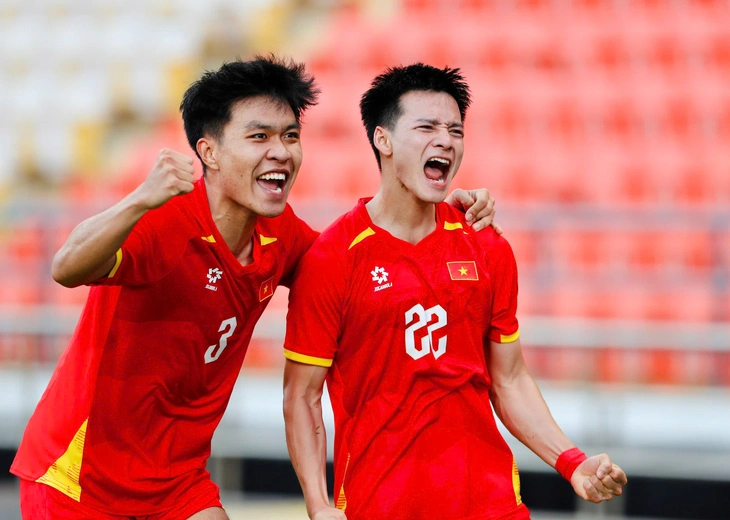
Group C Dynamics and the Road to the Opener
The official draw for Asiad 20 placed U23 Vietnam in Group C, alongside Uzbekistan, Kuwait, and the Philippines. When evaluated against other groups, tactical experts generally view Group C as balanced and manageable, especially when contrasted with the grueling landscapes of other pools.
For instance, Group B features traditional powerhouses China—who also occupy a Pot 1 designation—alongside Iran, the United Arab Emirates, and North Korea. Similarly, Group D houses regional titans South Korea, Saudi Arabia, and Qatar in a ferocious battle for supremacy. Against this backdrop, Vietnam’s group provides a competitive yet navigable path toward the knockout stages.
U23 Vietnam is scheduled to kick off its Asiad 20 campaign on the evening of September 15, facing U23 Kuwait in their opening fixture. The match will serve as an immediate test of the squad’s readiness, tactical adaptability, and mental resilience under the weight of heightened expectations.
With key players who gained invaluable experience during the simultaneous window of the FIFA ASEAN Cup—such as the dynamic forward Dinh Bac—blending seamlessly with the core group from the AFC U23 Asian Cup, the team boasts a balanced roster capable of absorbing pressure and striking swiftly on counter-attacks. Under the tactical guidance of the coaching staff, these players have demonstrated a sophisticated understanding of modern positional play, defensive solidity, and transition efficiency.
Broader Implications for Vietnamese Football
The implications of securing a Pot 1 placement and entering Asiad 20 as a continental contender extend far beyond the immediate results in Nagoya. This milestone symbolizes the maturation of a long-term strategic vision implemented by the Vietnam Football Federation (VFF) and supported by club academies across the country.
By consistently producing technically sound players who are unintimidated by physical or tactical mismatches against West and East Asian giants, Vietnamese football has built sustainable competitive equity. The shift in seeding rules by the OCA and AFC rewards this consistency, ensuring that meritocracy governs continental tournaments.
As the team steps onto the pitches of Japan in September 2026, the objective extends beyond merely surviving the group stage. U23 Vietnam carries the hopes of a passionate nation and the newfound respect of a continent. Whether they can convert their Pot 1 status and favorable group draw into a deep tournament run remains one of the most compelling storylines of the upcoming Asian Games. What is already certain, however, is that Vietnamese football has permanently rewritten its narrative on the international stage, transitioning from a pleasant surprise into an established force to be reckoned with.
Related posts: