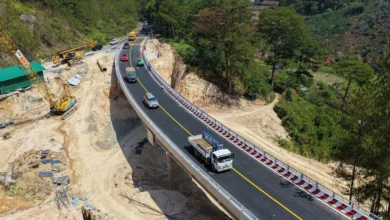
The critical infrastructure project on the Khanh Le Pass, a vital 33-kilometer segment of National Highway 27C connecting the coastal city of Nha Trang with the Central Highlands resort hub of Da Lat, is currently undergoing an accelerated reinforcement phase. As of mid-September 2026, engineering crews are working around the clock to secure landslide-prone slopes and stabilize road surfaces before the onset of the region’s peak rainy season. This effort is part of a broader, high-stakes initiative to ensure the safety and continuity of one of Vietnam’s most scenic and strategically significant mountain routes.
Strategic Importance of National Highway 27C
National Highway 27C, stretching over 121 kilometers, serves as the primary artery linking the Khanh Hoa coastal province with the Lam Dong highlands. For years, it has been the fastest, most direct route for tourists traveling between the beaches of Nha Trang and the cool, temperate climate of Da Lat. Beyond its tourism value, the road is an essential logistics corridor, facilitating the movement of agricultural goods from the Central Highlands to major ports and industrial hubs along the coast.
However, the geographical profile of the route—traversing steep, high-altitude terrain—makes it inherently vulnerable to geological instability. Heavy rainfall and complex soil structures have historically led to frequent landslides, particularly during the transition into the monsoon season, posing persistent risks to travelers and transport vehicles.
Chronology of Recent Infrastructure Challenges
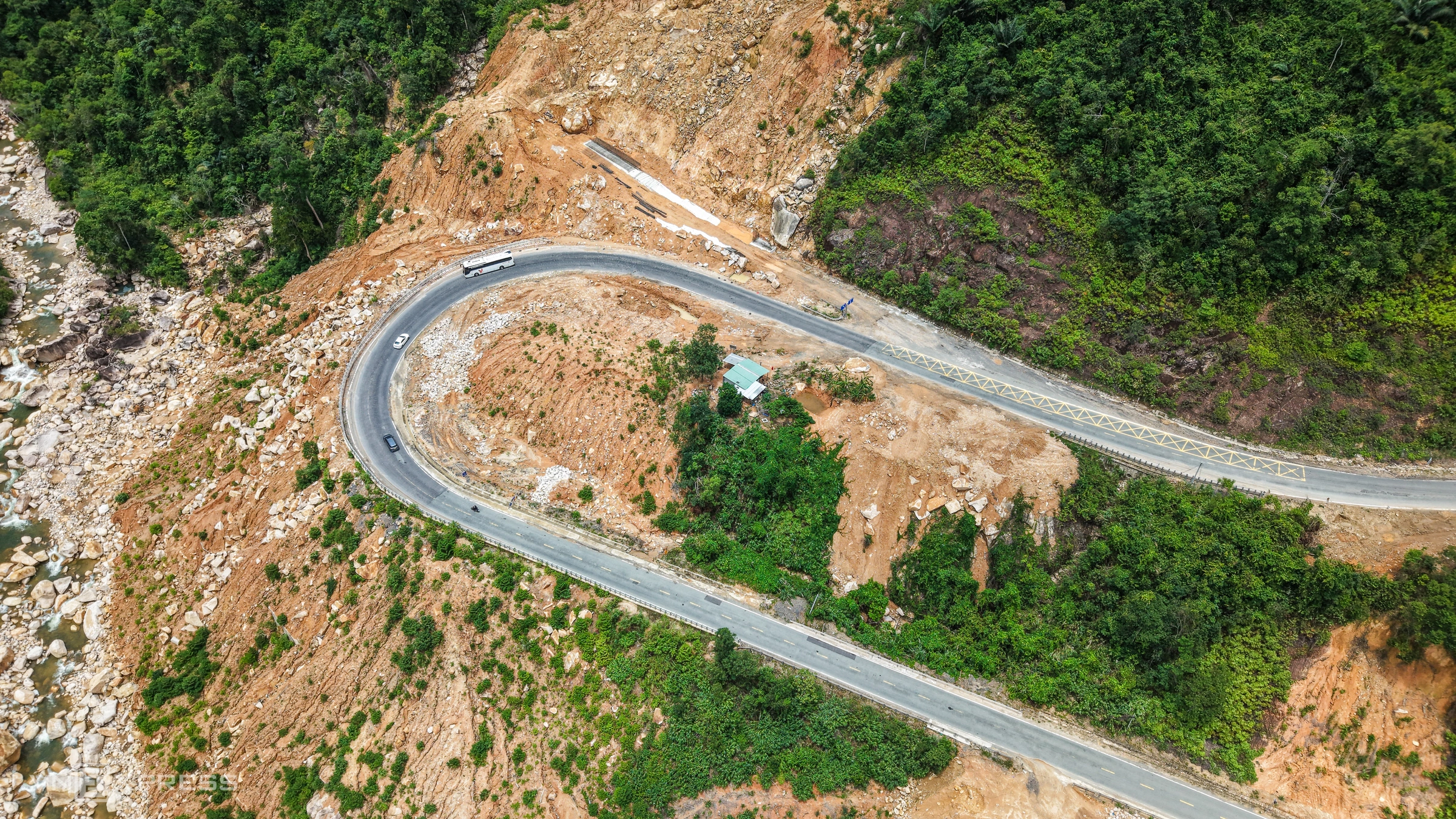
The necessity for these urgent repairs is rooted in a history of geological volatility. The region faced a catastrophic event on November 16, 2025, when a massive landslide occurred on a section of the pass, resulting in a tragic accident that claimed six lives. This incident served as a stark reminder of the limitations of the existing protective infrastructure and underscored the need for more robust engineering solutions.
Following that disaster, the local government and the Ministry of Transport initiated a comprehensive review of the entire route. By June 8, 2026, a major stabilization contract, valued at approximately 105.5 billion VND, was launched. The project scope includes the reinforcement of nine high-risk locations identified by the Khanh Hoa Department of Construction. The current phase, slated for completion by early October, aims to mitigate the risk of rockfalls and slope failure that have historically plagued the pass.
Technical Scope and Engineering Efforts
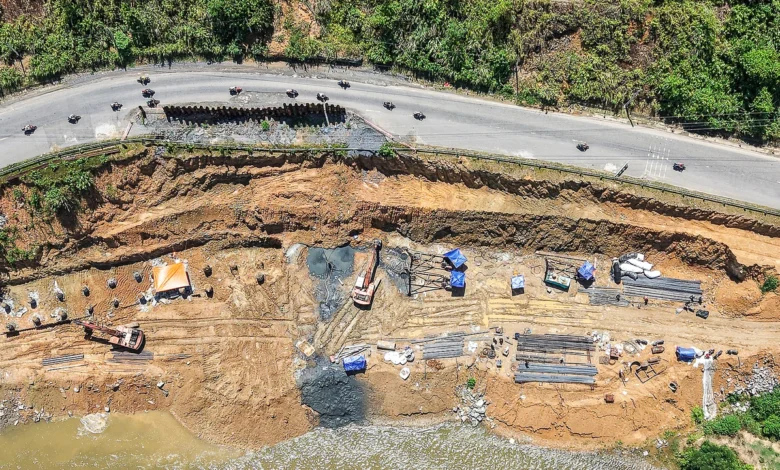
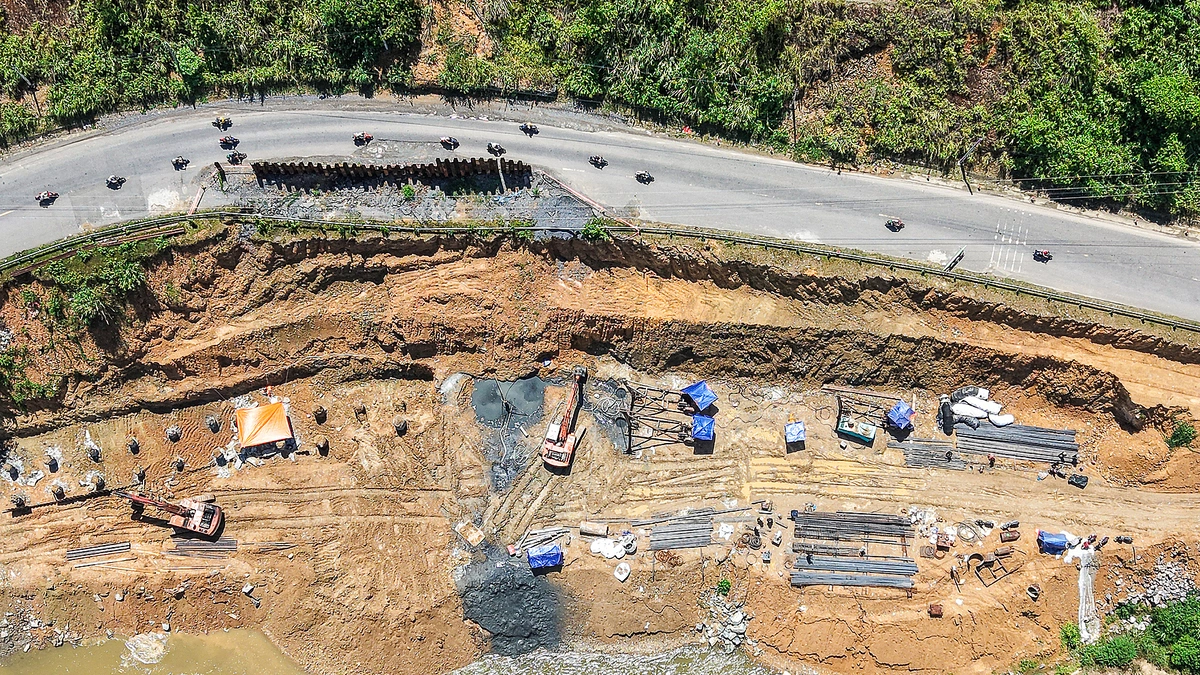
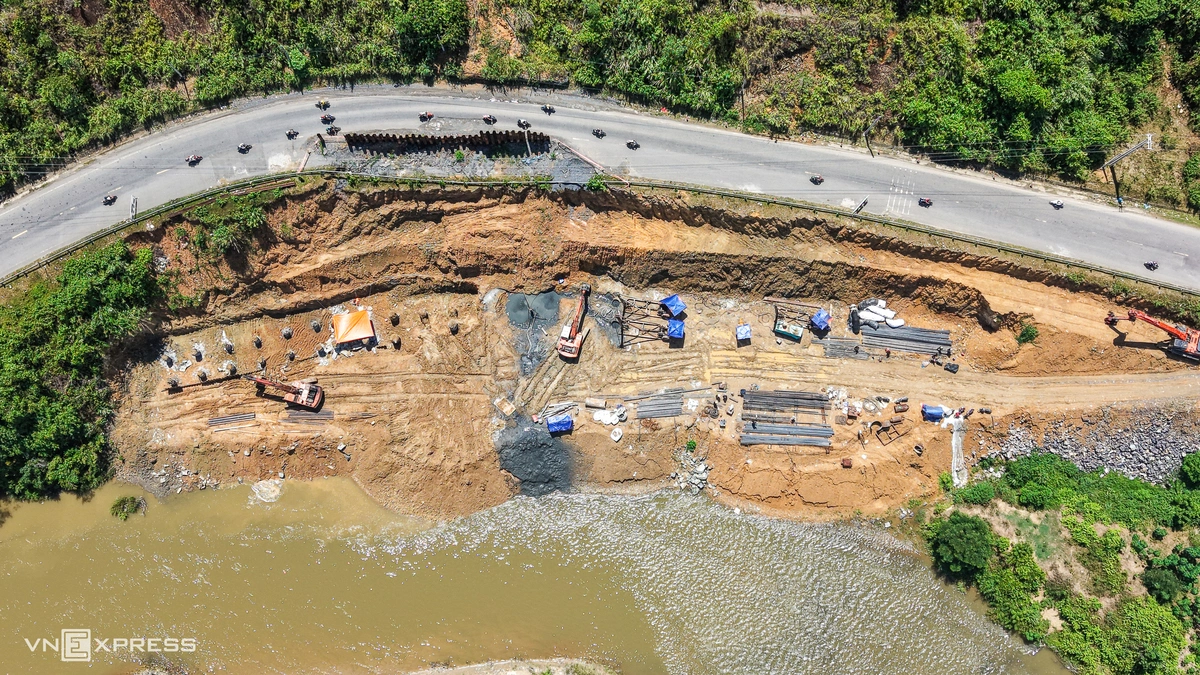
The current construction effort is not merely cosmetic; it involves sophisticated geotechnical interventions designed to withstand the harsh conditions of the mountain climate. At the foot of the Khanh Le Pass, in the commune of Nam Khanh Vinh, engineers are installing deep-bored concrete piles, each measuring one meter in diameter. To date, 26 out of the 48 planned piles have been successfully completed.
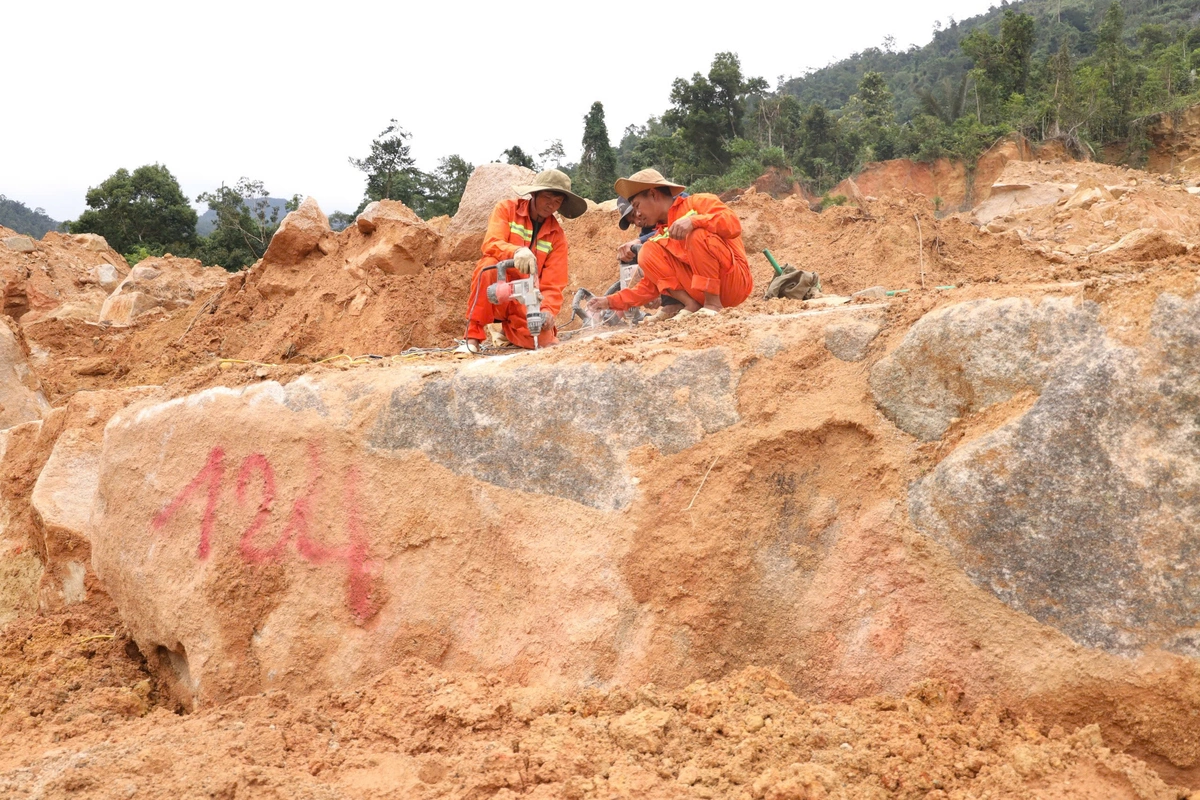
The strategy focuses on two primary areas: protecting the "taluy" (slope) and improving the road surface drainage. Crews are installing high-strength steel mesh systems, which are then reinforced with specialized fencing designed to catch falling rocks and prevent debris from reaching the asphalt. This "active" defense system is augmented by the construction of massive concrete retaining walls that provide structural integrity to the mountain side.

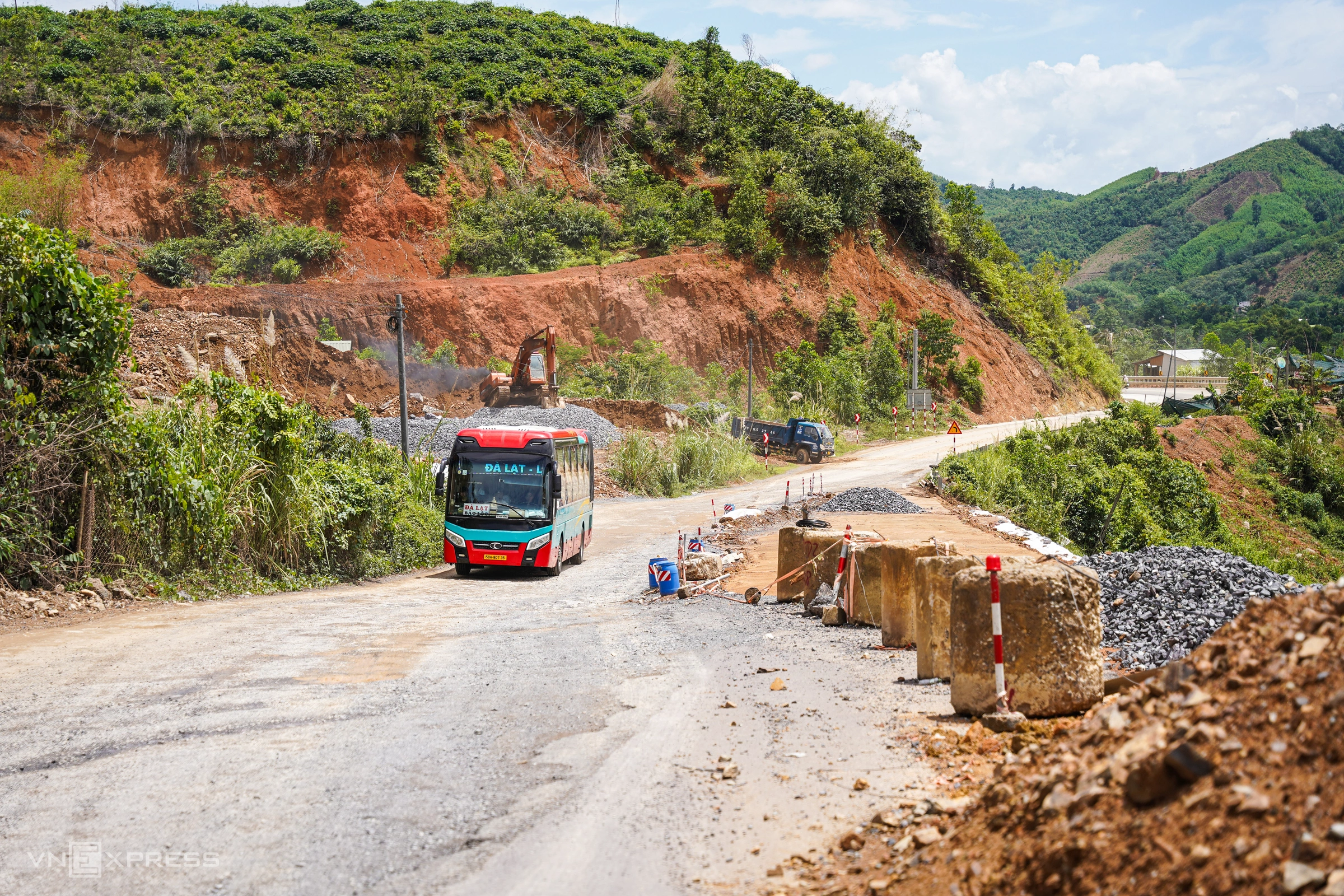
By early September 2026, officials confirmed that approximately 40% to 50% of the total contract volume had been completed. Despite the technical complexity, the pace of work has been described as rapid, with hundreds of workers and heavy machinery mobilized across multiple sections of the pass.
Stakeholder Perspectives and Public Sentiment
The urgency of the situation is felt keenly by the transport community. Nguyen Van Hung, a veteran truck driver who operates the Nha Trang-Da Lat route regularly, noted that while the current road conditions are significantly better than those seen in the immediate aftermath of the 2025 tragedy, anxiety remains high.
"Drivers are relieved to see the improvements, but we are all holding our breath for the rainy season," Hung said. "The government has made progress, but when the heavy, sustained rains begin, we still worry about the stability of the slopes. We just hope that these reinforced points will hold up."
Local authorities have been proactive in managing traffic during the construction phase. The Department of Transport has issued advisories urging motorists to limit travel between 6:00 PM and 5:00 AM, a period when visibility is reduced and the risk of unobserved landslides is at its highest. Travelers are strongly encouraged to adhere to traffic signs and the directions of on-site traffic controllers, who are managing the flow of vehicles through the narrow, active construction zones.

Broader Economic and Safety Implications
The implications of the work on the Khanh Le Pass extend far beyond the immediate goal of road safety. The economic health of both Nha Trang and Da Lat is intrinsically linked to the reliability of this route. Any prolonged closure due to landslides or construction delays directly impacts the tourism and agricultural sectors.
A professional analysis of the project suggests that the current investment—totaling nearly 125 billion VND including related costs—is a critical insurance policy against the systemic risk of isolation for highland communities. By addressing the root causes of slope failure rather than performing temporary, reactive patches, the Department of Construction is aiming for a long-term solution that can accommodate the increasing volume of heavy vehicle traffic.
However, experts caution that physical engineering is only one half of the solution. Long-term safety on the pass will require continuous environmental monitoring and early-warning systems, as climate change continues to increase the frequency and intensity of extreme rainfall events in the region. The integration of digital monitoring technology, which provides real-time data on soil moisture and slope movement, is being considered as a necessary future step to complement the current physical reinforcements.
Looking Ahead
As the project enters its final weeks, the focus remains on the critical "bottleneck" sections where the risk of debris flow is most severe. The success of this effort will be tested within the next 30 to 60 days as the rainy season approaches its peak.
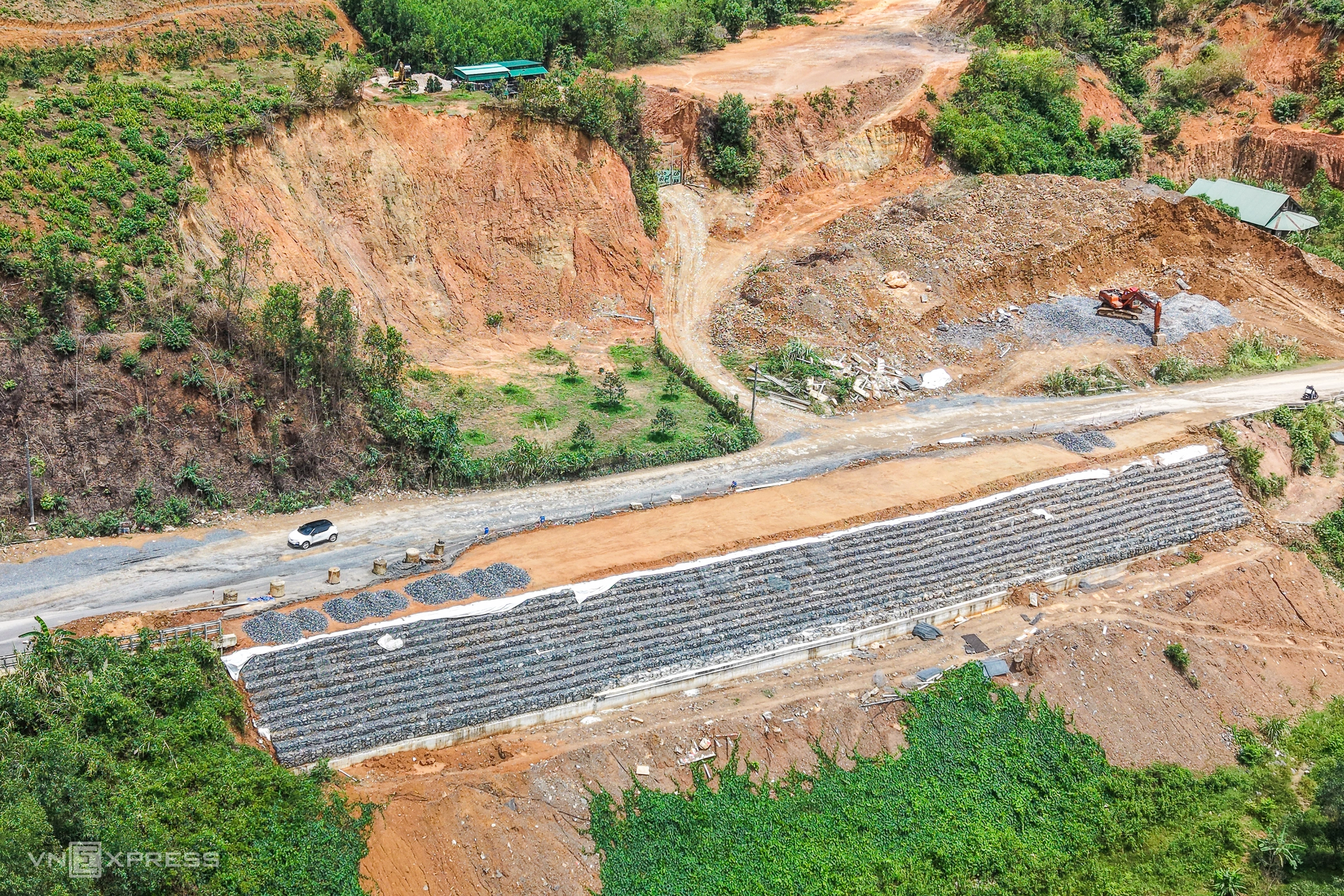
For now, the sight of hundreds of workers, the hum of heavy machinery, and the steady progress of the concrete retaining walls stand as a testament to the effort to keep the lifeline between the mountains and the sea open. The project remains a high-priority endeavor for the Khanh Hoa provincial government, reflecting a commitment to transforming one of the most hazardous stretches of road in the region into a safer, more reliable transit corridor for the thousands of daily commuters and visitors who traverse it.
The upcoming weeks will be decisive. With 50% of the work still remaining, the mobilization of resources is expected to continue at maximum capacity to ensure that the primary mountain artery remains open, thereby safeguarding lives and maintaining the economic flow between the coast and the highlands.