Nine-Year-Old Boy in Hanoi Suffers Severe Hearing Loss After Marble Lodges Deep in Ear Due to Dangerous Self-Removal Attempt

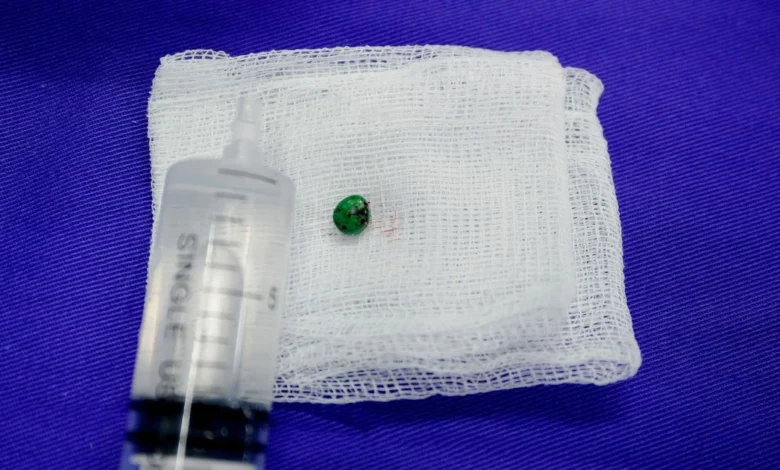
A nine-year-old boy in Hanoi is currently recovering from specialized medical intervention after a routine childhood game turned into a severe medical emergency. The young patient was admitted to the National Hospital of Otolaryngology following a dangerous incident where a small toy marble became deeply lodged inside his ear canal. The case, which highlights the severe risks associated with improper foreign body removal at home, resulted in a ruptured tympanic membrane, damage to the delicate ossicular chain, and an immediate 60% loss of hearing in the affected ear.
Medical professionals have since issued urgent public warnings regarding the hazards of attempting to extract foreign objects without proper medical supervision, emphasizing that well-intentioned actions by parents or patients can inadvertently push obstructions deeper, causing catastrophic structural and sensory damage.
The Incident: A Playful Moment Turns Perilous
The sequence of events began on a quiet evening when the nine-year-old boy was playing with small toys, including glass marbles. According to statements shared by the child’s family, the incident occurred unexpectedly while he was distracted. A small toy marble slipped into his external auditory canal.
Overwhelmed by sudden discomfort and panic, the child reacted purely on instinct. Instead of notifying his parents immediately, he inserted his fingers into his ear in an attempt to hook or pull the marble out. This natural yet dangerous reflex produced the exact opposite of the desired result. The tactile pressure applied by the child’s fingers pushed the spherical, smooth glass marble further down the narrow, tapering corridor of the ear canal, wedging it tightly against the delicate tissues of the middle ear.
Realizing that the object was stuck, the family quickly sought assistance at a local medical facility. Healthcare workers at the initial clinic performed an otoscopic examination and attempted to extract the foreign body using specialized instruments. However, due to the marble’s depth, smooth surface, and tight lodgement, the extraction proved unsuccessful. During the procedure, the delicate lining of the ear canal became irritated, resulting in bleeding from the ear.
Alarmed by the onset of bleeding and the persistent presence of the obstruction, the family immediately transferred the child to the National Hospital of Otolaryngology in Hanoi for emergency specialized care.
Clinical Findings and Specialized Medical Evaluation
Upon arrival at the National Hospital of Otolaryngology, a multidisciplinary team of ear, nose, and throat specialists conducted a comprehensive and advanced evaluation. Initial clinical observations made it clear that this was far more complex than a standard foreign body obstruction.
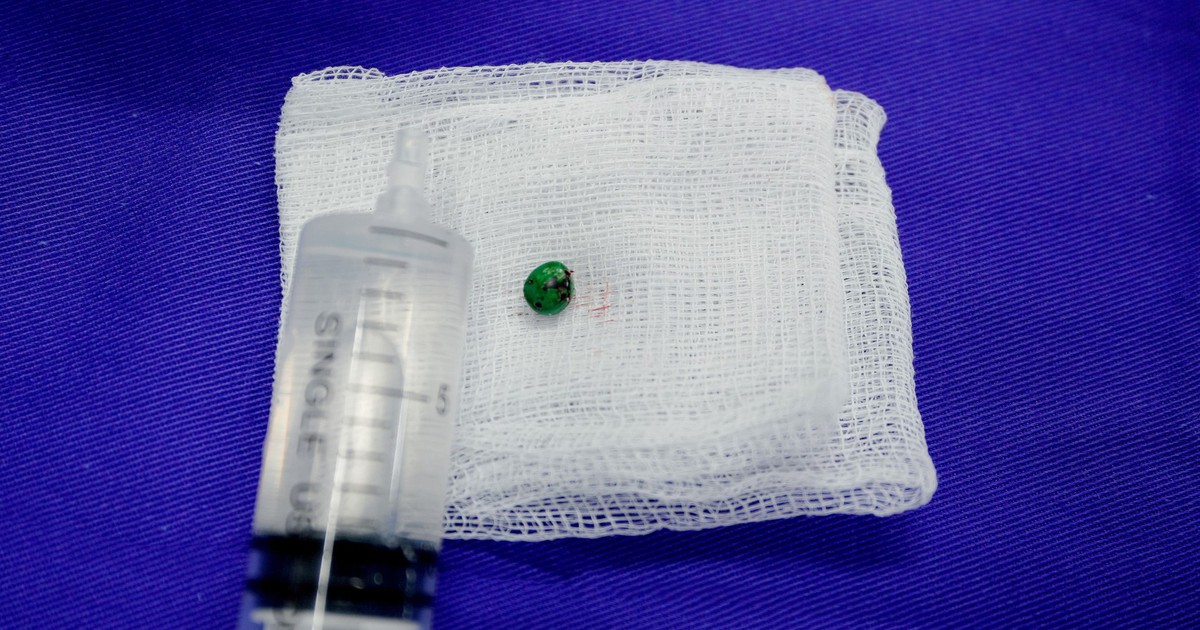
Detailed diagnostic assessments, including high-resolution computed tomography (CT) scans, revealed the full extent of the trauma. The glass marble had not only traversed the entire length of the external auditory canal but had actually punctured the tympanic membrane—commonly known as the eardrum—and wedged itself deep within the tympanic cavity (the middle ear). Furthermore, the pressure and trajectory of the foreign object had fractured and displaced the malleus, incus, and stapes: the tiny, interconnected bones collectively known as the ossicular chain.
These minuscule structures are vital components of the human auditory system, responsible for mechanically amplifying and transmitting sound waves from the outer ear to the inner ear fluids. The disruption of this delicate chain, combined with the severe tearing of the eardrum, crippled the child’s natural sound-conduction mechanism.
Assoc. Prof. Dr. Le Hong Anh, Head of the Otology and Neurotology Department at the National Hospital of Otolaryngology, reviewed the audiological test results administered upon the patient’s admission. The tests recorded an immediate sensorineural and conductive hearing loss exceeding 60% in the affected ear compared to normal baseline levels.
"The middle ear is an exceedingly compact anatomical space housing intricate structures critical for hearing," Dr. Hong Anh explained. "When a foreign object breaches the eardrum and penetrates the middle ear, any uncoordinated or unguided intervention runs a catastrophic risk of inflicting irreversible trauma on the internal auditory architecture."
Surgical Intervention and the Path to Recovery
Given the extent of the structural damage and the significant functional deficit, hospital specialists scheduled an urgent micro-surgical intervention. The primary objectives of the surgery were twofold: first, to safely extract the embedded glass marble without causing further laceration to the surrounding mucosal and neural tissues; and second, to reconstruct the compromised middle ear architecture.
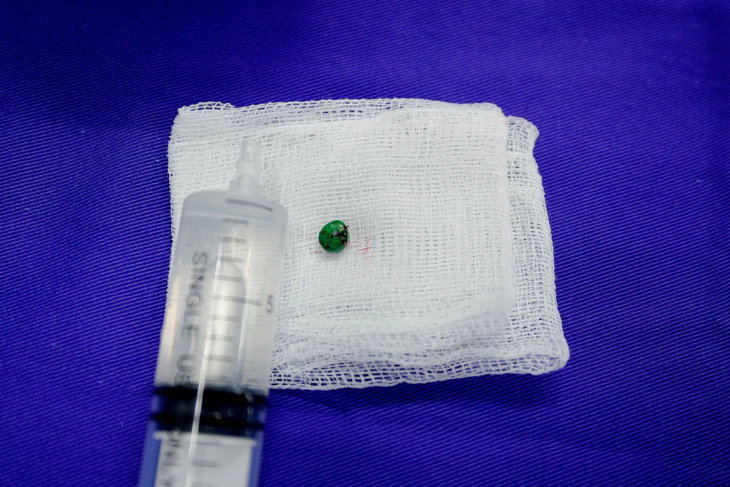
During the delicate procedure, surgeons successfully removed the foreign body from the tympanic cavity. Following the extraction, the medical team performed a tympanoplasty to repair and reconstruct the lacerated tympanic membrane using autologous tissue grafts. Additionally, to restore the continuity of the sound-conduction pathway, surgeons utilized specialized titanium prosthetic ossicles to replace the damaged natural bones of the middle ear.
The integration of titanium prostheses in pediatric otology represents a significant advancement, designed to mimic the biomechanical properties of the human ossicular chain and maximize the recovery of acoustic transmission. Following the operation, the pediatric patient was placed under close postoperative monitoring to prevent infection, manage inflammation, and evaluate the early signs of auditory rehabilitation. While full functional recovery will require months of follow-up evaluations, audiological monitoring, and specialized healing, surgical teams remain optimistic about restoring a substantial portion of the child’s hearing capabilities.
Broader Implications and Pediatric Safety Warnings
Medical experts emphasize that pediatric foreign body insertions in the ears, nose, and throat are among the most common emergencies encountered in clinical otolaryngology. Children, driven by natural curiosity and sensory exploration, frequently insert small objects—such as beads, buttons, food items, erasers, and small toy components—into their natural orifices.
However, medical literature consistently highlights that the initial injury caused by the object itself is frequently compounded by improper home-removal attempts. Parents, caregivers, and well-meaning bystanders often attempt to retrieve objects using improvised tools such as cotton swabs, hairpins, tweezers, toothpicks, or keys. In many cases, these instruments push the object deeper into the canal, transform a loose object into a tightly wedged obstruction, or lacerate the ear canal and puncture the eardrum.
Healthcare authorities reiterate several core safety principles for managing foreign bodies in children:
- Maintain Composure: When a child reports or is discovered to have a foreign object in the ear or nose, caregivers must remain calm to prevent panic, which often causes the child to make sudden, dangerous movements.
- Strict Prohibition of Home Tools: Never attempt to use cotton swabs, tweezers, needles, or any rigid instrument to dig out an object from the ear canal. The blind insertion of tools is the leading cause of eardrum perforation and middle ear trauma.
- Avoid Liquid Instillation: Unless explicitly directed by a medical professional, do not pour water, oil, or other liquids into the ear, especially if the nature of the foreign object is unknown (as certain organic objects, such as beans or seeds, expand when exposed to moisture).
- Seek Prompt Specialized Care: Transport the patient immediately to a medical facility equipped with otolaryngology specialists, who possess specialized illumination, magnification, and suction or microscopic instruments designed for safe extraction.
Preventive Measures for Parents and Guardians
Beyond emergency response protocols, pediatricians and public health advocates stress the importance of proactive environmental management within households. Parents and guardians must exercise heightened vigilance when selecting toys for young children, ensuring compliance with age-recommendation guidelines.
Toys containing small, detachable parts—particularly spherical objects like marbles, small balls, and beads—should be kept entirely out of reach of toddlers and young children who may be prone to exploratory ingestion or insertion. Furthermore, caregivers should maintain open communication channels with older children, educating them on the dangers of placing foreign items near the face, ears, and nose.
The harrowing experience of the nine-year-old boy in Hanoi serves as a stark reminder of how quickly domestic accidents can escalate into life-altering medical crises. Through increased public awareness, adherence to safe first-aid practices, and timely professional medical intervention, families can prevent permanent sensory impairments and safeguard the health and well-being of children.