Vietnam’s first comprehensive master plan for information and communications infrastructure heralds a new era for national digital development

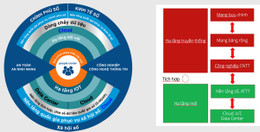
Vietnam has officially unveiled its inaugural comprehensive master plan for information and communications infrastructure, marking a pivotal shift in the nation’s strategic approach to digital transformation. This landmark policy document, covering the period up to 2030 with a vision extending to 2050, seeks to harmonize the country’s technological landscape, ensuring that infrastructure components are synchronized, regionally balanced, and capable of supporting the broader ambitions of the national digital economy. By integrating postal services, digital infrastructure, and data systems into a unified framework, the government aims to create a robust foundation for e-government, digital economy, and digital society growth.
A Strategic Pivot Toward Digital Sovereignty
The introduction of this master plan follows years of rapid, yet often fragmented, growth in Vietnam’s technology sector. Previously, infrastructure development was largely decentralized, with individual enterprises and local authorities pursuing independent goals. This led to operational silos, particularly within the logistics and postal sectors, where companies often built proprietary networks that were not optimized for national connectivity.
The new plan mandates a transition toward a "shared-infrastructure" model. This approach is designed to eliminate redundant investments, reduce operational costs, and lower the barriers to entry for new digital services. At its core, the policy treats digital infrastructure as the "foundational utility" of the modern era—comparable to electricity or transportation networks in terms of its necessity for national functionality.
Chronology of Planning and Implementation
The development of this master plan was not an overnight endeavor. It involved years of consultation between the Ministry of Information and Communications (MIC), industry stakeholders, and international technical advisors.
- 2020: The government concluded a review of the national postal and communication network, identifying critical gaps in logistics integration and service coverage.
- 2021–2022: Drafting of the national master plan began, with a focus on cross-sectoral alignment between telecommunications and transport infrastructure.
- February 23, 2024: During the formal announcement of the plan, Deputy Minister of Information and Communications Phan Tam emphasized the urgency of shifting from traditional service models to a digitally integrated, high-efficiency ecosystem.
- 2025–2030: The implementation phase, characterized by the deployment of 3 to 5 regional postal hubs and the mandatory adoption of advanced automation technologies.
Redefining the Postal Sector in the Digital Economy
One of the most significant aspects of the master plan is the re-imagining of the postal sector. Historically viewed as a traditional mail delivery mechanism, the new policy mandates its evolution into a critical pillar of e-commerce and logistics.
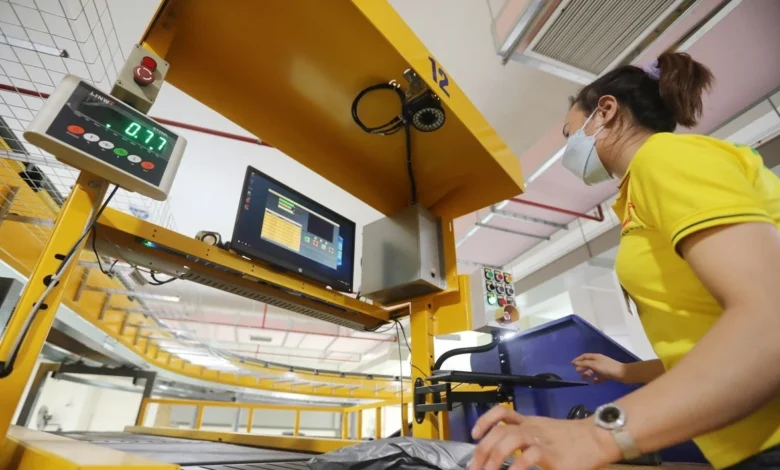
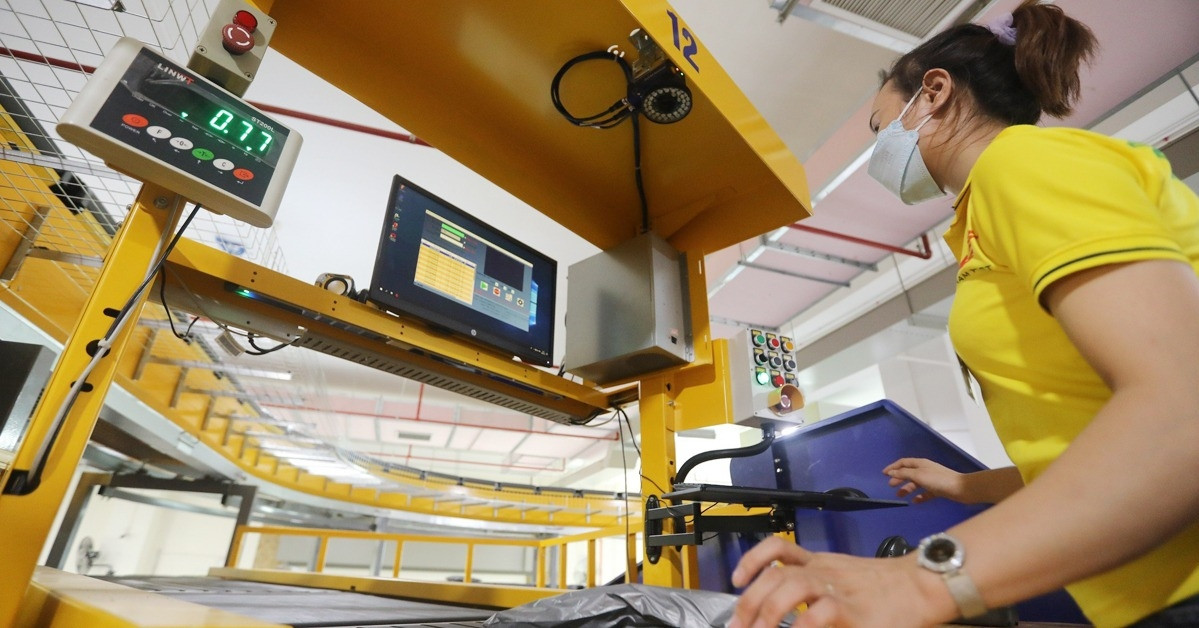
As of 2020, Vietnam operated over 21,600 service points nationwide. While this coverage is geographically extensive, the service efficiency was hindered by a lack of digital synchronization. Under the new guidelines, postal enterprises are required to integrate their systems with broader logistics and e-commerce platforms. This involves the deployment of smart sorting systems, automated transit management, and IoT-enabled tracking devices.
The goal is to move beyond simple "mail delivery" to become the backbone of the domestic and international supply chain. The plan targets a significant reduction in delivery times: by 2025, inter-provincial and international transit times are expected to reach a maximum of five days, while intra-regional delivery is targeted at two days or less.
Supporting Data and Target Metrics
To ensure the feasibility of these goals, the Ministry of Information and Communications has established concrete performance indicators:
- Capacity Expansion: By 2025, the national postal infrastructure must be capable of processing at least 93,000 tons of parcels per day.
- Regional Hub Development: The establishment of 3 major regional postal centers, each with an average daily capacity exceeding 11,000 tons, covering service radii of approximately 350 km.
- Local Hub Development: The creation of 14 regional hubs, each with a daily processing capacity of over 4,500 tons and a service radius of 115 km.
- Technological Integration: Universal adoption of automated sorting and AI-driven logistics management, ensuring that the cost of logistics as a percentage of GDP is reduced, thereby enhancing Vietnam’s overall global competitiveness.
Official Perspectives and Industry Reactions
Representatives from major state-owned and private logistics firms, such as Vietnam Post and Viettel Post, have welcomed the master plan. Industry leaders note that the government’s clear policy direction provides the necessary regulatory certainty to justify long-term capital investments in high-tech infrastructure.
According to a representative from the Institute of Information and Communications Strategy, the collaborative process between the government and private enterprises ensures that the plan remains grounded in reality. "We have conducted extensive data analysis of the current state of infrastructure and the global market trends," the representative noted. "The targets we have set for 2025 and 2030 are ambitious but achievable, provided there is a concerted effort to adopt new technologies like IoT and automated sorting."
Broader Implications for National Growth
The implications of this master plan extend far beyond the logistics sector. By fostering a cohesive digital environment, Vietnam is positioning itself as a more attractive destination for international investors who require high-speed, reliable data and physical distribution networks.

Furthermore, the plan underscores the concept of "Digital Sovereignty." By building and owning the core infrastructure of the national digital economy—the "Make in Vietnam" initiative—the country reduces its reliance on foreign platforms and ensures that its digital growth is secure, resilient, and inclusive.
The commitment to providing universal access to high-quality digital services at affordable prices is perhaps the most significant social implication of the plan. By mandating that every citizen, regardless of their location, has access to stable digital services, the government is taking a decisive step toward closing the digital divide between urban centers and rural provinces.
Looking Ahead: The Path to 2050
As Vietnam moves toward 2030 and beyond, the success of this master plan will be measured by the speed and efficiency with which it is executed. The transition from a fragmented landscape to an integrated ecosystem requires not just government oversight, but a culture of innovation within the private sector.
The focus on "future-proofing" the infrastructure—ensuring that it can adapt to emerging technologies such as 6G and advanced robotics—suggests that the government is not merely catching up with current trends but is attempting to anticipate the next decade of technological evolution.

In conclusion, the National Master Plan for Information and Communications Infrastructure is a bold statement of intent. It serves as the blueprint for Vietnam’s future, transforming the nation from a consumer of global technology into a sophisticated, interconnected digital powerhouse. Through this initiative, the government has provided the tools, the roadmap, and the mandate necessary for the country to leapfrog traditional development stages and secure a leading position in the regional digital landscape.