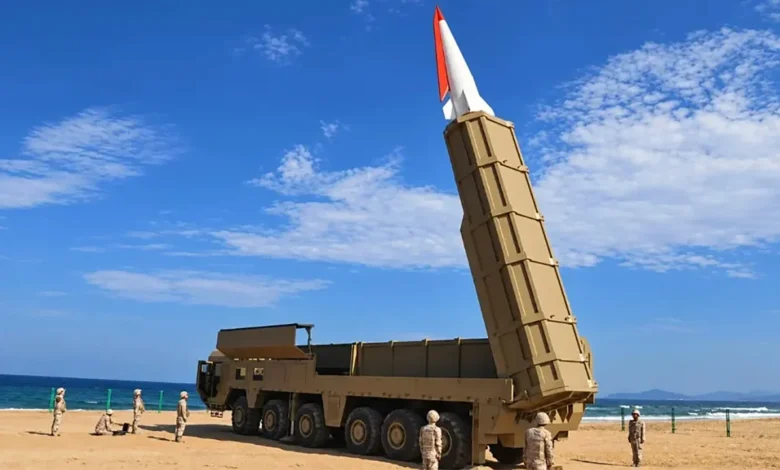
North Korea has signaled a significant escalation in its military capabilities following the successful test of its new Hwasong-11Ma-1 hypersonic missile. Conducted on September 20, the test, which was supervised directly by leader Kim Jong-un, represents a substantial technological advancement in the country’s ballistic missile program. According to state media reports, the weapon is designed to evade modern aerial defense systems, including the Patriot and THAAD batteries currently deployed in the region. This development has prompted urgent discussions among defense analysts and security experts regarding the changing landscape of regional stability.
The Technical Evolution of the Hwasong-11Ma-1
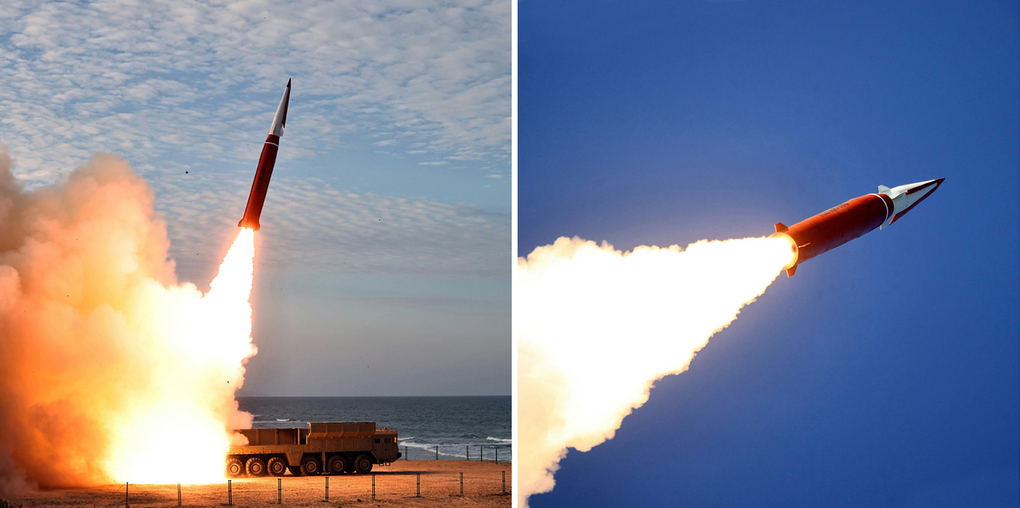
The Hwasong-11Ma-1 is widely regarded by military experts as an upgraded iteration of the tactical Hwasong-11Ma, also known as the Hwasong-11E, which first appeared during a military parade in Pyongyang in October 2025. Imagery released by the Korean Central News Agency (KCNA) reveals a missile system featuring a distinct red-painted body and a white nose cone, characteristic of Hypersonic Glide Vehicles (HGV).
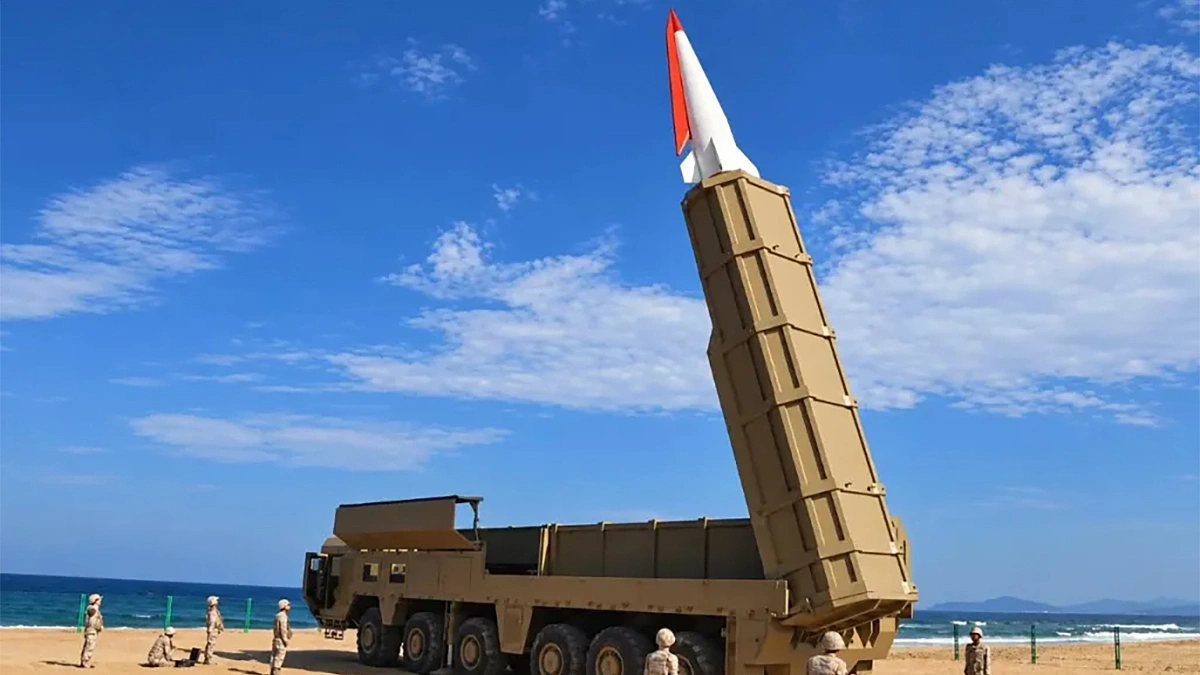
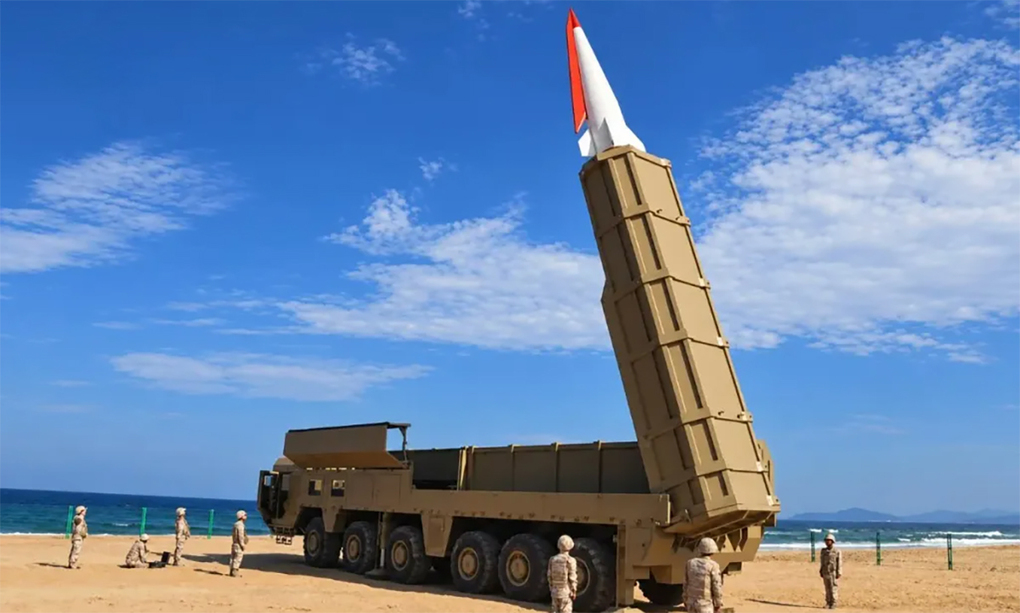
The test footage showed the missile being launched from a mobile platform, specifically a six-axle transporter-erector-launcher (TEL), an increase from the five-axle vehicle observed in previous years. The TEL is equipped with two separate launch canisters, and the missile’s nose section is protected by a deployable cover. These design choices suggest a focus on mobility and survivability, allowing North Korean forces to relocate and launch strikes with greater agility.
Flight Characteristics and Hypersonic Performance
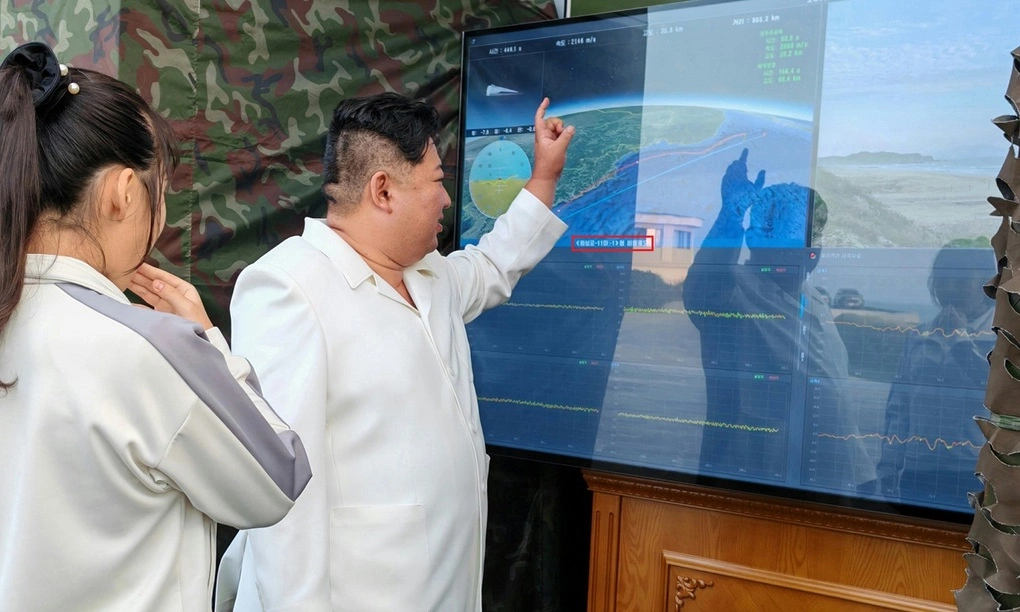
Data provided by North Korean state media indicates that the Hwasong-11Ma-1 achieved an impressive flight duration of 445 seconds. It reached an altitude of approximately 36 kilometers and maintained a speed of 7,700 km/h, which is more than six times the speed of sound. The missile followed a complex flight trajectory, initially ascending, then lowering its altitude before pulling up again—a characteristic maneuver of hypersonic weaponry designed to complicate interception efforts.
Thomas Newdick, an editor at the defense journal The War Zone, noted that this flight path is consistent with the physics of hypersonic flight. Once the missile reaches the required velocity and altitude through its booster stage, the HGV separates, maneuvering within the atmosphere to glide toward its target. This ability to perform mid-flight corrections while traveling at hypersonic speeds makes the missile exceptionally difficult for radar systems to track and for interceptors to engage.
Chronology of Recent Missile Developments
North Korea’s push toward hypersonic capability has been years in the making. The following timeline outlines the key milestones of this program:
- October 2025: The Hwasong-11Ma tactical missile makes its first public appearance during a grand military parade in Pyongyang, signaling a shift toward more advanced tactical strike assets.
- Early 2026: Continued development and testing of the Ma-series suggest iterative improvements in both guidance systems and airframe aerodynamics.
- September 20, 2026: The Hwasong-11Ma-1 is officially test-fired. The launch demonstrates improved speed and the integration of advanced HGV technology.
- September 23, 2026: Expert analysis begins to circulate, highlighting the potential for this weapon to bypass existing regional missile defense shields.
Regional Reactions and Discrepancies in Data
The test has sparked conflicting reports regarding the flight distance of the missiles. North Korea claimed the weapon covered approximately 910 kilometers. In contrast, the Joint Chiefs of Staff of South Korea reported that two missiles were launched, covering distances of 450 km and 600 km, respectively. Japan’s Ministry of Defense provided similar figures of 440 km and 590 km.
Experts suggest this discrepancy may not necessarily indicate a failure, but rather a difference in measurement methods or the specific parameters of the test. As Newdick explains, North Korea may be employing different tracking or telemetry methods, or the test may have involved multiple stages or decoy maneuvers that were not captured by external radar.
Strategic Implications for Defense Systems
The core concern for regional powers is whether existing defense systems can counter a weapon that maneuvers at hypersonic speeds. The Patriot Advanced Capability-3 (PAC-3) Missile Segment Enhancement (MSE) is designed to intercept targets at altitudes up to 36 kilometers. However, the Hwasong-11Ma-1’s ability to fly at lower altitudes and execute high-speed maneuvers significantly compresses the reaction time available for defenders.
The Terminal High Altitude Area Defense (THAAD) system, which typically engages targets at altitudes above 40 kilometers, also faces challenges. According to Defense Express, a Ukrainian defense analysis group, the HGV technology on the Hwasong-11Ma-1 effectively exploits the "blind spots" between these systems. Because the missile can reach speeds exceeding 8,600 km/h in its final dive phase, the intercept window for any traditional air defense system is reduced to a matter of seconds.
The "Headache" for Security Alliances
The strategic intent behind this development, as articulated by the North Korean leadership, is to create a "chronic headache" for the West and its allies in the region. By deploying highly mobile, maneuverable hypersonic weapons, Pyongyang aims to ensure that its tactical assets remain survivable even in the face of sophisticated surveillance and interception technology.
Yang Moo-jin, a former president of the University of North Korean Studies in Seoul, suggests that the weapon is designed specifically to strike critical military installations across the Korean Peninsula with minimal warning. Hong Sung-pyo, a specialist at the Korea Institute for Defense Analyses, warned that while a single test does not prove full operational capability, the intent behind the weapon is clear: to force adversaries to rethink their current defense architectures.
Future Outlook
The advancement of the Hwasong-11Ma/Ma-1 program indicates that North Korea is prioritizing high-velocity, low-observable strike capabilities. As these systems move closer to operational status, regional defense planners will likely be forced to accelerate the development of next-generation interceptors, potentially including directed-energy weapons or more advanced satellite-based tracking systems.
For now, the international community remains cautious. The combination of increased mobility, hypersonic speeds, and unpredictable flight paths creates a new paradigm of threat. The successful test on September 20 serves as a clear indicator that Pyongyang is not only continuing its missile program but is also actively working to negate the technical advantages currently held by the United States and its regional partners. The coming months will likely see increased monitoring of North Korea’s test sites as the global defense community attempts to gauge the true effectiveness of the Hwasong-11Ma-1 in a real-world combat scenario.