Navigating the Tech Market’s Price Storm: Consumers Prioritize Value as Retailers Innovate Financial Solutions

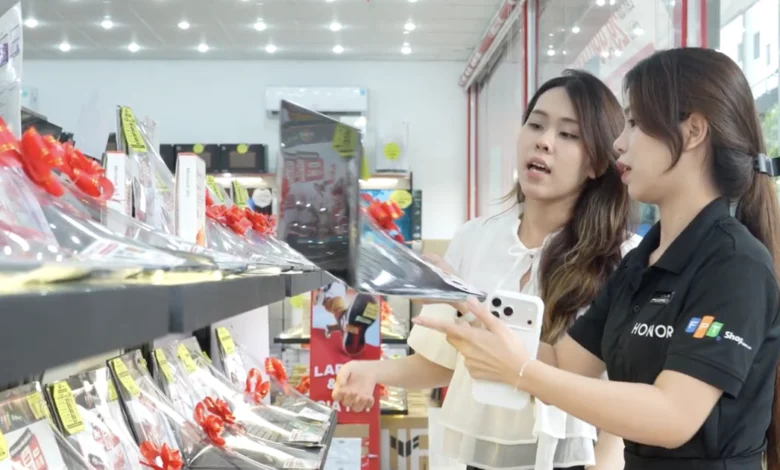
As consumers worldwide tighten their belts in a period of economic uncertainty and inflationary pressures, the technology retail sector in Vietnam is witnessing a significant shift in purchasing behavior, prompting major retail chains to deploy an extensive array of financial solutions designed to alleviate cost barriers and stimulate demand. This strategic pivot by retailers comes amidst a "price storm" that has seen the cost of many new tech devices surge, forcing both buyers and sellers to adapt to a more challenging economic landscape. The shift underscores a broader trend where value, longevity, and flexible payment options are now paramount for consumers, overshadowing the traditional pursuit of the latest models.
The Evolving Consumer Mindset Amidst Economic Headwinds
The current economic climate, characterized by persistent inflation, fluctuating exchange rates, and global supply chain disruptions, has created a cautious consumer environment. For many, discretionary spending has become a carefully considered act, moving away from impulsive purchases towards more strategic investments. This is particularly evident in the technology sector, where devices are often perceived as significant financial outlays. The "price storm" is not merely an abstract concept; it is a tangible reality reflected in the increased sticker prices of smartphones, laptops, and other gadgets, largely driven by the rising cost of imported components and the depreciation of the local currency against major international currencies like the US dollar.
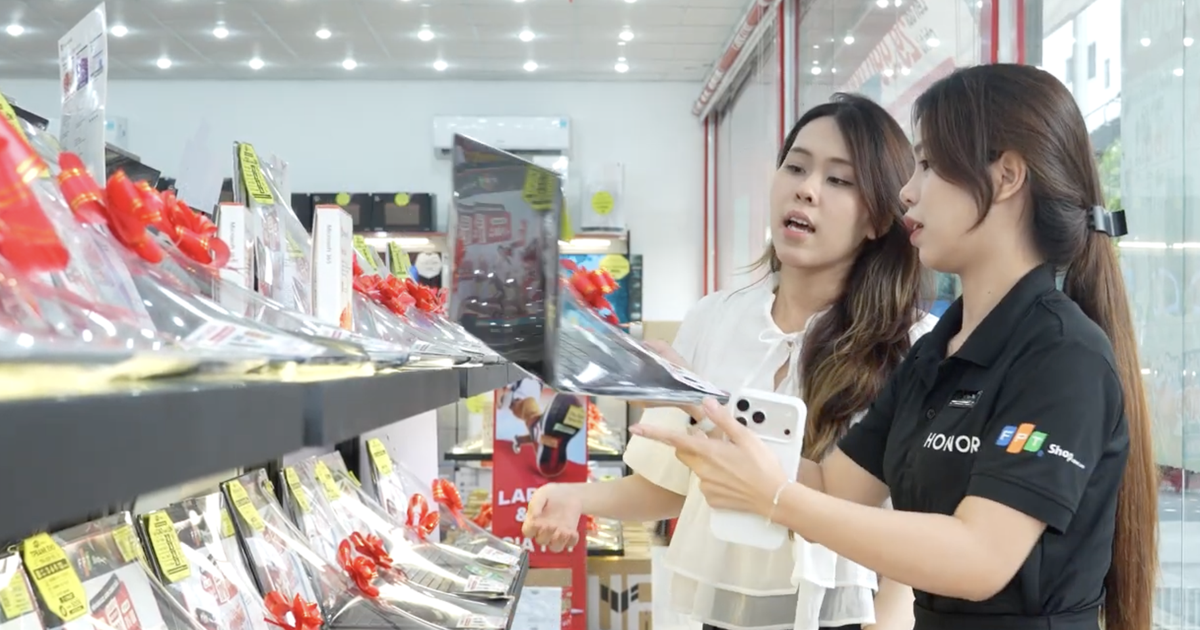
A prime example of this evolving consumer behavior is Ms. Bui Le Thuy Vy from Ho Chi Minh City, who is currently in the market for a laptop for her younger brother, who is preparing to embark on his university journey. What would once have been a relatively straightforward purchase has transformed into a meticulous process of research and deliberation. "Before, if it seemed reasonable, I would just buy it. But now, with laptop prices increasing quite a lot, I have to calculate much more carefully, even looking at various promotional programs," Ms. Vy explained. Her hesitancy is a microcosm of the broader market sentiment, where consumers are taking considerably longer to make purchasing decisions. Industry data suggests that the average decision-making period for high-value tech items has increased by as much as 25-30% compared to pre-economic downturn levels, as buyers dedicate more time to scrutinizing specifications, comparing prices across different retailers, and meticulously tracking discount cycles.
This new prudence has led to a fundamental change in purchasing priorities. Ms. Vy, like many others, has decided against rushing her purchase. Instead, she is prioritizing devices with robust configurations that promise long-term durability, aiming to avoid the expense of frequent upgrades every few years. Furthermore, the availability of 0% interest installment plans and attractive trade-in programs has become a decisive factor in her choice, influencing her significantly more than the initial listed price. This shift from "chasing the newest" to a more "calculated consumption" approach reflects a collective move towards maximizing the utility and lifespan of tech investments. A recent survey by a prominent market research firm indicated that over 65% of Vietnamese tech consumers now prioritize device longevity and repairability over cutting-edge features, a stark contrast to trends observed in previous years.
Market Segmentation and Price Dynamics
Mr. Phan Tran Thanh, Deputy Director of Mobile Phone Retail at FPT Shop, one of Vietnam’s leading tech retail chains, articulated the segmentation of the market into two distinct categories in response to these price fluctuations. On one hand, certain product categories, such as accessories (cables, chargers, protective cases), basic home appliances, and older generations of smartphones, have largely maintained stable prices. This stability can be attributed to a more mature supply chain, larger existing inventories, and less direct exposure to the immediate volatility of new component costs or exchange rates. These items often have a more elastic demand and are less susceptible to the hype cycle of new releases.
Conversely, the prices of newly launched flagship devices and high-performance laptops have experienced significant increases. These products are particularly vulnerable to external economic factors, primarily exchange rate fluctuations and the escalating costs of imported components. The intricate global supply chains involved in producing cutting-edge technology mean that any disruption or cost increase at the manufacturing or shipping stage is quickly passed on to the consumer. This bifurcation of the market underscores the challenges faced by both retailers and consumers: how to maintain accessibility for high-demand, high-cost items without alienating a budget-conscious customer base.
Retailers’ Innovative Strategies to Stimulate Demand
Recognizing that direct price cuts are often unsustainable or ineffective when fundamental costs are rising, major retail chains have adopted a more nuanced approach, focusing on "bearing the burden" by implementing comprehensive financial and value-added programs. These initiatives aim to lower the effective cost of ownership and make high-value tech products more accessible.
-
Enhanced Trade-in Programs:
Trade-in programs have emerged as one of the most critical levers for stimulating demand. These initiatives allow customers to exchange their old devices for credit towards a new purchase, significantly reducing the upfront cost. Chains like Minh Tuan Mobile have introduced policies that guarantee the valuation of old devices for a period of seven days, mitigating consumer anxiety about potential depreciation during their decision-making process. This commitment ensures that customers can take their time to consider an upgrade without fear of losing value on their trade-in.
Furthermore, retailers such as 24hStore and Di Dong Viet are offering substantial additional subsidies for trade-ins, with customers potentially receiving several million Vietnamese Dong (VND) extra depending on the product being traded in and the new device purchased. This strategy benefits both parties: consumers save money and dispose of their old devices responsibly, while retailers attract new sales and manage inventory effectively. Industry figures indicate a remarkable surge in the adoption of trade-in programs, with some retailers reporting a 35-45% increase in participation year-over-year, highlighting their effectiveness in the current market. -
Flexible 0% Interest Installment Plans:
Making high-value purchases more manageable through monthly payments is another cornerstone of retailer strategies. "0% interest installment plans" allow buyers to spread the cost of a device over an extended period without incurring additional charges, effectively lowering the monthly financial burden.
24hStore, for instance, offers diverse 0% installment options through partnerships with financial institutions like TPBank EVO and Shinhan Bank, as well as their proprietary "4 No’s Installment" package, which streamlines the process. Di Dong Viet has launched its "Installment 30" package, which boasts a "0% interest, 0 hidden fees, 0 down payment" policy, setting a new standard for accessibility. FPT Shop has taken this a step further by collaborating with financial partners to extend 0% installment periods up to 24 months, providing unparalleled flexibility. They also offer a "post-payment support" solution, enabling customers to acquire new smartphones with minimal initial outlay, even without a credit card. These plans are particularly appealing to younger demographics and those managing tight monthly budgets, allowing them to access necessary technology without a significant immediate financial strain. -
Customer-Centric Consultative Selling:
In a market where every dong counts, the sales approach has also evolved. Instead of aggressively pushing the latest and most expensive models, sales staff at major dealerships are now focusing on a highly personalized, needs-based consultation. The emphasis is on understanding the customer’s actual usage requirements and recommending devices that perfectly match those needs, rather than overselling features that may go unused.
For example, for office workers or individuals engaged in basic content creation, a MacBook Air M2/M3 or a MacBook Neo might be recommended, offering excellent performance for typical tasks at a more accessible price point. In contrast, for professional graphic designers or video editors requiring intensive processing power, a MacBook Pro M5 would be the appropriate, albeit more expensive, suggestion. This tailored advice ensures that buyers do not squander their budget on superfluous specifications, thereby optimizing their investment and fostering greater trust and satisfaction with the retailer. This shift reflects a move towards long-term customer relationships over short-term sales targets.
The Rise of Previous-Generation Devices
Another prominent trend driven by the "price storm" is the significant pivot towards previous-generation products. Rather than "tightening their belts" to afford the newly adjusted prices of a MacBook Air M3 or a Pro M5, many consumers are opting for models like the MacBook Air M2, older generation iPad Airs, or standard iPhone models. These devices, while not the absolute latest, still offer robust performance for common tasks such as office work, basic content creation, and everyday communication.
The appeal lies in their substantially lower price points, often saving buyers between 3 to 6 million VND compared to their latest counterparts. This cost differential is a crucial factor for household financial planning, allowing families to acquire necessary technology without undue strain on their budgets. This trend highlights a growing consumer sophistication where "good enough" performance coupled with significant cost savings is increasingly preferred over marginal improvements found in the newest releases. It suggests that the perceived value of incremental technological advancements is diminishing in the face of economic pressures.
Broader Implications and Future Outlook
The current dynamics in the Vietnamese tech retail market have profound implications for the industry. Retailers are being compelled to innovate beyond traditional discounting, focusing on value-added services and flexible financial ecosystems to maintain customer engagement and sales volumes. This trend is likely to persist, fostering a more service-oriented and financially integrated retail experience. The emphasis on trade-ins also contributes to a more circular economy, encouraging the recycling and reuse of electronic devices.
For tech brands, this consumer shift signals a need to diversify product offerings, potentially placing greater emphasis on mid-range models that offer an optimal balance of performance and price. It may also lead to brands offering more direct financial incentives or partnering more closely with retailers on installment plans and trade-in programs.
Looking ahead, the duration and intensity of the "price storm" will largely depend on broader macroeconomic factors. A stabilization of global supply chains, a decrease in global inflation rates, and a strengthening of the local currency could gradually ease the upward pressure on tech prices. However, the behavioral changes observed among consumers – a heightened focus on value, longevity, and financial prudence – are likely to become a more permanent feature of the market. Retailers that successfully adapt to this new reality, prioritizing comprehensive financial solutions and customer-centric advisory services, will be best positioned to thrive in this evolving landscape. The current period, while challenging, is also proving to be a catalyst for innovation and a deeper understanding of consumer needs in the tech retail sector.