When Heart Attacks Disguise Themselves: Unusual Symptoms Leading to Emergency Interventions in Tay Ninh

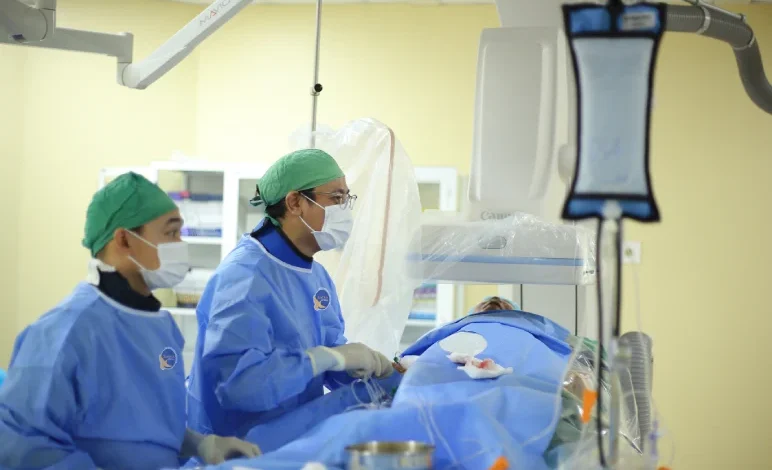
The emergency department at Xuyen A Tay Ninh General Hospital recently admitted a 42-year-old female resident from Tay Ninh province, identified as Mrs. D.T.T., who presented with distressing clinical symptoms centered around the upper abdomen. Her complaints included severe epigastric pain, heightened discomfort during fasting, frequent nausea, and a persistent, dull ache that failed to respond to typical home remedies or over-the-counter antacids. Given the localization of the pain, both the patient and initial observers naturally suspected an acute gastrointestinal disorder, such as severe gastritis, a peptic ulcer, or acute indigestion.
However, a thorough clinical evaluation by the attending physicians quickly shifted the diagnostic focus away from the gastrointestinal tract and toward the cardiovascular system. Upon performing an electrocardiogram (ECG) and assessing cardiac biomarkers, medical professionals discovered that Mrs. T. was suffering from a severe acute myocardial infarction. The diagnostic tests revealed an ST-segment elevation localized extensively across the anterior wall of the heart, accompanied by dangerous cardiac arrhythmias. Furthermore, her cardiac function had plummeted alarmingly, with her left ventricular ejection fraction dropping to just 36 percent. Realizing the immediate threat to her life, the emergency team swiftly transferred her to the catheterization laboratory, where interventional cardiologists performed a coronary angiography and successfully deployed a stent to restore normal blood flow to the obstructed vessel.
This alarming case underscores a critical and frequently misunderstood medical reality: myocardial infarctions do not always announce themselves with the classic textbooks signs of a crushing, vice-like pain radiating down the left arm. While central chest pressure remains the hallmark indicator of a heart attack, a significant subset of patients present with atypical, misleading symptoms. These unconventional manifestations can easily mimic gastrointestinal illnesses, musculoskeletal strains, or simple physical exhaustion, leading to dangerous delays in seeking life-saving medical attention.

A Pattern of Atypical Presentations
The case of Mrs. T. is far from an isolated incident at the facility. According to Dr. Ho Van Mot, Deputy Head of the Internal Cardiology and Cardiovascular Intervention Department at Xuyen A Tay Ninh General Hospital, the medical center recorded a concerning surge in cardiac emergencies within a single week. During this compressed timeframe, the department performed coronary angiographies using Digital Subtraction Angiography (DSA) on eight distinct patients presenting with acute ischemic events, many of whom required immediate percutaneous coronary intervention and stent placement to survive myocardial infarctions.
Another striking example from the same hospital highlights the treacherous variability of cardiac ischemia. Mr. V.T.T., a 51-year-old resident of Go Dau district in Tay Ninh, initially experienced a dull, persistent ache in the anterior chest wall. Rather than remaining localized, the discomfort rapidly progressed, radiating aggressively toward both shoulders, accompanied by profound fatigue and acute shortness of breath. Subsequent emergency coronary angiography revealed that his left anterior descending artery—often referred to by cardiologists as the "widow-maker" vessel due to its critical role in supplying blood to the heart—was obstructed by an astonishing 95 to 99 percent, bringing him to the very brink of complete arterial occlusion. Thanks to prompt medical intervention, he underwent successful stenting, averting a catastrophic outcome.
Deconstructing the Mask of Chest Pain
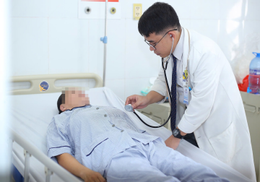
Medical literature and clinical experience consistently demonstrate that cardiovascular emergencies possess the capacity to disguise themselves behind a wide array of non-traditional symptoms. While standard medical education emphasizes central chest heaviness, tightness, or a sensation of a heavy weight pressing upon the chest, the reality of clinical practice is far more complex.
Patients experiencing atypical heart attacks frequently report symptoms that point away from the heart. These can include severe indigestion, persistent nausea, vomiting, sudden cold sweats, lightheadedness, dizziness, or an inexplicable, overwhelming sense of fatigue. Furthermore, ischemic pain can radiate to anatomical regions entirely separate from the chest, including the neck, lower jaw, upper back, shoulders, and arms.
When these symptoms manifest, patients and even primary care providers occasionally misinterpret them as acid reflux, gallbladder colic, musculoskeletal intercostal neuralgia, or simply the physical toll of a stressful workday. This misattribution is particularly common among demographic groups who historically experience atypical symptoms at higher rates, such as women, the elderly, and individuals with underlying diabetic neuropathy, whose sensory perception of pain may be blunted.
The Physiological Mechanism of Myocardial Ischemia
To understand why delayed recognition is so perilous, one must examine the fundamental pathology of a heart attack. A myocardial infarction occurs when one or more of the coronary arteries—the blood vessels responsible for nourishing the heart muscle with oxygen and nutrient-rich blood—become severely narrowed or entirely blocked. This obstruction is typically triggered by the rupture of an unstable atherosclerotic plaque, which prompts the formation of a blood clot over the lesion.
When blood flow is abruptly cut off, the affected segment of the myocardium is immediately starved of oxygen. Dr. Mot emphasizes that the duration of this ischemia is directly proportional to the extent of permanent cardiac tissue damage. As minutes tick by without reperfusion, myocardial cells begin to undergo irreversible necrosis, or cell death.
The longer a blockage remains untreated, the greater the loss of viable heart muscle. This extensive cellular damage paves the way for severe downstream complications, including chronic heart failure, malignant and life-threatening arrhythmias, ventricular rupture, and sudden cardiac death. In cases where the blockage affects major vessels like the left anterior descending artery, the window between symptom onset and irreversible damage can be terrifyingly narrow.
Risk Factors and the Trend of Rejuvenation

Cardiovascular disease, once predominantly viewed as an affliction of advanced age, is undergoing a worrying epidemiological shift. Modern cardiology data indicates a distinct trend toward rejuvenation—meaning that heart attacks and coronary artery disease are striking younger populations with increasing frequency.
This worrisome trend is largely driven by contemporary lifestyle choices and environmental stressors. High-pressure corporate environments, chronic psychological stress, sedentary daily routines, and dietary habits centered around ultra-processed, high-sodium, and high-fat foods have created a fertile ground for cardiovascular pathology. Additional major risk factors include advanced age, hypertension, diabetes mellitus, dyslipidemia, cigarette smoking, excessive alcohol consumption, and a family history of premature cardiovascular disease.
Public Health Recommendations and Preventive Screening
In light of these escalating risks, medical professionals emphasize that primary prevention and routine cardiovascular screenings are the ultimate keys to saving lives. Waiting for a dramatic, acute event to occur before evaluating heart health is a dangerous gamble. Preventive check-ups act as a vital safeguard, allowing physicians to detect arterial plaque buildup, vessel stiffening, and subclinical narrowing long before a plaque ruptures and causes acute occlusion.

Healthcare authorities strongly advise specific segments of the population to prioritize regular cardiovascular screenings:
- Individuals aged 40 and older, as well as women who have reached post-menopause.
- Patients with established chronic conditions such as hypertension, diabetes mellitus, and dyslipidemia.
- Individuals with lifestyle risk factors, including chronic cigarette smoking, heavy alcohol consumption, sedentary habits, and obesity.
- People with a documented family history of early-onset coronary artery disease or stroke.
Broader Implications for Healthcare Systems
The rising incidence of atypical heart presentations and their occurrence in younger cohorts present significant challenges for emergency medical systems worldwide. Public health campaigns must evolve beyond simply educating the populace about central chest pain. Communities need comprehensive awareness initiatives that highlight the lesser-known signs of myocardial infarction—such as unexplained nausea, sudden fatigue, jaw pain, and upper back discomfort—to ensure that patients seek immediate professional evaluation rather than dismissing critical warning signs.
Furthermore, equipping regional medical facilities with advanced diagnostic tools, such as DSA systems and round-the-clock interventional cardiology teams, remains paramount. As demonstrated by the successful interventions in Tay Ninh, bridging the gap between symptom onset and specialized emergency care is the definitive factor that separates survival from tragedy in modern cardiovascular medicine.