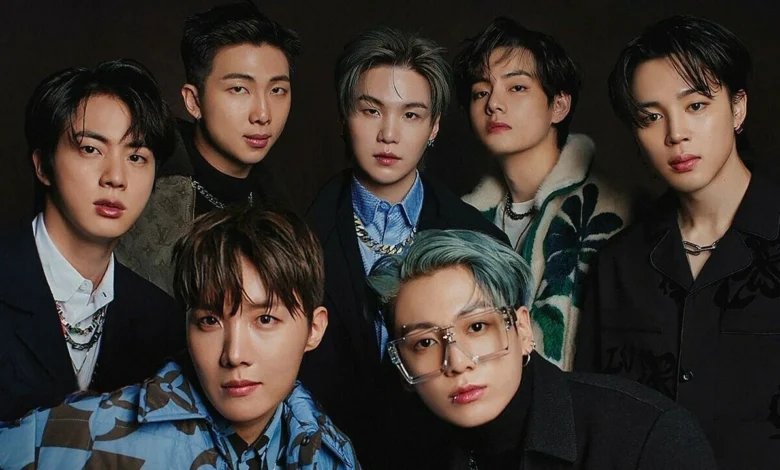
For over three decades, the South Korean music industry, globally recognized as Kpop, has undergone a radical metamorphosis. What began as a domestic entertainment experiment has evolved into a multi-billion dollar cultural export, continuously refining its training methodology and market entry strategies to dominate the global stage. By analyzing the trajectory of the industry across its five distinct generations, one can observe a deliberate, data-driven progression from localized pop music to a ubiquitous international phenomenon.
The Genesis: Building the Idol Prototype (1992–2002)
The foundation of modern Kpop was laid in 1992 with the debut of Seo Taiji and Boys. By integrating Western hip-hop, rap, and rock elements into the Korean music landscape, the group dismantled the prevailing dominance of traditional trot and ballad genres. This shift was pivotal, as it opened the door for the "idol group" model that would soon define the industry.
By 1996, SM Entertainment debuted H.O.T., the quintessential prototype for the first generation of idols. The agency implemented a rigorous, pre-planned structure: scouting talent from middle schools, followed by years of intense training in vocal performance, dance, and etiquette. This systematic approach ensured that every aspect of the group—from music production to fashion and promotional activities—was a coordinated, highly marketable package. H.O.T.’s debut album sold over one million copies during the backdrop of the Asian financial crisis, cementing the group’s status and paving the way for the first concert held at the Seoul Olympic Stadium in 1999.
Expansion and the Rise of Hallyu (2002–2012)
As the domestic market became saturated, entertainment agencies pivoted toward international expansion, specifically targeting Japan, the world’s second-largest music market. Instead of relying on Korean-language exports, agencies invested in local-language albums, foreign language training for artists, and dedicated concert tours.
During this period, groups such as TVXQ, Super Junior, Girls’ Generation, Wonder Girls, 2NE1, and BigBang emerged as the face of the second generation. They successfully established a foothold in Japan, China, and Southeast Asia, transforming Kpop into a recognized regional force. BigBang’s Japan Dome Tour (2013-2014) remains a benchmark of this era, attracting approximately 770,000 spectators and generating roughly $70.6 million in revenue, a record-breaking figure for a foreign artist in Japan at the time.

However, the strategy was not without flaws. By relying heavily on product localization, agencies became vulnerable to geopolitical shifts. In 2016, following the deployment of the THAAD missile system in South Korea, China implemented unofficial restrictions on Korean entertainment content. This effectively paralyzed the primary regional market for many Kpop agencies, forcing an industry-wide reassessment of international dependency.
The Digital Pivot: Social Media and Global Mainstream (2012–2018)
Faced with regional instability, Kpop shifted its focus toward global digital platforms, primarily YouTube and social media. This marked the era of the third generation, characterized by a direct-to-consumer approach that bypassed traditional Western media gatekeepers.
The global success of Psy’s "Gangnam Style" in 2012 proved that viral content could transcend language barriers. BTS, however, mastered this approach by building a loyal global community through constant digital interaction. Their strategy focused on fan engagement, social media accessibility, and authenticity, culminating in their 2017 Top Social Artist win at the Billboard Music Awards and their subsequent debut at the top of the Billboard 200 chart in 2018. Blackpink followed this trajectory, leveraging high-fashion partnerships and becoming the first Kpop act to headline Coachella in 2023.
Navigating the Pandemic and Technological Shifts (2019–2022)
The fourth generation, represented by groups like Stray Kids, Aespa, TXT, and NewJeans, grew up in an environment where online presence was not just an advantage but a necessity. The COVID-19 pandemic accelerated this shift. When global tours were canceled, agencies like HYBE and SM pioneered high-quality virtual concerts. BTS’s "Bang Bang Con: The Live" and "Map of the Soul ON:E" demonstrated the viability of the digital model, drawing nearly one million viewers from over 190 countries, proving that physical distance could be bridged through technological innovation.
The Fifth Generation: Globalization of the Production Model (2023–Present)
As the industry enters its fifth generation, the focus has shifted toward the "globalization of the system." Groups like RIIZE, TWS, Babymonster, and KISS OF LIFE are now being developed with international markets in mind from the very first stage of selection.
A significant development in this era is the collaborative model between Korean agencies and Western labels. The girl group KATSEYE, a product of a collaboration between HYBE and Geffen Records, represents the new frontier. With members from the United States, the Philippines, Switzerland, and South Korea, the group is based in Los Angeles and targets a truly global audience. Their EP, Beautiful Chaos, reached the top ten on the Billboard 200, signaling that the Kpop "training and production" system is now being exported as an international intellectual property.
Challenges and Future Implications
Despite its success, this new model raises fundamental questions regarding identity. When a group is based in the U.S., performs in English, and is composed of a multi-national lineup, the boundaries between "Kpop" and "international pop" become increasingly blurred. Experts suggest the core value of Kpop may no longer lie in the Korean language, but in the proprietary production and artist-management methodology developed in Seoul.
Furthermore, the industry is currently grappling with the integration of Artificial Intelligence. As agencies face the pressures of artist aging, high training costs, and the desire for perpetual growth, they are experimenting with AI-generated idols and virtual performance models. This technological shift is forcing the industry to re-evaluate its reliance on human talent while simultaneously navigating the legal complexities of intellectual property rights in an AI-driven era.
Official Stance and Governmental Support
The South Korean government has remained a consistent, if evolving, partner in this success. While the late 1990s were marked by government-led efforts to build cultural infrastructure following the financial crisis, the focus has recently shifted toward private sector leadership. The government now acts as a facilitator, providing regulatory frameworks that protect intellectual property, data security, and fair competition.
In 2025, South Korea established a Presidential Committee on Popular Culture and Arts, with JYP Entertainment founder J.Y. Park serving as co-chairman. During the "Kpop: The Next Chapter" forum in August of that year, government officials emphasized the need for a holistic approach to the industry. President Lee Jae Myung noted, "To build a great tree of development, the soil surrounding it must be fertilized. Support and nurturing for the entire artistic ecosystem, including art education, are essential. Without a solid foundation, the culture industry is merely a castle in the sand."
As Kpop continues to evolve, its next challenge will be to balance this rapid technological and global expansion with the preservation of the unique cultural identity that allowed it to transcend borders in the first place. Whether through AI, multi-national groups, or deeper integration with Hollywood studios, the industry has proven its resilience, ensuring that Kpop remains at the forefront of global popular culture for the foreseeable future.