Lin Ching-hsia embraces her 72nd birthday with grace and a focus on community and literary pursuits

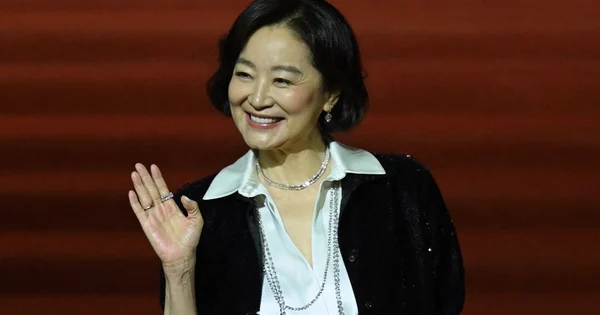
On November 3, the legendary cinema icon Lin Ching-hsia, globally recognized for her transformative performances in Hong Kong and Taiwanese cinema, marked her 72nd birthday. Unlike the grand, public spectacles often associated with A-list celebrities, the screen legend opted for a subdued, intimate celebration surrounded by her family. Eschewing the industry’s typical focus on vanity, Lin’s quiet birthday serves as a reflection of her current life philosophy: finding contentment in simplicity, intellectual growth, and humanitarian contributions.
A Quiet Celebration of Milestones
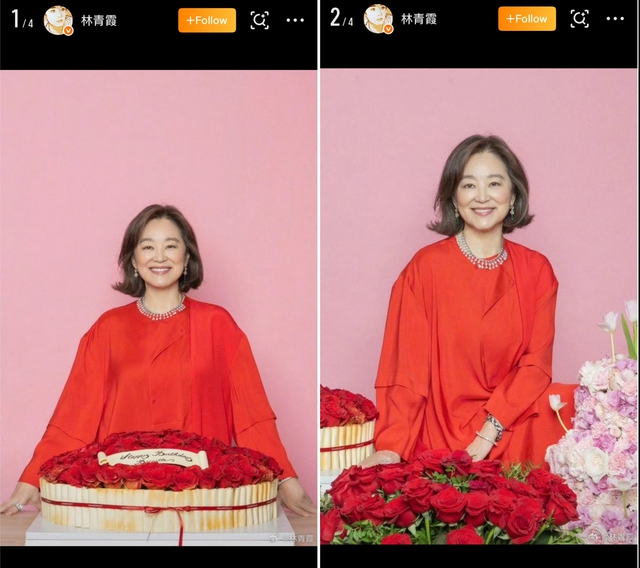
Lin shared a series of photographs on her personal Weibo account to commemorate the day, offering fans a rare glimpse into her private life. In the images, the actress—once famously known as the "Undying Oriental Beauty"—appeared in an understated silk ensemble, adorned with simple jewelry. The focus of the visuals was not on extravagance but on the warmth of her immediate family circle, a birthday cake, and fresh floral arrangements.
In her accompanying message, she expressed deep gratitude: "Happy birthday to me. I hope that all the kind wishes everyone has sent my way will return to all of you tenfold." According to reports from the Hong Kong entertainment outlet On.cc, the actress eschewed a formal banquet in favor of a quiet dinner featuring her favorite home-cooked dishes, such as braised crab and traditional hot pot. When asked about her wishes for the new year, Lin notably bypassed personal goals, instead voicing a poignant desire for global peace and a collective improvement in the quality of life for all people.
Humanitarian Efforts and Community Engagement
Lin’s 72nd year has been marked by a shift from the limelight to active volunteerism. Prior to her birthday, she was observed working at an elderly care facility in Hong Kong. Her presence was noted by staff and volunteers, who praised her dedication to providing encouragement to the residents. This pivot toward community service is consistent with the path she has carved for herself since her semi-retirement, as she increasingly uses her platform to advocate for the welfare of the aging population and the support of community health workers.
A Storied Career: The Rise of an Icon
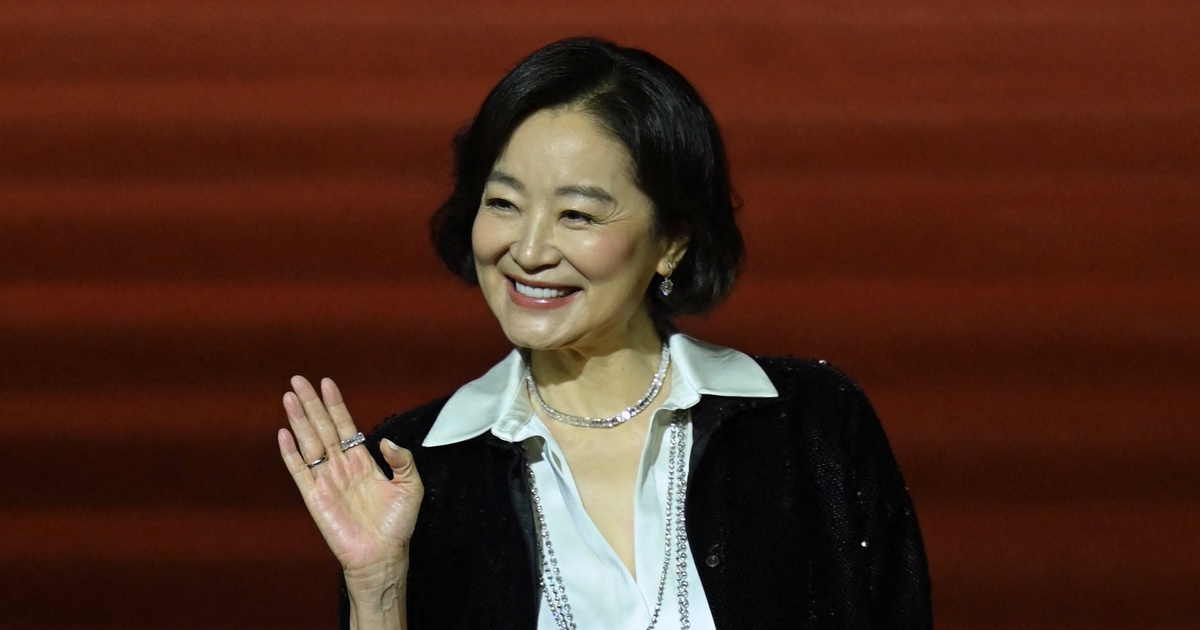
To understand the significance of Lin’s current, quiet lifestyle, one must look at the meteoric rise that defined her youth. Born in 1954 in Taiwan, Lin began her career in the early 1970s. She quickly ascended to become one of the "Four Beauties" of Chinese cinema, alongside contemporaries such as Michelle Reis, Rosamund Kwan, and Vivian Chow.
Her filmography remains a pillar of Asian cultural history. Her breakthrough came with romantic dramas in the 1970s and 80s, but she gained worldwide acclaim for her daring performance as Dongfang Bubai in the 1991 classic Swordsman II. Her ability to portray complex, often gender-bending characters shattered traditional tropes of the era. She starred in landmark films such as Cloud of Romance, Love in Twilight, Police Story, and Dragon Inn.
Chronology of a Legendary Career
- 1973: Lin makes her debut in Outside the Window, based on the novel by Chiung Yao, instantly becoming a star in Taiwan.
- 1980s: She transitions to Hong Kong cinema, collaborating with directors like Tsui Hark and Wong Kar-wai, cementing her status as an international star.
- 1991: The release of Swordsman II creates a cultural phenomenon; her portrayal of Dongfang Bubai becomes the definitive performance of her career.
- 1994: Lin marries businessman Michael Ying and announces her retirement from acting, marking a major turning point in her life.
- 2000s–Present: Lin moves into the literary sphere, publishing several collections of essays and novels, and engaging in humanitarian work.
Intellectual Evolution and Literary Pursuit
Since stepping away from the camera, Lin has reinvented herself as a writer. She is not merely a celebrity dabbling in prose; she has established herself as a serious literary voice in the Chinese-speaking world. She spends her days in her multi-million dollar Hong Kong residence, focusing on composing essays and long-form fiction. She has already published several volumes of work, which have been received with critical acclaim for their introspective and lyrical quality.
In addition to writing, Lin has dedicated herself to the fine arts. She studies calligraphy and painting, and has significantly improved her skills in professional-grade photography. These hobbies are not just pastimes; they are, in her words, a means to "return the soul to its proper place" after decades of being the subject of the camera lens.
Challenging the Industry’s Ageism
Lin has been vocal about her rejection of the pressure to maintain a youthful appearance through cosmetic surgery. While many of her peers in the entertainment industry seek out surgical enhancements to prolong their on-screen viability, Lin has embraced the natural process of aging. She is frequently photographed with her natural gray hair and visible laugh lines, wearing no makeup, and appearing entirely comfortable in her skin.
"Acting was like borrowing someone else’s body," she remarked in a recent interview, reflecting on her decades in front of the lens. "For years, the camera was always scrutinizing my physical appearance. Now that I have retired and turned to writing, I have reclaimed my own life." Her stance has become a symbol of empowerment for women in Asia, challenging the industry’s rigid beauty standards and providing a model for aging with dignity and confidence.
Broader Impact and Industry Context
The longevity of Lin’s influence is a testament to her talent and her ability to adapt to changing times. Despite having been away from acting for three decades, she remains a constant in the cultural zeitgeist. Her attendance at major industry events, such as the Golden Horse Awards in 2023, is always met with intense media interest.
However, the industry landscape she once dominated has shifted significantly. The rise of digital streaming and the globalization of Asian content have altered how actors build and sustain their brands. Lin’s pivot to literature serves as a blueprint for how legacy performers can maintain relevance by transitioning into intellectual and creative roles that are not tethered to their physical appearance.
The Financial and Social Landscape
Lin’s life is also characterized by her status as a high-profile figure within the business community. Her husband, Michael Ying, is a titan in the fashion and retail industry, with Forbes estimating his net worth to be in the billions. Yet, despite this wealth, there is a noted trend of austerity in how the family conducts its affairs. The decision to celebrate a 72nd birthday with home-cooked meals and volunteer work speaks to a conscious effort to prioritize values over material displays.
Analysis: The Legacy of a Screen Goddess
The transition of a celebrity from a "sex symbol" or "screen goddess" to a respected writer and philanthropist is rare. Most icons of the 1980s and 90s either struggled to remain in the spotlight through constant public appearances or faded into obscurity. Lin Ching-hsia represents a third path: the purposeful curation of a post-career life that emphasizes self-actualization.
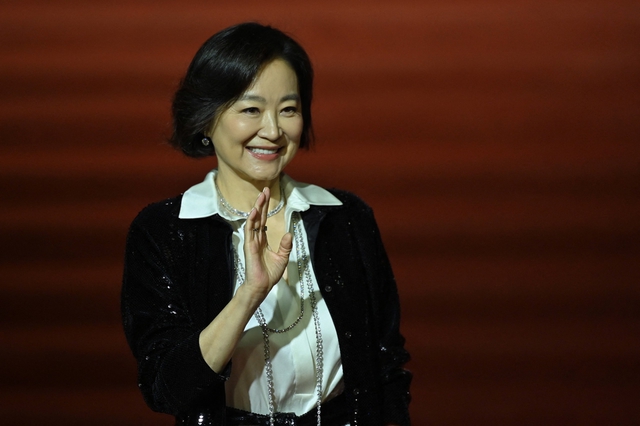
Her commitment to social causes, particularly her work with the elderly, highlights a maturation of her public persona. She has moved from being the recipient of public adoration to being a participant in the betterment of the community. As she enters her 72nd year, her legacy is no longer just the roles she played, but the grace with which she has navigated the transition from the world of fiction to the world of reality.
In summary, Lin Ching-hsia’s 72nd birthday was less a celebration of her past triumphs and more a testament to her present peace. By prioritizing her intellectual life, her family, and her community, she has successfully redefined what it means to be an icon in the modern era. Her life serves as a reminder that the most significant chapters of one’s story can often be written long after the credits have rolled.