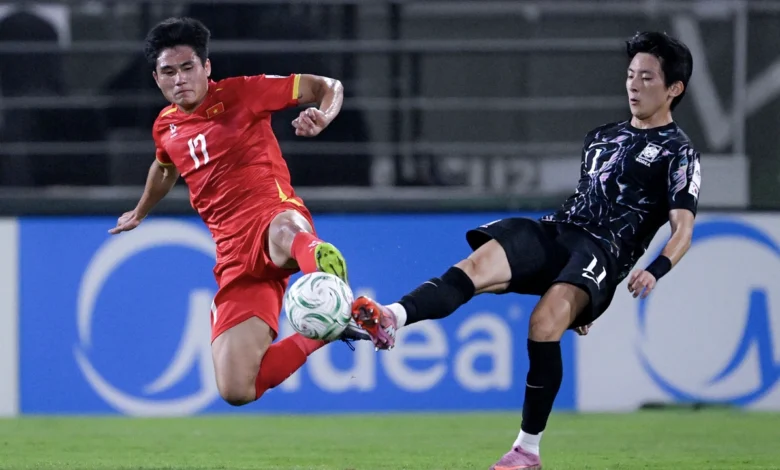
The upcoming Round of 16 clash between South Korea and Vietnam at the 2026 Asian Games (ASIAD) in Aichi-Nagoya has transcended a mere sporting encounter to become a focal point of regional interest. For South Korea, the match on Friday, September 25, represents a critical juncture—a chance to restore national pride following a painful defeat to their Southeast Asian rivals earlier this year.
The Path to the Knockout Stage
South Korea entered the 2026 ASIAD as one of the tournament favorites, a status reinforced by a dominant performance in Group D. The Taeguk Warriors showcased their tactical maturity and depth by defeating Qatar 4-1 and Saudi Arabia 2-0. This clean sweep allowed them to bypass stronger potential opponents like Japan or Uzbekistan in the immediate knockout stages, positioning them well for a deep run in the tournament.
Conversely, Vietnam emerged as the winners of Group C. Under the guidance of interim coach Dinh Hong Vinh—who has taken the reins while head coach Kim Sang-sik focuses on the national team’s commitments for the FIFA ASEAN Cup—Vietnam has shown resilience and a disciplined tactical setup. Despite the logistical challenge of having fewer group matches compared to other teams, Vietnam’s squad has demonstrated a high level of physical conditioning and defensive organization.
A History of Rivalry and Redemption
The narrative surrounding this match is heavily influenced by the U23 Asian Cup held in Saudi Arabia in January 2026. In a match that remains etched in the collective memory of Korean football fans, Vietnam and South Korea battled to a 2-2 draw after 120 minutes of play. Vietnam ultimately prevailed 7-6 in a grueling penalty shootout.
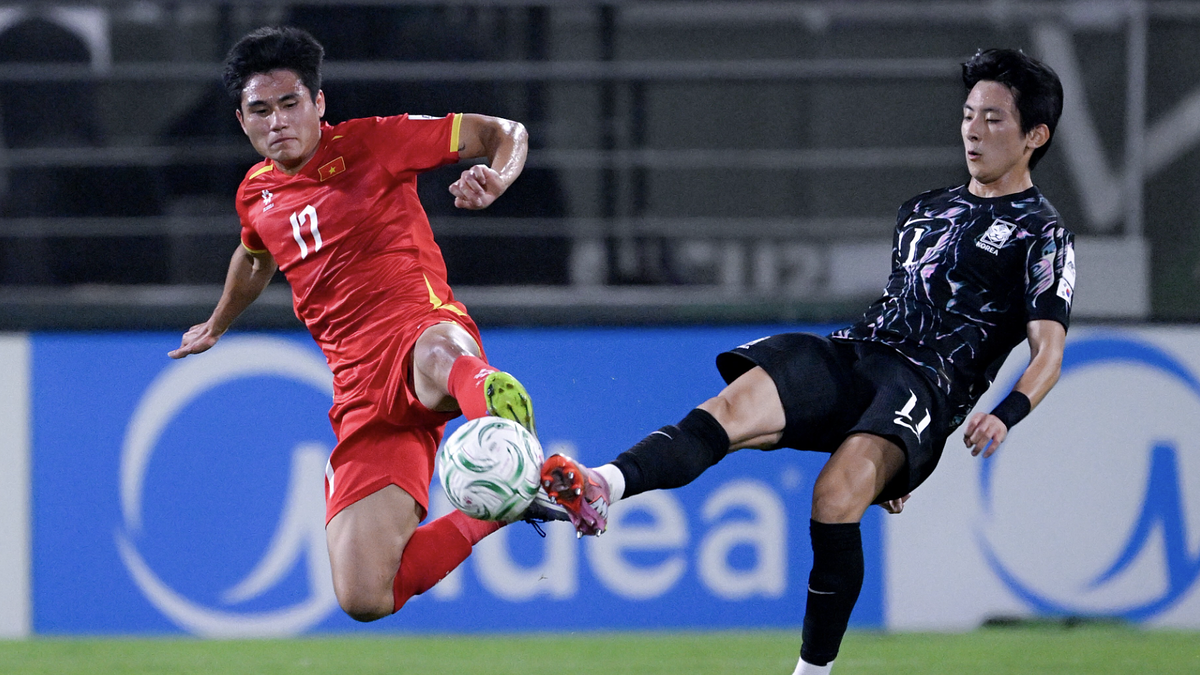
For the South Korean media, this defeat was more than just a loss; it was a "humiliating" setback that the current squad is eager to address. Reports from major news agencies like Yonhap have framed the upcoming match as a "revenge mission." The South Korean side views this as the perfect opportunity to erase the memory of that January evening before continuing their pursuit of a fourth consecutive ASIAD gold medal.
Tactical Analysis: Contrasting Philosophies
The dynamic between the two sides has shifted since their last encounter. South Korean analysts from Asia Today have noted that both teams have undergone significant transformations.
South Korea is currently bolstered by an influx of talent, including nine players plying their trade in Europe. This influx of experience, combined with the strategic utilization of three over-age players, provides a formidable physical and technical edge. Reports suggest that South Korea is leaning toward an attacking strategy focused on "wing-play and aerial dominance," a formula deemed simple yet effective. The role of Kim Myung-jun, who has been deployed as a "false nine" to create space for wingers like Eom Ji-sung and Yang Hyun-jun, is expected to be central to their offensive maneuvers.
Vietnam, meanwhile, is relying on a more compact approach. Without the immediate presence of Kim Sang-sik on the sidelines, the team has remained committed to a defensive-first structure. Analysts from Hankooki suggest that Vietnam’s strength lies not in star power, but in their "dogged spirit" and collective tactical discipline. The team’s ability to exploit gaps behind opposing wing-backs remains their most potent weapon, a threat that South Korea’s coaching staff is reportedly taking very seriously.
The Stakes Beyond the Pitch
The significance of the ASIAD tournament for South Korea extends far beyond the prestige of a gold medal. In South Korea, winning an Asian Games gold medal provides a pathway for professional athletes to be exempted from mandatory military service. This policy has historically made the tournament a high-pressure environment for the nation’s young stars.
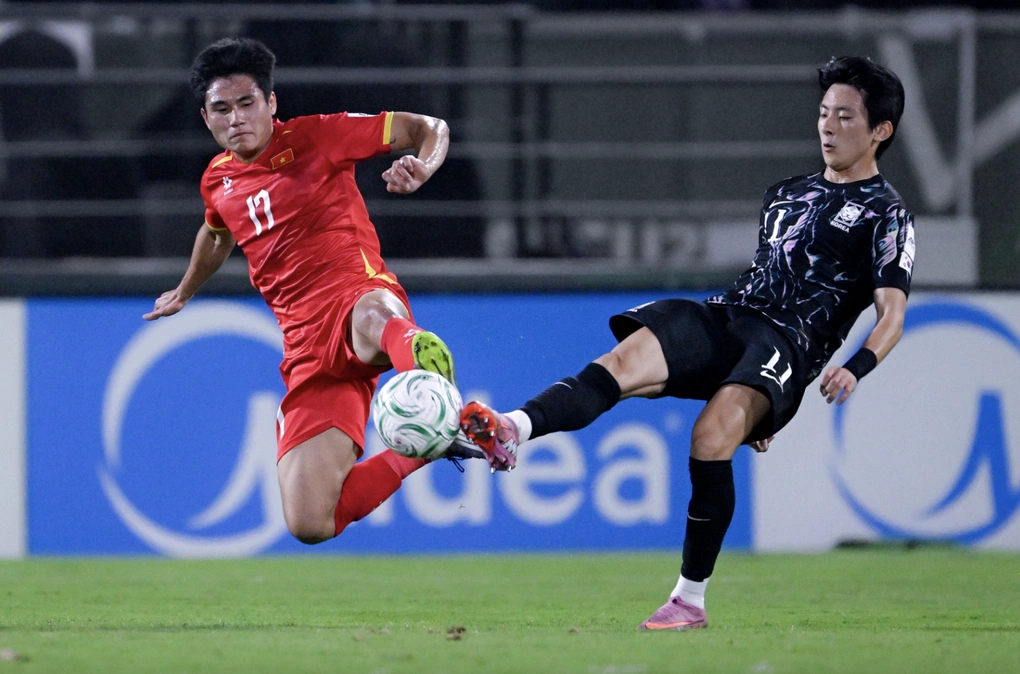
South Korea’s track record—having won three consecutive gold medals in 2014, 2018, and 2022—underscores the importance the country places on this competition. Head coach Lee Min-sung has repeatedly emphasized that, at this stage of the competition, the final result takes precedence over the style of play.
Historical Context of the Matchup
The rivalry at the ASIAD level has been sporadic but intense. Their most notable encounter prior to 2026 was the 2018 semi-final, where South Korea triumphed 3-1. Goals from Lee Seung-woo and Hwang Ui-jo secured the win, while Tran Minh Vuong scored a consolation goal for Vietnam. That match served as a barometer for Vietnam’s rising stature in Asian football, and Friday’s encounter is expected to further test that trajectory.
Expert Perspectives and Pre-match Warnings
Despite the disparity in resources and international experience, South Korean media has warned against complacency. Hankooki cautioned that the absence of Kim Sang-sik on the touchline does not equate to a weaker Vietnamese side. "The biggest strength of Vietnam is not fame, but their unwavering spirit during the 90 minutes," the outlet stated.
The consensus among South Korean analysts is that their team must control the tempo from the opening whistle. The danger of "falling into a trap" by underestimating Vietnam is a primary concern for the coaching staff. They are advising the team to prioritize defensive stability against Vietnam’s quick counter-attacks while utilizing their superior physical strength to dominate the aerial duels.
Potential Implications
The winner of this match will advance to the quarter-finals, where the road to the final will likely become increasingly difficult. For South Korea, a win is not just about advancing; it is about maintaining their hegemony in regional youth football. For Vietnam, a win would represent a monumental upset and a further validation of their modern football development program.
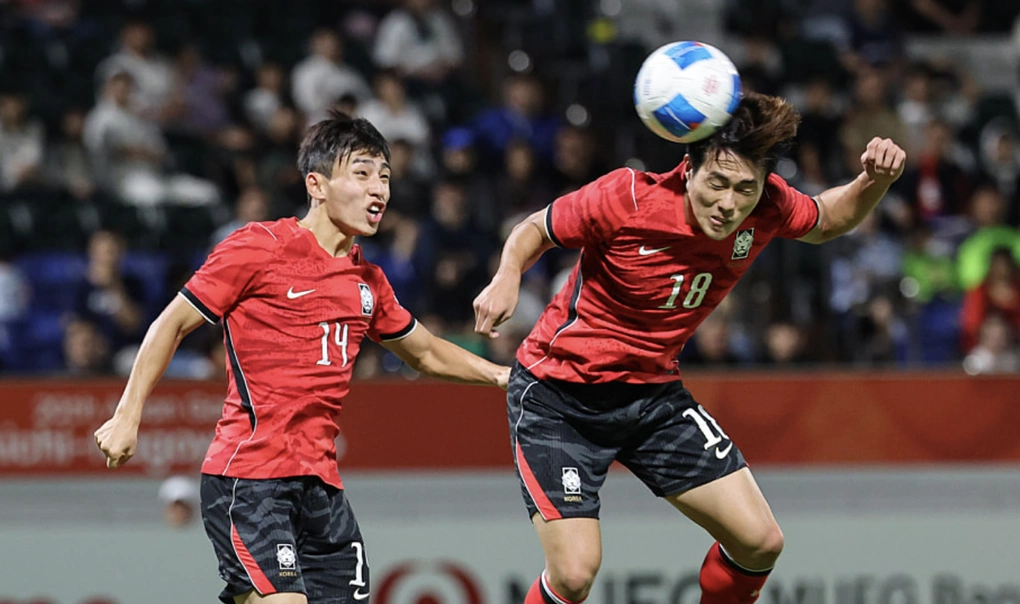
As the match approaches, the focus remains on the mental fortitude of the players. In tournaments of this nature, the pressure of the knockout stage often neutralizes tactical advantages, leaving the outcome to be decided by individual brilliance or minor errors. Whether South Korea can execute their plan for revenge or if Vietnam can pull off another historic shock remains the defining question of this year’s ASIAD football competition.
Statistical Overview
| Tournament | Stage | Result |
|---|---|---|
| ASIAD 2018 | Semi-final | South Korea 3-1 Vietnam |
| U23 Asian Cup 2026 | 3rd Place Playoff | Vietnam 2-2 South Korea (7-6 PK) |
| ASIAD 2026 | Round of 16 | To be determined |
The world of Asian football will be watching closely as these two nations face off, representing a clash between the established giants of the East and the rising, resilient forces of Southeast Asia. With both teams possessing a clear mandate—South Korea for redemption and Vietnam for sustained growth—the match promises to be a defining moment of the 2026 Asian Games.