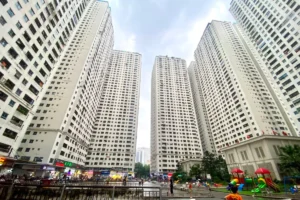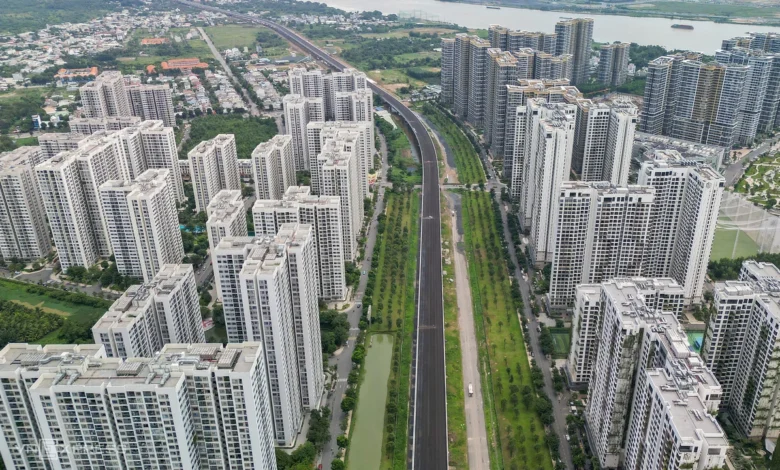
The real estate market in Ho Chi Minh City has entered a period of notable cooling, characterized by a significant contraction in demand for apartment units as of August 2026. According to the latest data from market research portal Batdongsan, the interest in purchasing condominiums in the city plummeted by 14% compared to the previous month. This downward trend is not limited to high-rise residential properties; the broader real estate sector, including landed properties and townhouses, has also faced a cooling effect, with demand falling by 16%, 10%, and 13% respectively.
A Market in Transition: The August Downturn
The decline in market activity is reflected across multiple key performance indicators. Beyond the drop in search volume, the number of listings for apartment units has decreased by 13% month-over-month. This contraction in supply and demand signals a shift in sentiment among both investors and prospective homeowners, who are becoming increasingly cautious in the face of persistent high prices and the ongoing burden of elevated financing costs.
The data further highlights that specific, high-interest residential projects are bearing the brunt of this cooling. For instance, major developments such as The Origami have seen a 14% reduction in search volume, while Sunrise Riverside experienced an 11% dip. Other prominent projects like The Beverly Solari and Victoria Village saw interest levels fall by approximately 5% each. Analysts suggest that this cooling phase marks a stagnation following a brief period of recovery, as buyers reassess their purchasing power against the current economic backdrop.
Chronology of the Real Estate Landscape (2026)
To understand the current volatility, it is essential to view these developments within the context of the 2026 fiscal year.
- Q1 2026: The market saw a tentative recovery phase, buoyed by optimistic forecasts regarding interest rate stabilization and a steady, albeit slow, release of new supply.
- Q2 2026: Market interest remained stable, with high-end projects maintaining their valuations despite a lack of significant transaction volume.
- July 2026: The onset of the "Hungry Ghost Month" (a period traditionally avoided for major financial transactions) began to weigh on market sentiment, setting the stage for a quieter August.
- August 2026: The market recorded a pronounced decline in absorption rates, which fell by 36% compared to July. The absorption rate for the primary market now sits at approximately 11%, a significant departure from the more robust activity levels seen in the first half of the year.
Supply and Absorption Dynamics
According to insights from DKRA Consulting, the primary market supply remains heavily concentrated in Ho Chi Minh City. As of August, there were nearly 10,000 apartment units available for sale across the city and its surrounding provinces. Ho Chi Minh City alone accounts for approximately 9,300 units, representing 94% of the total primary supply.
Despite this diversity in inventory, the total volume of successful transactions across the entire market stood at only 1,055 units. This massive discrepancy between the available supply and the actual absorption rate highlights a structural imbalance. Developers are continuing to bring inventory to market, yet the velocity of sales has slowed significantly, leaving a substantial volume of units sitting in the primary pipeline.
Pricing Trends and Financial Barriers
A critical distinction must be made between the primary and secondary markets. While the secondary market—where individual investors sell their properties—is witnessing price adjustments, the primary market remains stubborn in its pricing strategy.
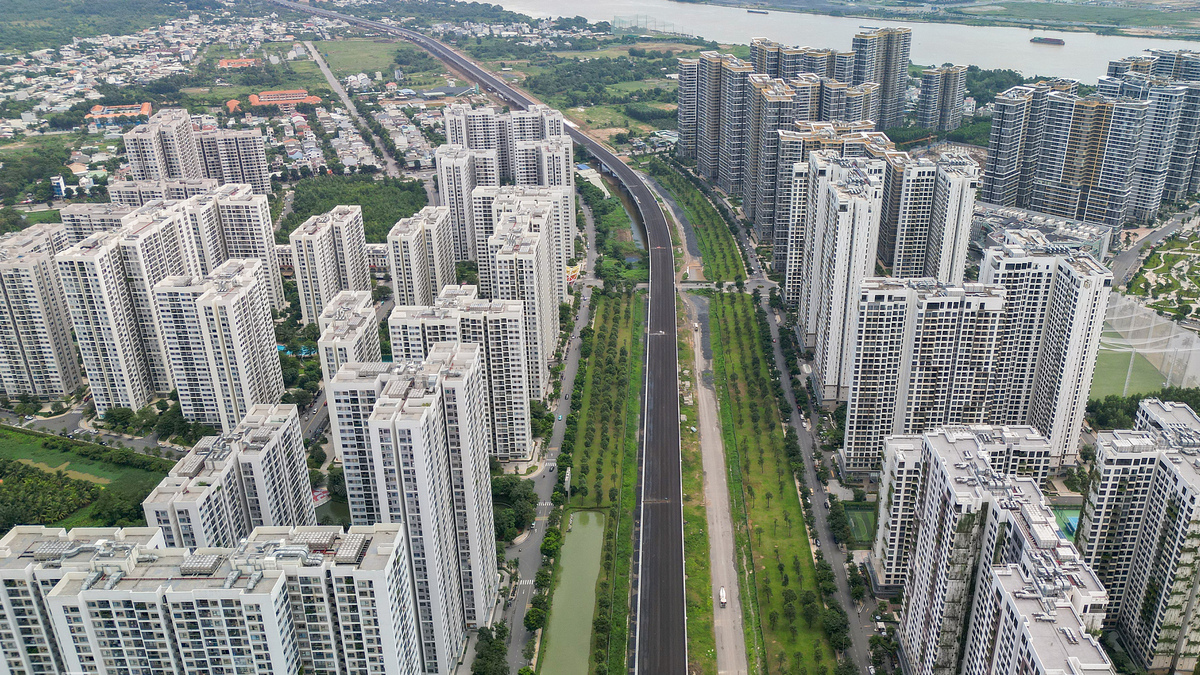
In the secondary market, sellers are increasingly motivated to adjust their prices to secure liquidity. Data from the third quarter indicates that many high-interest projects have seen listing prices drop between 1% and 6%. This shift is primarily driven by individual sellers facing financial pressure or those seeking to realize profits before further market uncertainty takes hold.
Conversely, primary market prices remain elevated, with the average price for an apartment in Ho Chi Minh City hovering above 70 million VND per square meter. In surrounding areas like Dong Nai, prices are approximately 52 million VND per square meter, while Tay Ninh reaches 48 million VND per square meter. Rather than slashing official prices, developers are opting for indirect incentives. These include increased discounts, interest rate support packages, and more flexible payment schedules to maintain the appearance of price stability while attempting to stimulate sales.
The Role of Macroeconomic Factors
The stagnation in the property market is inextricably linked to broader economic conditions. High interest rates remain the most significant hurdle for potential buyers. Many households that were previously considering leveraging bank loans to purchase homes are now stepping back, deterred by the high cost of debt.
Furthermore, the persistent high cost of land acquisition and rising construction expenses continue to keep primary prices at a premium. Developers are caught between the need to maintain margins amidst rising input costs and the reality of a market that is no longer willing or able to absorb these price hikes.
Expert Analysis and Future Implications
Industry experts from DKRA and other real estate advisory firms suggest that the market is entering a phase of deep polarization. The coming months will likely see a clear divide between high-quality, legally compliant projects and those that lack clear ownership documentation or essential amenities.
Projects that feature clear legal status, a transparent construction timeline, and strategic locations will continue to maintain a degree of liquidity. These developments appeal to "end-users" rather than speculative investors—a demographic that is currently more resilient to market volatility. Conversely, projects with high price tags but poor connectivity or limited infrastructure will likely face mounting pressure to offer deeper discounts and more aggressive incentives to attract buyers.
The current cooling of the Ho Chi Minh City apartment market is a correction rather than a collapse. It reflects a rational response by consumers to a market that had perhaps outpaced the underlying economic reality. As the market navigates the remainder of 2026, the focus will likely shift toward consolidation. Developers who can provide value, transparency, and financial flexibility will be best positioned to weather this period of low transaction volume. For buyers, the current environment presents a unique, albeit challenging, opportunity to negotiate in the secondary market, where sellers are increasingly prioritizing speed of transaction over maximum profit.
Conclusion
As the real estate sector moves forward, all eyes will be on the potential for interest rate adjustments and government policy interventions that might re-stimulate the market. Until then, the "wait-and-see" approach appears to be the dominant strategy for both sides of the transaction. The 14% decline in demand is a clear indicator that the market is recalibrating, moving away from the speculative fervor of previous years toward a more cautious and selective environment. Stakeholders should prepare for a period where professional market intelligence and financial agility will be the most valuable assets in navigating the competitive landscape of the Ho Chi Minh City property market.