Tân Thứ trưởng Đào Xuân Cơ: Niềm tin của người dân là tài sản quý giá nhất của ngành y tế

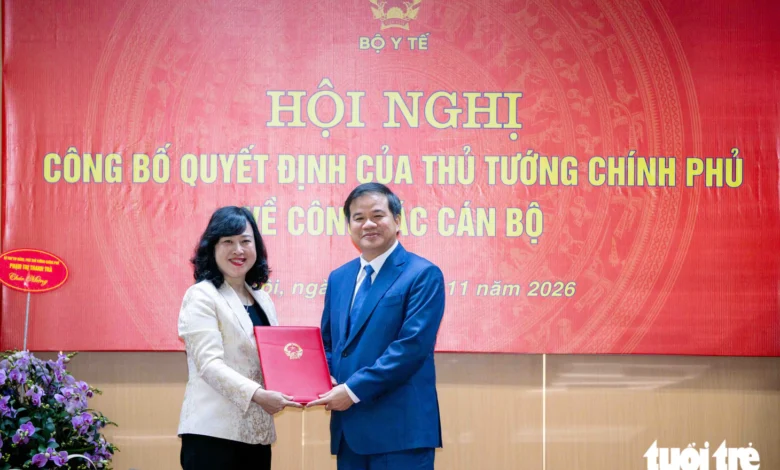
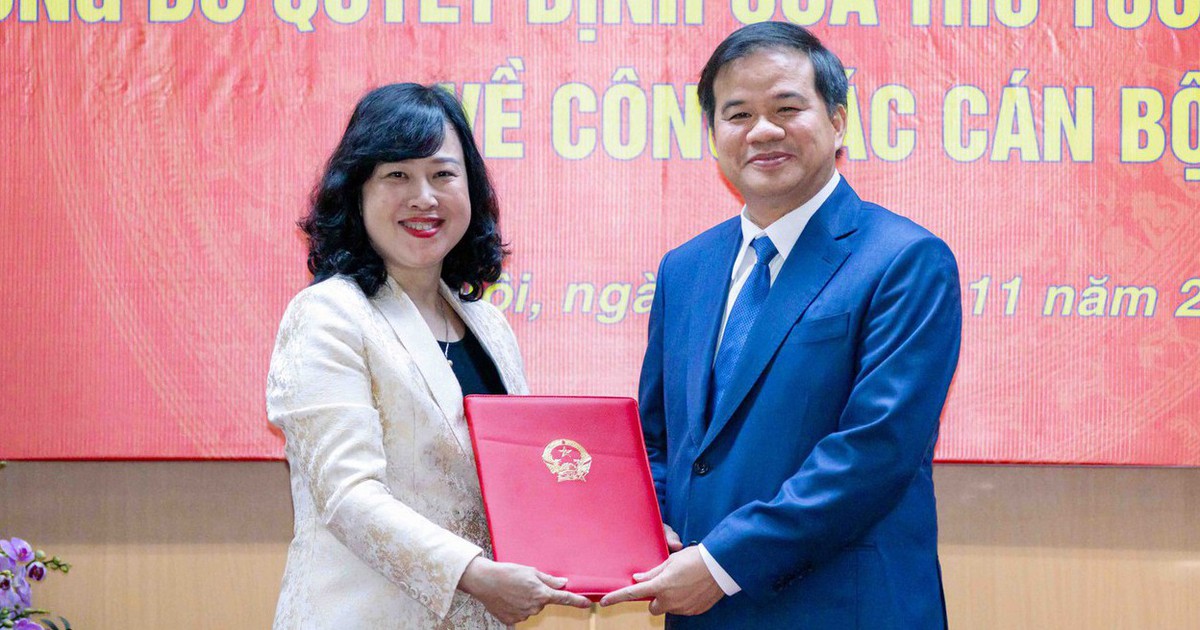
The health sector in Vietnam reached a significant milestone on the afternoon of November 4, as Associate Professor, Doctor Đào Xuân Cơ—Director of Bạch Mai Hospital—officially assumed his new responsibilities as Deputy Minister of Health. The appointment follows Decision No. 2079, signed on October 30, marking a vital transition for both the newly appointed official and the broader national healthcare infrastructure.
The ceremonial handover took place at the Ministry of Health headquarters, officiated by Minister of Health Đào Hồng Lan, a member of the Central Committee of the Communist Party of Vietnam. Surrounded by key leadership figures of the ministry, the event underscored the government’s strategic focus on strengthening healthcare leadership through seasoned medical professionals who possess extensive practical experience on the frontline of clinical medicine.
A Rigorous Career Rooted in Critical Care Medicine
Associate Professor Dr. Đào Xuân Cơ was born in 1973 and represents a generation of medical professionals shaped by intensive clinical practice and academic rigor. He graduated from Hanoi Medical University in 1996, embarking on a demanding career path dedicated to resuscitation and emergency medicine—fields characterized by high pressure, rapid decision-making, and critical patient outcomes.
Over nearly three decades of service, Dr. Cơ has held numerous critical positions, including Deputy Head and subsequently Head of the Intensive Care Unit at Bạch Mai Hospital, one of Vietnam’s premier medical institutions. His clinical expertise was further recognized when he was appointed Deputy Director of Bạch Mai Hospital, and subsequently, in March 2022, as its Director during a period of complex operational challenges. In addition to his administrative and clinical duties, he holds the academic title of Associate Professor, earned in 2018, and serves concurrently as Principal of Bạch Mai Medical College and Vice Chairman of the Vietnam Association of Resuscitation, Emergency and Clinical Toxicology.
This deep-rooted background in emergency medicine has provided Dr. Cơ with comprehensive insights into the operational realities of healthcare delivery, the vulnerabilities within hospital administration, and the severe pressures faced daily by frontline medical workers.

Leadership Expectations and Strategic Mandates
During the handover ceremony, Minister Đào Hồng Lan praised Dr. Cơ’s comprehensive training and steady progression through various levels of healthcare administration. She emphasized that his extensive practical experience, particularly in direct patient care and treatment, positions him well to contribute effectively to the ministry’s executive leadership.
Minister Lan expressed confidence that the new Deputy Minister will play a pivotal role in advising, directing, and formulating solutions to alleviate the chronic bottlenecks and challenges currently affecting Vietnam’s healthcare system. These challenges include resource allocation, regulatory hurdles in procurement, and the overarching goal of improving service delivery across both urban and remote medical facilities.
The appointment comes at a critical juncture for the Ministry of Health, which currently operates under the leadership of Minister Đào Hồng Lan alongside a team of five Deputy Ministers, including Permanent Deputy Minister Đỗ Mạnh Hà, and Deputy Ministers Lê Đức Luận, Đỗ Xuân Tuyên, and Party Committee Secretary Phạm Minh Khuê. This expanded leadership team is tasked with executing ambitious healthcare reforms aligned with national development goals.

The Invaluable Asset of Public Trust
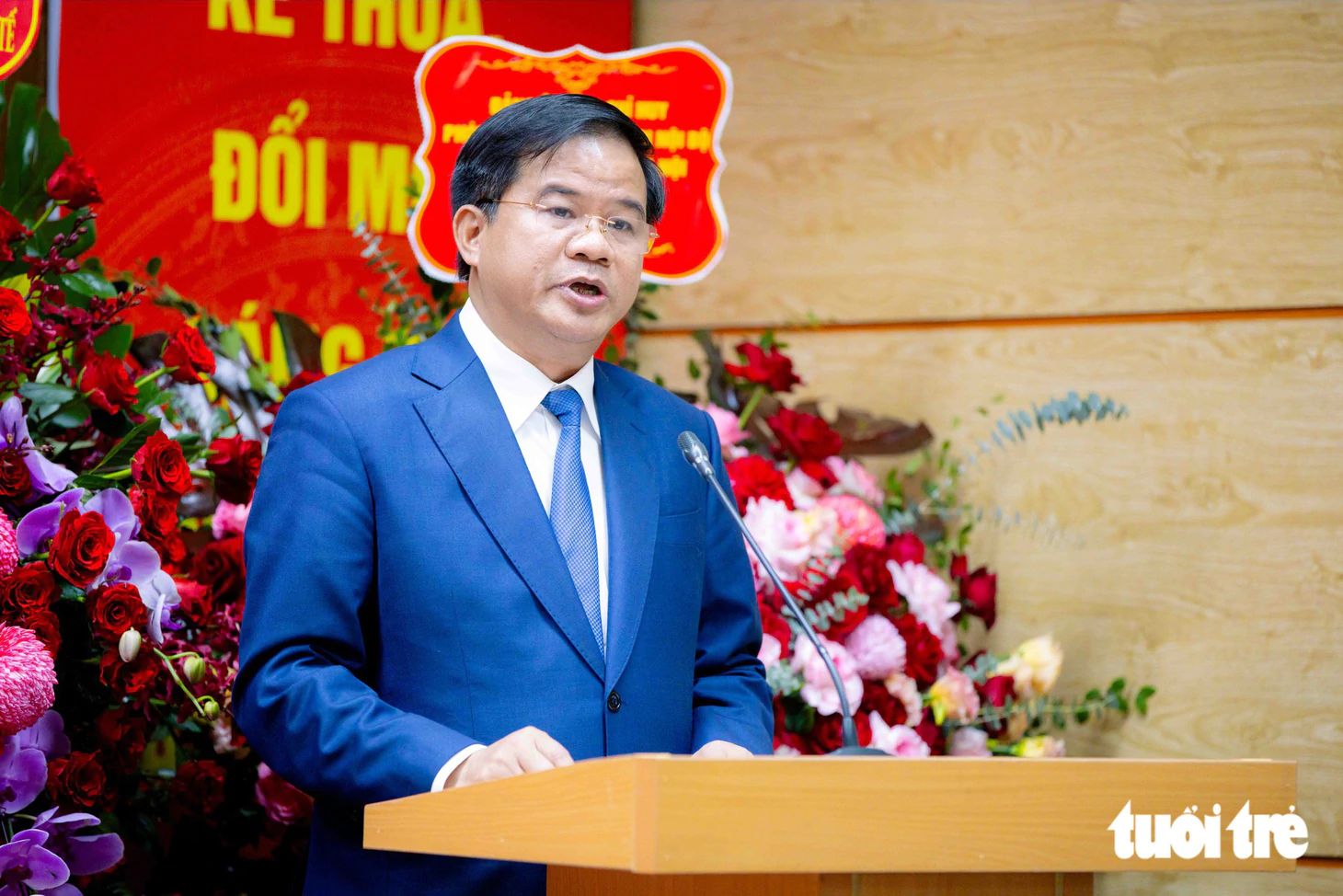
In his inaugural address, Dr. Cơ expressed deep emotion and gratitude for the trust placed in him by the Party, State, and Government. He acknowledged that the appointment is not merely a personal honor, but a profound responsibility before the state, the medical profession, and, above all, the general public.
Reflecting on his journey from a frontline treating physician to hospital director and now governmental leader, Dr. Cơ stressed that practical medical experience has given him a firsthand understanding of patient hardships and the systemic challenges within healthcare institutions. He poignantly stated that public trust is the most precious asset of the medical sector, and safeguarding and nurturing that trust remains the highest duty of every physician and healthcare administrator.
"I constantly remind myself that authority and responsibility must go hand in hand," Dr. Cơ declared. "The true value of a public official lies not in the position they hold, but in the substantive, practical work they accomplish for the people and the country."
Commitments to Quality, Equity, and Systemic Reform
Outlining his strategic priorities for his tenure as Deputy Minister, Dr. Cơ committed to working closely with the Ministry of Health leadership collective to elevate the quality of medical examination and treatment. His agenda centers on ensuring patient safety, protecting the legal rights of patients, and effectively implementing key party and state resolutions—most notably Resolution 72-NQ/TW of the Politburo regarding the enhancement of public health protection, care, and improvement.
The newly appointed Deputy Minister outlined several core pillars for future policy implementation:
- Strengthening Grassroots Healthcare: Prioritizing the consolidation of primary healthcare networks and enhancing the capabilities of local health systems to reduce the burden on central-level hospitals.
- Technology Transfer and Digital Transformation: Expanding professional training, accelerating the transfer of advanced medical techniques, and promoting digital transformation to bridge the healthcare gap between urban centers and remote, mountainous, or disadvantaged regions.
- Harmonizing Patient and Physician Protection: Addressing systemic gaps to ensure that patients do not suffer from institutional shortcomings, while simultaneously protecting dedicated medical staff from undue occupational pressures and fear of procedural risks. Dr. Cơ asserted that protecting patients and protecting healthcare workers are two complementary duties essential to maintaining a fair, transparent, and humane healthcare system.
- Upholding Professional Ethics: Committing to maintaining strict political discipline, medical ethics, and personal integrity while fostering organizational unity and a culture of accountability where officials do not shy away from difficult tasks.
Implications for the National Healthcare Landscape
The elevation of a clinician-administrator of Dr. Đào Xuân Cơ’s caliber to the position of Deputy Minister signals a broader administrative shift toward pragmatic, field-tested governance within Vietnam’s public health sector. As the ministry navigates post-pandemic recovery, healthcare financing reforms, and infrastructural modernization, leadership with direct experience in critical care management is viewed as an essential asset.

Analysts note that Dr. Cơ’s dual perspective—having managed one of the country’s largest tertiary hospitals through periods of intense scrutiny and reform—will be instrumental in streamlining bureaucratic procedures, particularly concerning medical equipment procurement and pharmaceutical supply chains. These operational bottlenecks have historically hindered hospital efficiency and strained patient care.
Concluding his address, Dr. Cơ framed his appointment not as a destination, but as the starting point of a new journey requiring higher standards of accountability and performance. He expressed his desire to continue receiving the critical oversight, feedback, and trust of the public, pledging an unwavering commitment to lifelong learning, operational transparency, and putting words into action for the betterment of Vietnam’s healthcare system.
Related posts: