
The consumption of fruit is universally heralded as a cornerstone of a healthy, balanced diet, providing essential vitamins, minerals, and antioxidants. However, medical experts are increasingly sounding the alarm regarding common misconceptions about fruit intake. Dr. Hong Yong-xiang, a renowned nephrologist based in Taipei, Taiwan, has identified five prevalent dietary habits involving fruit that, while seemingly healthy, can place an immense, often unrecognized burden on the kidneys, potentially accelerating the progression of chronic kidney disease (CKD).
As a specialist in nephrology and internal medicine who manages both clinical practice and dialysis centers, Dr. Hong’s observations are grounded in the physiological reality of metabolic stress. His recent warnings highlight how the modern overconsumption of high-fructose fruits, combined with specific preparation methods, can inadvertently transform a nutritional staple into a metabolic liability.
The Metabolic Mechanism of Kidney Stress
The core of the issue lies in the body’s processing of fructose—a simple sugar found abundantly in ripe fruits. Unlike glucose, which is used by virtually every cell in the body for energy, fructose is primarily metabolized in the liver. When consumed in excessive amounts, this metabolic process places significant strain on cellular energy reserves.
"The overconsumption of fructose forces the body to produce large quantities of uric acid as a byproduct," Dr. Hong explains. "This elevation in systemic uric acid acts as a potent inflammatory trigger. Persistent inflammation leads to the constriction of blood vessels supplying the kidneys and can cause micro-vascular damage, effectively scarring the delicate renal tubes and accelerating the decline of filtration efficiency."
The Five Dangerous Dietary Habits
Dr. Hong’s clinical research has pinpointed five specific behaviors that contribute to renal injury, often practiced by individuals who believe they are making healthy choices.
1. Binge Consumption in One Sitting
Many individuals consume large quantities of high-sugar fruits in a single sitting, often as a "healthy" meal replacement. This sudden influx of fructose creates a massive metabolic load that the kidneys must process simultaneously. The resulting spike in uric acid levels can cause acute distress to the micro-vessels within the kidney, damaging their filtration capacity over time.
2. The Trap of Juicing
Juicing is often touted as a way to "concentrate" nutrients, but it removes the beneficial fiber content of the fruit. Fiber is essential for slowing the absorption of sugar into the bloodstream. By drinking juice, an individual consumes the fructose of multiple pieces of fruit in seconds, causing a rapid, unbuffered spike in blood sugar and uric acid levels that the body is not evolved to handle.
3. Reliance on Dried Fruits
The dehydration process used to create dried fruit concentrates both natural sugars and calories. A small handful of dried fruit can contain the fructose equivalent of several whole pieces of fresh fruit. Despite many manufacturers labeling these products as "no added sugar," the inherent sugar density is dangerously high for those with pre-existing renal sensitivities.
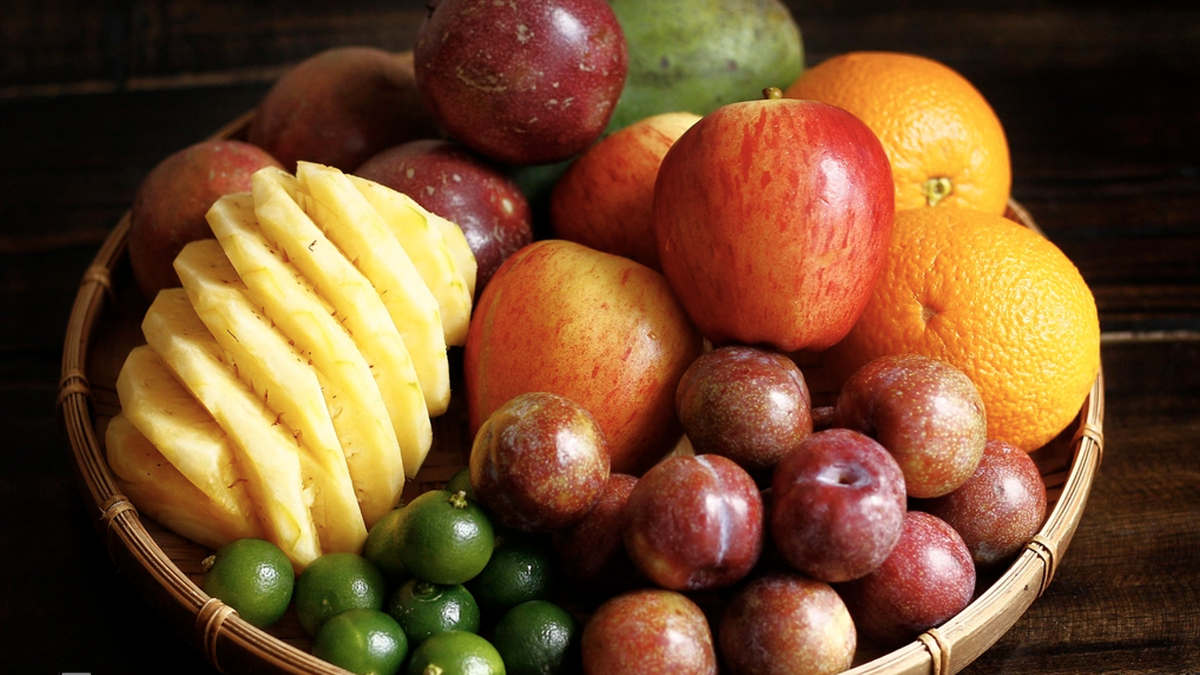
4. Preference for High-Fructose Tropical Fruits
Frequent, habitual consumption of tropical fruits—such as mangoes, lychees, pineapples, and durians—maintains a high-fructose environment in the body. While these fruits are nutrient-dense, the constant, high-volume intake creates a sustained level of systemic fructose that prevents the kidneys from resting and recovering.
5. Eating Damaged or "Partially Spoiled" Fruit
A common, thrifty habit is to cut away the moldy or soft spots of a fruit and consume the remaining part. This is a significant health risk. Fruit mold, specifically mycotoxins, can permeate the entire piece of fruit even if only a small spot is visible to the naked eye. Ingesting these toxins forces the kidneys to filter out harmful substances they were never intended to process, leading to direct renal toxicity.
Supporting Data and Health Implications
Chronic kidney disease is often referred to as a "silent killer" because symptoms are frequently absent until the kidneys have lost a significant portion of their function. Global health data indicates that approximately 10% of the worldwide population suffers from some form of kidney damage, with dietary choices being a major, modifiable risk factor.
The relationship between high-fructose intake and uric acid is well-documented in biochemical literature. Elevated serum uric acid (hyperuricemia) is a recognized independent risk factor for the development of hypertension, which in turn is the second leading cause of chronic kidney disease. When the kidneys are forced to filter excess uric acid, they become susceptible to the formation of kidney stones and chronic interstitial inflammation.
Clinical Perspective and Mitigation Strategies
Dr. Hong emphasizes that the solution is not to eliminate fruit, but to adopt a more scientific approach to consumption. He advocates for a "three-principle" rule to minimize the burden on the excretory system:
- Whole Fruit over Processed: Always eat the fruit whole to retain fiber. This natural fiber matrix is the body’s built-in mechanism for regulating sugar absorption.
- Portion Control: Limit total daily fruit intake to approximately two servings, roughly equivalent to two fists’ worth of fruit, distributed throughout the day rather than consumed in one sitting.
- Prioritize Low-Fructose Varieties: Opt for fruits with lower fructose content, such as apples, sour peaches, cherries, cranberries, or guavas. These choices provide the necessary antioxidants and vitamins without the excessive fructose load associated with tropical varieties.
Moving Toward a Preventive Future
The medical community has long focused on the dangers of added sugars in sodas and processed foods. However, Dr. Hong’s warnings serve as a critical reminder that "natural" does not always equate to "unlimited."
In clinical settings, patient education is shifting toward a more personalized nutritional approach. By understanding the metabolic impact of fructose and the importance of food safety—specifically regarding mold and spoilage—individuals can protect their renal health. If an individual notices signs of bruising, mold, or persistent soft spots on fruit, the recommendation is clear: discard the entire fruit immediately. "Cutting off the bad part is a false economy that you pay for with your health," Dr. Hong concludes.
As public health awareness continues to grow, the integration of such dietary insights into daily life will be vital in curbing the rising tide of renal metabolic disorders. For the general public, the message is one of moderation, vigilance, and a return to whole-food consumption patterns that honor the body’s biological limitations.