Tập 12 Căn nhà không mái che: Toán hoảng loạn tìm con giữa đêm sau buổi chia tay đầy cảm xúc

The landscape of contemporary Vietnamese television drama continues to captivate audiences with realistic portrayals of working-class struggles, familial bonds, and complex interpersonal relationships. Among the prominent series currently airing on national television, Căn nhà không mái che (A House Without a Roof) has emerged as a significant topic of discussion among viewers and critics alike. As the narrative progresses toward its mid-season turning points, Episode 12, scheduled to broadcast on November 4, introduces a series of dramatic escalations that test the emotional resilience of the main characters. Following a tense altercation in the preceding episode, the storyline pivots toward unexpected reconciliations, bittersweet farewells, and a harrowing midnight crisis that places the safety of a young child at the center of the narrative.
Reconciliation and Workplace Dynamics in Episode 12
The preliminary developments of Episode 12 focus on the evolving dynamics among the ensemble cast, particularly the relationship between Triết, portrayed by Cao Phú Quý, and Khang, played by Minh Xíu. Following a heated confrontation that created a rift between the colleagues in the previous episode, Triết undergoes a moment of introspection. Recognizing his missteps, he takes the initiative to purchase a gift for Khang as a gesture of goodwill and a symbolic olive branch to mend their strained relationship.
During their interaction, Triết urges Khang to move past the lingering resentment, humorously extending his hand to initiate a truce while encouraging his peer not to harbor negative feelings. Khang, maintaining his characteristic pragmatism and lighthearted demeanor, responds with characteristic warmth, noting that as long as there is good food to share, past grievances are easily forgotten. This subplot provides a brief moment of comedic relief and emotional levity before the narrative plunges into darker, more suspenseful territory.
The Bittersweet Farewell and the Turning Point
A central focal point of Episode 12 involves a farewell gathering hosted by Tươi, brought to life by actress Trang Moon. Marking her notable return to television after a four-year hiatus dedicated to family commitments and academic pursuits, Trang Moon has garnered considerable critical acclaim for her portrayal of Tươi, particularly for her authentic adoption of the regional Thanh Hóa accent, which adds a distinct layer of realism to the character.
In this pivotal sequence, Tươi meticulously prepares a farewell meal at her home, taking personal charge of the culinary arrangements to mark a significant transition. Demonstrating a newfound boldness, she invites Toán, played by Duy Hưng, to share a drink. Prompted by the collective encouragement of their fellow delivery drivers and transport workers, Toán finds himself unable to refuse a toast intended to honor the genuine hospitality of the hostess. Despite already showing signs of intoxication, Toán partakes in the drink, reflecting the camaraderie inherent in their shared profession.
The Midnight Crisis: The Disappearance of Mai
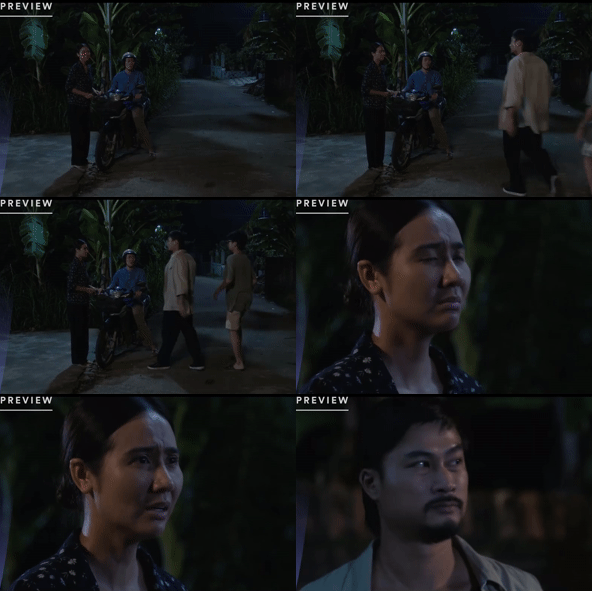
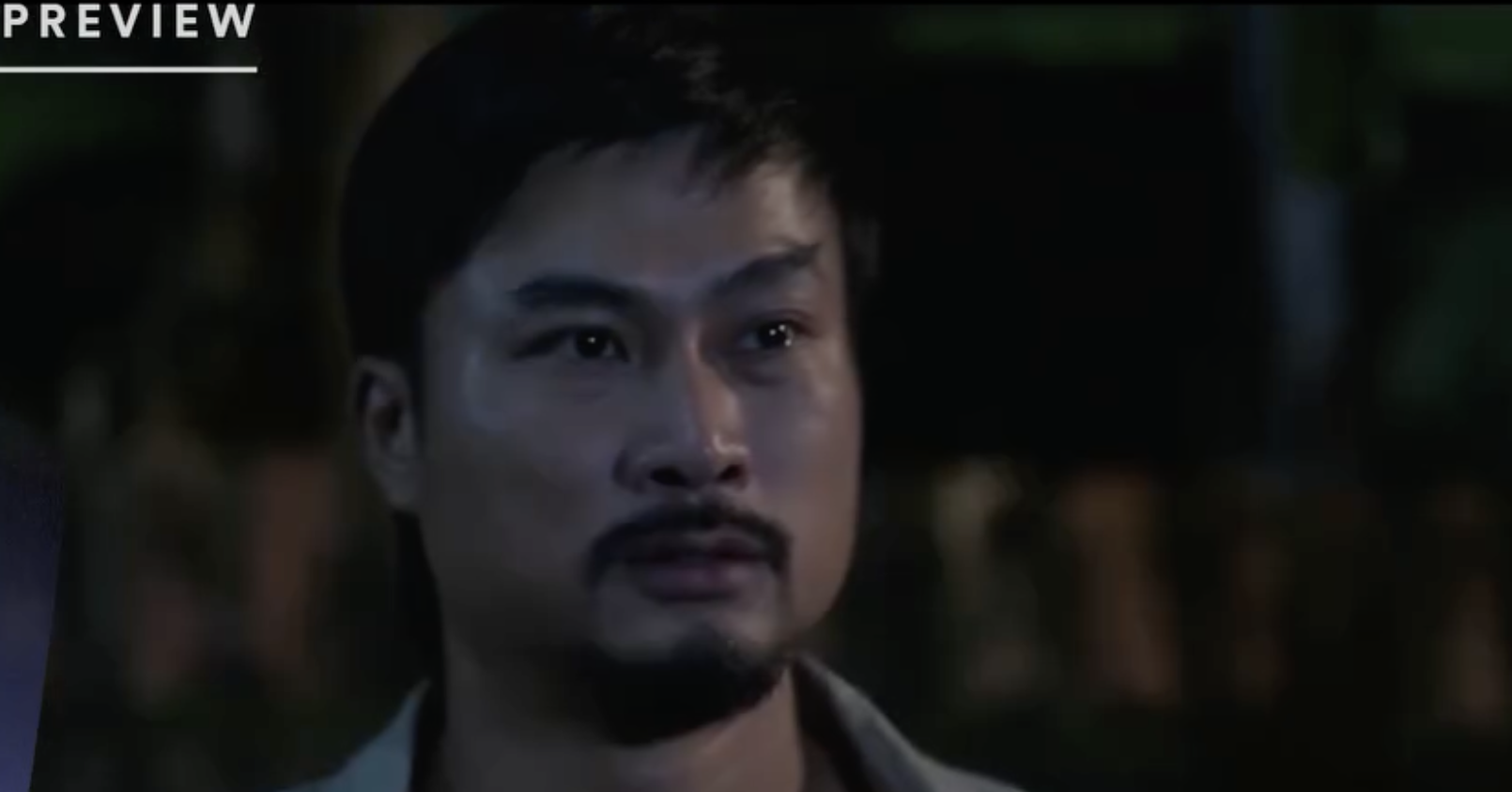
The festive atmosphere of the farewell dinner is abruptly shattered as the night progresses. Upon returning home in the dead of night, a heavily intoxicated Toán receives a distressing text message purportedly sent from Triết’s phone. The message delivers alarming news: Triết claims to have lost track of Toán’s young daughter, Mai, leaving the father in a state of immediate and profound panic.

The revelation plunges Toán into a frantic search operation. Bound by paternal instinct and sheer desperation, Toán, alongside Hạnh—portrayed by Huyền Lizzie, whose off-screen glamorous lifestyle contrasts sharply with her impoverished, rugged character on screen—and Hạo, played by Đổng Minh Cúc, mobilizes immediately. The trio scours the neighborhood and surrounding streets in the dead of night, desperately calling out for the missing child. However, despite their exhaustive efforts, initial search operations yield no trace of Mai, leaving her whereabouts shrouded in mystery as the episode approaches its climax.
Character Dynamics and Behind-the-Scenes Context
The mounting tension in Căn nhà không mái che highlights the strong collaborative efforts of its principal cast members, whose off-screen backgrounds frequently draw media attention. Huyền Lizzie, who plays Hạnh, has often spoken about the stark contrast between her real-life penchant for high fashion and luxury and the gritty, impoverished reality of her character on screen. This commitment to physical and emotional transformation has been a hallmark of the series, drawing praise for its authenticity.
Similarly, Trang Moon’s return to the screen has been hailed as a triumph of character acting. The actress balanced her professional hiatus with rigorous academic pursuits before stepping back into the spotlight. Her nuanced performance as Tươi has elevated the emotional stakes of the supporting cast, making her character’s actions—such as the fateful farewell dinner—carry significant narrative weight.
Broader Narrative Implications and Audience Speculation

As viewers await the broadcast of Episode 12 on VTV3 at 8:00 PM, numerous questions dominate online forums and fan communities. Central among these is the mystery surrounding Mai’s current location. Was the text message a malicious prank, a tragic accident resulting from negligence, or part of a more sinister plot orchestrated by an unidentified adversary? Furthermore, skepticism surrounds Tươi’s sudden farewell and her motivations, with audiences questioning whether her departure is genuine or a calculated maneuver tied to the unfolding chaos.
The escalating stakes in Căn nhà không mái che underscore the series’ overarching thematic focus on the precarious nature of working-class life. By blending domestic drama with elements of suspense, the production team continues to examine how economic vulnerability, interpersonal conflict, and external pressures intersect within modern Vietnamese households. The resolution of the midnight search for Mai is expected to serve as a major turning point for the series, testing the alliances and emotional resilience of Toán and his support network as the narrative advances toward its subsequent dramatic arcs.