The international standing of Russian President Vladimir Putin is undergoing a significant transformation in late 2026, as Moscow moves aggressively to dismantle the diplomatic and economic encirclement imposed by Western powers. Following a period of relative isolation that began in early 2022, the Kremlin has recalibrated its foreign policy, leveraging energy diplomacy, strategic alliances in the Global South, and shifting political winds in Washington to reassert its influence on the global stage.
A New Diplomatic Offensive
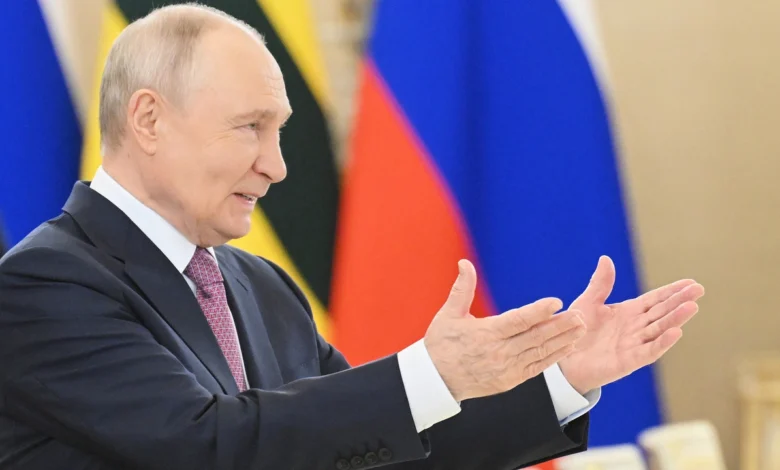
The recent flurry of high-level engagements underscores a concerted effort by the Kremlin to normalize relations with international leaders who were previously hesitant to engage. Over the past week, President Putin has conducted rare and high-profile phone conversations with leaders from Finland and Norway—nations that have traditionally been firmly aligned with Western security architectures. These calls, while criticized by some European counterparts, signal a willingness by smaller European states to explore independent channels of communication with Moscow.
Beyond Europe, Putin has strengthened ties with major energy producers, including Qatar and Iran, and hosted a series of diplomatic summits in Moscow. A notable event was the Russia-Africa Summit, where President Putin hosted leaders from the African continent to discuss trade, security, and alternative technological solutions. During these discussions, Moscow showcased its own versions of satellite communication technology as a potential alternative to the Western-dominated Starlink network, signaling a desire to decouple Russian infrastructure from Western tech giants.
The Trump Factor and Shifting Alliances
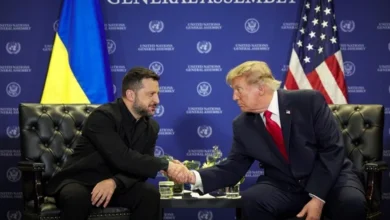
A pivotal element in this changing landscape is the return of Donald Trump to the White House in early 2025. Since his inauguration, the United States’ approach toward Russia has shifted from the aggressive containment policy pursued under the Biden administration to a more transactional and unpredictable stance. Reports suggest that the U.S. government is currently weighing the partial removal of economic sanctions against Russia, influenced by a desire to integrate Russian energy resources—specifically diesel—into global supply chains.
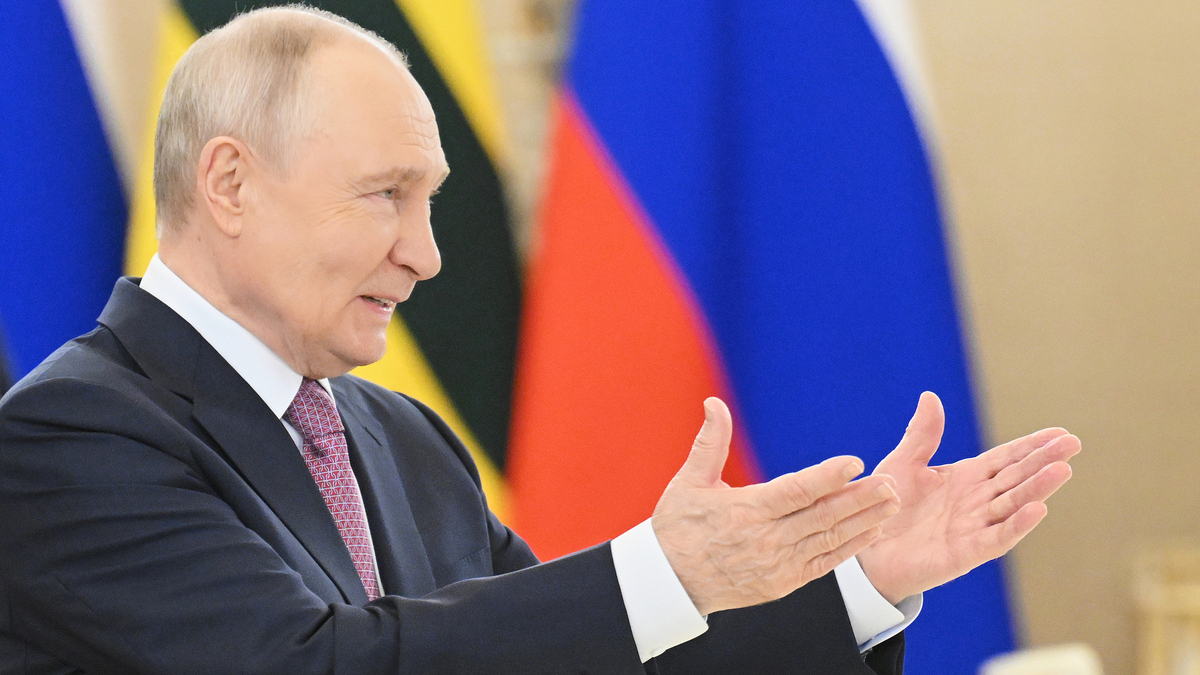
The thaw in relations has been bolstered by favorable rhetoric from the Trump administration. Associates of the U.S. President, including figures like Steve Witkoff, have publicly praised Putin’s willingness to engage in prisoner exchanges, viewing such actions as tangible steps toward de-escalation. Political analysts at the Council on Foreign Relations have noted that the Kremlin is effectively capitalizing on these shifts. "The Kremlin is finding success where it previously faced a brick wall," noted Stefan Meister, a senior fellow focusing on Russia. "They are receiving concessions they likely did not expect to be on the table this early in the game."
Chronology of Re-engagement
The thawing of relations did not happen overnight. The timeline of this shift can be traced through several key events:
- August 2025: The historic meeting between Donald Trump and Vladimir Putin in Alaska served as the first major crack in the Western wall of isolation. The summit, which resulted in a symbolic handshake and a mutual agreement to resume direct diplomatic dialogue, effectively signaled the end of Russia’s pariah status in the eyes of several key global players.
- October 2026: The Russia-Africa Summit in Moscow reinforced Russia’s strategic pivot toward the Global South, providing a platform to bypass Western sanctions and build new economic blocs.
- Late October 2026: High-level communications between Moscow and Nordic capitals—specifically Finland and Norway—highlighted a growing divide within Europe regarding how to handle the ongoing conflict in Ukraine.
- November 2026: The upcoming APEC summit in Shenzhen, China, is expected to be a landmark event where Putin, Trump, and Chinese President Xi Jinping may hold a trilateral meeting, potentially placing Russia on an equal footing with the world’s two largest superpowers.
Economic and Strategic Implications
Russia’s strategy is not merely diplomatic; it is deeply rooted in economic pragmatism. By strengthening ties with energy-rich nations like Qatar and Iran, Moscow is reinforcing the "gas cartel" concept to maintain leverage over global energy prices. Furthermore, by promoting domestic alternatives to Western technology—such as the aforementioned satellite communication systems—Russia is attempting to insulate its economy from future sanctions.
The geopolitical shift has caused significant friction within the European Union and NATO. Danish Prime Minister Mette Frederiksen has been a vocal critic of the recent outreach by Norway and Finland, characterizing such independent actions as "acting out of line" and potentially weakening the collective security of the West. Despite this, the pressure on smaller European nations is mounting as they grapple with the reality of a changing U.S. policy and the potential loss of American strategic support for their own regional security concerns.
Official Responses and The View from Kyiv
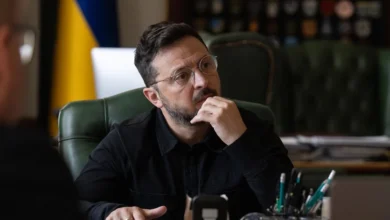
The Ukrainian leadership remains deeply concerned by the shifting tide. President Volodymyr Zelensky has publicly expressed his skepticism regarding the independent diplomatic efforts of European nations, though he has acknowledged that his government was kept informed of the calls between Putin, Helsinki, and Oslo.
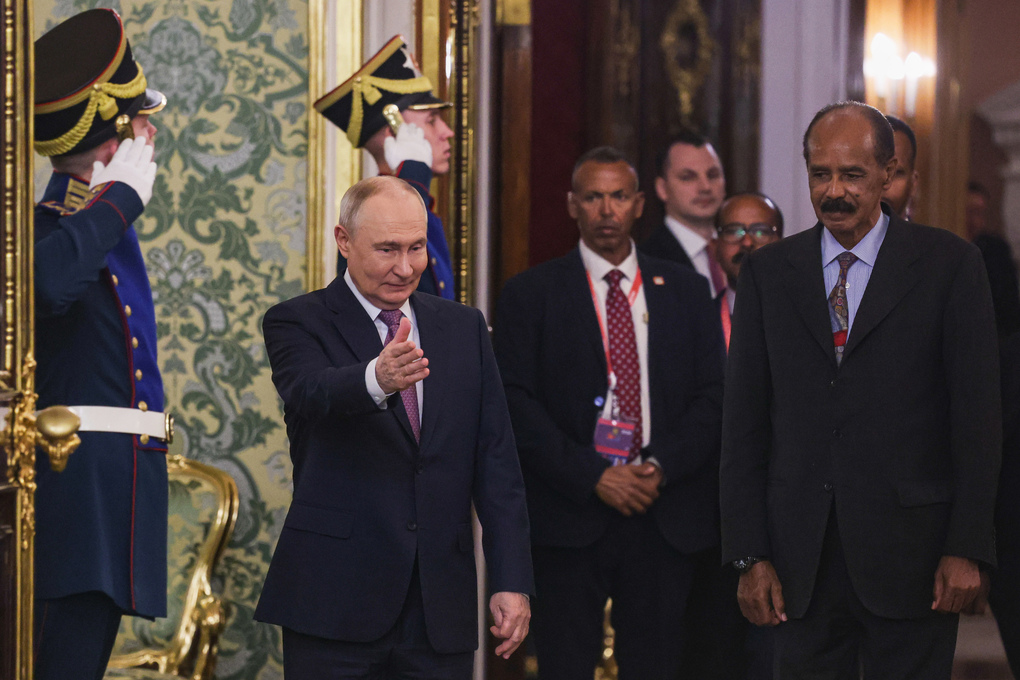
"We understand the pressures these countries face," President Zelensky noted in a press briefing on October 27. "However, the normalization of the Kremlin’s diplomatic standing, accelerated by the meeting in Alaska last year, has created a new reality that we must navigate."
Zelensky argued that the isolation of Russia was a critical pillar of international pressure, and its erosion—exemplified by the willingness of Western-aligned states to initiate dialogue—weakens the overall leverage against Moscow’s territorial ambitions.
From the Kremlin’s perspective, the narrative is one of pragmatism and global necessity. Kremlin spokesperson Dmitry Peskov has consistently reiterated that Putin remains open to dialogue with all nations. "The President has always been open to contact for the common good, for the sake of a peaceful solution to the Ukraine issue," Peskov stated. "He has been, is, and will always be ready for these meetings."
Analysis: A World in Transition
The current diplomatic climate reflects a transition toward a multipolar order where the rigid alliances of the early 2020s are beginning to show signs of wear. For Russia, the strategy of waiting out Western unity appears to be yielding results. By positioning itself as a necessary participant in global energy and diplomatic forums, Moscow is successfully creating a "new normal" where isolation is no longer the default posture of the international community.
The implications of this shift are profound. If the United States continues to pivot toward a more transactional foreign policy, the cohesion of NATO and the European Union will likely face continued stress tests. The ability of individual nations to forge their own paths, as seen with Norway and Finland, suggests that the "united front" against Moscow may be fragmenting.
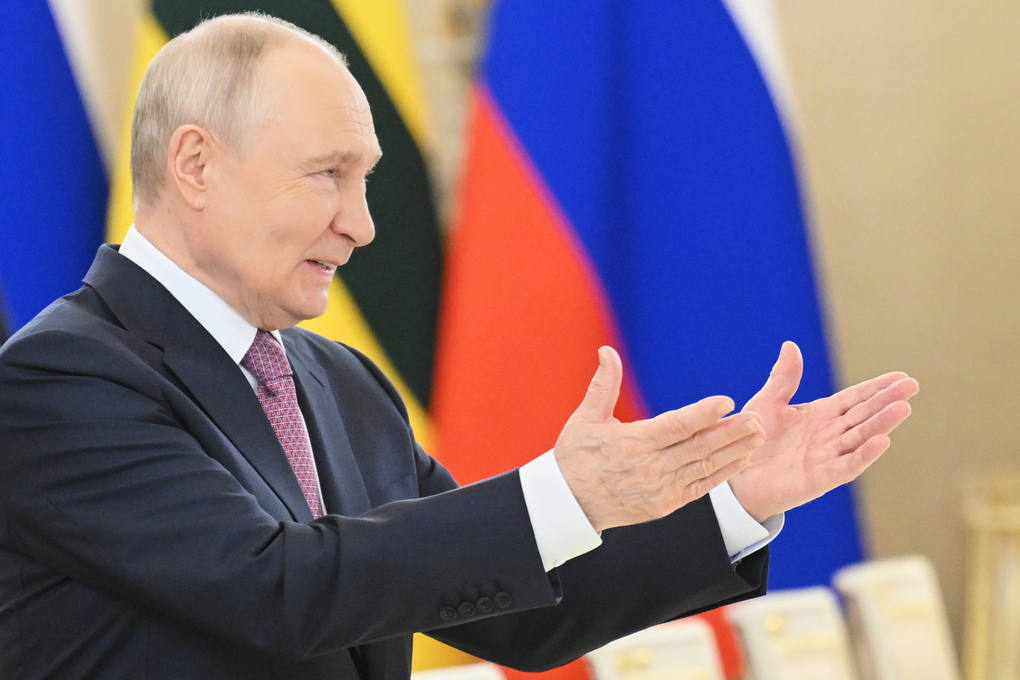
As the international community looks toward the G20 summit in December, the potential for further high-level engagement between Putin and his Western counterparts remains a central question. If an invitation from the U.S. side is accepted, it would confirm that the era of Russian diplomatic isolation has, for all practical purposes, come to an end.
The global order is currently in a state of flux. The decisions made in the coming months—not just in Moscow, but in Washington, Brussels, and beyond—will determine whether this diplomatic re-engagement leads to a new era of stability or a more volatile and unpredictable global landscape. For now, the Kremlin is playing its hand with calculated confidence, betting that the world’s desire for energy stability and geopolitical balance outweighs the ideological divisions that characterized the previous four years.