The Faces Behind Vietnam Television: The Diverse Journeys, Professional Milestones, and Private Lives of VTV’s Notable Personalities

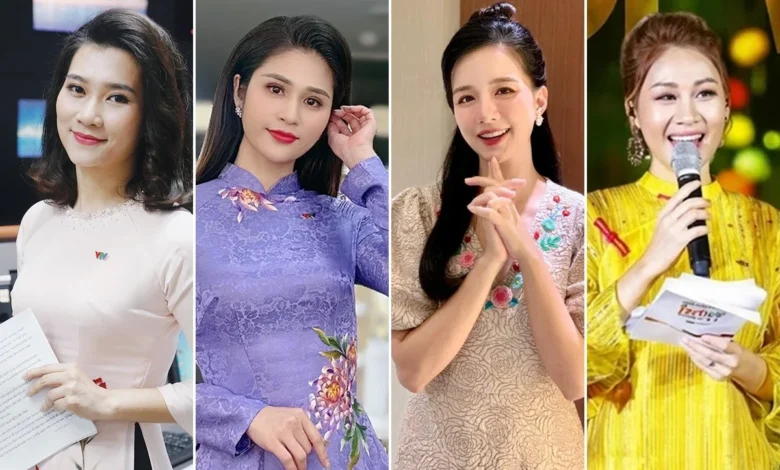
Television broadcasting in Vietnam has long served as a crucial cultural bridge, connecting millions of citizens with national and international affairs. At the forefront of this medium are the editors, anchors, and presenters of Vietnam Television (VTV), individuals who command immense public recognition while often maintaining fiercely private personal lives. Among them, several prominent figures sharing the name Minh Trang have left indelible marks across various flagship programs, news bulletins, and entertainment segments. Their professional trajectories, characterized by rigorous academic foundations, relentless newsroom pressures, and profound personal transitions, offer a compelling glimpse into the reality of modern Vietnamese media professionals.
The Newsroom Pillars: BTV Khanh Trang and BTV Minh Trang on the 19h National Newscast
The flagship 19h News bulletin on VTV1 stands as the most influential and widely watched news program in Vietnam. For viewers tuning in each evening, the credibility and composure of the anchors are paramount. Among the elite roster of journalists tasked with delivering this vital national broadcast is BTV Khanh Trang, whose familiar presence on screen belies a deliberate choice regarding her professional identity.
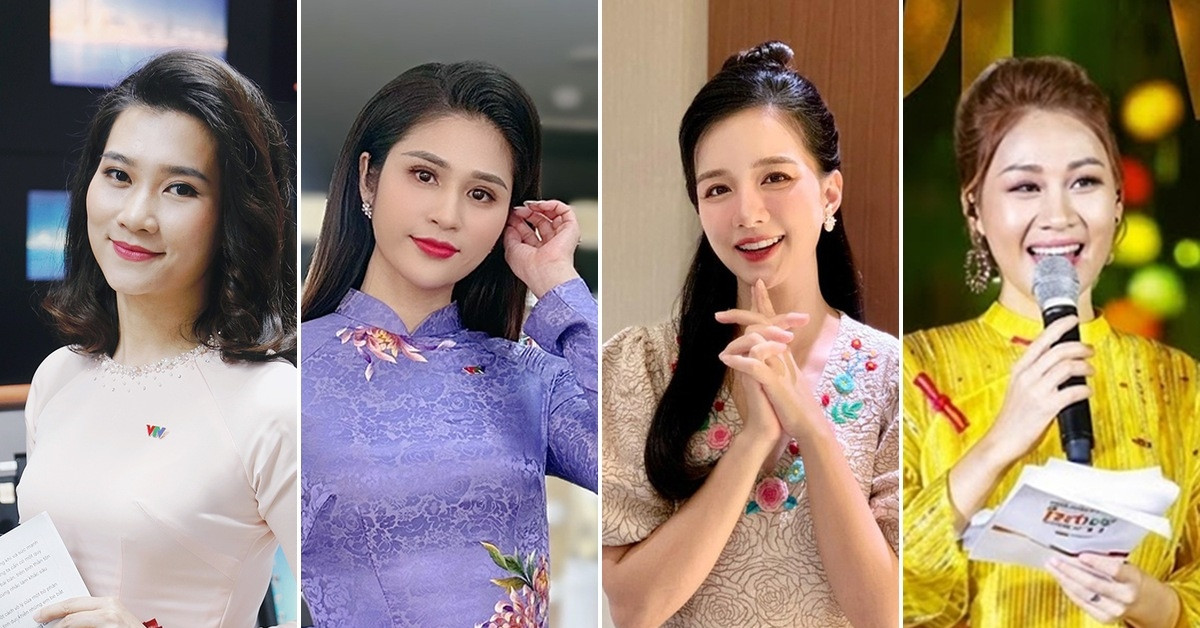
Born Tran Minh Trang in 1984 in the central province of Nghe An, she represents a rare exception within the newsroom by choosing not to use her birth name on air. The reason for this administrative distinction is rooted in operational clarity: at the time she was assigned to anchor the bulletin, the editorial team already included another editor named Minh Trang. To prevent viewer confusion and ensure seamless transitions in the fast-paced broadcast environment, she adopted the moniker Khanh Trang.
Khanh Trang’s path to the national broadcaster was unconventional. She graduated with a degree in Hotel and Tourism Management from Hanoi Foreign Trade University. In 2005, she competed against nearly 1,000 candidates to win a host selection contest organized by Hanoi Radio and Television. Her career progressed steadily until 2014, when she transitioned to VTV, initially anchoring the morning news program Chao Buoi Sang (Good Morning). By February 2, 2017, she officially assumed the role of anchor for the 19h News. Despite her origins in Nghe An, industry peers and language experts have consistently praised her for her immaculate standard Hanoi accent, calm demeanor, and warm vocal timbre. Outside the high-pressure environment of the national newsroom, Khanh Trang leads a remarkably private life, raising her daughter and dedicating her sparse free time to interior decoration and floral arrangement.
Sharing the monumental responsibility of the 19h News desk is BTV Minh Trang, born in 1987. Unlike many of her journalistic peers who pursued traditional journalism degrees, she graduated from the Department of Screenwriting at the Hanoi University of Theatre and Cinema. Her deep understanding of narrative structure and media production significantly enhanced her editorial capabilities. In addition to her demanding duties at the national broadcaster, she has actively contributed to the next generation of journalists by teaching at the Television Department of her alma mater.
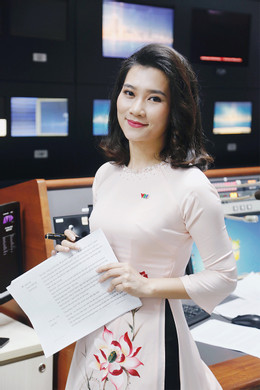
Minh Trang’s association with VTV dates back to approximately 2007. Over nearly two decades, she navigated a diverse array of broadcasting roles, including delivering weather forecasts, reporting on Cuoc Song Thuong Ngay (Daily Life), and anchoring Chao Buoi Sang, before ultimately earning her position at the 19h News desk in 2018. Within the newsroom, she is widely characterized as modest and understated, frequently prioritizing culinary preparation for her family over public social engagements and strictly guarding her private affairs from public scrutiny.
From Screenwriting and Youth Programs to National Recognition: The Multi-Faceted Journey of Trang Moon
While the anchors of the 19h News project an image of measured formality, other prominent figures within the VTV ecosystem have navigated paths defined by dynamic career shifts and profound personal resilience. Among them is MC Minh Trang, widely known by her childhood and professional nickname, Trang Moon.
Born in 1987 in Hanoi, her trajectory in the public eye began at an exceptionally young age. At just 14 years old, she appeared in the critically acclaimed television drama Phia Truoc La Bau Troi (Skies Ahead). Her academic prowess during her youth was equally notable, highlighted by a Japanese Government scholarship and subsequent opportunities for international education. Upon completing her studies at Hanoi Foreign Trade University, she joined VTV, anchoring programs such as O Rua May (Lucky Window), Tuoi Tre Manh Me (Vibrant Youth), Bai Hat Viet (Vietnamese Song), and Ca Phe Sang (Morning Coffee). Seeking to deepen her expertise, she pursued a master’s degree in communication in France, which later led to a role as an English-language editor at VTV4.

The transition from a high-profile media career to family life and entrepreneurship presented unique trials. As a mother of four, Trang Moon stepped back from daily broadcasting to focus on raising her children and establishing entrepreneurial ventures in the child education sector. However, her personal life recently entered the public sphere when she publicly announced her decision to divorce her husband, following a period of psychological crisis that began in August. Candidly sharing her experience, she revealed that she sought professional psychological counseling and meditation to regain emotional equilibrium. Currently raising three daughters and one son as a single mother, she emphasized that making her separation public was a necessary step to clearly delineate shared responsibilities regarding their ongoing business and familial obligations, concluding that these public reflections would mark the final chapter of her addressing the matter.
The 90s Generation of VTV6: Resilience Behind the Camera and International Exposure
Representing a younger demographic within the broadcaster’s history is the 90s-born MC who became synonymous with the now-reconfigured youth channel, VTV6. Her journey into television began at the 2012 Cau Vong (The Rainbow) talent search, where she secured a position in the top nine before evolving into a familiar face across youth-oriented and cultural programs such as Chung Cu 22+ (Apartment 22+), Hom Nay Ai Den (Who is Coming Today), Toi Hat (I Sing), and Bua Trua Vui Ve (Happy Lunch).
Her professional capacity extended far beyond standard youth programming; she contributed to major national broadcasts including Giai Dieu Tu Hao (Proud Melodies), Cam On Cuoc Doi (Thank You, Life), Tat Nghia La Hy Vong (All That Means Hope), and the 2018 VTV International Children’s Festival. Demonstrating linguistic versatility, she also conducted an in-depth English-language interview with Hollywood actress Tara Ward.
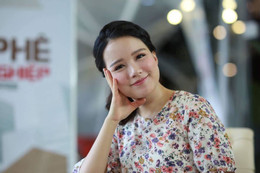
In 2018, her dedication was recognized when she earned a spot in the top five for Impressive MC at the prestigious VTV Awards. This public accolade, however, was underpinned by grueling working conditions. She frequently recounted schedules that involved leaving work at 2:00 AM, returning to her desk by 4:30 AM, and appearing live before studio cameras by 6:30 AM. Despite frequent parental pleas for her to pursue a less taxing profession due to the physical toll, she chose to remain in the industry, driven by her passion for the craft, her colleagues, and the production teams. In 2020, she temporarily relocated to the United Kingdom for postgraduate studies, providing public insights into the realities of being an international student amidst the disruptions of the global Covid-19 pandemic.
The Broader Impact and Implications of Modern Vietnamese Media Careers
The collective experiences of these prominent television personalities illustrate the evolving landscape of Vietnamese journalism and broadcasting. As state media adapts to the demands of a 24-hour digital news cycle, the pressures on editors and presenters have escalated significantly. The duality of maintaining rigorous professional standards on national broadcasts while navigating intense personal scrutiny highlights the psychological resilience required of public figures in contemporary Vietnam.
Furthermore, the varied academic backgrounds of these women—ranging from international trade and screenwriting to hotel management—demonstrate that modern broadcasting values multidisciplinary expertise over traditional media training alone. Their journeys reflect a broader generational shift within Vietnam’s cultural institutions, where professionalism, adaptability, and intellectual rigor continue to define the standard of public communication.